

We may earn a commission when you buy through links on this page, at no extra cost to you. Learn more.
The vignoles grape is a French-bred white wine hybrid known for ripe tropical and stone-fruit flavors balanced by naturally high acidity. It can make crisp dry whites, gently sweet table wines, blends, and concentrated late-harvest dessert wines. The variety is especially associated with Missouri and New York’s Finger Lakes, where growers value its winter hardiness and winemakers use its acidity to keep richer fruit flavors lively.
Vignoles is a useful choice for drinkers who enjoy aromatic white wine but do not want every bottle to taste the same. Sweetness, harvest timing, and winemaking choices can shift the style considerably, so learning a few clues makes it easier to find the bottle that suits a meal or occasion.
What Is the Vignoles Grape?
Vignoles is a white-skinned interspecific hybrid grape developed in France by breeder J.F. Ravat. It was known for decades by the experimental name Ravat 51, then received the more marketable name Vignoles in the early 1970s through the efforts of growers in New York’s Finger Lakes region. The grape was developed in the 1930s but was not released until 1949, so its history bridges French hybrid breeding and the expansion of regional American winegrowing.
Its pedigree is disputed: an older account proposed a cross involving a French-American hybrid and Pinot Noir, but genetic work has challenged that pairing. Hybrid grape family trees can change as researchers compare genetic markers with historical records.
In the vineyard and cellar, Vignoles has a distinctive identity beyond its unusual history. It is grown primarily for white wine, and its thick-skinned, compact bunches can produce concentrated fruit. Winemakers may bottle it on its own or use it in a blend, and the resulting wine can range from dry and refreshing to sweet enough to accompany dessert. That range is why it is more useful to think of Vignoles as a versatile grape than to assume it always makes one fixed style. For background on how grape names, wine styles, and blends fit together, the site’s overview of Wine by Type provides a wider frame.
Where Vignoles Grows and How the Vines Perform
Vignoles is most closely associated in the United States with Missouri and New York’s Finger Lakes, two regions where winter cold makes grape selection especially important. The Missouri wine industry describes it as a popular Midwestern white grape that can withstand the state’s winters, while Wine Enthusiast identifies the Finger Lakes and Missouri as its principal growing areas. Pennsylvania and other parts of the East and Midwest also grow the variety.
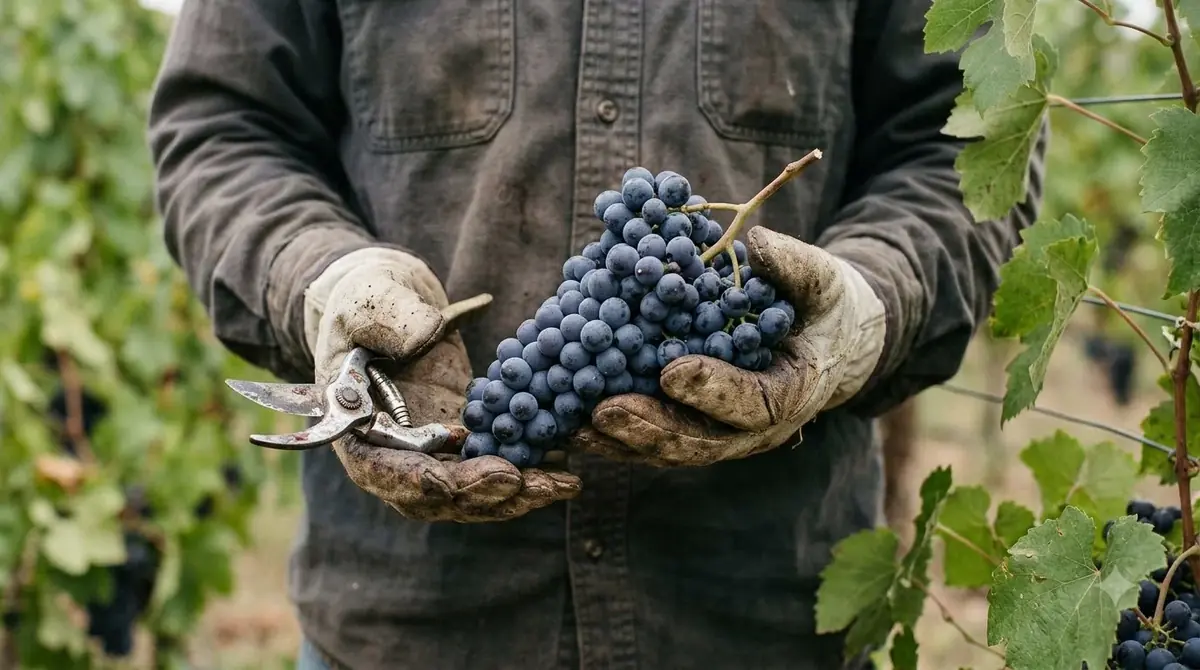
Missouri growers also describe Vignoles as an earlier-ripening grape within the state’s growing calendar. The exact harvest date still changes with site, weather, and crop conditions.
The main viticultural drawback is the grape’s tight, compact clusters. Berries packed closely together leave less room for air movement and make the bunches vulnerable to Botrytis bunch rot and other late-season rot problems, particularly when rain or humidity persists as harvest approaches. University of Missouri Extension also lists Vignoles as very susceptible to powdery mildew, gray mold, and anthracnose. A winter-hardy vine is therefore not automatically an easy vine to farm; canopy management, disease monitoring, and careful harvest decisions remain important.
Vineyard conditions help explain why bottles from different regions and producers can vary. A cool site may preserve acidity and slow sugar accumulation, while a warmer season or a later pick may push fruit toward riper peach, pineapple, and apricot notes. Compact bunches also mean that growers must pay attention to weather close to harvest. If rot risk increases, they may need to pick earlier rather than wait for the highest possible sugar level or a late-harvest style.
Vignoles Flavor, Acidity, and Body
Vignoles commonly shows ripe white and yellow fruit, especially pineapple, peach, apricot, pear, and citrus, with floral notes in some bottlings. Its style is generally medium-bodied and crisp, with acidity that gives the fruit definition and helps balance residual sugar in sweeter versions.
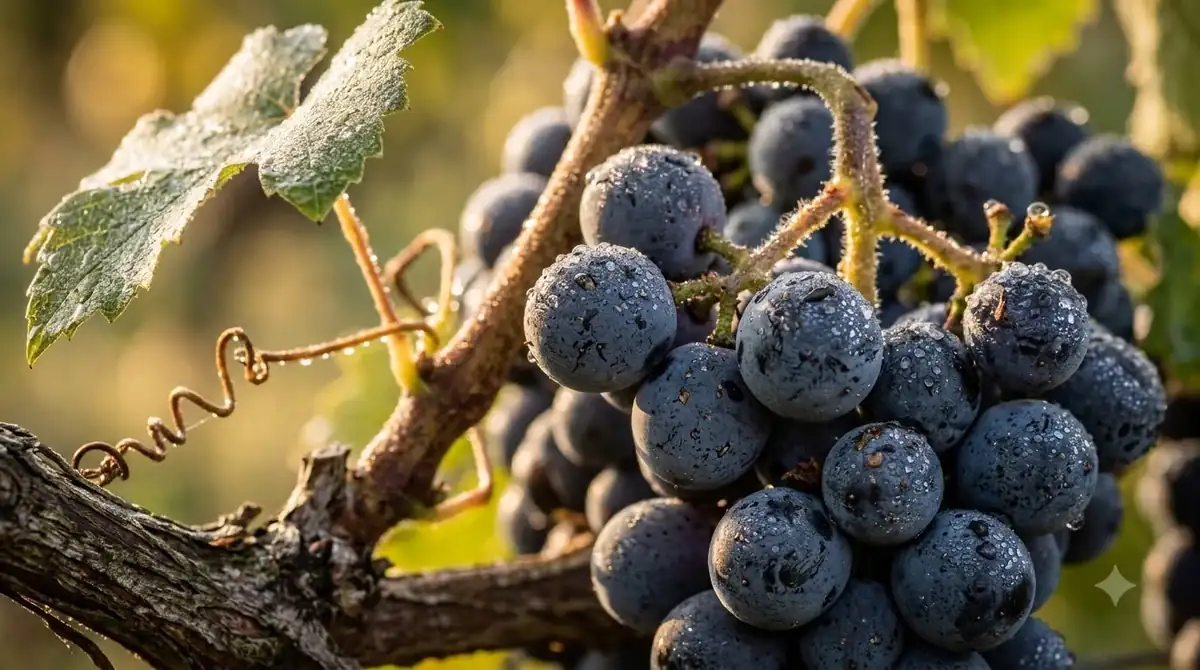
The first impression may be generous fruit rather than sharp citrus. Pineapple and peach can make the wine seem broad or soft, while apricot and pear add a rounder orchard-fruit character. Lemon or grapefruit notes contribute lift, and floral aromas can add perfume. One bottling may lean tropical while another is more focused on citrus and fresh stone fruit.
Acidity is the grape’s most important structural feature. It helps dry versions feel refreshing instead of heavy and gives sweeter wines a counterweight to their sugar. In a well-balanced off-dry wine, sweetness may be noticeable without dominating the finish. This is one reason Vignoles is sometimes compared with Riesling or Chenin Blanc: each can combine expressive fruit, freshness, and a spectrum of sweetness levels. The comparison is about balance and range, not a claim that the grapes taste identical.
Body and texture also depend on style. A dry, cool-fermented version may feel clean and brisk, while a sweeter or later-picked wine can seem fuller because ripe fruit and residual sugar give the palate more weight. Oak is not required to make Vignoles expressive; its fruit and acidity can provide plenty of character without a pronounced barrel flavor. When reading a tasting note, look for the balance among fruit, acidity, and sweetness rather than treating any single aroma as a defining rule.
Dry, Off-Dry, and Sweet Vignoles Wines
Vignoles can be made in several distinct styles, from dry table wine to off-dry, sweet, and late-harvest dessert wine. Its naturally high acidity gives winemakers room to retain some sweetness without making the wine seem flat, and the grape is also used in blends when a producer wants aromatic fruit and freshness.
A dry Vignoles is the most straightforward place to start for someone who usually drinks crisp white wine. It can show citrus, pear, and fresh peach, with a medium body and a clean finish. The label may use terms such as dry or brut-style only where appropriate to the specific wine; do not assume every bottling from the variety is sweet. A producer can ferment the grape until most fermentable sugar is consumed and present the wine as a conventional table white.
Off-dry and semi-sweet versions put more emphasis on ripe fruit. A little residual sugar can highlight pineapple, apricot, and floral notes while high acidity keeps the finish lively. These bottles can be especially versatile with spicy food because a trace of sweetness can soften the perception of heat. Sweet styles may have a more generous palate and are often served alongside fruit desserts, pastries, or creamy sweets rather than as a dry aperitif.
Late-harvest Vignoles takes the grape’s natural sugar potential further. Leaving fruit on the vine longer can concentrate ripeness, but growers must weigh that goal against the rot risk in tightly packed clusters. The best examples retain enough acidity to keep the sweetness lively. Vignoles can also play a supporting role in white blends. Its aromatics and acidity may contribute fruit and freshness where a producer wants more complexity or balance. If you enjoy exploring grapes that offer a different route to aromatic or dessert-friendly wines, compare it with Brachetto grape, a red variety usually associated with fragrant, often gently sparkling sweet wines. The color, grape family, and typical texture differ, but both show how fruit-forward wine can be made in more than one sweetness level.
Food Pairings for Vignoles
Match Vignoles to the sweetness and acidity of the bottle in front of you. Dry and off-dry versions work well with seafood, poultry, Asian dishes, and lightly spicy foods, while sweeter bottlings are better alongside fruit desserts and creamy sweets.
For a dry Vignoles, try roast chicken with herbs, grilled shrimp, seared scallops, or white fish with a citrus dressing. Its acidity refreshes the palate, while peach and pear notes complement mild seasoning. It can also work with vegetable stir-fry seasoned with ginger, citrus, or a little soy, and is a fresher alternative to tannic red wine with salmon or mackerel.
Off-dry Vignoles is especially helpful with aromatic spices and moderate chili heat. Try Thai curry, Vietnamese lemongrass chicken, Szechuan-style dishes, Mexican food with roasted peppers, or buffalo wings. A small amount of sweetness can calm the sensation of chili, while acidity keeps the combination from feeling syrupy. Very high alcohol and tannin can amplify chili heat, so a fresh white with modest alcohol and some residual sugar is often a safer match for dishes with a noticeable burn.
Sweet Vignoles can pair with cheesecake, crème brûlée, peach tart, poached pears, or a fruit plate featuring pineapple and apricot. The guiding rule is to serve a wine at least as sweet as the dessert; otherwise, the wine can seem thin or sour next to the food. A lightly sweet Vignoles may also suit a cheese plate with creamy or mildly salty cheeses. Salt and fat can soften tannin in red wines, but with Vignoles the useful effect is often the way creamy texture and a little salt temper sweetness and make the fruit feel more balanced. For a broader comparison of white-wine grapes, an Airén grape bottle can offer a different, often more restrained Spanish white-wine experience. It is not a direct substitute for Vignoles, but comparing two white varieties side by side can clarify how grape, climate, and sweetness shape a pairing; adjust either match to the sauce and seasoning rather than the protein alone.
How to Serve, Store, and Choose Vignoles
Serve most Vignoles cool enough to preserve its freshness but not so cold that its fruit disappears. A practical starting point is 45–50°F for a crisp or medium-bodied white, with a sweeter late-harvest bottling served around 43–50°F.
If the bottle is refrigerator-cold, give it a few minutes in the glass to open up. Very low temperatures can mute peach, pineapple, and floral aromas, while a warmer pour can make sweetness seem more prominent and reduce the refreshing impression of acidity. A standard 5-ounce pour is a useful serving size, and a 750-milliliter bottle yields about five glasses.
| Vignoles style or serving measure | Guide |
|---|---|
| Dry or off-dry wine | 45–50°F |
| Sweet or late-harvest wine | 43–50°F |
| Standard pour | 5 oz |
| 750 mL bottle | About five 5-oz glasses |
Tip: Start with a 45–50°F pour. If peach, pineapple, or floral aromas seem muted, let the wine warm slightly in the glass before serving another pour.
Choosing a bottle starts with the sweetness preference. Look for dry if you want a crisp white to serve with seafood or roast chicken; off-dry or semi-sweet if you want a more flexible partner for spicy dishes; and late-harvest or dessert Vignoles when the wine itself should supply clear sweetness. Tasting notes that mention pineapple, peach, apricot, citrus, or flowers can help set expectations, but the sweetness description is more useful than fruit language alone if you are deciding how the bottle will work with food. Producer and region can add context: Missouri is a strong place to look for the variety, and New York’s Finger Lakes has a history of making Vignoles as both a table wine and a sweeter style. One producer may emphasize cool fermentation and bright fruit; another may prefer a rounder, sweeter finish. Read the description for the actual bottle rather than assuming that every Vignoles from one region follows a single recipe. For a regional overview and pairing ideas, the Missouri Wines Vignoles profile is a useful starting point.
Once opened, keep the bottle in the refrigerator with a proper closure. Most still wines retain their best character for about 3–5 days after opening, although delicate aromas can fade sooner. Store unopened bottles away from direct light and heat; for longer storage, a cool, stable place near 55°F is preferable. A Vignoles intended for immediate drinking does not need decanting, and elaborate service is unnecessary: a clean white-wine glass and a cool pour are enough. When buying a first bottle, choose a producer that states the wine’s sweetness level and gives a clear description of the style. A dry Vignoles is a good introduction if you prefer Sauvignon Blanc or unoaked Chardonnay, while an off-dry version may appeal to drinkers who enjoy Riesling. For a different perspective on the grape’s versatility, read Wine Enthusiast’s look at Vignoles’ history and range of styles.
Frequently Asked Questions
How do you pronounce Vignoles?
It is commonly pronounced “veen-yole,” with the final sound like “yole.” Missouri Wines uses this pronunciation in its educational profile for the grape.
What is the genetic parentage of Vignoles?
The pedigree is not presented consistently in older references. UC Davis reports that recent DNA analysis points to Seibel 5455, also called Plantet, and Seibel 880, rather than the previously reported Seibel 6905 and Pinot Noir pairing.
Does Vignoles have a U.S.-approved grape name?
Yes. UC Davis Foundation Plant Services lists Vignoles (Ravat 51) among the TTB-approved names for the variety. That official listing helps explain why both names appear in technical references.
When does Missouri celebrate Vignoles month?
Missouri Wines designates August as Vignoles month. The association uses the month to spotlight the grape and the range of Missouri wines made from it.
Where did the registered Vignoles selection at UC Davis come from?
Foundation Plant Services records that its Vignoles [01] selection arrived in 2006 from the Missouri State Fruit Experiment Station at Missouri State University in Mountain Grove, Missouri. That accession is registered in the UC Davis collection.
Vignoles rewards curiosity because it is not limited to a single sweetness level or tasting profile. Start with the style that fits your palate, then compare a dry Missouri bottling with an off-dry or late-harvest Finger Lakes wine to see how the same grape can express different sides of its character.
More in Wine Types & Grapes
 Zinfandel Sugar Content: Dry Red vs. White Zinfandel GramsUpdated Nov 21, 2026
 Best Zinfandel Substitute Options for Sipping and CookingUpdated Nov 21, 2026
 Zweigelt Food Pairing: Best Dishes, Cheeses, and Serving TipsUpdated Nov 21, 2026
 Zinfandel Tannins Explained: How Structure Shapes Every BottleUpdated Nov 21, 2026
 Zinfandel Sweetness Level: Dry Red vs. Sweet White Zin ExplainedUpdated Nov 21, 2026
 Xinomavro Food Pairing: Best Dishes, Styles, and Serving TipsUpdated Nov 21, 2026