

We may earn a commission when you buy through links on this page, at no extra cost to you. Learn more.
Hermann wine comes from the Hermann American Viticultural Area in Missouri, a small river town where German settlers began planting grapes in the 1830s. The area was one of the first federally recognized wine regions in the United States, and its wineries still make a share of the state’s total output. Local wines lean toward native grapes such as Norton and Catawba, along with French-American hybrids, and many are served with the German food and festivals that define the town.
If you are planning a trip to Missouri wine country, or you have seen Hermann wines on a shop shelf and wondered what sets them apart, this guide explains where they come from, how the region developed, which grapes and wineries matter most, and how to enjoy the wines at home or on a visit.
What Hermann Wine Is
Hermann wine is made in and around the town of Hermann, on the Missouri River. The label usually names a winery rather than a single grape, and the wines reflect the warm, humid climate of the Missouri River valley. Many of the grapes grown here are not the vinifera varieties common in Europe, which gives the wines a different character from the Bordeaux or Burgundy styles many drinkers know first.
The area is best understood as a region with a strong sense of place. The wineries sit close together, the town keeps its historic architecture, and the local wine history is part of the attraction. For a broader comparison of how wine regions differ from one another, the wine regions guide explains how climate, soil and grape choice shape the finished bottle.
History From German Settlers to Prohibition
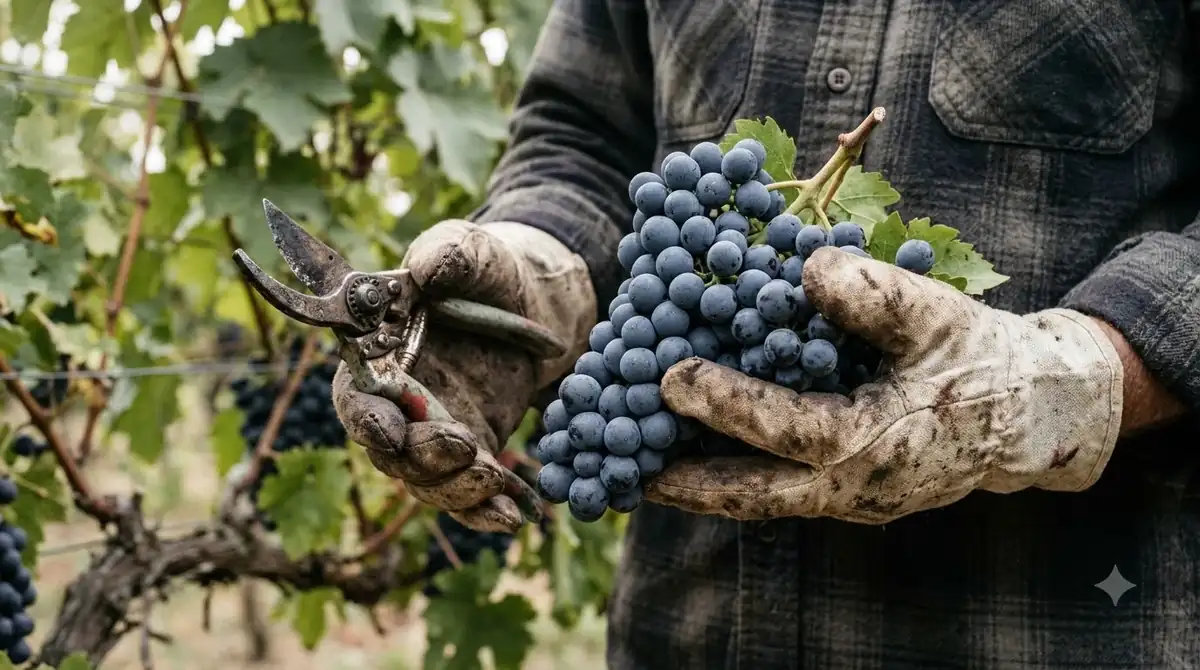
Hermann was founded in 1837 by a German settlement society based in Philadelphia, which was promoted by Gottfried Duden. The settlers hoped to build a self-supporting German colony that would keep their culture alive, but they arrived to find rugged land that was hard to farm. Many turned to wild grapes and hybrid planting out of necessity, and wine became part of the local economy almost from the start.
By the mid-1800s, the town was a serious wine center. The town sold grape lots on the condition that buyers plant vines, and George Husmann bred hybrids suited to Missouri’s climate. Hermann was the top wine producer in the United States for several years in the 1860s, and the region’s wineries built large underground cellars that remain among the most notable in the country.
The industry then collapsed. Prohibition, which began with the Volstead Act in 1919, uprooted many vineyards and shut down wineries across the region. Anti-German sentiment and the Great Depression added to the damage. Winemaking came back in the 1960s, when Jim and Betty Held began making wine at Stone Hill, and the area has grown steadily since then. Missouri now has many wineries, and Hermann remains the commercial heart of the state’s wine trade.
The Hermann AVA and Its Wineries
The Hermann American Viticultural Area was designated in 1983 and is one of the first federally recognized AVAs in the country. Its wineries produce a significant share of the state’s wine, and the appellation gives drinkers a clear way to tell local bottles apart from wines made elsewhere in Missouri.
The table below lists the best-known wineries and what they are known for, based on the historic and visitor information available. Each one offers tours or tastings, and the lineup varies from traditional native wines to hybrid whites and dessert styles.
| Winery | Location | What it is known for |
|---|---|---|
| Stone Hill Winery | In town | Largest winemaking business in the state, historic cellars |
| Hermannhof Winery | In town | Winery in town with tastings |
| Adam Puchta Winery | About 2 miles south of town | Family-owned since 1855 |
| OakGlenn Vineyards and Winery | About 2.5 miles east of town | Vineyard that includes a very old Norton vine |
| Bias Vineyards | Near Berger | Wines in the wider Hermann AVA |
Grapes and Styles
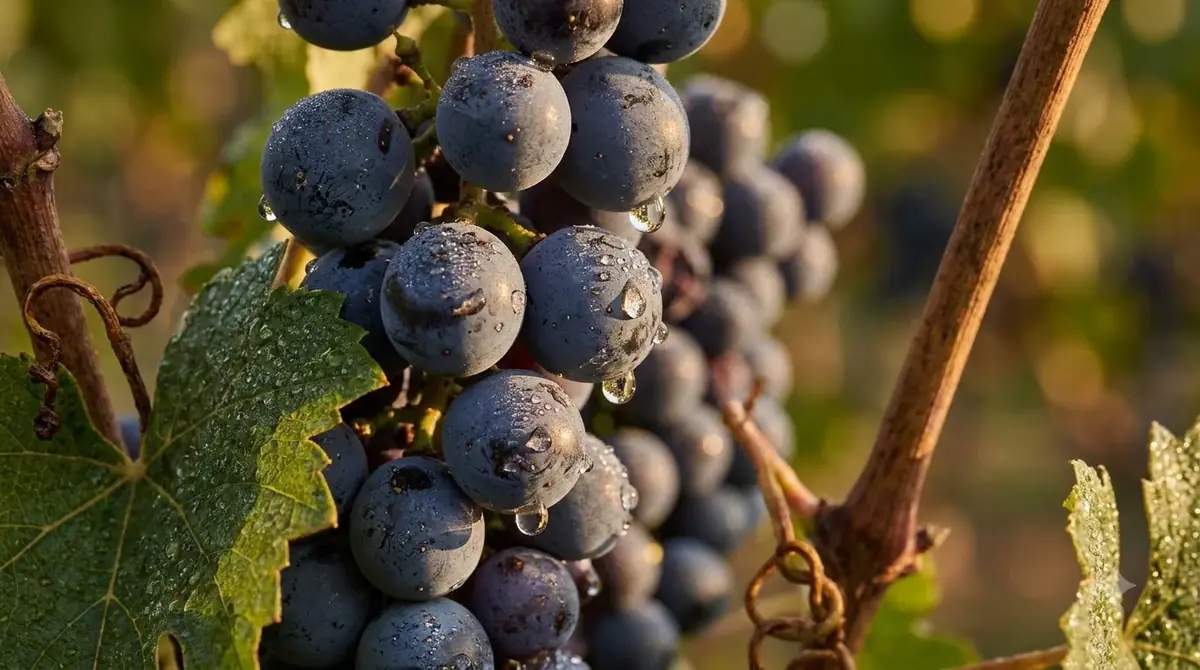
The grapes that define Hermann wine are native American varieties and hybrids rather than European vinifera. Norton, also known as Cynthiana, is the signature red. It is deeply colored and firm, and it has become a point of pride for Missouri winemakers. Catawba and Niagara bring floral, fruity character to white and sparkling styles, while Concord is familiar from grape juice and jelly and appears in sweeter wines.
Growers also plant French-American hybrids such as Vidal, Seyval, Vignoles and Chardonel. These varieties were bred to survive cold winters and humid summers, and they produce white wines that are often crisp and fruity. Many Hermann wineries blend these grapes with native varieties, so a single bottle can show several influences at once.
According to the Hermann visitor’s wine history page, the region’s wine tradition began with wild grapes and hybrid planting, and the same grapes continue to shape its wines today.
How to Enjoy Hermann Wine
Hermann wines are usually served at cellar temperature for reds and chilled for whites and sparkling styles. A light red such as a young Norton can be served slightly cool, while a bolder bottle benefits from a few minutes out of the fridge. Sweeter Concord and Catawba wines show best when served chilled in a standard white wine glass.
Visiting the wineries is the best way to learn the range. Tasting rooms in town are walkable, and many wineries offer guided tours of their historic cellars. Ask staff which wines are made from native grapes and which are hybrids, since that difference explains a lot about how each bottle tastes.
If you enjoy comparing regions, the Bordeaux wine guide is a useful contrast, since it shows how European vinifera wines are structured compared with the native and hybrid styles found in Missouri.
Food Pairing
Hermann wines pair well with the hearty, comforting food the town is known for. German-style sausages, smoked meats, pork dishes and cheese plates suit the fruity character of many local reds and the crisp acidity of hybrid whites. A Norton with grilled meat or a Vidal with pork and apple dishes is a simple, satisfying match.
Sweeter styles work with dessert, especially fruit-based pastries and cakes. Catawba and Concord wines can also balance spicy foods, since a little sweetness softens heat. Lighter whites go with salads, roasted vegetables and fresh cheeses.
Frequently Asked Questions
What kind of wine is Hermann known for?
Hermann is known for native American grapes such as Norton and Catawba, along with French-American hybrids. The region’s wines are often fruity and distinctive, and they differ from the European vinifera styles many drinkers know first.
Is Hermann wine sweet?
It can be. Wineries make dry reds and whites, as well as sweeter styles from grapes like Concord and Catawba. Check the tasting notes or ask staff to find the level of sweetness you prefer.
Where is Hermann wine made?
The wines come from the Hermann American Viticultural Area in Missouri, centered on the town of Hermann along the Missouri River. The appellation includes several wineries in the surrounding countryside as well as those in town.
Is Hermann a good place to visit for wine?
Yes. The town is compact, the historic cellars are a highlight, and the wineries hold festivals through the year, including spring and autumn events built around German heritage. Plan ahead for weekends, when tasting rooms can be busy.
Hermann wine is a good way to explore a region with a deep history and a distinctive style. Start with a tasting at one of the historic wineries, then try a bottle at home with the local food. For more background on how wine regions compare, the Italian wine guide offers a helpful contrast with European traditions.
More in Wine Regions
 Willcox Wine Trail: Discover Arizona’s High-Elevation Wine CountryUpdated Nov 20, 2026
 Yakima Valley Wine Region: Find the Best Styles to TryUpdated Nov 20, 2026
 Vosne Romanee Wine Tasting: Identify Aromas and Choose Better PairingsUpdated Nov 20, 2026
 Yakima Valley Wine Festival: Find the Best Seasonal Wine EventsUpdated Nov 20, 2026
 Wales Vineyards: Discover Cool-Climate Wines and Where to VisitUpdated Nov 20, 2026
 Yountville Wine Festival: Discover Napa Wines and Local FoodUpdated Nov 20, 2026