

We may earn a commission when you buy through links on this page, at no extra cost to you. Learn more.
The typical ariel wine price in the United States is approximately $10 to $15 for a 750 ml bottle, depending on the variety, retailer, and location. ARIEL Cabernet Sauvignon and Chardonnay are generally available in this range, although some specialty online retailers list bottles at higher prices. Comparing local wine shops, large retailers, and online non-alcoholic wine stores can help shoppers understand the difference between everyday shelf pricing and specialty retail pricing.
ARIEL is a California alcohol-removed wine brand made by J. Lohr Vineyards & Wines. Its lineup includes familiar grape varieties, including Cabernet Sauvignon, Chardonnay, and Sauvignon Blanc. The wines begin as traditionally fermented wine before undergoing alcohol removal, making them different from grape juice and many other alcohol-free beverages. The official ARIEL website provides additional information about the producer, varieties, and production approach. Understanding the varieties, bottle sizes, and retail channels makes it easier to decide whether a particular listing represents reasonable value.
Who Should Compare ARIEL Wine Prices?
ARIEL wine is worth comparing for shoppers who want recognizable wine varieties without the alcohol content of conventional wine. A typical 750 ml bottle offers approximately five 5-ounce servings, making the cost per glass another useful way to evaluate a purchase.
The brand appeals to several types of buyers. People looking for a non-alcoholic alternative to Cabernet Sauvignon can consider the red option, while Chardonnay drinkers may prefer a softer white wine with apple, tropical fruit, butterscotch, and oak characteristics. Sauvignon Blanc provides another choice for shoppers who enjoy brighter citrus and fresh-herb flavors.
Price-conscious shoppers should pay attention to the retailer rather than assuming every bottle has the same shelf price. Large retailers may list ARIEL around the lower end of the typical retail range, while specialty non-alcoholic wine stores can charge more. For example, Total Wine listings have placed individual 750 ml bottles around $9.99 to $11.49, while NonAlcoholicWines has listed its Cabernet Sauvignon and Chardonnay at $14.99 each. Prices vary by state and retailer, and shipping or local taxes can change the final purchase cost.
ARIEL can also suit people purchasing wine for a dinner party, holiday gathering, or occasion where guests want a traditional wine-style beverage without conventional wine’s alcohol content. However, the label states less than 0.5% ABV, not necessarily 0.0%. Anyone who requires complete avoidance of alcohol should account for that distinction before purchasing.
For readers unfamiliar with the producer, the ARIEL wine overview provides additional context about the brand, its varieties, and its production approach.
Key Factors That Affect ARIEL Wine Price
The variety, retailer, bottle size, and sales channel all influence the amount shoppers pay for ARIEL. Comparing the same 750 ml bottle across multiple retailers provides a more useful comparison than looking at different bottle formats or mixed bundles.
| Comparison factor | Typical information | Why it matters |
|---|---|---|
| Standard bottle size | 750 ml | Provides a consistent comparison between listings. |
| Typical serving size | 5 oz | About five servings per bottle. |
| Cabernet Sauvignon retail range | About $10–$15 | Useful reference for the red variety. |
| Chardonnay retail range | About $10–$15 | Useful reference for the white variety. |
| Specialty retail example | $14.99 per bottle | Shows how specialist retailers can differ from larger stores. |
| Two-bottle bundle example | $29.98 | Provides a comparison with individual bottle purchases. |
| Alcohol content | Less than 0.5% ABV | Confirms the product’s alcohol-removed category. |
| Retail availability | Varies by location | Local stock and delivery options affect purchasing decisions. |
These figures are reference points rather than guaranteed nationwide prices. Total Wine has displayed ARIEL Cabernet Sauvignon around $10.49 to $10.99 and Chardonnay around $9.99 to $11.49 in different listings. NonAlcoholicWines has listed both varieties at $14.99 per bottle. These retailer examples illustrate why a shopper should compare current listings before ordering. Prices vary by state and retailer.
Variety and production
The grape variety affects the wine’s character, although it does not automatically determine a higher or lower retail price. ARIEL Cabernet Sauvignon is oak-aged and has black currant, cherry, blueberry, and chocolate characteristics. Its soft tannins and dry finish make it the brand’s familiar red-wine-style option.
ARIEL Chardonnay has a different profile, with tropical fruit, ripe apple, butterscotch, and toasted oak. Sauvignon Blanc offers a lighter, more citrus-driven alternative, with lime, kiwi, passionfruit, and fresh herbs. Shoppers should choose according to their preferred style instead of assuming that the most expensive listing is necessarily the best match.
Retailer and purchasing format
Large retailers, specialty non-alcoholic wine stores, and independent wine merchants have different pricing structures. A specialist store may offer more detailed product descriptions or delivery options, while a local wine shop may provide convenient pickup.
Bundles also deserve attention. NonAlcoholicWines has listed a Cabernet Sauvignon and Chardonnay two-bottle bundle at $29.98, compared with $14.99 for each individual bottle on its collection page. The combined price matches the cost of purchasing two bottles separately in that example, so the bundle is primarily useful for buying both varieties together rather than assuming it offers a saving.
Step-by-Step: How to Find a Reasonable ARIEL Wine Price
The easiest way to compare ARIEL prices is to start with the exact wine variety and bottle size, then check multiple retailers. A few consistent comparisons can prevent shoppers from confusing a higher-priced specialty listing with the brand’s typical retail cost.
-
Choose the variety first.
Decide whether Cabernet Sauvignon, Chardonnay, or Sauvignon Blanc better matches your preferences. Cabernet Sauvignon is the red option, Chardonnay provides a rounder white profile, and Sauvignon Blanc offers a fresher citrus-driven style.
-
Start with a 750 ml bottle.
Use the standard bottle as the comparison point. A 750 ml bottle contains approximately five 5-ounce servings, making it easier to compare the cost of different retailer listings on an equal basis.
-
Check at least three retailers.
Look at a large retailer such as Total Wine, a grocery retailer such as Kroger, and a specialist online non-alcoholic wine shop. The availability of individual varieties can differ considerably between these channels.
-
Compare the actual bottle price.
Use the listed price before considering shipping, taxes, or other checkout charges. For example, a bottle listed at $10.99 and another listed at $14.99 are not equivalent purchases even if they contain the same volume.
-
Calculate the cost per serving.
Divide the bottle price by approximately five servings. A $10 bottle works out to around $2 per 5-ounce serving, while a $15 bottle works out to around $3 per serving.
-
Check bundle quantities.
Compare the combined price of a two-bottle package with the cost of buying two individual bottles. Confirm whether the bundle includes two different varieties or duplicates of one wine.
-
Confirm delivery and local availability.
Check whether the retailer delivers to the destination or offers local pickup. Shipping costs can make a seemingly inexpensive online listing less attractive than a nearby store.
-
Review the alcohol information before checkout.
ARIEL is labeled below 0.5% ABV. This distinction matters for buyers looking for a product with no detectable or absolutely zero alcohol rather than an alcohol-removed wine containing trace amounts.
Tip: Compare the same 750 ml variety across retailers and calculate its cost per 5-ounce serving. This provides a clearer picture of value than comparing a single-bottle listing with a mixed two-bottle package.
ARIEL Wine Varieties and Their Differences
ARIEL’s main varieties offer different traditional wine profiles, so the best choice depends on whether the buyer prefers red wine, a rounded white, or a crisp aromatic white. The producer identifies Cabernet Sauvignon, Chardonnay, and Sauvignon Blanc as its core offerings.
ARIEL Cabernet Sauvignon
Cabernet Sauvignon is the natural starting point for shoppers who normally drink red wine. J. Lohr describes its ARIEL Cabernet Sauvignon as oak-aged, with black currant, cherry, blueberry, and chocolate notes. The wine has soft tannins and a dry finish, offering a familiar red-wine direction without the usual alcohol concentration of conventional Cabernet.
The producer lists 38 calories and 9 grams of carbohydrates per 5-ounce serving. Kroger provides a separate nutritional listing of 45 calories and 11 grams of carbohydrates per 8-ounce serving, illustrating why serving sizes should be compared carefully. The wine is suited to beef, lamb, burgers, and tomato-based pasta dishes. Its fruit and oak characteristics can also work with grilled vegetables and hard cheeses.
For buyers primarily interested in the red variety, the ARIEL red wine discussion provides more focused information about its Cabernet Sauvignon style.
ARIEL Chardonnay
Chardonnay is a good choice for shoppers who prefer white wine with a rounded, fruit-forward profile. Its tropical fruit and ripe apple characteristics are accompanied by butterscotch and a whisper of toasted oak. This combination gives the wine a fuller impression than a particularly crisp Sauvignon Blanc.
The producer lists 33 calories and 9 grams of carbohydrates per 5-ounce serving. The wine works with roast chicken, creamy pasta, seafood, salads, and mild cheeses. Serving it chilled helps preserve its freshness and makes it suitable for casual lunches as well as dinner occasions.
ARIEL Sauvignon Blanc
Sauvignon Blanc offers a brighter profile for buyers who prefer citrus and fresh fruit rather than the rounder character of Chardonnay. ARIEL’s version features lime, kiwi, passionfruit, and fresh herbs, making it a natural match for lighter meals.
According to the producer, a 5-ounce serving contains 21 calories and 7 grams of carbohydrates. Its flavor profile suits salads, grilled vegetables, seafood, and dishes with fresh herbs. Buyers should compare its actual availability with the more commonly listed Cabernet Sauvignon and Chardonnay options rather than assuming every store carries all three varieties.
Choosing by drinking preference
Cabernet Sauvignon is the most logical choice for people who usually drink dry red wine. Chardonnay is better suited to people who enjoy apple, tropical fruit, and a little oak. Sauvignon Blanc makes sense for those who prefer citrus-driven whites with a lighter, fresher profile.
Shoppers can explore ARIEL dealcoholized wine for additional information about how these wines are produced and how alcohol removal distinguishes them from conventional wine.
Common ARIEL Wine Buying Mistakes
The most common purchasing mistakes involve comparing different bottle formats, overlooking the alcohol percentage, and assuming that a higher retail price means better wine. Checking the variety, size, and retailer details before purchasing helps avoid these problems.
Assuming every ARIEL bottle costs the same
Retailers do not necessarily use identical pricing. A large chain may list an ARIEL Cabernet Sauvignon around $11, while a specialty online retailer may list the same variety at $14.99. The difference may reflect retailer pricing, distribution, shipping arrangements, and the way the store positions its non-alcoholic wine selection.
There is also no reason to assume Chardonnay must cost more than Cabernet Sauvignon. Both varieties can occupy similar retail price ranges, and the retailer can have more influence on the final amount than the grape variety itself.
Confusing alcohol-removed wine with zero-alcohol wine
ARIEL is made from fermented wine before the alcohol is removed. Its stated alcohol content is less than 0.5% ABV, which is different from a product explicitly labeled 0.0%. Buyers who require a strict zero-alcohol product should pay particular attention to this distinction.
Ignoring serving size when comparing nutrition
Nutrition figures can look inconsistent when retailers use different serving sizes. The producer lists ARIEL Cabernet Sauvignon at 38 calories per 5 ounces, while Kroger lists 45 calories per 8 ounces. These numbers describe different quantities and should not be compared as though they represent the same serving.
Similarly, ARIEL Chardonnay’s producer-listed 33 calories per 5 ounces should not be confused with a nutritional figure calculated for a larger glass. The actual serving amount is important when reviewing calories and carbohydrates.
Buying a bundle without calculating its value
A two-bottle package may be convenient, but it is not automatically cheaper. For example, a bundle listed at $29.98 costs the same as two individual bottles listed at $14.99 each. The benefit may be having both Cabernet Sauvignon and Chardonnay together rather than receiving a lower per-bottle price.
Choosing solely on the advertised price
The lowest listing is not always the most convenient purchase. An online bottle may require shipping, while a local retailer might offer pickup without additional delivery charges. Compare the final checkout total and availability before deciding where to buy.
ARIEL Wine Storage and Serving Tips
Proper storage and serving temperatures help preserve the wine’s intended fruit and oak characteristics. ARIEL’s white wines generally benefit from refrigeration, while its Cabernet Sauvignon is best served slightly cool rather than warm.
Serving temperatures
Serve ARIEL Chardonnay and Sauvignon Blanc at approximately 45–50 degrees Fahrenheit. This temperature range helps retain freshness while allowing their fruit aromas to show. A conventional white wine glass is suitable for both varieties.
For ARIEL Cabernet Sauvignon, aim for approximately 55–60 degrees Fahrenheit. Serving the red wine slightly below typical room temperature can make its fruit and oak characteristics more balanced. A standard red wine glass gives the aromas room to develop.
A 5-ounce pour is a useful reference serving size. A standard 750 ml bottle provides approximately five such glasses, which also makes it easy to estimate the number of bottles needed for a gathering.
Storage before opening
Keep unopened bottles in a cool, relatively dark location away from direct sunlight and major temperature changes. A storage temperature near 55 degrees Fahrenheit is a useful general wine-storage target. Avoid leaving bottles in a hot car, near an oven, or beside a sunny window.
For longer storage, a stable environment is more important than frequent movement between warm and cold locations. Follow the bottle’s closure and storage recommendations, particularly if purchasing several bottles at once.
Storage after opening
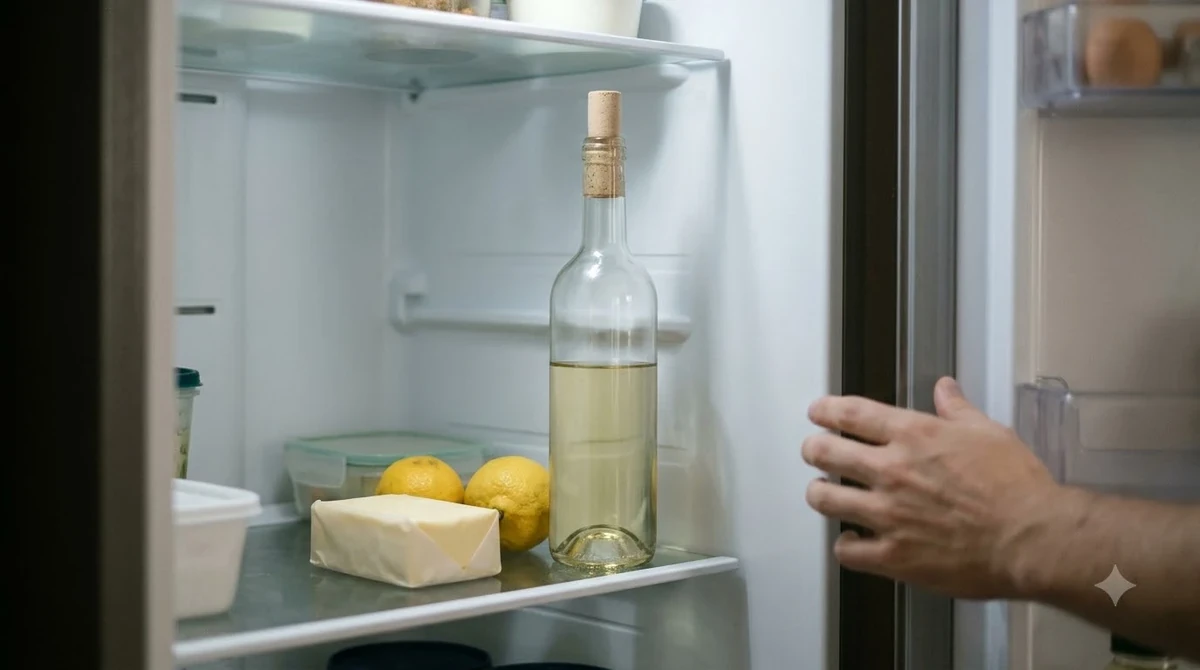
Refrigerate opened ARIEL wine and use a suitable closure to limit exposure to air. As a general guide, opened still wines are best consumed within approximately 3–5 days when refrigerated. The actual freshness period can depend on the wine, storage conditions, and how much air remains in the bottle.
Chardonnay and Sauvignon Blanc should be returned to the refrigerator after serving. Cabernet Sauvignon can also be refrigerated after opening; allow it to approach its preferred serving temperature before pouring another glass. Avoid leaving an open bottle on the dining table overnight.
Good storage habits are especially useful when buying ARIEL in a two-bottle bundle or purchasing multiple bottles for an event. Opening one bottle at a time helps preserve the quality of the remaining wine.
Frequently Asked Questions
Is ARIEL wine made by J. Lohr?
Yes. ARIEL is produced by J. Lohr Vineyards & Wines, a California wine producer. The brand’s wine is made from estate-grown grapes and undergoes fermentation and barrel aging before alcohol removal.
Does ARIEL wine need to be refrigerated before opening?
Refrigeration is particularly useful for maintaining the quality of ARIEL’s white wines, although unopened bottles should generally be kept in a cool storage area away from sunlight. Avoid storing wine in places with repeated temperature fluctuations. Follow the producer’s storage recommendations for the specific bottle.
Does ARIEL use real wine grapes?
Yes. ARIEL starts with traditionally fermented wine made from grapes, rather than simply blending grape juice and flavorings. J. Lohr identifies Monterey County and Paso Robles as locations for its sustainably farmed estate vineyards.
Can ARIEL wine be used in non-alcoholic cocktails?
Yes. J. Lohr provides ARIEL mocktail recipes, including Berry Bliss Sangria, Cabernet Citrus Cooler, Chardonnay Spritz, and Cucumber Chardonnay Refresher. These recipes offer different ways to use the Cabernet Sauvignon and Chardonnay beyond serving them directly from the bottle.
When did ARIEL first become available?
ARIEL debuted in 1985. The brand’s history includes recognition at the Los Angeles Commercial Wine & Spirits competition, where its alcohol-removed wine received a Gold Medal against wines containing alcohol.
For most US shoppers, budgeting approximately $10 to $15 for a 750 ml bottle provides a practical starting point when comparing ARIEL wines, although specialty retail listings can be higher. Cabernet Sauvignon, Chardonnay, and Sauvignon Blanc each offer a different drinking experience, so the right purchase depends on both the retailer’s price and the preferred style. Compare current local listings, account for delivery charges, and choose the variety that best suits the occasion.
More in Wine Brands
 Grahams Port Review: Find the Right Style for Your TasteUpdated Nov 21, 2026
 Goldeneye Wine Review: Explore Its Pinot Noir Styles and QualityUpdated Nov 21, 2026
 Georges Duboeuf Beaujolais Nouveau Review: Flavor, Pairing, and Serving TipsUpdated Nov 21, 2026
 Gruet Wine Price: Compare Bottles and Find the Right Sparkling WineUpdated Nov 21, 2026
 Hardys Wine Review: Find the Right Australian Bottle for Your TasteUpdated Nov 21, 2026
 Hampton Water Wine Review: How to Choose and Enjoy This French RoséUpdated Nov 21, 2026