

We may earn a commission when you buy through links on this page, at no extra cost to you. Learn more.
Knowing how to store non alcoholic wine comes down to keeping unopened bottles in a cool, dark cabinet away from heat and refrigerating opened bottles upright with a tight seal for two to five days. Because dealcoholization strips away ethanol, which normally acts as a natural preservative, alcohol-removed wine oxidizes and loses its fresh fruit character faster than traditional wine once air enters the bottle. Sparkling varieties lose carbonation even more quickly and should be sealed with a pressure-rated sparkling stopper and finished within one to two days.
Storing alcohol-free bottles properly ensures that delicate aromatics, crisp acidity, and balanced mouthfeel survive from the moment you bring the bottle home until you pour the final glass. Whether you are stocking a pantry with screw-cap reds or chilling a bottle of dealcoholized bubbly for the weekend, a few straightforward storage adjustments prevent flat flavors and premature spoilage.
Why Non-Alcoholic Wine Needs Different Storage Than Traditional Wine
Non-alcoholic wine requires stricter protection from oxygen, warmth, and microbial activity because removing alcohol eliminates a major natural stabilizer. While unopened bottles remain shelf-stable in a cool pantry, an opened bottle behaves much more like a fresh culinary beverage than a high-alcohol vintage.
In conventional winemaking, ethanol works alongside acidity and sulfites to slow oxidation and inhibit unwanted microbial growth after a bottle is uncorked. Producers of alcohol-removed wines start with fully fermented wine and extract the ethanol using gentle methods such as vacuum distillation, spinning cone columns, or reverse osmosis. When that alcohol is removed—leaving trace levels under 0.5 percent ABV or a verified 0.0 percent—the remaining liquid loses a critical layer of defense, as outlined in Wine Enthusiast’s guide to non-alcoholic wines.
Many dealcoholized wines also contain a small addition of concentrated grape must or natural botanicals to restore the body and palate weight that ethanol normally provides. That residual sugar, combined with the absence of alcohol, makes opened bottles particularly vulnerable to airborne yeasts and bacteria if left sitting on a warm kitchen counter. Understanding non alcoholic wine alcohol content helps explain why every bottle in this category belongs in the refrigerator immediately after pouring, regardless of whether it is red, white, or rosé.
How to Store Unopened Non-Alcoholic Wine
Unopened bottles of non-alcoholic wine keep best in a dark, vibration-free spot with a steady temperature around 55°F (13°C), though any cool interior cupboard below 70°F (21°C) works well for short-term storage. Unlike cellar-worthy traditional reds, dealcoholized wines are crafted to be enjoyed young and will not improve with multi-year aging.
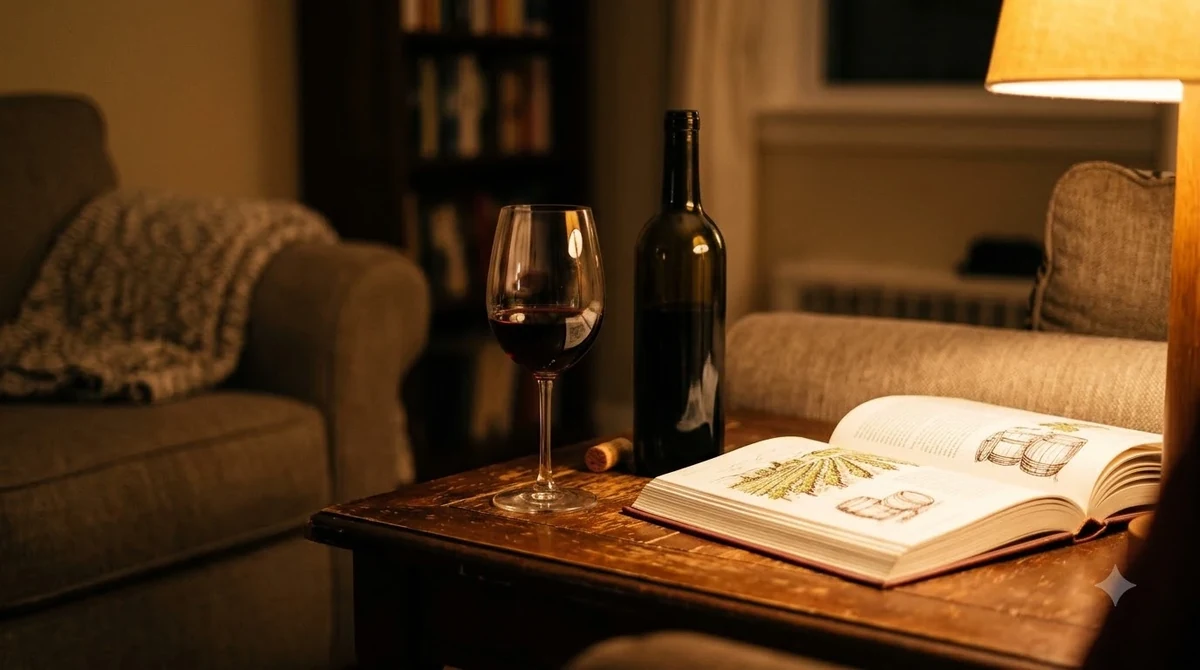
Heat and direct sunlight are the biggest threats to a sealed bottle. Placing bottles on a sunny countertop, near a stove, or on top of a refrigerator exposes the wine to temperature swings and ultraviolet rays that dull fresh citrus, berry, and floral aromatics. Producers like Edenvale recommend storing unopened bottles in a consistently cool pantry, basement, or wine cooler away from fluorescent lighting and vibrating appliances.
Bottle orientation depends entirely on the closure. Most modern non-alcoholic wines use screw caps or crown caps, which allow you to store bottles upright without worrying about air seeping past a dried-out seal. If you buy a bottle sealed with a natural cork, laying it horizontally keeps the cork moist and swollen against the glass neck. Always check the best-by date printed on the back label, as unopened bottles generally peak within one to two years of bottling.
If you want to explore how long does non alcoholic wine last unopened across specific packaging formats, keep in mind that clear glass bottles degrade faster under kitchen lights than dark green or amber glass. Storing lighter-colored bottles inside a closed cabinet gives them extra protection until you are ready to chill and open them.
How to Store Non-Alcoholic Wine After Opening
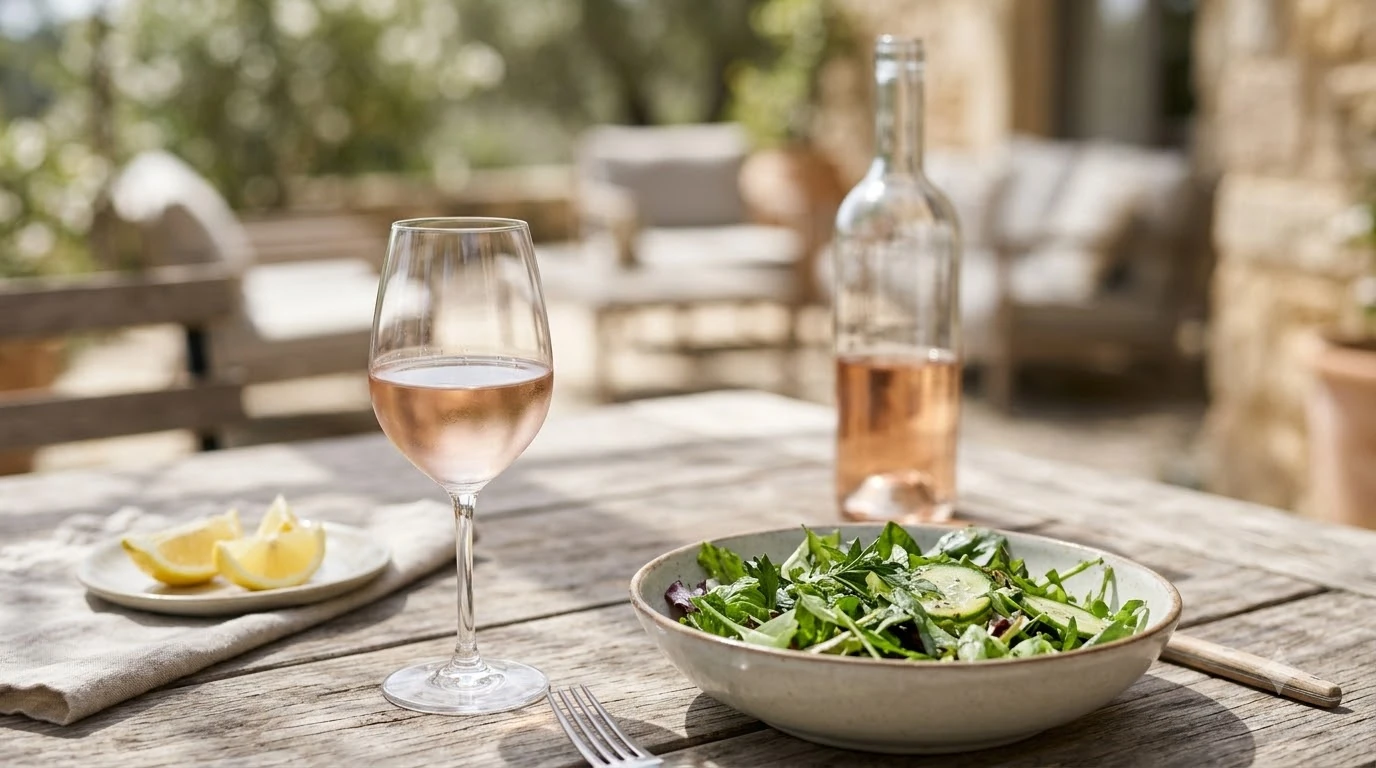
Once uncorked, every style of non-alcoholic wine should be resealed tightly and placed upright in the refrigerator within thirty minutes of pouring. Cold temperatures slow down both chemical oxidation and microbial activity, preserving crispness for two to five days depending on the style.
Oxygen begins flattening aromas the moment air replaces poured liquid inside the bottle. Standing the bottle upright in the fridge minimizes the surface area of wine exposed to trapped air in the neck, whereas laying an opened bottle on its side dramatically increases oxygen contact. Use the original screw cap if it threads cleanly, or insert a snug rubber wine stopper or vacuum pump stopper to pull excess air out of the headspace.
Sparkling non-alcoholic wines require extra attention because dissolved carbon dioxide escapes rapidly once the pressure is released. Standard still-wine corks or loose plastic caps will not hold pressure, leaving your bubbly flat by the following morning. Snap a hinged sparkling wine stopper over the lip of the bottle immediately after pouring, keep it chilled at the back of the refrigerator where temperatures stay coldest, and plan to finish the bottle within twenty-four to forty-eight hours.
Tip: Even though opened non-alcoholic red wine must be stored in the refrigerator, take your poured glass out of the fridge 15 to 20 minutes before drinking so the fruit and tannin structure open up at cellar temperature.
Storage Lifespan and Temperature Guide by Wine Style
Different styles of alcohol-removed wine hold their freshness for varying lengths of time once opened, and each benefits from tailored chilling temperatures before serving. Reviewing the storage benchmarks below makes it easy to plan how quickly to finish an open bottle.
| Wine Style | Unopened Storage | Opened Fridge Life | Ideal Serving Temp | Recommended Closure |
|---|---|---|---|---|
| Still White & Rosé | Cool, dark pantry (55°F–68°F) | 3 to 5 days | 45°F–54°F (7°C–12°C) | Original screw cap or vacuum stopper |
| Still Red Wine | Cool, dark pantry (55°F–68°F) | 2 to 3 days | 54°F–64°F (12°C–18°C) | Original screw cap or vacuum stopper |
| Sparkling White & Rosé | Cool, dark pantry or fridge | 1 to 2 days | 43°F–46°F (6°C–8°C) | Hinged sparkling wine stopper |
| Aromatic & Sweet Whites | Cool, dark pantry (55°F–68°F) | 3 to 5 days | 45°F–50°F (7°C–10°C) | Original screw cap or airtight stopper |
Notice that still white and rosé styles often hold up a day or two longer in the fridge than dealcoholized reds. Higher natural acidity acts as a gentle buffer against flatness, whereas reds rely heavily on delicate fruit esters and oak notes that fade quickly once oxidized. Knowing what does non alcoholic wine taste like when fresh makes it much easier to spot when an open bottle has begun losing its vibrancy.
For readers comparing different grapes and production styles across our Wine by Type hub, remember that lower-acid, full-bodied reds are the most sensitive to warm rooms. Never leave an open bottle of non-alcoholic red sitting on a dining table overnight expecting it to behave like a conventional Cabernet Sauvignon.
Common Storage Mistakes and Signs of Spoilage
Avoiding a few everyday kitchen habits prevents premature flavor loss, while knowing the sensory cues of spoilage ensures you never pour a compromised glass. Most storage failures happen when people treat alcohol-free bottles identically to standard high-proof wine.
Freezing an unfinished bottle is one of the most common missteps. Although lower alcohol content means non-alcoholic wine freezes at a higher temperature than regular wine, freezing expands the liquid, pushes out corks or cracks glass, and disrupts delicate flavor compounds and natural sediment upon thawing. Similarly, storing bottles in the refrigerator door exposes them to repeated warm air blasts and constant door vibrations every time someone reaches for milk.
Because non-alcoholic wines lack ethanol’s antimicrobial shield, an open bottle kept too long or stored in a warm spot can occasionally referment or spoil. Always inspect the bottle before pouring if it has been open for several days. Discard the remaining wine immediately if you notice any of the following warning signs:
- Unexpected fizz or pressure: Bubbles, a hiss upon uncorking, or a bulging screw cap on a still wine indicate that stray yeast has started fermenting residual sugars.
- Off aromas: Sharp vinegar notes, sour dairy smells, nail-polish remover, or damp cardboard aromas signal oxidation or bacterial spoilage.
- Visual changes: Sudden cloudiness, floating specks, stringy sediment, or a dull brownish tint in a wine that poured clear and bright on day one means the bottle is past its prime.
Frequently Asked Questions
Does unopened non-alcoholic wine need to be refrigerated?
No, unopened bottles do not require refrigeration as long as you keep them in a cool, dark cabinet or pantry away from direct sunlight and heat sources. However, chilling white, rosé, and sparkling bottles in the fridge a few hours before serving ensures they reach their ideal crisp temperature.
Why do you have to refrigerate opened non-alcoholic red wine?
Without alcohol to act as a natural preservative, opened red non-alcoholic wine oxidizes and attracts airborne microbes much faster than traditional red wine. Storing it upright and tightly sealed in the refrigerator slows down flavor degradation so it stays fresh for two to three days.
Can you use a vacuum wine pump on non-alcoholic wine?
Yes, a rubber vacuum stopper and hand pump work well on still non-alcoholic red, white, and rosé wines by removing oxygen from the headspace above the liquid. Never use a vacuum pump on sparkling non-alcoholic wine, as pumping out the gas will flatten the bubbles immediately.
Is non-alcoholic wine safe to drink past its best-by date?
An unopened bottle stored in a cool, dark place is generally safe to drink shortly after its best-by date, though its fresh fruit aromas and crisp acidity may taste muted. Always check for cloudiness, bulging caps, or sour off-odors before drinking, and discard any bottle that looks or smells unusual.
With a cool pantry spot for sealed bottles and a quick trip to the refrigerator once uncorked, keeping alcohol-free wine fresh requires minimal effort. Follow the best-by dates on the label, seal opened bottles upright, and enjoy each pour while its bright aromatics are at their peak.
More in Wine Types & Grapes
 Zinfandel Sugar Content: Dry Red vs. White Zinfandel GramsUpdated Nov 21, 2026
 Best Zinfandel Substitute Options for Sipping and CookingUpdated Nov 21, 2026
 Zweigelt Food Pairing: Best Dishes, Cheeses, and Serving TipsUpdated Nov 21, 2026
 Zinfandel Tannins Explained: How Structure Shapes Every BottleUpdated Nov 21, 2026
 Zinfandel Sweetness Level: Dry Red vs. Sweet White Zin ExplainedUpdated Nov 21, 2026
 Xinomavro Food Pairing: Best Dishes, Styles, and Serving TipsUpdated Nov 21, 2026