

We may earn a commission when you buy through links on this page, at no extra cost to you. Learn more.
Argyle wine price typically ranges from about $20 to $35 for standard Pinot Noir and sparkling bottles, while vineyard-designated wines and extended-tirage releases can cost considerably more. Argyle Winery produces Oregon wines in several categories, including Pinot Noir, Chardonnay, Riesling, and traditional-method sparkling wine. The amount you pay depends on the bottle, vineyard designation, vintage, production style, and retailer. Understanding those differences makes it easier to choose an Argyle bottle that matches your budget and the occasion.
Argyle is an established name in Oregon wine, particularly for sparkling wine and Willamette Valley Pinot Noir. Its selection covers accessible bottles for everyday meals as well as more specialized releases intended for celebrations and wine enthusiasts. A useful starting point is to separate standard regional wines from reserve, vineyard-designated, and extended-tirage selections. That distinction explains much of the variation in Argyle’s retail pricing and helps prevent comparisons between bottles that serve different purposes.
Who Should Buy Argyle Wine?
Argyle is a good choice for shoppers interested in Oregon Pinot Noir, refined sparkling wine, and wines with a recognizable regional identity. Its range suits both casual drinkers looking for a bottle around the mid-$20s and wine enthusiasts interested in more specialized vineyard selections.
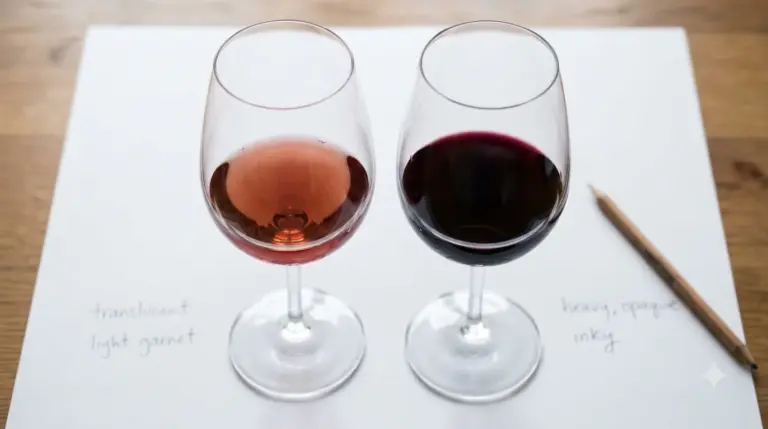
The winery’s Willamette Valley Pinot Noir is a sensible introduction. Pinot Noir from this Oregon region is generally appreciated for fresh acidity, red-fruit character, and moderate tannin rather than the heavier structure associated with Cabernet Sauvignon. It can work with roast chicken, mushroom dishes, grilled salmon, pork tenderloin, and meals featuring herbs.
Shoppers interested in celebrations should also consider Argyle’s sparkling selection. The portfolio includes Brut, Brut Rosé, and Blanc de Blancs styles, giving buyers alternatives to inexpensive mass-market sparkling wine. These bottles can serve as aperitifs, accompany seafood, or provide a distinctive option for birthdays and holiday gatherings.
There are several types of buyers who may find the range particularly useful:
- Pinot Noir drinkers: Those who enjoy Oregon reds and want to compare regional blends with vineyard-designated selections.
- Sparkling wine enthusiasts: Buyers interested in Oregon-produced traditional-method sparkling wines rather than only Champagne or Prosecco.
- Occasional wine buyers: Shoppers who want a recognizable winery for dinners, gifts, and celebrations.
- Wine collectors: Enthusiasts interested in individual vineyards, older releases, and extended-tirage sparkling bottles.
- Food-focused shoppers: People looking for wines with enough acidity to accompany poultry, seafood, mushrooms, and moderately rich dishes.
Argyle may be less suitable for shoppers whose only priority is finding the lowest possible price for an uncomplicated everyday wine. Its vineyard-designated and specialized sparkling selections can cost substantially more than basic supermarket bottles. Buyers should decide whether they value the specific grape, vineyard, production method, and regional character before paying a premium.
For a closer look at the winery’s range and its Oregon identity, explore this overview of Argyle wine. It helps put individual bottle prices into context rather than treating every release as an interchangeable product.
Key Factors to Compare Before Buying
The most useful price comparison considers wine category, production style, vineyard designation, and vintage together. Two Argyle bottles may have the same grape variety but occupy very different positions in the winery’s range.
Start by identifying whether the bottle is a standard regional wine or a more specialized release. A Willamette Valley Pinot Noir is not directly equivalent to a Pinot Noir from a named vineyard. Vineyard-specific wines identify a particular growing site, while standard regional bottlings offer a broader expression of the region.
Argyle’s official wine collection and current bottlings illustrate this range. It includes regional wines such as Willamette Valley Pinot Noir and Chardonnay, along with wines associated with Knudsen Vineyard, Spirit Hill Vineyard, and Lone Star Vineyard. The collection also includes Blanc de Blancs, Brut Rosé, and extended-tirage sparkling wines.
| Wine category | Typical US retail range | What influences the price | Best buying purpose |
|---|---|---|---|
| Regional Pinot Noir | About $20–$35 | Vintage, retailer, availability | Everyday dinners and introductions |
| Regional Chardonnay | About $20–$35 | Vintage and release | Seafood, poultry, and casual meals |
| Vintage Brut | About $20–$40 | Release and production style | Celebrations and aperitifs |
| Brut Rosé | About $20–$40 | Vintage and bottling | Brunch and festive occasions |
| Blanc de Blancs | About $30–$70 | Release and vineyard designation | Special dinners and sparkling wine enthusiasts |
| Vineyard-designated Pinot Noir | About $40–$90 | Vineyard, vintage, and selection | Focused regional comparisons |
| Extended-tirage sparkling wine | About $50–$120 or more | Extended aging and specific release | Special occasions and collectors |
These are practical shopping estimates rather than guaranteed winery price bands. For the 2024 Argyle Pinot Noir, VinoAlert’s tracked US retail listings show a displayed average of about $27 per 750 ml bottle across 48 retailer offers, with individual offers varying by store. The winery’s own collection lists that vintage at $30. Prices vary by state and retailer, and shipping and taxes can change the final amount.
Vintage and bottle size
Vintage is particularly important for Pinot Noir. A 2024 regional bottling and an older 2018 bottle are separate releases, even if the grape variety and winery are identical. Older bottles are not automatically better purchases: their storage history, availability, and drinking condition all matter.
Bottle size is another consideration. A standard 750 ml bottle is the most straightforward unit for comparing everyday retail prices. Magnums contain 1.5 liters, equivalent to two standard bottles, and can have different availability and pricing structures. Always compare the same size before deciding which offer represents better value.
Production method and aging
Argyle’s sparkling range includes traditional-method wines. In this method, the second fermentation takes place inside the bottle, producing the carbonation. Extended-tirage releases spend additional time aging on their lees before release, which can contribute to more developed flavors and a more complex texture.
These wines should not be compared only by grape variety or bottle size. Production choices, time spent aging, and the character of the release can explain a higher price. A standard Brut and an extended-tirage Brut may both be sparkling wines, but they are intended for different buying priorities.
Tip: Compare the same Argyle wine across at least three retailers, using the same vintage and bottle size. This gives a more meaningful picture of its typical retail value than comparing unrelated bottles from the same winery.
Step-by-Step: How to Find the Right Argyle Bottle
A simple buying process helps identify a suitable wine without paying for features you do not need. Start with the occasion and preferred style, then compare the exact release and the final checkout cost.
- Set your spending range.
Decide how much you want to spend on a 750 ml bottle. A budget around $25 to $35 gives you a practical starting point for comparing regional Pinot Noir, Chardonnay, and standard sparkling selections. If you are considering a vineyard-designated release, allow for a larger budget.
- Choose the wine category.
Choose Pinot Noir for a lighter-bodied red with fresh acidity, Chardonnay for a versatile white, or Brut for a sparkling option. Brut Rosé provides another sparkling alternative, particularly for celebrations and meals where a red-fruit profile is appealing.
- Identify the exact bottling.
Look at the complete wine name, including the vintage and vineyard designation. For example, Knudsen Vineyard Pinot Noir and Willamette Valley Pinot Noir are different selections. Avoid treating them as equivalent simply because both are Pinot Noir.
- Compare several retailers.
Check specialist wine shops, regional retailers, and larger stores. VinoAlert provides a useful way to compare multiple listings for the same wine and separate vintage-specific offers. Also check whether the retailer can ship to your state.
- Calculate the final cost.
Include shipping, applicable taxes, and any minimum-order requirements. A bottle with a lower listed retail price may become more expensive once delivery is included. Local pickup can be preferable when a nearby store carries the exact release.
- Consider the occasion.
For a weeknight meal, a regional Pinot Noir or Chardonnay is often a practical choice. For an anniversary dinner or a holiday celebration, a vineyard-designated Pinot Noir or extended-tirage sparkling wine may offer a more distinctive experience.
- Check the vintage and condition.
Make sure the vintage matches the listing and inspect the bottle for signs of leakage or poor storage if buying in person. Older wines deserve additional attention because their quality depends partly on how they have been stored.
- Choose a suitable serving plan.
Consider when the bottle will be opened and what food will accompany it. Chill sparkling wine to approximately 40–50°F, serve light whites at 45–50°F, and serve Pinot Noir at approximately 55–60°F.
This process is especially useful for buyers comparing different Argyle releases online. It separates genuine differences in wine style and production from differences that are simply caused by retailer pricing.
Argyle Wine Types and Styles Explained
Argyle makes several wine styles, with Pinot Noir and sparkling wine among its most recognizable categories. Understanding the differences helps explain why bottles from the same producer can occupy quite different retail price ranges.
Willamette Valley Pinot Noir
Pinot Noir is a useful starting point for anyone exploring Oregon wine. Willamette Valley expressions are generally associated with fresh acidity, red cherry, raspberry, earthy notes, and moderate tannin. The wines can be versatile at the dinner table without the heavier structure of many Cabernet Sauvignon bottlings.
Argyle’s regional Pinot Noir is the type to consider for general drinking and food pairing. It can accompany roast chicken, grilled pork, mushroom risotto, salmon, and dishes featuring roasted vegetables. A lighter serving temperature helps preserve its freshness and aromatic character.
VinoAlert’s retailer listings for the 2024 Argyle Pinot Noir show a broad range of offers, with an average around $27 per 750 ml bottle across its tracked listings. The winery’s own listed price is $30 for that vintage. Prices vary by state and retailer, and these figures should be treated as a comparison snapshot rather than a guaranteed shelf price.
Vineyard-designated Pinot Noir
Vineyard-designated Pinot Noir is a more focused expression of the grape. Argyle’s collection includes wines associated with Knudsen Vineyard, Spirit Hill Vineyard, and Lone Star Vineyard. These names identify specific vineyard sources rather than simply describing the broader Willamette Valley region.
These wines can be useful for enthusiasts who want to compare how different vineyard locations influence the finished wine. Soil, elevation, exposure, growing conditions, and vintage all contribute to differences in aroma, texture, and structure.
Because these bottlings occupy a more specialized part of the portfolio, buyers should expect a higher potential cost than for regional wines. They are particularly suitable for dinner parties, focused wine tastings, and buyers who already know they enjoy Oregon Pinot Noir.
Chardonnay
Argyle’s Chardonnay selection gives white wine drinkers an alternative to its red and sparkling bottlings. Chardonnay generally has medium acidity, although the finished wine’s texture and flavor depend on growing conditions and winemaking decisions.
A regional Chardonnay can be a flexible dinner wine for roast chicken, grilled shrimp, creamy pasta, and seafood dishes. Serve fuller-bodied Chardonnay around 50–55°F to maintain freshness without suppressing its aromas.
Argyle’s official collection lists its 2022 Willamette Valley Chardonnay at $28, providing a useful reference point for the regional category. Retailer prices can differ, and prices vary by state and retailer.
Vintage Brut and Brut Rosé
Brut is a dry sparkling wine style that works well as an aperitif or with a wide selection of foods. Argyle’s sparkling portfolio includes Vintage Brut and Brut Rosé, offering both traditional sparkling-wine character and a pink alternative.
Brut Rosé is particularly appealing for brunch, appetizers, smoked salmon, soft cheeses, and lighter poultry dishes. Its red-fruit associations can make it a good choice when a meal includes berries, charcuterie, or moderately salty foods.
Argyle’s official collection lists its 2022 Vintage Brut Rosé at $32 and its 2022 Vintage Blanc de Blancs at $32. These are winery-listed reference prices, not guaranteed prices at every US retailer. Prices vary by state and retailer.
Blanc de Blancs and Extended-Tirage Sparkling Wine
Blanc de Blancs means white wine made from white grapes. In sparkling wine, the term is commonly associated with Chardonnay. It is a useful style to consider for shoppers who prefer a more focused white-fruit and citrus profile.
Extended-tirage releases are another part of Argyle’s more specialized selection. Additional aging on the lees can contribute to flavors and aromas associated with bread, pastry, and toasted nuts. These wines can be especially appealing to people who enjoy traditional-method sparkling wine and want something more developed than a straightforward aperitif bottle.
They are not necessarily the right purchase for someone seeking an inexpensive sparkling wine for casual cocktails. Their appeal lies in their production approach, complexity, and suitability for more considered occasions.
Shoppers comparing sparkling styles across producers may also want to consider La Marca Prosecco. Prosecco is generally made using the tank method, while Argyle’s traditional-method sparkling wines undergo their second fermentation in the bottle. The production difference helps explain why these wines offer different textures and drinking experiences.
Common Mistakes When Comparing Argyle Prices
The biggest buying mistakes involve comparing different vintages, treating all Pinot Noir as the same product, and overlooking the difference between regional and vineyard-designated wines. A little attention to the bottle details can make online comparisons considerably more accurate.
Comparing unrelated wines
A regional Pinot Noir should not be compared directly with a vineyard-designated Pinot Noir as though the two were identical products. The same applies to standard Brut and extended-tirage sparkling wine. Their production choices and positioning differ.
Compare like with like. Match the wine category, vintage, size, and designation before deciding whether one retailer offers a better value than another.
Assuming the oldest vintage is the best
Age alone does not establish quality or value. Pinot Noir can develop more savory and earthy characteristics with bottle age, but the wine’s storage history is important. An older bottle that has experienced temperature fluctuations may be less appealing than a younger release stored under appropriate conditions.
For immediate drinking, a recent regional release is often easier to assess. For older bottles, prioritize reputable retailers and clear information about storage and provenance.
Ignoring shipping and tax
Online listings do not always represent the final amount a buyer pays. Shipping fees, taxes, delivery restrictions, and minimum purchase quantities can change the total considerably.
This matters particularly for buyers ordering one or two bottles from specialist retailers. A slightly higher local retail price may be more economical than paying for separate delivery.
Confusing sparkling styles
Not every sparkling wine offers the same level of sweetness or production complexity. Brut is generally dry, while Extra Dry is actually slightly sweeter than Brut. Extended-tirage sparkling wines also differ in their aging approach from more straightforward releases.
Buyers should select the style according to their preferred sweetness, texture, and occasion rather than assuming that every sparkling bottle from one winery will taste alike.
Buying a premium bottle for the wrong occasion
A specialized vineyard-designated Pinot Noir can be interesting for a focused tasting, but it may be unnecessary for a large casual gathering. Likewise, an expensive sparkling wine may be wasted in a heavily mixed cocktail where its more detailed aromas are difficult to appreciate.
Match the bottle to the meal and the people drinking it. A standard regional wine can be the more sensible purchase for everyday entertaining, leaving specialized releases for occasions where their differences can be appreciated.
Shoppers comparing Argyle with more widely distributed everyday labels can also browse Barefoot wine to understand how different brands serve different budgets and occasions. The comparison is about buying priorities rather than treating the wines as equivalent styles or production categories.
Care and Storage Tips for Argyle Wine
Proper storage protects the character of an Argyle bottle and helps prevent premature deterioration. Temperature stability, limited exposure to light, and suitable serving temperatures matter for both still and sparkling wines.
Store bottles correctly
For bottles sealed with natural cork, horizontal storage helps maintain contact between the cork and the wine. A cool storage environment near 55°F is a useful target, provided the temperature remains relatively stable.
Avoid storing wine beside ovens, radiators, or windows exposed to direct sunlight. Repeated temperature changes can be particularly damaging, especially for bottles intended to develop in the cellar.
Use the right serving temperature
Serving temperature can change how a wine smells and tastes. Excessive warmth can make alcohol more noticeable, while excessive chilling can suppress aromas and make a wine seem less expressive.
- Sparkling wines: Serve at 40–50°F.
- Light whites: Serve at 45–50°F.
- Fuller-bodied whites: Serve at 50–55°F.
- Pinot Noir: Serve at 55–60°F.
For sparkling wine, chill the bottle before opening and handle the cork carefully. Keep one hand over the cork, loosen the cage, and turn the bottle slowly rather than pulling the cork forcefully. A controlled opening preserves more carbonation and reduces the risk of spills.
Allow young red wine to breathe when appropriate
Some young, fuller-bodied red wines benefit from 30–60 minutes of decanting. Pinot Noir, however, is often more delicate than Cabernet Sauvignon or Syrah, so extended aeration is not automatically necessary. Taste the wine after opening and decide whether additional air improves its expression.
Preserve opened bottles
Once opened, still wine generally keeps for approximately three to five days in the refrigerator when properly resealed. Sparkling wine typically keeps for one to three days when stored with a suitable sparkling-wine stopper.
Keep opened white and red wines refrigerated, including red wines that were originally served at a warmer temperature. Allow a red to warm gradually before serving again. The refrigerator slows oxidation and helps preserve the wine’s freshness.
For a bottle purchased specifically for a future occasion, avoid opening it prematurely simply because it is available. Store it correctly, then serve it with a meal that suits its style. Pinot Noir is particularly enjoyable with mushrooms, poultry, and salmon, while Brut sparkling wine offers greater flexibility for appetizers and seafood.
Frequently Asked Questions
Is Argyle considered an Oregon wine producer?
Yes. Argyle is based in Dundee, Oregon, in the Willamette Valley. Its portfolio includes regional Oregon wines as well as selections associated with individual vineyard sites. The winery is particularly recognized for its sparkling wines and Pinot Noir.
Does Argyle make sparkling wine using the traditional method?
Yes. Argyle produces traditional-method sparkling wines, in which the second fermentation takes place inside the bottle. This differs from the tank method commonly used for Prosecco. Extended-tirage releases also involve additional time aging on the lees.
What grape varieties are used in Argyle sparkling wines?
Argyle’s sparkling selection includes Blanc de Blancs, Brut, and Rosé bottlings. Blanc de Blancs traditionally identifies a white sparkling wine made from white grapes, commonly Chardonnay. Pinot Noir and other permitted varieties can also be used in traditional-method sparkling blends, depending on the specific bottling.
How many glasses can you pour from one Argyle bottle?
A standard 750 ml bottle provides approximately five servings when poured at the usual 5 oz serving size. A 1.5-liter magnum provides approximately ten similar servings. Sparkling wine may be poured in smaller servings depending on the glassware and occasion.
Can Argyle wine be shipped directly from the winery?
Argyle offers online wine purchasing and direct shipping through its winery website, subject to applicable shipping restrictions. Alcohol shipping rules vary by destination, and not every release is necessarily available for delivery to every state. Buyers can also visit the Dundee Tasting House or look for Argyle through local wine retailers.
Argyle offers a broad selection of Oregon Pinot Noir, Chardonnay, and traditional-method sparkling wines, with prices reflecting the differences between regional bottlings, vineyard selections, and specialized releases. For most shoppers, starting with a regional Pinot Noir or standard sparkling wine provides a practical introduction before exploring more expensive bottles. Compare the exact vintage and bottle size across retailers, and choose the style that best fits your budget, meal, and occasion. For additional producer comparisons and buying information, visit the Wine Brands section.
More in Wine Brands
 Infinite Monkey Theorem Wine Review: How to Choose the Right StyleUpdated Nov 21, 2026
 Is Alamos Wine Good? How to Choose the Right BottleUpdated Nov 21, 2026
 Hampton Water Wine Price: Understand Bottle Costs and ValueUpdated Nov 21, 2026
 Hess Select Wine Price: Compare Bottles and Find Your Best ValueUpdated Nov 21, 2026
 Grahams Port Price: Compare Bottles and Choose the Right PortUpdated Nov 21, 2026
 Grahams Port Review: Find the Right Style for Your TasteUpdated Nov 21, 2026