

We may earn a commission when you buy through links on this page, at no extra cost to you. Learn more.
When comparing albarino vs viognier, the main difference comes down to crisp coastal acidity versus rich, perfumed weight. Albariño is a high-acid, light-to-medium-bodied white wine from Spain and Portugal defined by lemon zest, nectarine, and sea-spray salinity. Viognier is a full-bodied, low-to-medium-acid white grape from France’s Northern Rhône Valley prized for its lush, oily texture and intense aromas of peach, tangerine, and honeysuckle.
Both grapes produce dry, aromatic white wines that offer a compelling alternative to mainstream Chardonnay or Sauvignon Blanc, yet they occupy opposite ends of the white wine spectrum. Understanding how their structure, alcohol levels, and growing climates diverge makes it easy to pick the right bottle for any meal or mood.
What Is the Core Difference Between Albariño and Viognier?
Albariño and Viognier are both dry white grape varieties known for expressive fruit aromatics, but they differ sharply in body, acidity, and alcohol. While Albariño delivers brisk refreshment and a salty mineral edge, Viognier coats the palate with round, viscous weight and heady floral perfume.
According to Wine Folly’s comprehensive guide to Albariño, this Iberian grape—known as Alvarinho in Portugal—thrives in cool, Atlantic-influenced vineyards where grapes retain high natural acidity and moderate alcohol. Winemakers almost always ferment Albariño in stainless steel to preserve its bright citrus snap and delicate coastal character, though a small subset of producers age top bottlings on their lees for added mid-palate roundness.
Viognier (pronounced vee-own-yay) takes the opposite approach in both vineyard and cellar. As Wine Folly’s guide to Viognier notes, this Northern Rhône variety requires warm, sunny conditions to reach full phenolic ripeness, frequently resulting in alcohol levels between 13.5% and 15% ABV. Its signature oily mouthfeel and low-to-medium acidity make it feel closer in weight to an oaked Chardonnay than a zesty coastal white.
| Attribute | Albariño (Alvarinho) | Viognier |
|---|---|---|
| Origin | Galicia (Spain) and Vinho Verde (Portugal) | Northern Rhône Valley (France) |
| Body | Light to medium | Full |
| Acidity | High | Medium-low |
| Typical ABV | 11.5% to 13% | 13.5% to 15% |
| Sweetness | Dry | Dry (with sweet-smelling fruit) |
| Primary Aromas | Lemon zest, grapefruit, nectarine, saline | Peach, tangerine, mango, honeysuckle, rose |
| Texture | Crisp, mouthwatering, slight pithy grip | Lush, round, characteristically oily |
| Serving Temp | 38°F to 45°F (3°C to 7°C) | 45°F to 55°F (7°C to 12°C) |
Flavor and Styles: Crisp Salinity vs. Lush Stone Fruit
Albariño tastes tart, bright, and distinctly oceanic, whereas Viognier tastes plush, floral, and spice-tinged. Even though both grapes share stone-fruit notes like peach and nectarine, their supporting flavors and textures create completely different drinking experiences.
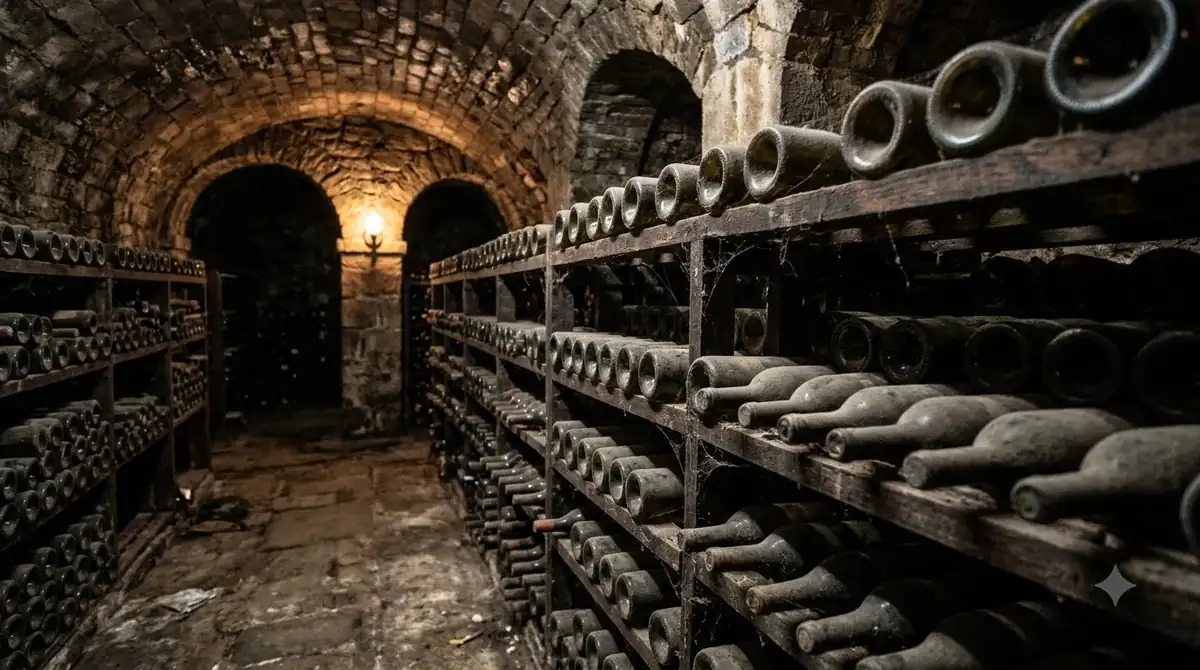
In a glass of Albariño, primary flavors center on Meyer lemon, grapefruit, honeydew melon, and crisp nectarine. What sets the grape apart from other high-acid whites—a contrast explored in our breakdown of albarino vs pinot grigio—is a persistent saline streak and a subtle bitter almond or citrus-pith finish. Most bottles are un-oaked and meant to be enjoyed young for maximum freshness, though high-acid examples aged on their lees can develop savory, nutty complexity over three to five years.
Viognier announces itself the moment it hits the glass thanks to high concentrations of aromatic terpene compounds like linalool and geraniol in its skins. Reviewers and wine educators highlight intense scents of ripe apricot, tangerine, mango, honeysuckle, and rose petal. Because the wine smells so sweet and tropical, first-time drinkers are often surprised to find that classic Viognier is fermented completely dry. Producers craft Viognier in two main styles: crisp, stainless-steel expressions that emphasize bright peach and citrus blossom, and oak-aged bottlings that layer vanilla, clove, and creamy spice onto its naturally viscous palate.
If you enjoy the structural comparison between different oak and stainless-steel traditions, seeing how albarino vs chardonnay stacks up offers another clear look at how winemaking shapes white wine weight.
Where They Grow: Misty Atlantic Coasts vs. Sun-Drenched Slopes
Albariño flourishes in cool, rainy maritime climates with granitic soils, while Viognier demands warm, dry hillsides where grapes can ripen slowly without losing aromatic intensity. Their homeland terroirs explain nearly everything about how each grape behaves in the bottle.
Albariño’s historic stronghold is Galicia in northwestern Spain—specifically the Rías Baixas appellation—and neighboring northern Portugal, where it is called Alvarinho. Because Atlantic storms bring heavy rainfall and high humidity, growers train vines overhead on traditional granite pergolas to promote airflow and prevent mildew. Within Rías Baixas, coastal sub-zones like Val do Salnés produce laser-sharp, intensely saline bottles, while warmer inland sub-zones like Condado do Tea yield rounder, fruitier styles. Across the border in Portugal’s Vinho Verde region, the Monção e Melgaço sub-region is renowned for single-varietal Alvarinho with concentrated stone fruit and vibrant acidity. Outside Iberia, California’s cool Central Coast and coastal Uruguay have also earned acclaim for bright, mineral-driven bottlings.
Viognier hails from the steep, sun-baked granite terraces of Condrieu and Château-Grillet in France’s Northern Rhône Valley. Challenging to cultivate and prone to low yields and disease, the grape nearly vanished in the 1960s, when fewer than 30 acres remained planted in Condrieu. Modern plantings have rebounded across France, Italy, California’s Central Coast and Sierra Foothills, Virginia, and South Australia’s Eden Valley. In cooler pockets like Eden Valley and coastal California, winemakers harness brisk ocean or elevation breezes to preserve lively acidity and prevent the wine from feeling heavy.
How to Serve Albariño and Viognier
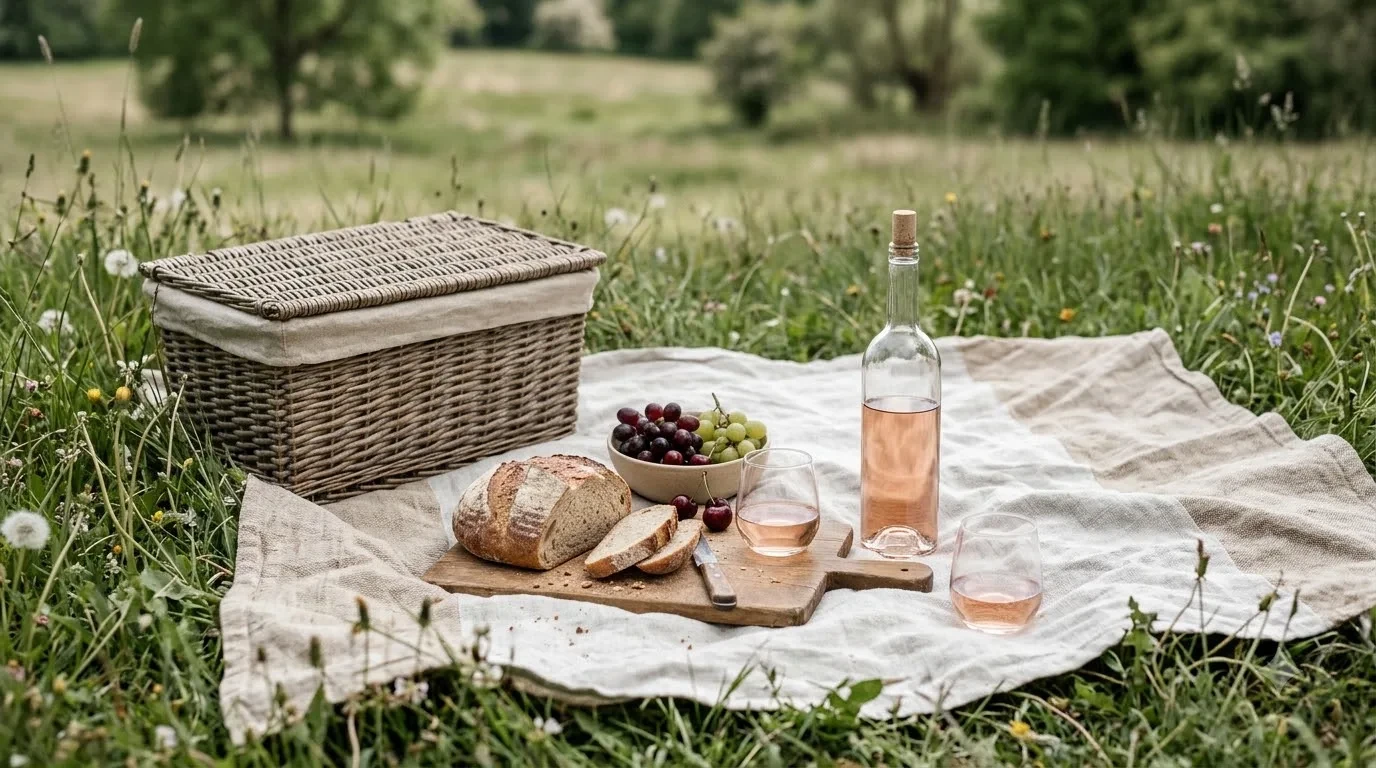
Serve Albariño ice-cold to spotlight its racy acidity, and serve Viognier slightly warmer so its complex floral aromatics can open up without feeling muted. Temperature makes a dramatic difference in how each wine performs at the table.
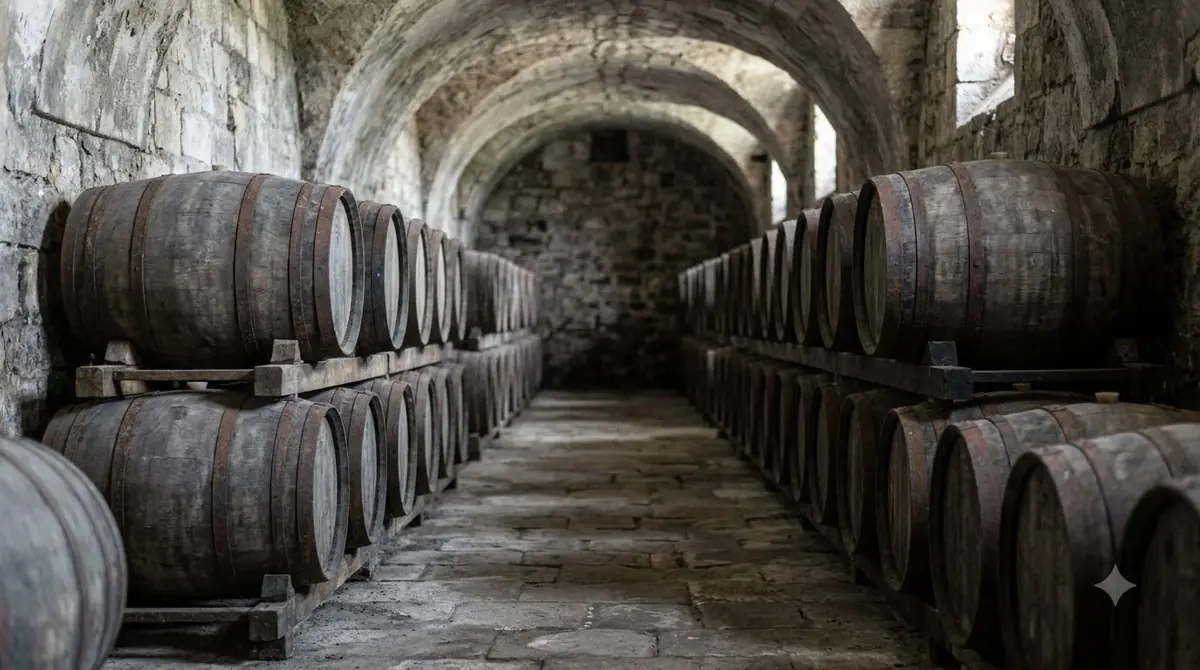
Albariño shows best between 38°F and 45°F (3°C to 7°C), right out of the refrigerator or after a short chill in an ice bucket. Cold temperatures sharpen its citrus snap and coastal minerality, making it deeply refreshing on warm afternoons. Pour it into a standard, narrow-bowled white wine glass to focus its fresh lemon and stone-fruit scents, and skip decanting—young Albariño is built for immediate vibrancy.
Viognier requires a gentler chill, ideally between 45°F and 55°F (7°C to 12°C). Serving Viognier too cold suppresses its signature honeysuckle, rose, and apricot perfume, leaving only alcohol and weight on the palate. Pulling the bottle from the fridge about 15 to 20 minutes before pouring allows the bouquet to bloom. Like Albariño, Viognier rarely needs decanting because its aromas are already pronounced, though a slightly wider white wine bowl helps capture its layered aromatics.
Tip: If a bottle of Viognier tastes heavy or overly warm on the finish, place it in an ice bucket for five to ten minutes—a slight drop in temperature tightens its texture without muting the fruit.
Food Pairing: Coastal Seafood vs. Aromatic Spice and Rich Sauces
Albariño is a natural match for raw shellfish, briny tapas, and herb-driven dishes, whereas Viognier thrives alongside spiced curries, roasted poultry, and creamy sauces. Matching the wine’s weight and acidity to the dish is the secret to effortless pairing.
Because Albariño carries high acidity and natural salinity, it acts like a squeeze of fresh lemon over anything from the sea. Classic pairings include freshly shucked oysters, grilled sardines, shrimp scampi, ceviche, and seafood paella. Its bright green-herb notes also complement dishes dressed with salsa verde, grilled padron peppers, soft burrata, and salty cheeses like feta or aged Manchego.
Viognier’s full body, lower acidity, and ripe stone-fruit character allow it to stand up to rich textures and fragrant spices that would overwhelm a lighter white. Wine educators frequently pair Viognier with mildly spicy Thai curries, Moroccan chicken tagine with apricots and almonds, seared scallops in cream or saffron sauce, and roasted poultry seasoned with tarragon or fennel. Semi-soft nutty cheeses like Jarlsberg or Comté also echo Viognier’s lush fruit and floral notes.
How to Choose Between Albariño and Viognier
Choose Albariño when you want a crisp, lower-alcohol white wine with electric acidity and a clean mineral finish. Choose Viognier when you want a fuller-bodied, richly perfumed white with velvety texture and ripe stone-fruit depth.
If your go-to white wines are Sauvignon Blanc, Pinot Grigio, or unoaked Chablis, Albariño will feel immediately familiar while offering extra stone-fruit charm and a distinctive salty finish. It is also the safer crowd-pleaser for warm-weather gatherings, aperitif hours, and light seafood menus. If you want to explore another crisp Iberian white with a slightly more herbal edge, read our comparison of albarino vs verdejo.
If you gravitate toward full-bodied Chardonnay, Gewürztraminer, or white Rhône blends, Viognier delivers the richness and aromatic drama you are looking for. When shopping for Viognier, check the region on the label to gauge style: bottles from France’s Condrieu or California’s warmer interior valleys tend to be opulent and weighty, while bottlings from Australia’s Eden Valley or coastal California lean brighter and more lifted. For more side-by-side varietal guides, browse our full Wine vs Wine library.
Frequently Asked Questions
Is Viognier sweeter than Albariño?
No, both Albariño and Viognier are typically fermented completely dry with virtually no residual sugar. Viognier often creates the illusion of sweetness because its intense ripe peach, mango, and honeysuckle aromas trick the brain into expecting sugar on the palate.
Which wine has higher alcohol, Albariño or Viognier?
Viognier generally has higher alcohol, typically ranging from 13.5% to 15% ABV due to the warm climates required to ripen its grapes. Albariño grows in cooler coastal regions and usually sits between 11.5% and 13% ABV, giving it a lighter, more refreshing feel.
Can you age Albariño or Viognier?
Most bottles of both wines are crafted to be enjoyed young within one to three years of the vintage date to capture their vibrant fruit and floral aromas. However, top-tier lees-aged Albariño from Rías Baixas and structured Viognier from Condrieu can develop honeyed, nutty complexity over five or more years in a cool cellar.
Why is Viognier sometimes blended with red Syrah?
In France’s Northern Rhône Valley, winemakers traditionally co-ferment a small percentage of Viognier skins with red Syrah. The aromatic compounds in Viognier help stabilize and deepen Syrah’s ruby color while adding lifted floral notes to the finished red wine.
Whether you lean toward the brisk, ocean-kissed acidity of Iberian Albariño or the opulent, floral richness of Rhône-style Viognier, both grapes reward curious white wine drinkers with unmistakable personality. Keep a bottle of Albariño chilled for shellfish nights and reach for Viognier whenever rich sauces or fragrant spices are on the menu.
More in Wine vs Wine
 Nero d’Avola vs Pinot Noir: Taste, Body, and Pairing DifferencesUpdated Nov 21, 2026
 Chenin Blanc vs Pinot Blanc: Key Differences in Taste, Acidity, and PairingsUpdated Nov 21, 2026
 Chardonnay vs Shiraz: Key Differences in Taste, Serving, and PairingUpdated Nov 21, 2026
 Chardonnay vs Verdejo: How Spain’s Crisp White Compares to the World’s ChameleonUpdated Nov 21, 2026
 Chardonnay vs Sancerre: Key Differences in Taste, Grapes, and PairingUpdated Nov 21, 2026
 Chardonnay vs Malbec: Key Differences in Taste, Body, and PairingUpdated Nov 21, 2026