

We may earn a commission when you buy through links on this page, at no extra cost to you. Learn more.
The easiest way to learn how to pronounce nebbiolo is to say neb-BYOH-loh, with three syllables and the stress on BYOH. The Italian pronunciation keeps the “io” together as one quick glide, rather than separating it into “bee-oh.” Hold the double b slightly, then finish with a clear “loh.”
Nebbiolo is the red grape behind famous wines such as Barolo and Barbaresco, so its name appears often on restaurant lists and wine-shop shelves. A little practice makes the Italian sound pattern easier to recognize, and knowing what the name refers to helps you order the right bottle with confidence.
The Italian Pronunciation of Nebbiolo Uses Three Syllables
In standard Italian, Nebbiolo is commonly rendered as neb-BYOH-loh, with the middle syllable carrying the stress. Say it as three beats: “neb,” “BYOH,” and “loh.” The second beat should stand out; the first and last stay lighter.
The International Phonetic Alphabet transcription often given for the word is /nebˈbjɔlo/. The small stress mark comes just before the stressed sound, so it points to the “bio” part rather than the opening “neb” or the ending “lo.” You do not need to learn IPA to say the word well. Treat it as a pronunciation map: a short opening “eh” sound, a joined “byoh,” and a final “loh.”
English speakers sometimes hear or use a four-part version, neh-bee-OH-loh. That version is common enough that a server or wine professional will understand it, but it gives the written i a separate vowel sound. The Italian form is more compact because the “i” glides into the following “o.” If your first attempt comes out with four syllables, do not force the sound unnaturally; simply bring “bee-oh” closer together on the next try.
Think of the middle as the b followed by the y sound in “yes,” then move immediately into “oh.” It is not “BEE-oh” with two evenly weighted vowels, and it is not “BYE-oh” with a strong English long-i sound. A smooth transition from the b into the y-like glide gives the word its Italian rhythm.
Break the Word Into Neb, BYOH, and Loh
The easiest way to practice Nebbiolo is to isolate its three spoken parts, then join them without adding a pause between the middle and final syllables. Keep the short opening vowel, place the emphasis on BYOH, and let the last syllable fall away naturally.
Neb begins with a short “eh” sound, similar to the vowel in “net” for many American speakers. Close your lips for the b at the end. That closure matters because Nebbiolo is spelled with a double b; the consonant is held a little longer than a single b rather than pronounced as two separate explosions. BYOH is the key: start with the b release, move immediately into a light y sound, and open into “oh.” Keep the glide inside one syllable. Do not say “bee” and then begin a separate “oh.” The main stress belongs here, so make BYOH clearer and slightly stronger than the other two parts.
Loh finishes the word. Use a clean Italian-style “o” rather than stretching it into an American diphthong. English speakers often let the vowel in “low” move toward an oo sound; try to keep the mouth shape steady instead. The ending is light, not a second stressed beat. Practice at a measured pace: first say each part separately, then connect them with a small pause after the first syllable, “neb … BYOH-loh.” On the next repetition, remove the pause but keep the stress in the same place. Three careful repetitions are more useful than saying the word ten times quickly while preserving the wrong rhythm. You can tap a finger once on each beat and make the middle tap strongest. After that, say the word in a sentence, such as “I would like a glass of Nebbiolo,” so the pronunciation feels like ordinary conversation instead of a spelling drill.
Tip: Say “neb” once, then repeat “BYOH-loh” twice. Put the parts together only after the middle sound feels natural: neb-BYOH-loh. A brief hold on the b is enough; avoid turning the word into four evenly stressed syllables.
The Double B and Italian Vowel Glide Explain the Spelling
Two spelling features account for most English-language mispronunciations: the double b and the vowel pair io. Italian gives each a more specific sound pattern than many English readers expect, which is why the written word can appear to contain four syllables even though its usual pronunciation has three.
The double b is a long or “geminate” consonant in Italian. In practical terms, the lips close for a slightly longer moment between the first and second syllables. The sound is not a hard stutter and does not require saying “b-b” as two independent letters. Think of it as a held b that crosses the syllable boundary: the first part closes the “neb,” and the second part begins “BYOH.”
The i before o acts as a glide, much like the y sound in “yes.” That is why the middle part is usually written for English readers as “BYOH,” not “bee-oh.” Similar Italian sound patterns appear in Verdicchio, where the ending moves into a y-like sound, and Piemonte, the Italian name for Piedmont. Italian consonant length also matters in familiar wine words such as Prosecco and Valpolicella: their doubled consonants are held rather than treated as decorative spelling. Nebbiolo follows that same principle, but the goal is a slightly longer closure, not a theatrical pause.
English respellings are approximations, not exact phonetic instructions. “Neb-BYOH-loh” is designed to show an English speaker where the beats and emphasis go. A speaker from Piedmont may shape individual vowels differently from an American sommelier, and regional accents can shift the sound slightly. The stable points for a learner are the three-part rhythm, the stressed middle, and the joined “yoh” sound.
Piedmont Places Nebbiolo Behind Barolo and Barbaresco
Nebbiolo is a grape variety from Piedmont in northwestern Italy, and the names most likely to appear beside it are Barolo and Barbaresco. Understanding that distinction makes the pronunciation useful: Nebbiolo is the grape, while Barolo and Barbaresco are wines named for their specific places of origin.
Throughout the Langhe and Roero in Piedmont, Nebbiolo is grown in many municipalities and is used for several named wines. The regional wine organization I Vini del Piemonte describes 32 municipalities in the Langhe and Roero area and notes the role of the Tanaro River in distinguishing local production zones. Barolo and Barbaresco are associated with the area to the river’s right in its description, while Roero lies to the left. The names are not interchangeable: each points to a different place and set of production rules.
| Wine name | Grape composition | Minimum aging | Oak portion |
|---|---|---|---|
| Barolo DOCG | 100% Nebbiolo | 38 months | 18 months |
| Barbaresco DOCG | 100% Nebbiolo | 26 months | 9 months |
Barolo and Barbaresco are both made from 100 percent Nebbiolo. According to Berry Bros. & Rudd’s guide, Barolo must age for at least 38 months, including 18 months in oak, while Barbaresco must age for at least 26 months, including nine months in oak. Those are minimum aging requirements, not the time every bottle spends in a collector’s cellar. Other regional labels include Langhe Nebbiolo, Nebbiolo d’Alba, Gattinara, Ghemme, and Roero. Some bottles name the grape directly, while others put the place name in large type. For a regional overview, the I Vini del Piemonte Nebbiolo profile explains how the variety appears across the Langhe, Roero, Barolo, and Barbaresco areas, and how differences in microclimate, soil, and local tradition produce distinct expressions of the same grape.
Nebbiolo’s Pale Color Contrasts With Its Firm Structure
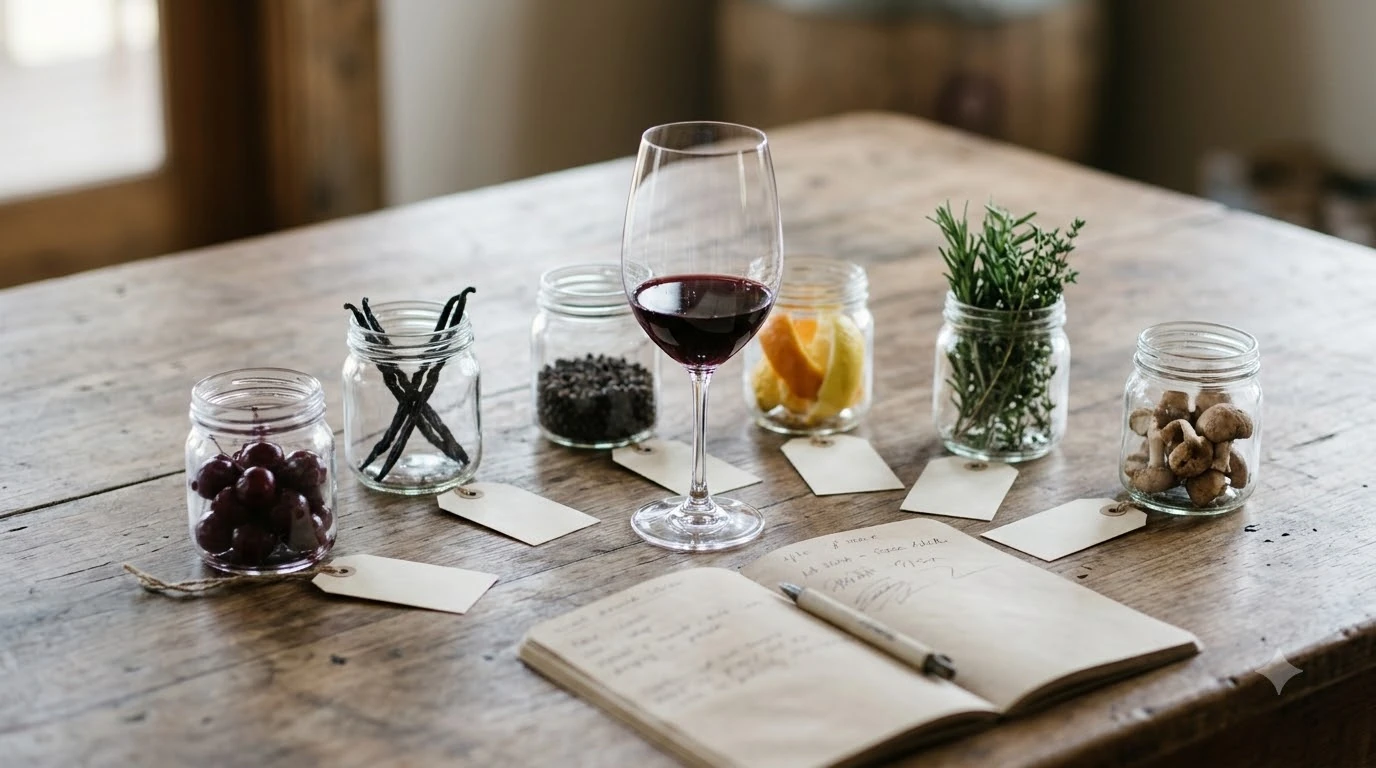
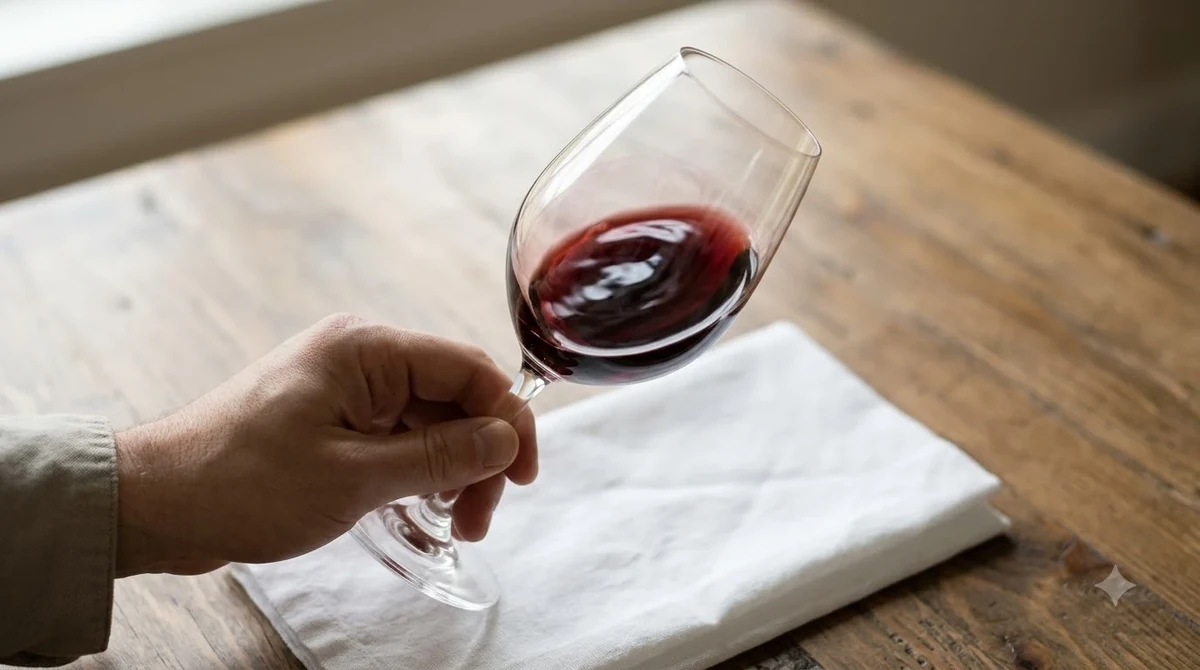
Nebbiolo often looks lighter in the glass than its flavor and structure suggest. Expect a pale ruby or garnet appearance, high acidity, and pronounced tannins, along with aromas commonly described as rose, tar, cherry, and violet.
Wine Enthusiast describes the grape as early-budding and thin-skinned, with a preference for calcareous marl soils and cooler, drier microclimates. The wines can show bright raspberry and cherry when young, with floral notes such as rose and violet. Earth, spice, and tar can also appear, giving Nebbiolo a distinctive profile that does not depend on deep color or heavy-looking texture. With age, aromas and flavors can become more savory: leather, tobacco, truffle, and earth are common descriptors for mature examples, while the color may shift toward a rusty or orange-tinged rim.
The structure can vary by appellation and producer. A young Langhe Nebbiolo may emphasize red fruit and freshness and feel more approachable early. Barolo and Barbaresco can have firmer tannins and may benefit from years of bottle age, although individual styles differ. Berry Bros. & Rudd notes that some bottles may be enjoyed a few years after release, while others can develop over 10, 20, or more years. For a first taste, notice how acidity keeps the fruit lively while tannins create a drying grip along the gums. Then look for the contrast between fresh cherry and floral notes on one side and earthy or tar-like notes on the other. The relatively light color is not a reliable guide to softness; tannin and acidity tell a more useful story. For a young, tightly structured bottle, a little air can make the first pour feel more open. Young full-bodied reds are commonly decanted for 30 to 60 minutes, although the right amount of air depends on the bottle’s age and condition. This practical detail reinforces the central point: Nebbiolo’s pale appearance should not lead you to expect a delicate, low-tannin red.
Order Nebbiolo With Confidence at a Wine Bar or Shop
Once you can say the grape name, use it in a short, natural question rather than trying to perform a perfect Italian accent. Ask for a glass of Nebbiolo, or ask whether the Barolo or Barbaresco on a list is made from Nebbiolo; both approaches make the grape and wine style clear. Useful phrases include, “Do you have a Nebbiolo by the glass?” “I’m interested in a Langhe Nebbiolo,” and “Is this Barbaresco made entirely from Nebbiolo?” At a shop, scan for the grape name on labels from Langhe or Nebbiolo d’Alba, then compare those bottles with Barolo or Barbaresco. The first group often offers a fresher, earlier-drinking expression; the latter names identify appellations known for more structured wines and longer aging requirements.
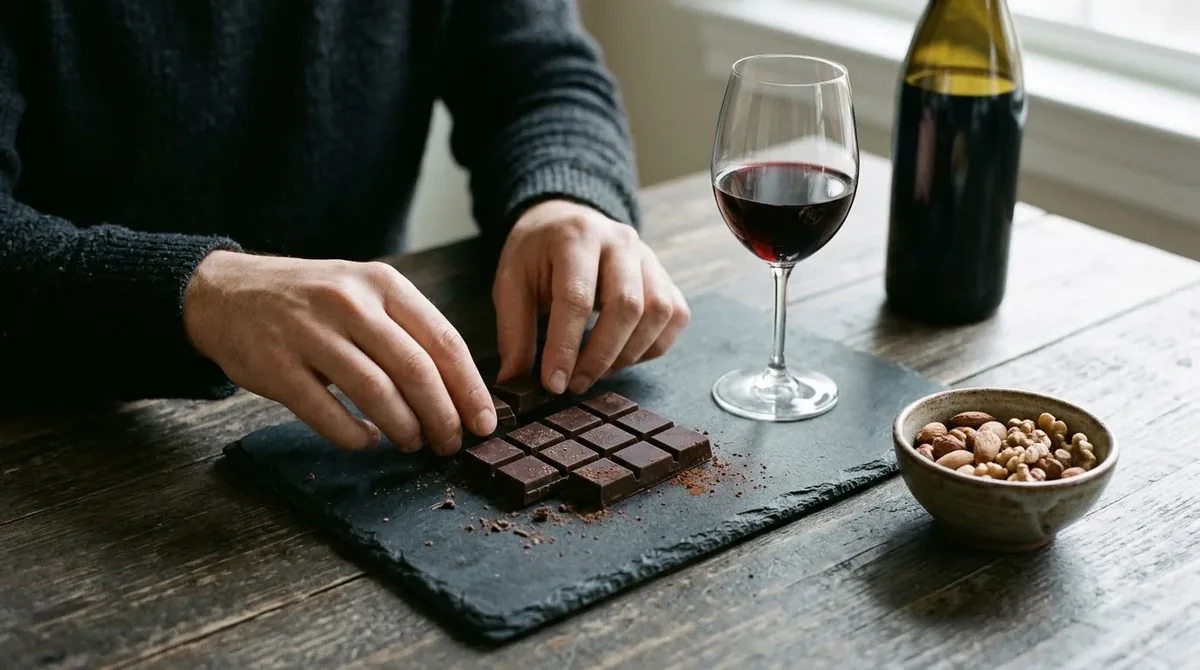
Food can help you decide which expression suits the meal. The firm tannins in a structured Barolo or Barbaresco work well with rich, fatty dishes such as grilled beef, braised meat, mushroom risotto, and truffle pasta. The fat softens the tannic impression, while savory flavors echo the wine’s earthy notes. A younger Langhe Nebbiolo or Nebbiolo d’Alba can be an easier partner for pizza, tomato-based pasta, and roasted vegetables. In the same conversation, you may also encounter French terms such as how to pronounce chardonnay or how to pronounce claret. Treat each name as its own sound pattern rather than assuming that spelling rules from one wine language apply to another.
To build a wider vocabulary, use the site’s guide to how to pronounce cuvee as another short speaking exercise, then browse Wine by Type to connect grape names with the styles and regions on a wine list. For a model of the Italian sound, listen to the Italian Nebbiolo recording on Forvo. Listen once for the overall rhythm, once for the stressed middle syllable, and once more for the held b. Then say it yourself at normal speaking speed rather than trying to match the recording syllable by syllable. A clear “neb-BYOH-loh” is enough; there is no need to imitate every nuance of a regional accent.
Frequently Asked Questions
These five answers cover details that often come up after you learn the three-syllable pronunciation, from regional names to the grape’s range of wine styles.
What is Nebbiolo called in Valtellina?
In Lombardy’s Valtellina valley, Nebbiolo is known locally as Chiavennasca. The name appears on regional wine material and helps explain why a Valtellina label may not use the more widely recognized grape name.
Can Nebbiolo be used to make wines other than still red wine?
Yes. Wine Enthusiast lists Nebbiolo among grapes used for red, rosé, sparkling, and dessert wines, although dry still red wine is its best-known expression. The familiar Barolo and Barbaresco styles are red wines.
How old is the written record of Nebbiolo?
A reference to a grape called “nibiol” near Turin is reported from 1268. The historic spelling differs from the modern name, but it shows that the variety has a long documented connection with Piedmont.
When is Nebbiolo usually harvested in the Langhe?
Nebbiolo is a late-ripening grape, and harvest in the Langhe can extend into late October. This timing is one reason the grape’s name is often associated with the autumn fogs in the hills.
Is Barbera another name for Nebbiolo?
No. Barbera and Nebbiolo are separate Piedmont grape varieties, even though their names can look similar on a shelf. Barbera wines generally have softer tannins, while Nebbiolo is known for a firmer tannic structure and a more pronounced rose-and-tar aromatic profile.
Remember the central sound: neb-BYOH-loh, with the emphasis on the middle syllable and a brief hold on the double b. Once the word feels familiar, Barolo, Barbaresco, and other Piedmont labels become easier to discuss and explore.
More in Wine Types & Grapes
 Zinfandel Sugar Content: Dry Red vs. White Zinfandel GramsUpdated Nov 21, 2026
 Best Zinfandel Substitute Options for Sipping and CookingUpdated Nov 21, 2026
 Zweigelt Food Pairing: Best Dishes, Cheeses, and Serving TipsUpdated Nov 21, 2026
 Zinfandel Tannins Explained: How Structure Shapes Every BottleUpdated Nov 21, 2026
 Zinfandel Sweetness Level: Dry Red vs. Sweet White Zin ExplainedUpdated Nov 21, 2026
 Xinomavro Food Pairing: Best Dishes, Styles, and Serving TipsUpdated Nov 21, 2026