

We may earn a commission when you buy through links on this page, at no extra cost to you. Learn more.
Louis Jadot beaujolais comes from Maison Louis Jadot, a Burgundy house founded in 1859, and its Beaujolais is made from the Gamay grape in a light, fruit-forward style. Wine Folly describes Gamay-based Beaujolais as medium-light in body, with low tannin, medium-high acidity, and flavors such as pomegranate, blackberry bramble and violet. It is best served slightly cool, around 55 to 60 degrees Fahrenheit, in an aroma collector glass.
If you have seen Louis Jadot beaujolais on a wine shop shelf and wondered how it compares with a Burgundy Pinot Noir or a heavier red, this guide explains the producer, the grape, the region, and how to serve and pair the wine. The goal is to help you decide whether this easy, food-friendly red fits your table.
Who makes Louis Jadot
Maison Louis Jadot is a Burgundy house with a long history. According to its entry on Wikipedia, the winery was founded in 1859 by Louis Henry Denis Jadot. The family’s first vineyard purchase was the Beaune vineyard Clos des Ursules, made in 1826.
The house has since grown well beyond the Côte de Beaune. Wikipedia notes that it owns Château des Jacques, located in the Moulin-à-Vent appellation within the Beaujolais region, and that its Beaujolais holdings include Beaujolais Crus. Wikipedia also states that the house produces only Appellation d’Origine Contrôlée (AOC) wines, which means every bottle is made under a French appellation rule that governs the area and the winemaking. For a shopper, that is a useful sign that the Beaujolais is tied to a specific place rather than a generic blend.
What Beaujolais is
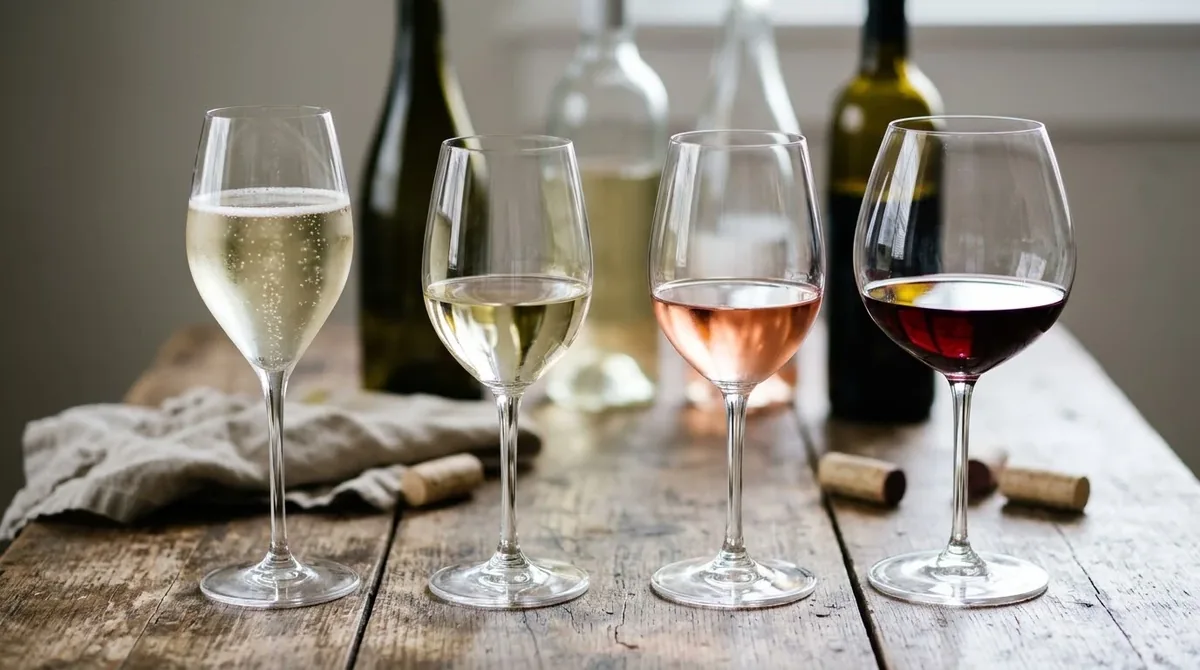
Beaujolais is a French wine region just south of Burgundy, and it is devoted to Gamay-based red wine. Wine Folly describes most Beaujolais as simple, rustic reds, though the region also has ten Cru villages that the same source describes as capable of exceptional quality. The wines are generally lighter and fruitier than Burgundy Pinot Noir, which is one reason Beaujolais is often served chilled.
The style comes from the grape. Gamay is grown mostly in France and is the main variety planted in Beaujolais. VinePair describes Beaujolais as a versatile, fruit-forward wine with strong food-pairing ability, and the region’s sunny hillside vineyards help the vines produce expressive, fruity wines. That combination of bright fruit and soft structure is what makes Beaujolais such a friendly red.
The Beaujolais appellations are split into levels. Beaujolais Villages is one of the region’s 12 appellations and covers a large area of hilly terrain across 38 communes, according to VinePair. Below it sits the basic Beaujolais appellation, and above it the ten Crus, which generally give more concentrated wines. Knowing this helps you read the label: the more specific the village name, the more focused the style is likely to be.
How Beaujolais tastes
Wine Folly lists typical flavors for Gamay and Beaujolais as pomegranate, blackberry bramble, violet, potting soil, and peony. The wine is dry, with a medium-light body and medium-high acidity. The tannin is low, which is why the wine feels lighter in the mouth than a Cabernet or a Syrah.
In the glass, expect bright red fruit and a fresh finish rather than heavy oak or big tannin. The alcohol typically sits between 10 and 11.5 percent, according to the Beaujolais summary on Wine Folly, so the wine stays easy to drink with a meal. A Beaujolais from this producer is expected to follow the same general style: light on the palate, lively in acidity, and fruit forward.
| Beaujolais trait | What to expect |
|---|---|
| Grape | Gamay |
| Body | Medium-light |
| Tannin | Low |
| Acidity | Medium-high |
| Typical flavors | Pomegranate, blackberry bramble, violet, peony |
| Alcohol | 10 to 11.5 percent ABV |
Tip: Because Beaujolais has low tannin and high acidity, a short chill in the fridge before serving often shows its fruit best. Do not serve it warm from a hot room.
How to serve it
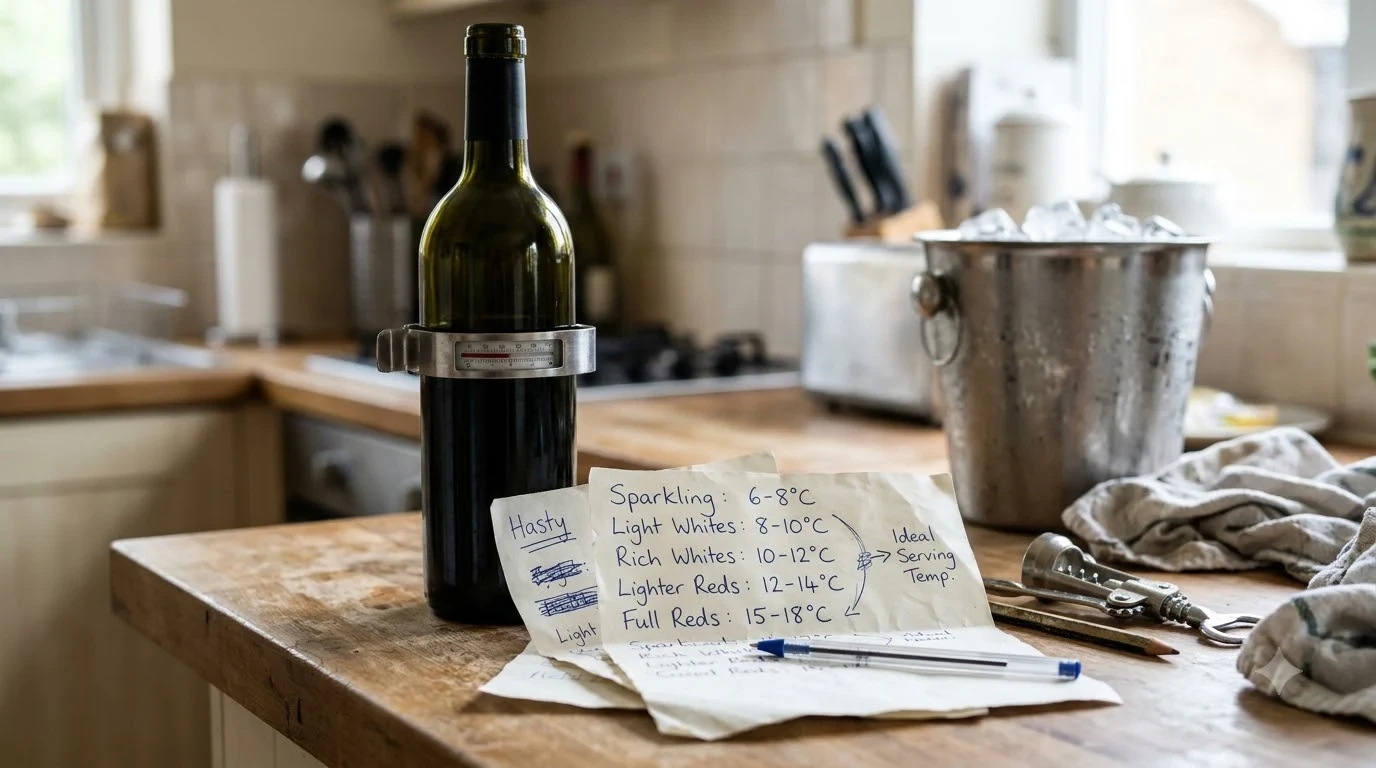
Wine Folly recommends serving Gamay-based Beaujolais at 55 to 60 degrees Fahrenheit, or 12 to 15 degrees Celsius. At that range the fruit feels bright and the acidity stays lively. Served too warm, the wine can taste soft and alcoholic. A short rest in the fridge before pouring is usually enough.
The glass recommended for Beaujolais is an aroma collector, a wide, rounded glass that concentrates the fruit and violet aromas. Decanting is not needed. Wine Folly also says these wines can cellar for five to ten years, though most bottles are made to be drunk young and fresh.
Food pairing
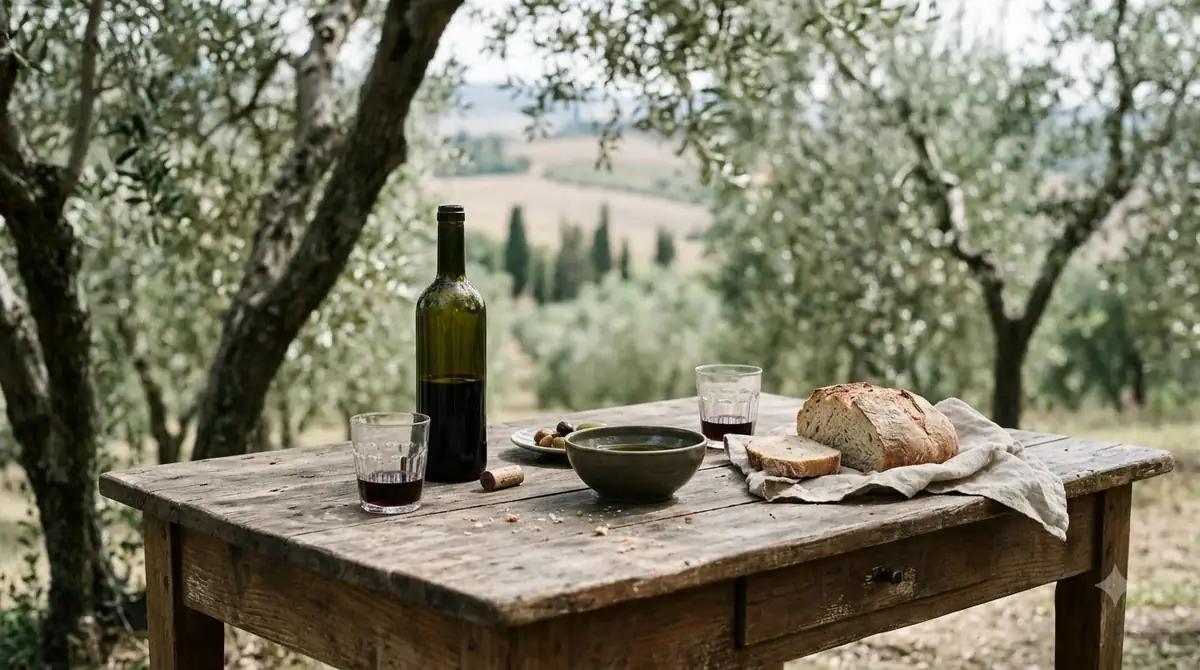
Beaujolais is one of the most food-friendly reds. Its acidity and low tannin mean it does not overpower a dish, and Wine Folly calls Gamay one of just a few red wines that pairs with all manner of dishes. Its examples include salmon steaks with a sweet and sour glaze, beef stroganoff, and sesame tempeh.
VinePair notes that Beaujolais’s high acidity and lower tannins pair with a wide range of main courses, from barbecue beef to cedar-planked salmon. That makes it a practical choice for a mixed dinner table, where one bottle needs to suit several dishes. Roast chicken, sausages, and grilled vegetables all work too. Save heavier red wines for the richest cuts of beef, and reach for Beaujolais when the meal is lighter or more varied.
Choosing a bottle of Louis Jadot beaujolais
When you read the label, look at the appellation first. A bottle labeled simply Beaujolais is the most general style, while Beaujolais Villages and the ten Crus offer a more focused taste. Because Louis Jadot’s Beaujolais holdings include Crus, the house has a range of options to consider. Check the back label for the vintage and the appellation, and decide whether you want an everyday bottle or something for a special dinner.
It also helps to compare Beaujolais with other red styles on the same shelf. Readers looking for a fuller, more structured red often compare it with a Burgundy Pinot Noir or a Cabernet. For a softer, fruit-led option from another region, you may look at Stella Rosa Red, which is a very different, sweeter style. For a deeper look at how producers from different regions differ, the Wine Brands guide is a good starting point.
Readers who want to see how other established brands approach structure and fruit may also find Pedernales wine and Spottswoode wine useful. Each brand has its own house style, so comparing a few side by side is the best way to find the one you like.
For a general overview of the region and the grape, Wine Folly’s Beaujolais guide covers the Gamay style, the Cru villages, and how these wines are typically served.
Frequently Asked Questions
Is Louis Jadot beaujolais a red or white wine?
It is a red wine made from the Gamay grape. Beaujolais is a red-wine region, and the wines are typically light, fruity and low in tannin.
Should Beaujolais be served chilled?
Slightly chilled is the usual recommendation. Wine Folly gives 55 to 60 degrees Fahrenheit (12 to 15 degrees Celsius) for Gamay-based Beaujolais, which keeps the fruit bright and the acidity lively.
Is Beaujolais the same as Burgundy Pinot Noir?
No. Beaujolais is made from Gamay, not Pinot Noir, and it is usually lighter and fruitier. Both come from the Burgundy-adjacent region of France, but they taste different.
What food goes well with Louis Jadot beaujolais?
Beaujolais pairs well with salmon, roast chicken, sausages, mushroom dishes, and barbecue. Its high acidity and low tannin make it easy to match with many dishes.
Louis Jadot beaujolais is a practical choice for anyone who wants a red that is light, fruity and food-friendly. Serve it slightly cool, choose a bottle based on the appellation, and pair it with a varied meal. If you want to compare it with other styles, the Wine Brands guide is a good next stop.
More in Wine Brands
 Underwood Wine Price: Compare Bottles, Cans, and Pack SizesUpdated Nov 21, 2026
 Zenato Wine Price: Compare Styles and Choose the Right BottleUpdated Nov 21, 2026
 Zuccardi Wine Price: Compare Bottles and Find the Right RangeUpdated Nov 21, 2026
 Yellow Tail Moscato Review: Taste, Sweetness and Serving TipsUpdated Nov 21, 2026
 Wolf Blass Yellow Label Review: Choose Your Best StyleUpdated Nov 21, 2026
 Wolffer Estate Rose Review: Choose the Right Bottle for Your TableUpdated Nov 21, 2026