

We may earn a commission when you buy through links on this page, at no extra cost to you. Learn more.
The auxerrois grape is a white wine variety best known in Alsace and Luxembourg, where it produces dry, softly textured wines with gentle acidity and flavors of orchard fruit, melon, quince, and flowers. It is often blended with Pinot Blanc, but it can also make distinctive single-variety still wines and sparkling wine. Its approachable texture and moderate freshness make it especially useful with fish, poultry, vegetables, and dishes that can overwhelm sharper whites.
Auxerrois is less familiar than Riesling or Chardonnay, yet it plays a meaningful role in several cool-climate European wine regions. Learning how the grape behaves in the vineyard, why its name can be confusing, and how producers use it in blends or Crémant makes it easier to choose a bottle that suits the meal.
What Auxerrois Is and Where It Comes From
Auxerrois is a white grape in the Pinot family, associated most strongly with northeastern France and the neighboring vineyards of Luxembourg and Germany. Its wines are usually dry, relatively low in acidity, and more rounded than the brisker whites made from Riesling or Sauvignon Blanc.
Genetic research identifies Auxerrois as a natural crossing of Pinot and Gouais Blanc, also called Weißer Heunisch in German. That parentage places it close to other familiar European varieties: Wine Enthusiast’s Auxerrois profile describes Auxerrois and Chardonnay as siblings, since both descend from Pinot Noir and Gouais Blanc. The grape’s likely development is linked with Lorraine and the wider Burgundy area, where vineyards historically contained mixed plantings of Pinot and Gouais Blanc.
The name can create confusion. In Alsace, the grape is often called Pinot Auxerrois, while some nearby wine terminology uses similar names for other varieties. It is not simply another spelling for Pinot Blanc, even though the two grapes are closely associated in Alsace vineyards and cellar blends. Wine Enthusiast notes that the vines can be difficult to distinguish visually, which helps explain why their histories and labeling practices became intertwined.
For readers comparing white varieties with very different regional identities, the airen grape offers another example of a widely planted white variety whose character depends strongly on where and how it is grown. Auxerrois, however, is notable less for volume than for the softness and breadth it can contribute to blends.
How Auxerrois Grows in the Vineyard
Auxerrois ripens early and naturally develops less acidity than many other cool-climate white grapes. Those traits make it a useful option in regions where growers want ripe fruit without waiting late into autumn, but they also mean vineyard site and harvest timing have a major effect on balance.
Rheinhessen’s regional wine organization describes the variety as difficult to distinguish from Pinot Blanc in the vineyard and notes that it favors deep, fertile soils and good sites. The grape’s early ripening can help growers manage the risk of poor weather near harvest, while its relatively gentle acidity means picking too late can produce a broad, soft wine rather than one with lively definition. The best examples retain enough freshness to keep the palate from feeling heavy.
Auxerrois is not a carefree variety simply because it ripens early. The grower still has to protect healthy foliage, control yields, and choose a site that allows even ripening. In cool locations, the aim is to secure ripe flavors without losing the delicate aromatic detail that gives the wine its appeal. A balanced crop and careful harvest decisions matter more than trying to make the fruit taste intensely tropical.
In practical terms, Auxerrois is well suited to producers who want a supple white with a clear fruit profile rather than a strongly acidic one. It can add roundness to a blend that otherwise feels too lean, and it can stand on its own when the fruit is clean and the harvest preserves sufficient freshness. That flexibility explains why the grape appears in still wines as well as sparkling cuvées.
Flavor, Acidity, and Body in the Glass
Most Auxerrois wines are dry, medium-light to medium-bodied, and gentle in acidity, with a fruit-forward profile that is easy to recognize once you know what to look for. Common descriptors include apple, pear, melon, quince, mirabelle plum, citrus, white flowers, and a subtle honeyed note in richer examples.
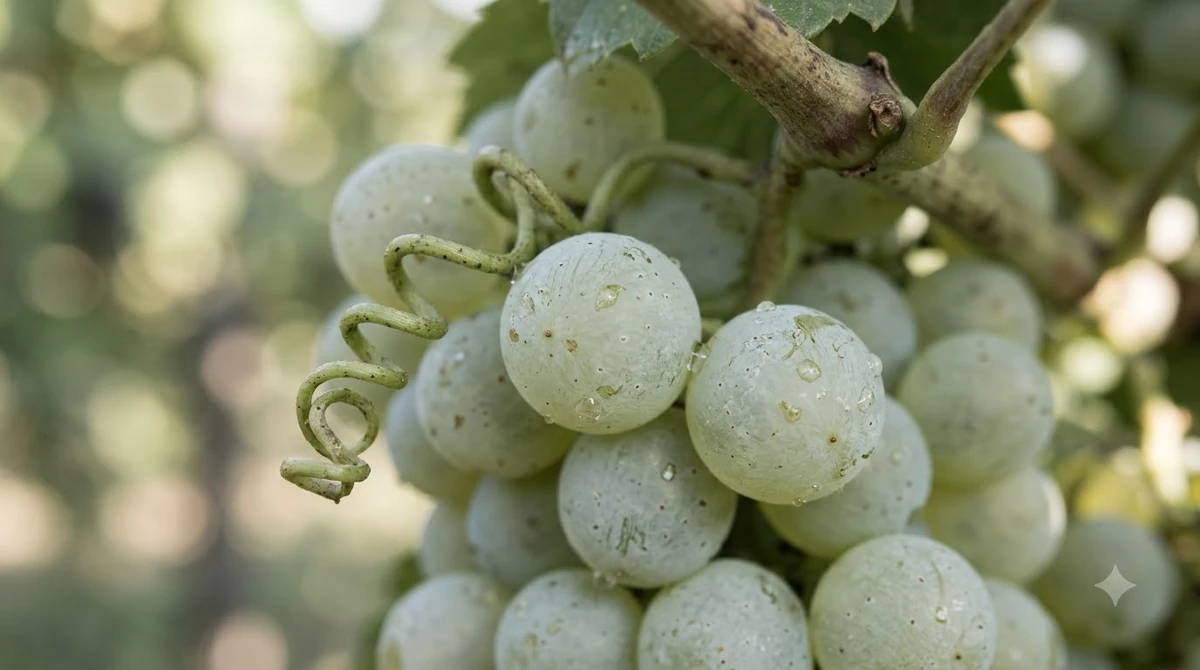
The exact profile changes with climate and winemaking. Rheinhessen’s regional wine organization highlights quince, melon, and mirabelle plum, while Luxembourg’s appellation authority adds citrus, floral notes, exotic fruit, and honey in more ambitious wines matured in oak. These descriptions show how the grape can carry orchard-fruit freshness and a richer, more mature character.
Acidity is one of the clearest differences between Auxerrois and several better-known whites. Riesling and Sauvignon Blanc typically bring sharper, more mouthwatering acidity; Auxerrois tends to feel rounder and softer. Pinot Blanc is often more direct and brisk, while Auxerrois can supply a juicier middle palate. In a blend, that contrast can make the finished wine feel complete rather than simply soft.
Expect moderate aromatic intensity rather than the pronounced perfume of Gewürztraminer or the high-toned citrus and herbs often associated with Sauvignon Blanc. A fresh, unoaked Auxerrois may lead with apple, pear, and melon. A more developed bottle can show quince, honey, toasted almond, or gentle spice, particularly when oak or bottle age has added texture. The grape is rarely defined by strong tannin; its structure comes from acidity, fruit weight, and, in sparkling versions, the mousse. Auxerrois suits drinkers who find very crisp whites too sharp but still want a dry wine with recognizable fruit. It can feel generous without necessarily being sweet: ripe melon or honey aromas do not by themselves mean that the wine contains noticeable residual sugar.
Alsace, Luxembourg, and Other Growing Regions
Alsace is the best-known home of Auxerrois, while Luxembourg’s Moselle region has made it an important local white variety. It is also planted in Germany, including Rheinhessen, and smaller amounts are grown elsewhere in Europe and North America.
In Alsace, Auxerrois often appears alongside Pinot Blanc rather than as a clearly separated varietal bottling. Wine Enthusiast explains that Alsace appellation rules permit Auxerrois to be included in wines labeled Pinot Blanc, and producers use the blend to balance Pinot Blanc’s more direct acidity with Auxerrois’s rounded fruit. It can also appear in Edelzwicker, a regional multi-variety white blend, and in Crémant d’Alsace. A bottle labeled Pinot Blanc from Alsace therefore does not guarantee that the wine is made only from Pinot Blanc grapes.
Luxembourg gives Auxerrois a particularly visible identity of its own. The country’s appellation authority describes it as a relatively uncommon cultivar that can make mellow yet fresh and complex wines, ranging from melon and mirabelle plum to citrus, flowers, quince, and honey. The official Luxembourg tourism site groups Auxerrois with Rivaner and Pinot Gris as a source of rounder, more aromatic Moselle whites, and specifically recommends it with smoked Luxembourg specialties. Some examples can also develop with bottle age in a way that recalls white Burgundy.
Germany offers a smaller but established foothold. Rheinhessen’s regional wine organization reports 33 hectares of Auxerrois, most in Wonnegau. It describes the wines as usually dry, mildly acidic, and elegant, with fish and asparagus as natural matches; age can bring honey and toasted-almond aromas. The variety also appears in the United States: Wine Enthusiast has reviewed examples from Michigan’s Leelanau Peninsula and Oregon’s Eola-Amity Hills, although Alsace and Luxembourg remain its best-known reference points.
Winemaking Styles: Still, Blended, and Sparkling
Auxerrois can be made as a fresh, unoaked still white, a richer oak-influenced wine, a component in a regional blend, or a sparkling wine. The style on the bottle is more informative than the grape name alone because cellar decisions can shift the wine from crisp and simple to broad, textured, and suited to richer food.
For still wines, stainless-steel fermentation is a practical way to preserve apple, pear, melon, and floral aromas without adding oak flavors. Some producers choose a more textural approach, using lees contact or larger vessels to build weight while keeping the fruit in view. Oak is not a requirement for Auxerrois; it is one option for shaping the texture and adding notes such as toast, spice, or honey. Luxembourg’s appellation authority specifically associates honeyed complexity with top-level examples matured in oak barrels. Blending is central to Auxerrois’s role in Alsace. Pinot Blanc contributes a firmer line of acidity, while Auxerrois brings roundness and a fuller fruit impression. In an Edelzwicker blend, several permitted varieties can be combined to create an accessible regional white. This is one reason a wine’s label may not tell the full story of its grape composition, particularly when the front label uses the Pinot Blanc name.
Sparkling wine is another important outlet. In Alsace, Auxerrois is used in Crémant d’Alsace, where its fruit and softer acidity can complement the lively structure of bottle-fermented sparkling wine. Luxembourg also makes Crémant under defined production rules: the appellation authority requires hand-harvested grapes, a second fermentation in the bottle, and at least nine months on the lees in the same winery. The rules also cap the must yield at 100 liters from 150 kilograms of grapes. Experimental expressions exist as well. Wine Enthusiast describes Laurent Bannwarth’s Alsace Auxerrois made in a qvevri, a traditional clay vessel, with dried fruit, citrus rind, and stony notes. For a contrast in how grape choice shapes wine style, explore the fragrant brachetto grape, associated with a very different aromatic and sweetness profile. Auxerrois usually works through subtle fruit, texture, and gentle acidity rather than exuberant perfume. For a broader tasting plan, compare the dornfelder grape to see how a red variety handles body, color, and savory food, then browse Wine by Type for more regional styles. Auxerrois usually belongs in the white-wine part of a meal, where it complements rather than dominates the plate.
Food Pairings and Serving Temperature
Auxerrois is most successful at the table when the food does not demand sharp acidity or heavy tannin. Its gentle freshness, moderate body, and orchard-fruit character make it a natural partner for fish, poultry, asparagus, vegetables, and dishes with cream or mild seasoning.
Start with fish prepared simply or with a light cream sauce, roast chicken, pork tenderloin, or vegetable dishes built around mushrooms and squash. Asparagus is a particularly logical match: Rheinhessen’s regional wine organization names it as a good partner, and the grape’s soft acidity does not fight the vegetable’s sometimes challenging green flavors. Luxembourg’s tourism site also points to smoked local specialties, an indication that Auxerrois can handle savory, smoky flavors when the wine has enough concentration.
Its moderate acidity makes it less suitable for dishes dominated by sharp vinegar, strong lemon, or very tart tomato. Food with pronounced acidity generally needs a wine with equal or higher acidity, so an Auxerrois can taste subdued beside a highly acidic sauce. Likewise, the grape’s gentle body may be overwhelmed by very hot chili, intense char, or heavily spiced dishes. A fresher Riesling or Sauvignon Blanc is often a better choice when the meal needs a sharper counterpoint.
Cheese pairings depend on the wine’s weight. A young, unoaked Auxerrois works with fresh goat cheese, mild semi-soft cheeses, and delicate herbs; a mature or oak-influenced bottle can stand up to washed-rind cheese, nutty Alpine styles, or a savory cheese tart. Serve a fresh still wine around 45–50°F, a fuller oak-influenced bottle around 50–55°F, and Crémant around 40–50°F. A standard 750 ml bottle provides about five 5-ounce pours.
| Wine or serving style | Target temperature | Serving cue |
|---|---|---|
| Fresh, unoaked Auxerrois | 45–50°F | Keep orchard-fruit aromas clear and refreshing. |
| Fuller, oak-influenced Auxerrois | 50–55°F | Allow more texture and mature notes to show. |
| Auxerrois-based Crémant | 40–50°F | Preserve the sparkle and crisp impression. |
| Standard bottle and pour | 750 ml / 5 oz | Plan on approximately five glasses per bottle. |
Tip: Take a very cold bottle out of the refrigerator a few minutes before serving. If the wine seems muted, let it warm slightly in the glass before deciding that its aromas are faint.
Frequently Asked Questions
These answers clarify the grape’s pronunciation, naming, availability, and the range of wines made from it.
How do you pronounce Auxerrois?
Wine Enthusiast gives the pronunciation as “awk-ser-WAH,” with the final syllable carrying the emphasis. The spelling can look intimidating to English speakers, but the spoken form is short once learned.
Is Auxerrois Blanc the same grape as Auxerrois?
Not always. Wine Enthusiast notes that in France’s Moselle region, Chardonnay is often called Auxerrois Blanc, even though the Auxerrois grape discussed in Alsace is a separate variety. The shared naming is one reason it helps to pay attention to the wine region as well as the grape name.
Can Auxerrois be grown in the United States?
Yes. Wine Enthusiast has featured a Bel Lago sparkling Auxerrois from Michigan’s Leelanau Peninsula and a Raptor Ridge bottling from Oregon’s Eola-Amity Hills. These examples show that producers in the United States have explored both sparkling and still expressions of the variety.
Are all Auxerrois wines blends?
No. Although blending with Pinot Blanc is common in Alsace, single-variety Auxerrois is made in several regions. The Wine Enthusiast examples include a varietal Auxerrois from Laurent Bannwarth as well as the American bottlings from Michigan and Oregon.
Does the name Auxerrois have a settled origin?
The name’s etymology is not entirely consistent across wine references. Rheinhessen’s regional wine organization links it to the Burgundian town of Auxerre, while Wine Enthusiast suggests a connection to Auxois; both accounts place the variety’s history in northeastern or eastern France.
Auxerrois is a versatile white grape with a distinctive strength: it brings rounded fruit and gentle acidity without requiring sweetness or heavy oak. Look to Alsace and Luxembourg for classic examples, then compare a still wine with a Crémant to see how the grape changes across styles. At the table, its best companions are dishes that welcome a supple, food-friendly white rather than a sharply acidic one.
More in Wine Types & Grapes
 Zinfandel Sugar Content: Dry Red vs. White Zinfandel GramsUpdated Nov 21, 2026
 Best Zinfandel Substitute Options for Sipping and CookingUpdated Nov 21, 2026
 Zweigelt Food Pairing: Best Dishes, Cheeses, and Serving TipsUpdated Nov 21, 2026
 Zinfandel Tannins Explained: How Structure Shapes Every BottleUpdated Nov 21, 2026
 Zinfandel Sweetness Level: Dry Red vs. Sweet White Zin ExplainedUpdated Nov 21, 2026
 Xinomavro Food Pairing: Best Dishes, Styles, and Serving TipsUpdated Nov 21, 2026