

We may earn a commission when you buy through links on this page, at no extra cost to you. Learn more.
Auxerrois wine is a soft, medium- to full-bodied dry white wine made from Auxerrois Blanc, an early-ripening grape native to northeastern France that is a full genetic sibling of Chardonnay. Most bottles come from Alsace, Luxembourg, and parts of Germany, where the grape delivers generous orchard fruit, citrus, and subtle spice without sharp acidity. You will frequently drink it unknowingly inside bottles labeled Alsace Pinot Blanc or sparkling Crémant d’Alsace, though single-varietal bottlings are increasingly prized by wine lovers.
Despite sharing exact parentage with Chardonnay, Auxerrois follows a much quieter, gentler path in the glass. Rather than relying on high natural acidity or heavy oak aging, it wins drinkers over with a supple, rounded texture and approachable aromatics that fit effortlessly on the dinner table.
What Auxerrois Wine Is
Auxerrois wine is produced from Auxerrois Blanc, a white grape variety originating in the Lorraine region of northeastern France that is legally allowed to be blended into bottles labeled Pinot Blanc in Alsace. Though its name echoes the Burgundian town of Auxerre, the grape actually took root further northeast and gained widespread traction in Alsace after 1950.
DNA profiling has confirmed that Auxerrois Blanc is a natural crossing of Pinot and Gouais Blanc. That exact parentage makes it a full sibling to Chardonnay, Aligoté, and Gamay, even though its personality in the vineyard and cellar is quite distinct from its famous Burgundian relative. In French wine regions, growers also refer to the grape as Pinot Auxerrois or Auxerrois Blanc de Laquenexy, nodding to the Lorraine research station that championed its propagation.
What makes the grape especially intriguing on the retail shelf is its dual identity under French appellation rules. According to Decanter, Alsatian wine law allows bottles labeled simply as Pinot Blanc to contain anywhere up to 100 percent Auxerrois in the blend. Conversely, if a producer puts the word Auxerrois on the front label in Alsace, the wine must be made entirely from that single variety. It is also important not to confuse Auxerrois Blanc with the red grape called Auxerrois in southwestern France, which is a local synonym for Malbec.
Flavor Profile and Wine Styles
Most Auxerrois wine is vinified as a dry, unoaked still white wine characterized by low-to-moderate acidity, a plush mouthfeel, and flavors of ripe pear, white peach, and warm spice. Because the grape ripens early and naturally carries lower acid levels than Riesling or Pinot Blanc, winemakers typically avoid malolactic fermentation to preserve its fresh, lifted character.
On the nose, a classic single-varietal bottle opens with subtle, inviting aromatics rather than loud perfume. Reviewers at Wine Enthusiast and European tasting panels regularly note aromas of yellow apple, white peach, quince, and delicate blossom, often underscored by a faint smoky or peppery edge. On the palate, the wine feels broader and creamier than Pinot Blanc, sometimes showing hints of tangerine, beeswax, or sweet spice on a rounded finish.
Winemakers work with Auxerrois in three primary styles across Europe and North America:
- Dry Still White: The benchmark expression, fermented in stainless steel or large neutral old oak casks (foudres) to highlight pure fruit, supple weight, and gentle spice.
- Traditional-Method Sparkling: A cornerstone blending partner in Crémant d’Alsace and Crémant de Luxembourg, where Auxerrois softens the brisk acidity of Pinot Blanc and adds mid-palate roundness.
- Off-Dry and Late-Harvest: In particularly warm vintages or select German and Alsatian sites, small amounts of residual sugar turn the grape into a lush, honeyed wine suited to rich courses.
Where Auxerrois Grows
Alsace is the spiritual and commercial heartland of Auxerrois wine, followed closely by neighboring Luxembourg, southwestern Germany, and cool-climate pockets of North America. In France alone, the grape covers roughly 1,950 hectares, thriving in the dry, sunny continental climate sheltered by the Vosges Mountains.
In Alsace, Auxerrois ranks as the second-most planted white variety after Riesling, yet it remains excluded from the region’s 51 Grand Cru appellations. Growers favor it on limestone and clay-marl slopes where its small, compact bunches and relatively thick skins offer reliable resistance against vineyard disease. Across the border in Luxembourg’s Moselle Valley, Auxerrois plays a leading role in both still dry whites and sparkling Crémant de Luxembourg.
German producers in Baden, Pfalz, and the Mosel also bottle single-varietal Auxerrois trocken (dry) wines that showcase crisp orchard fruit and stony minerality. Outside Europe, the grape has found an appreciative audience in cool-climate regions such as Oregon, Michigan, England, and Ontario, where shorter growing seasons reward early-ripening varieties. If you are exploring the broader spectrum of Wine by Type, Auxerrois sits comfortably alongside medium-bodied whites like Pinot Blanc and unoaked Chardonnay.
| Region | Typical Label Terms | Primary Style | Key Tasting Notes |
|---|---|---|---|
| Alsace, France | Auxerrois, Pinot Blanc, Crémant d’Alsace | Dry still white or traditional sparkling | Ripe pear, white peach, subtle spice, creamy texture |
| Moselle, Luxembourg | Auxerrois, Crémant de Luxembourg | Crisp dry white or sparkling | Yellow apple, citrus blossom, wet stone, rounded finish |
| Baden & Pfalz, Germany | Auxerrois trocken, feinherb | Dry to off-dry still white | Mirabelle plum, apricot, green herbs, brisk balance |
| Oregon & Michigan, USA | Auxerrois, Reserve Auxerrois | Small-lot dry still white | Orchard fruit, lemon curd, vibrant cool-climate lift |
How to Serve Auxerrois Wine
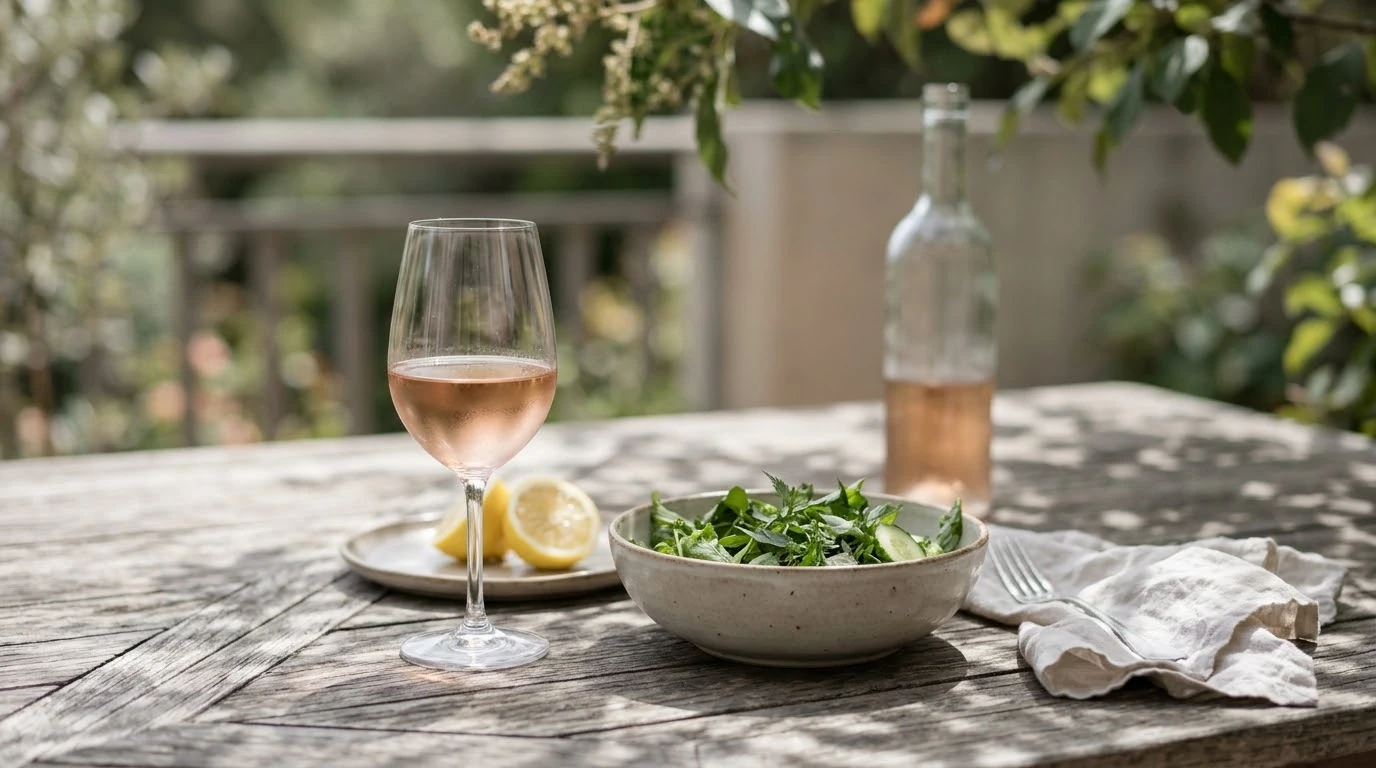
Serve still Auxerrois wine chilled to between 46°F and 50°F (8°C to 10°C) in a standard white wine glass to keep its gentle acidity lively without muting its subtle aromatics. Serving it straight from a cold refrigerator will dull its white peach and spice notes, while letting it warm up too much can make the low-acid palate feel heavy.
Sparkling Crémant d’Alsace or Crémant de Luxembourg made with Auxerrois benefits from a slightly colder pour at 43°F to 46°F (6°C to 8°C) in a tulip-shaped flute or universal wine glass. Most bottles sit at a moderate 12 percent to 13 percent ABV, making them easy to pour across an entire meal without overwhelming the palate.
Auxerrois is crafted primarily for youthful freshness, so plan to open most bottles within two to four years of the vintage date on the label. Old-vine examples from top Alsatian estates can develop attractive honeyed and nutty complexity over five to seven years in a cool, dark cellar, but everyday bottlings shine brightest when young.
Tip: Pull your bottle of still Auxerrois out of the refrigerator about 15 to 20 minutes before pouring so the delicate pear and warm spice aromas open up in the glass.
Food Pairing Ideas
Auxerrois wine pairs smoothly with creamy sauces, roasted poultry, pork, freshwater fish, and mild semi-soft cheeses because its rounded body cushions rich textures without clashing with delicate flavors. Unlike sharp Sauvignon Blanc or intensely aromatic Gewürztraminer, it acts as a versatile, food-friendly bridge on crowded dinner tables.
In its Alsatian homeland, local cooks reach for Auxerrois alongside classic regional dishes that balance richness and savory depth:
- Savory Tarts and Pastries: Quiche Lorraine, onion tart, and Alsatian tarte flambée (flatbread topped with crème fraîche, onions, and bacon) match the wine’s creamy mid-palate.
- Poultry and Veal: Roast chicken with herbs, turkey breast, or veal in a white wine cream sauce echo the grape’s subtle spice and medium-to-full weight.
- Seafood and Shellfish: Pan-seared trout, scallops, crab cakes, and poached salmon benefit from the wine’s gentle citrus lift and lack of aggressive oak tannins.
- Cheese and Vegetable Dishes: Mild Munster, Gruyère, Comté, roasted root vegetables, and asparagus risotto pair cleanly without overpowering the wine’s fruit.
When planning a multi-course dinner party, Auxerrois works brilliantly as a welcoming white starter before transitioning to a light-bodied red like Pinot Noir. Hosts who enjoy tracking lighter dinner options—whether checking pinot noir carbs for a balanced meal or mixing up a batch of pinot noir sangria for warm-weather gatherings—will appreciate how effortlessly Auxerrois bridges aperitif hour and main courses.
How to Choose a Bottle
Look for the word Auxerrois printed directly on a tall, slender flute d’Alsace bottle if you want a 100 percent single-varietal expression, or check back labels of Alsace Pinot Blanc and Crémant d’Alsace to find blends led by the grape. Because producers are not required to list exact blend percentages on Alsace Pinot Blanc, reading the back label or asking a knowledgeable merchant is the fastest way to spot Auxerrois-dominant cuvées.
Pay attention to the region and vintage when scanning the shelf. Bottles from cooler northern Alsatian villages, Luxembourg, or German regions like Baden and Pfalz tend to offer slightly brighter citrus tension, while warmer southern Alsatian sites produce broader, riper expressions. Stick to recent vintages within three years of harvest for crisp daily drinking, and reserve single-vineyard or old-vine (Vieilles Vignes) bottlings for richer weekend meals.
Frequently Asked Questions
Is Auxerrois wine sweet or dry?
The vast majority of Auxerrois wine is made in a dry style with very little residual sugar. Because the grape naturally has low acidity and ripe orchard fruit flavors, it can feel softer and rounder on the palate than crisp wines like Sauvignon Blanc, which sometimes tricks drinkers into perceiving a hint of fruit sweetness.
What is the difference between Auxerrois and Pinot Blanc?
Pinot Blanc is a genetic color mutation of Pinot Noir, whereas Auxerrois Blanc is a distinct crossing of Pinot and Gouais Blanc, making it a full sibling of Chardonnay. In the glass, Auxerrois is fuller-bodied, lower in acidity, and slightly spicier, while Pinot Blanc is leaner, crisper, and more neutral, which is why winemakers frequently blend them together.
How do you pronounce Auxerrois?
In French, Auxerrois is pronounced “oh-seh-RWAH,” with a silent “x” that softens into an “s” sound and a silent final “s.” Some English-speaking wine professionals also pronounce it “awk-seh-RWAH,” and either variation will be immediately understood at a wine shop or restaurant.
Is Auxerrois related to Chardonnay?
Yes, DNA testing has shown that Auxerrois Blanc and Chardonnay are full genetic siblings sharing the exact same parent varieties: Pinot and Gouais Blanc. Despite their shared family tree, Auxerrois ripens earlier, carries noticeably lower natural acidity, and is rarely aged in new oak barrels like Chardonnay.
Whether poured on its own from a single-varietal Alsatian bottling or enjoyed quietly inside a crisp glass of Crémant, Auxerrois wine rewards curious drinkers with effortless charm and food-pairing versatility. Next time you browse the French or German white wine aisle—or explore dessert-style specialties like recioto wine—keep an eye out for this understated classic.
More in Wine Types & Grapes
 Zinfandel Sugar Content: Dry Red vs. White Zinfandel GramsUpdated Nov 21, 2026
 Best Zinfandel Substitute Options for Sipping and CookingUpdated Nov 21, 2026
 Zweigelt Food Pairing: Best Dishes, Cheeses, and Serving TipsUpdated Nov 21, 2026
 Zinfandel Tannins Explained: How Structure Shapes Every BottleUpdated Nov 21, 2026
 Zinfandel Sweetness Level: Dry Red vs. Sweet White Zin ExplainedUpdated Nov 21, 2026
 Xinomavro Food Pairing: Best Dishes, Styles, and Serving TipsUpdated Nov 21, 2026