


We may earn a commission when you buy through links on this page, at no extra cost to you. Learn more.
The best answer to what wine goes with enchiladas is a fresh, fruit-forward rosé or a soft red with modest tannin; for a hotter filling, choose an off-dry Riesling or another low-alcohol white with lively acidity. Match the wine to the sauce first, then fine-tune the choice for cheese, meat, and toppings. Red chile sauces usually welcome ripe red fruit, while tomatillo sauces call for a crisp white. You do not need a powerful wine to stand up to this dish; freshness and balance matter more.
Enchiladas can be saucy, cheesy, smoky, tangy, mildly savory, or sharply spicy, sometimes all on the same plate. That makes them more flexible than a simple red-wine-with-meat or white-wine-with-chicken rule suggests. The most useful starting point is to identify the dominant sauce, estimate its heat and acidity, and then choose a wine with enough flavor to meet it without adding harshness.
Start With the Sauce, Not Just the Filling
The sauce is usually the strongest pairing signal because it coats the tortilla and filling in every bite. Red chile, green tomatillo, creamy suiza sauce, and dark mole each create a different balance of acidity, sweetness, smoke, and heat.
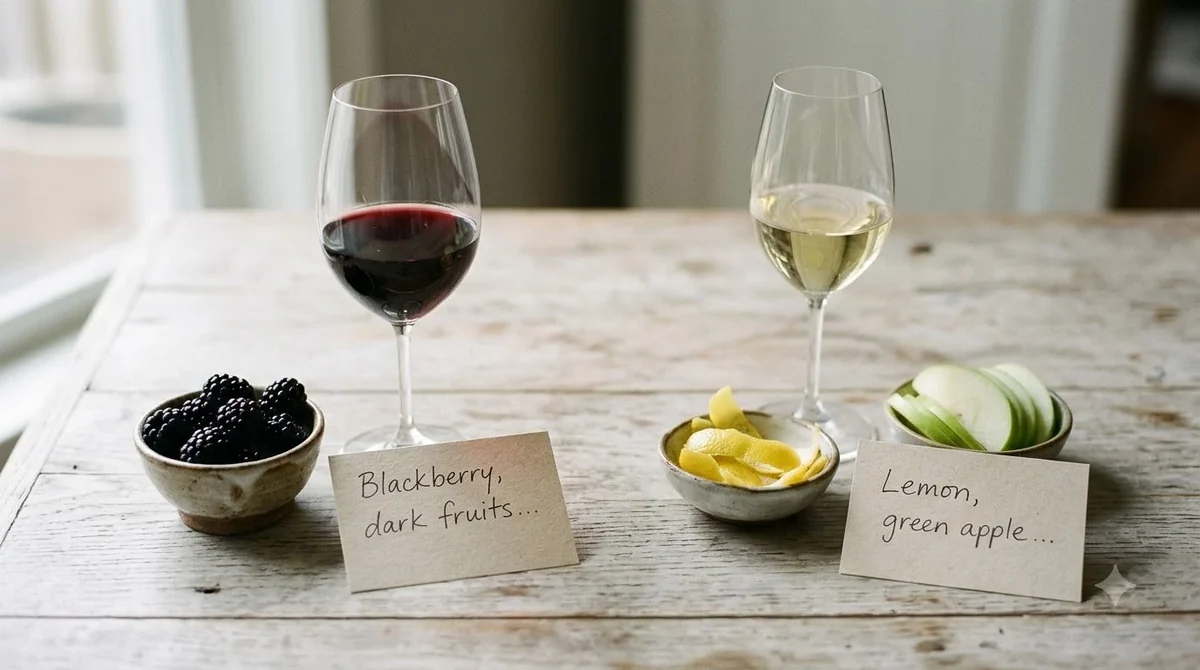
For enchiladas rojas, think about whether the sauce is tomato-led, earthy, or smoky. A red sauce built with ancho or guajillo chiles often has dried-fruit, raisin, and gentle roasted notes, so a medium-bodied red with ripe fruit can echo those flavors. A tomato-forward sauce may also have enough tang to make a juicy, high-acid red such as Sangiovese feel lively rather than heavy. If the sauce includes a lot of hot chile de árbol or habanero, move toward rosé or a softer, lower-alcohol red instead of a strongly tannic bottle.
Enchiladas verdes are a different proposition. Tomatillos bring a tart, green-fruited acidity, while serrano or jalapeño adds fresh heat and cilantro contributes a leafy herbal note. Sauvignon Blanc, Verdejo, or Albariño can meet that freshness; choose one with vivid acidity and enough ripe fruit to avoid tasting thin beside the sauce. A bone-dry, austere white can seem sharp if the salsa is very sour, so a rounded example or a Riesling with a slight hint of sweetness may feel more balanced.
Best Wines for Red Enchiladas and Smoky Mole
Red enchiladas usually pair best with wines that offer ripe fruit, moderate body, and restrained tannin. Garnacha, Tempranillo, Sangiovese, and some Zinfandel are useful starting points, with the sauce’s sweetness and smoke deciding which bottle makes the most sense.
Garnacha, also called Grenache, is a particularly adaptable choice for a red chile sauce. Its red-berry fruit can meet the sweetness of roasted tomato and dried chiles, while a softer tannin profile avoids making the chile feel rougher. Choose a fresh, medium-bodied style rather than one dominated by oak or high alcohol. A slightly chilled Garnacha can also be refreshing with a plate that includes refried beans, rice, and a generous layer of melted cheese.
Tempranillo gives a little more savory structure and can be a good match for beef, shredded pork, or a smoky red sauce. Look for a fruit-forward example with moderate oak influence, not a heavily extracted wine with firm drying tannins. Sangiovese is another sensible option when tomato is prominent: its acidity can stay lively alongside a tomato-chile sauce, and its cherry fruit sits comfortably with roasted pepper, onion, and cumin. Wine Folly also lists Sangiovese as a match for red enchilada sauce, while its enchilada suggestions include rosés made from Cabernet Franc, Tempranillo, and Syrah.
For a deep mole, especially a version that leans toward bittersweet chocolate and dried fruit, Zinfandel can bring enough ripe fruit to keep pace. Decanter’s Mexican food pairing examples include mole negro with Zinfandel, emphasizing ripe fruit against the sauce’s dark chocolate character. That does not mean every mole calls for a big red: a thinner, greener pipián or a mole with pronounced bitterness may be better with a fresh, lower-tannin red or an aromatic white. The safest move is to avoid a wine whose oak, alcohol, or tannin would add more bitterness to an already complex sauce.
Tip: If the red sauce tastes smoky and gently sweet rather than sharply hot, start with Garnacha or Tempranillo. If the heat lingers after each bite, switch to a chilled rosé or off-dry Riesling instead of reaching for a bigger red.
Wines for Green, Citrus-Led, and Creamy Enchiladas
Green enchiladas need a wine with enough acidity to match tomatillo and enough fruit to soften chile heat. Sauvignon Blanc, Verdejo, Albariño, and Riesling are strong candidates, while creamy cheese sauces often call for bubbles or a supple Chardonnay.
Sauvignon Blanc is a reliable match for enchiladas verdes because its high acidity and citrus-herbal character can echo tomatillo, cilantro, and lime. A ripe New Zealand style often supplies tropical fruit as well as freshness; a leaner style can work too, provided it is not aggressively grassy or bitter. Verdejo gives a similar brisk profile, sometimes with citrus peel, fennel, and stone-fruit notes. Albariño is another good option when the plate includes a squeeze of lime, pickled onion, or other bright toppings.
Riesling is especially helpful when the green sauce is both tart and spicy. A dry Riesling brings high acidity, while an off-dry version adds a small amount of residual sugar that can make fresh chile heat feel less insistent. For lots of jalapeño, serrano, or hot salsa, choose a lower-alcohol Riesling rather than a powerful white that feels warming. For creamy enchiladas suizas or poblano sauce, switch to sparkling wine, dry rosé, or a fresher Chardonnay; bubbles and acidity refresh the palate after rich cheese, while heavy oak can make the dish feel heavier. Chicken filling does not automatically require white wine: sauce still decides. For filling-specific ideas, see what wine goes with chicken enchiladas.
Choose by Filling: Chicken, Beef, Pork, Cheese, and Vegetables
Once the sauce has set the direction, use the filling to adjust the wine’s body and flavor. Chicken and vegetables usually leave room for lighter wines, while beef, pork, and rich cheese fillings can support more texture and red-fruit depth.
Chicken enchiladas are among the most flexible. Poached or shredded chicken under salsa verde is well suited to Sauvignon Blanc, Albariño, Verdejo, or dry rosé. Chicken with roasted tomato, ancho, or guajillo sauce can take Garnacha or a supple Tempranillo. If the filling includes corn, sautéed peppers, or squash, look for wines with freshness rather than heavy oak; those vegetables add sweetness and earthiness that can become dull beside an overly powerful red.
Beef enchiladas can handle more structure, especially when the filling is seared, braised, or seasoned with smoky chiles. Tempranillo, Malbec, and Grenache are practical choices, but the best style is usually medium-bodied with ripe fruit and controlled tannin. A Cabernet Sauvignon may be too firm or drying if the sauce is hot, even though its weight seems appropriate for beef. If the filling tastes more like a slow-cooked braise than a lean grilled steak, the pairing ideas for what wine goes with beef brisket can help narrow the style.
Pork enchiladas often bring richness and mild sweetness, particularly when the meat is slow-cooked or paired with roasted peppers. Garnacha, Pinot Noir, or fruit-forward rosé can match that texture without overwhelming it; Pinot Noir also suits pork with mushrooms or earthy vegetables. Cheese and vegetable enchiladas can be substantial too: beans, roasted squash, corn, and melted cheese add body, while pickled vegetables bring acidity. Dry rosé, sparkling wine, or a medium-bodied white works for many versions. Salt and fat soften tannin, but not enough to make a very tannic red ideal beside hot chile. For an unusual sharp blue-cheese topping, see the principles in what wine goes with blue cheese.
Adjust for Heat, Acidity, Salt, and Fat
The most dependable pairing rules are simple: match the wine’s acidity to the food’s acidity, keep tannin and alcohol in check when chile heat is high, and use a little sweetness when the dish is especially spicy. These adjustments matter more than whether the filling is white meat or red meat.
Chili heat can make alcohol feel hotter and can exaggerate the bitterness or drying sensation of tannin. This is why a high-alcohol Cabernet Sauvignon or a firmly structured Syrah can be tiring beside a very hot red sauce, even if the wine seems powerful enough for the filling. The same dish may work beautifully with a softer Merlot, a low-tannin Pinot Noir, or a fruity Garnacha served slightly cool. Wine Enthusiast’s pairing advice likewise emphasizes soft tannins in reds and balanced sugar and acidity in whites; it considers chile, onion, cilantro, and sauce rather than judging the protein alone.
Acidity works differently. Tomatillo salsa, lime, or pickled garnish can make a low-acid wine seem flat, so choose a high-acid white or fresh rosé. Sauvignon Blanc and Riesling are naturally high-acid choices; Chardonnay is more moderate and suits creamy or less tart sauces. Salt and fat from cheese, crema, and refried beans soften tannin, but seafood enchiladas are safer with crisp whites or sparkling wine than with tannic red wine.
For especially hot enchiladas, a modest touch of sweetness can be more helpful than a bone-dry wine. Off-dry Riesling, lightly sweet Moscato, or demi-sec sparkling wine can soften the impression of chile while retaining enough acidity to keep the pairing lively. The wine should still taste refreshing on its own. A very sweet wine can dominate a savory filling, so use sweetness as a measured counterweight rather than treating the dish like dessert.
| Wine style | Best enchilada match | Serving temperature |
|---|---|---|
| Brut sparkling | Cheese, crema, and lightly fried tortillas | 40–50°F |
| Light white or dry rosé | Tomatillo, herbs, chicken, and mild chile | 45–50°F |
| Fuller white | Creamy poblano or rich cheese sauce | 50–55°F |
| Sweet or off-dry white | Hot chile sauce and spicy salsa | 43–50°F |
| Light red | Pork, mushrooms, beans, and mild red sauce | 55–60°F |
| Full-bodied red | Beef or deep, smoky mole with moderate heat | 60–65°F |
These are useful serving ranges, not rigid rules. A wine served too warm can make its alcohol feel more pronounced, while a white served ice-cold may lose aroma and seem less expressive. For a spicy meal, it is reasonable to serve rosé and aromatic whites at the cool end of their ranges, then let the glass warm slightly as dinner continues.
Serving, Opening, and Pouring Wine With Enchiladas
Good serving choices can make a sound pairing feel more precise. Chill the wine to the right range, pour moderate servings, and avoid letting a full-bodied red become warm and alcoholic at the table.
Serve light whites and rosé around 45–50°F, fuller whites around 50–55°F, sparkling wine around 40–50°F, and sweet whites around 43–50°F. Light reds suit 55–60°F, while full-bodied reds are best around 60–65°F. A brief refrigerator chill helps a light red such as Pinot Noir or Gamay stay refreshing beside spicy sauce.
Use a standard 5-ounce pour so guests have room to swirl and smell the wine, and remember that a 750-milliliter bottle gives about five glasses at that serving size. With a mixed enchilada platter, set out one versatile rosé or sparkling wine and one red or white chosen for the main sauce. That provides options without making the meal feel like a formal tasting. Water on the table is still useful, especially when salsa or chile heat builds across several bites.
After opening, keep still wine in the refrigerator and aim to finish it within 3–5 days; sparkling wine generally holds for 1–3 days with a proper sparkling-wine stopper. Young, full-bodied reds may benefit from 30–60 minutes in a decanter, but do not assume every red needs air. Store unopened bottles on their side in a cool place near 55°F, away from direct light and large temperature swings. For more ways to match a bottle to a meal, the site’s Wine Pairing overview offers a broader framework.
Frequently Asked Questions
These quick answers cover a few bottle styles and serving decisions that come up at enchilada dinners, including sparkling wine and bottles from Mexico.
Does Prosecco work with cheesy enchiladas?
Yes, especially when the enchiladas are rich rather than very hot. Prosecco is made primarily from Glera and uses the tank method for its second fermentation; many examples fall around 11–12% alcohol by volume. Choose a drier style if the filling is savory, and let the bubbles refresh the palate between bites.
Are Champagne and Cava made the same way as Prosecco?
No. Champagne and Cava use a second fermentation in the bottle, while Prosecco is typically made with the tank method. On the sparkling-wine sweetness scale, Brut Nature and Extra Brut are drier than Brut, followed by Extra Dry, Dry, Demi-Sec, and Doux in progressively sweeter styles.
Can I serve a wine made in Mexico with enchiladas?
Absolutely. Mexico has established wine-producing areas, including Baja California, and Mexican bottles can be a natural regional choice. Decanter notes that Santo Remedio stocks three wines from the Mexican estate LA Cetto and that its Chardonnay works well with the restaurant’s food; a crisp or lightly textured Mexican white can suit creamy chicken or vegetable enchiladas.
What if everyone at the table prefers red wine?
Choose a softer red rather than the biggest bottle available. Merlot usually has medium, gentler tannin than Cabernet Sauvignon, while Pinot Noir tends to have lower-to-medium tannin and high acidity. A lightly chilled Gamay is another useful option for guests who want red wine with a green sauce or a plate with fresh salsa.
Should I choose the wine before deciding on the salsa?
It is easier to choose the salsa first because the sauce determines much of the dish’s acidity, heat, and smoky character. If the menu is still flexible, a dry rosé or Brut sparkling wine is a useful starting point for a mixed platter. For a single sauce, choose the wine after tasting a small spoonful of the sauce on its own.
For most enchilada dinners, start with a fresh rosé, a soft Garnacha, or a lively white, then adjust for the sauce’s heat and acidity. A bottle with bright fruit, balanced freshness, and restrained alcohol will usually leave room for the chile, cheese, and filling to shine.
More in Food & Wine Pairing
 Risotto With White Wine Recipe: Make a Creamy Dinner at HomeUpdated Nov 20, 2026
 Wassail With Wine Recipe for a Festive Spiced Holiday DrinkUpdated Nov 20, 2026
 Spritz Veneziano Recipe: Make a Classic Venetian Aperitivo at HomeUpdated Nov 20, 2026
 Summer Wine Punch Recipe for Easy Homemade EntertainingUpdated Nov 20, 2026
 Bishop Recipe: How to Make a Bright, Citrus-Forward Red Wine CocktailUpdated Nov 20, 2026
 Wine Cupcakes Recipe: Bake Rich Chocolate Cupcakes at HomeUpdated Nov 20, 2026