
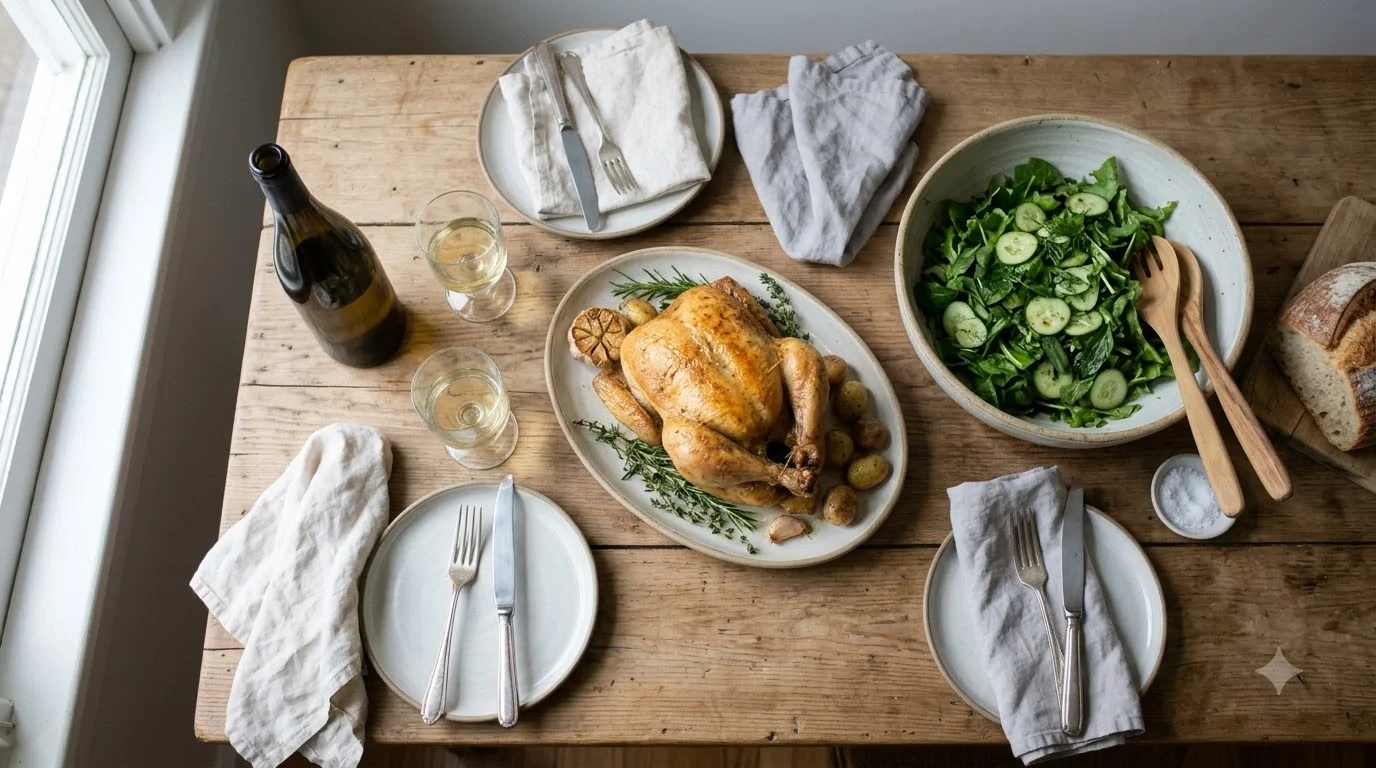

We may earn a commission when you buy through links on this page, at no extra cost to you. Learn more.
What wine goes with chicken enchiladas? Off-dry Riesling is an excellent all-around choice, while Sauvignon Blanc, dry rosé, and sparkling wine are particularly good with green sauce, cheese, and fresh toppings. The best pairing depends on whether your enchiladas feature red chile sauce, tangy tomatillos, creamy cheese, or substantial chili heat. Choose a wine with enough acidity to balance the filling and sauce, moderate alcohol to avoid intensifying spice, and sufficient fruit to complement the savory chicken.
Chicken enchiladas bring several flavors together in one dish: tender poultry, corn tortillas, melted cheese, chile sauce, tomatoes, herbs, and sometimes sour cream or avocado. That combination makes wine selection more interesting than simply choosing a white wine because chicken is involved. The sauce, toppings, and spice level have a major influence on the pairing. Fortunately, several accessible wine styles work beautifully, whether you are preparing traditional red enchiladas, bright enchiladas verdes, or creamy chicken enchiladas suizas.
1. The Best Overall Wine Pairings for Chicken Enchiladas
Off-dry Riesling, Sauvignon Blanc, and dry rosé are three particularly dependable choices for chicken enchiladas. Each brings a different combination of acidity, fruit, and freshness that complements the dish without overpowering the chicken or competing with its seasonings.
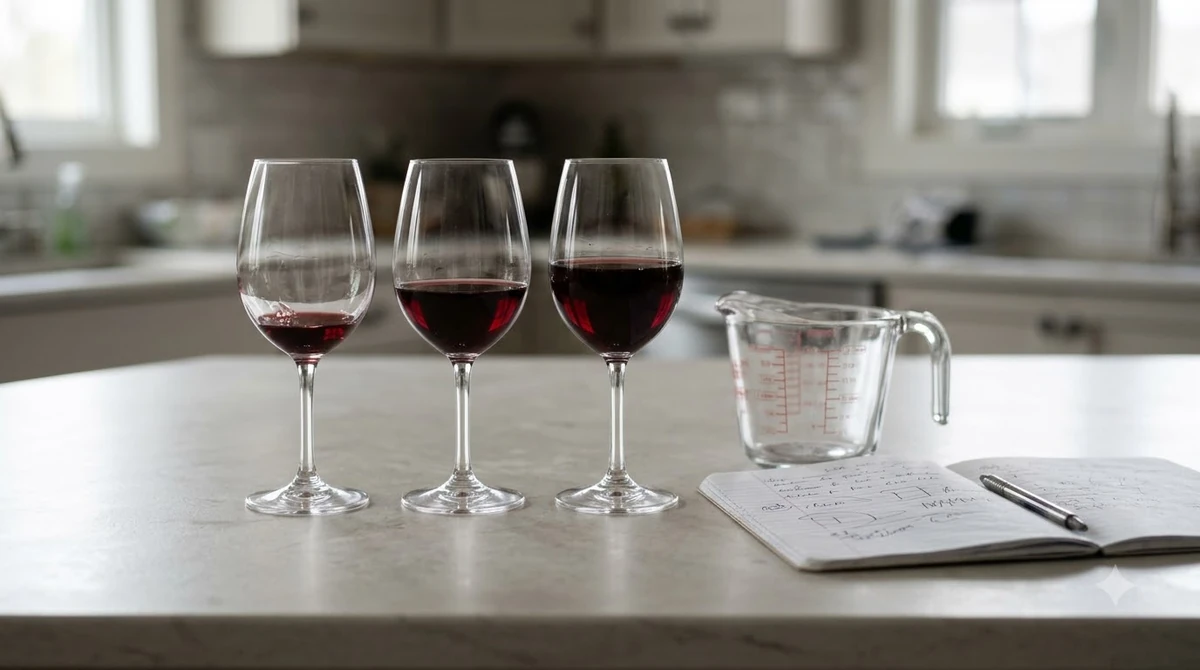
Off-dry Riesling is the strongest starting point when the enchiladas have noticeable chili heat. Its gentle sweetness softens the perception of spice, while its naturally high acidity refreshes the palate after bites of melted cheese, chicken, and sauce. Look for German Riesling from the Mosel or a Washington State example with a slightly sweet finish. Lime, green apple, peach, and floral notes complement the ingredients commonly used in Mexican cooking.
Sauvignon Blanc is particularly attractive when the filling includes cilantro, onions, fresh peppers, and lime. Its crisp acidity provides contrast to the richness of melted cheese and sour cream. Herbaceous flavors also connect naturally with green ingredients in the dish. New Zealand Sauvignon Blanc is a recognizable option, although other cool-climate examples can provide the same refreshing character.
Dry rosé offers flexibility when several flavors appear together. It combines refreshing acidity with red-fruit characteristics, making it suitable for chicken, tomato-based sauces, mild chili, and cheese. A dry Provence rosé provides a lighter profile, while a fuller Tavel rosé can stand up to a more substantial filling.
The following comparison provides a practical starting point for choosing a bottle.
| Wine style | Best enchilada style | Acidity | Typical serving temperature |
|---|---|---|---|
| Off-dry Riesling | Spicy red sauce | High | 45–50°F |
| Sauvignon Blanc | Green chile sauce | High | 45–50°F |
| Unoaked Chardonnay | Creamy cheese sauce | Medium | 50–55°F |
| Dry rosé | Chicken and mixed toppings | Medium to high | 45–50°F |
| Pinot Noir | Mild roasted red sauce | High | 55–60°F |
| Brut Cava | Cheesy or moderately spicy enchiladas | High | 40–50°F |
| Gewürztraminer | Smoky, aromatic chile sauce | Medium | 45–50°F |
These temperatures are practical serving ranges rather than strict requirements. A wine served too warm can emphasize alcohol, while an excessively cold white may lose some of its aromatic character. Allow a bottle to warm slightly in the glass if its flavors seem muted.
For a meal with several toppings, consider which ingredient is most prominent. A dish with plenty of lime and cilantro favors Sauvignon Blanc, while a generous amount of hot red chile sauce makes off-dry Riesling particularly appealing. If you are serving several preparations together, dry rosé or sparkling wine can provide a convenient shared option.
2. Sauvignon Blanc and Albariño for Green Chicken Enchiladas
Green chicken enchiladas pair especially well with Sauvignon Blanc and Albariño because both wines have the acidity needed to match tangy tomatillo sauce, lime, and fresh herbs. Their crisp profiles also keep the combination from feeling heavy when the tortillas contain melted cheese or shredded chicken.
Enchiladas verdes typically feature a sauce made with tomatillos, green chilies, cilantro, onion, and sometimes garlic. Tomatillos contribute a distinctive tartness that changes the pairing compared with sweeter, richer red sauces. A wine with insufficient acidity can taste flat beside this sharp green flavor.
Sauvignon Blanc for cilantro and tomatillo
Sauvignon Blanc is a particularly natural match because its acidity and herbal aromas complement the fresh ingredients in salsa verde. New Zealand examples can show lime, grapefruit, passion fruit, and green herbal notes. These flavors work alongside cilantro and jalapeño without making the chicken filling taste overly rich.
For a more restrained option, choose a Sauvignon Blanc from the Loire Valley in France. These wines can have a leaner profile, with citrus, mineral, and subtle herbal characteristics. They are useful when the sauce is tangy but not particularly hot.
Unoaked Sauvignon Blanc is generally preferable to a heavily oaked example. Strong vanilla, toasted wood, and buttery flavors can distract from the fresh character of tomatillos and cilantro.
Albariño for citrus and fresh toppings
Albariño from Rías Baixas in northwestern Spain is another excellent choice. Its refreshing acidity and citrus-oriented fruit work with lime, onions, and green salsa. Depending on the bottling, it may also show peach, melon, or subtle saline characteristics that make it especially appealing with fresh garnishes.
Albariño is particularly useful when enchiladas are served with sliced avocado, fresh cabbage, or a spoonful of sour cream. Its freshness balances the richness of these additions while maintaining enough flavor to remain noticeable alongside the seasoned chicken.
For a more detailed explanation of matching acidity, sweetness, and body to different dishes, explore our Wine Pairing fundamentals.
Both Sauvignon Blanc and Albariño are good choices for a relatively mild green sauce. If the recipe includes substantial jalapeño or serrano pepper, consider switching to a slightly off-dry Riesling. The additional sweetness offers a more comfortable contrast with pronounced chili heat.
Wine Folly’s wine pairing recommendations for Mexican food also identify Sauvignon Blanc and Grüner Veltliner as suitable choices for green chile sauce, reinforcing the importance of freshness and acidity with herb-driven preparations.
3. Riesling for Spicy Red Chicken Enchiladas
Off-dry Riesling is one of the most reliable choices for chicken enchiladas covered in spicy red sauce. Its combination of natural acidity and modest residual sugar helps balance dried chilies, smoky spices, tomato, and the warmth of the finished dish.
Red enchilada sauce often contains dried peppers such as ancho and guajillo, together with tomatoes, garlic, onion, cumin, and other seasonings. The result can be earthy, smoky, fruity, or quite hot, depending on the recipe. The chicken itself is relatively mild, so the sauce usually determines how powerful the wine needs to be.
Why residual sugar helps
A small amount of sweetness can make spicy food feel less aggressive. The sweetness does not need to be pronounced. A lightly off-dry wine can provide enough contrast to make the chili seem less intense while its acidity keeps the overall pairing refreshing.
Riesling also has enough aromatic character to complement the complex seasoning. Green apple, peach, citrus, and floral notes create a pleasant contrast with roasted pepper and tomato. Its high acidity is useful when the dish includes cheese, refried beans, or a generous spoonful of sour cream.
For a moderate red sauce, a dry Riesling can still work, especially when the recipe includes only a small amount of chili. For a noticeably spicy preparation, an off-dry style is generally the better choice.
Choosing the right region
German Riesling is a useful place to begin. Mosel wines are often associated with delicate fruit, pronounced acidity, and moderate alcohol. Some Kabinett bottlings offer a gentle sweetness that makes them particularly suitable for chili-forward meals.
Washington State also produces Riesling in a range of sweetness levels. Look for a bottle described as off-dry rather than assuming that every Riesling is sweet. The goal is a wine with enough fruit and freshness to balance the sauce, not one that tastes like a dessert wine.
Wine.com explains that alcohol can intensify the sensation of chili heat and that off-dry wines offer a useful combination of sweetness and acidity. This is especially relevant when enchiladas include hot peppers or a generous amount of spicy red sauce.
When the red sauce is relatively mild and dominated by roasted tomato rather than chili, a fruity Sangiovese or dry rosé can also work. Wine Folly identifies Sangiovese as a suitable companion for traditional red enchilada sauce. The wine’s acidity provides a refreshing contrast to tomato-based flavors.
4. Chardonnay and Gewürztraminer for Creamy Chicken Enchiladas
Creamy chicken enchiladas call for wines with enough body to complement cheese, cream, and rich fillings without losing freshness. Unoaked Chardonnay is a dependable choice, while Gewürztraminer offers a more aromatic alternative for recipes with smoky chilies and pronounced seasoning.
Enchiladas suizas and other creamy variations often include sour cream, Mexican crema, melted cheese, or a white sauce. These ingredients create a richer dish than a simple preparation with tomato or tomatillo salsa. A very light wine can disappear beside the filling, while a strongly oaked Chardonnay can make the combination feel excessively heavy.
Unoaked Chardonnay and creamy sauces
Unoaked Chardonnay provides moderate acidity and a rounded texture that works naturally with cheese and cream. Stainless-steel fermentation or aging helps preserve fresh fruit characteristics instead of introducing strong vanilla, toast, or butter flavors.
Look for Chardonnay with notes of apple, pear, lemon, or subtle stone fruit. These flavors complement roasted chicken and mild seasonings without competing with the sauce. California and French examples can both work, although individual styles differ considerably.
Chardonnay is especially useful when the enchiladas have a creamy filling, mild green sauce, and relatively little chili. If the recipe includes a large amount of hot jalapeño, choose a fresher style with moderate alcohol rather than a rich, high-alcohol bottle.
Gewürztraminer and smoky seasoning
Gewürztraminer brings a different personality to the table. Its aromatic profile can include lychee, rose petals, apricot, and tropical fruit. These characteristics complement recipes featuring cumin, roasted garlic, dried chilies, and smoky seasoning.
Alsace in France is a well-known source of Gewürztraminer. Some examples are dry, while others have noticeable residual sugar. For moderately spicy enchiladas, a slightly off-dry version can offer an especially attractive combination of fragrance and sweetness.
Serve this wine chilled to preserve its aromatic freshness. A temperature around 45–50°F works well for many bottles. Avoid choosing a very sweet style for a dish that is already mild and creamy unless you enjoy a more pronounced sweet-and-savory contrast.
The key distinction is texture. Chardonnay complements the creamy structure of the meal, while Gewürztraminer emphasizes the aromatic ingredients and chile seasoning. Both can work, but they suit different versions of the recipe.
IWA Wine specifically recommends Sauvignon Blanc for chicken with salsa verde and stainless-steel-aged Chardonnay for chicken in creamy white sauce. Its guide to pairing wine and Mexican food provides useful examples of how the sauce changes the ideal wine selection.
5. Rosé, Pinot Noir, and Other Red Wine Alternatives
Rosé and lighter red wines offer appealing alternatives when you prefer something other than white wine with chicken enchiladas. Dry rosé works across several sauce styles, while Pinot Noir provides red-fruit character without the heavy tannin associated with more powerful reds.
There is no requirement to serve white wine with chicken. The important consideration is how much structure the sauce and filling can support. Chicken has a relatively delicate flavor, but roasted peppers, browned cheese, tomato, and spices can create a dish with enough intensity for a light red.
Dry rosé for mixed toppings
Dry rosé is especially useful when enchiladas include several contrasting ingredients. A typical plate might contain chicken, melted Monterey Jack, tomato sauce, avocado, cilantro, pickled onions, and sour cream. A rosé can connect these flavors without leaning too heavily toward either red or white wine.
Provence rosé is generally a refreshing choice for mild to moderately spicy preparations. It commonly emphasizes strawberry, citrus, and subtle floral characteristics. A Tavel rosé can provide additional body and red-fruit intensity for richer dishes.
Rosé is also practical when guests have different preferences. Someone who usually drinks white wine may enjoy its freshness, while a red-wine drinker can appreciate its fruit and fuller texture compared with a crisp Sauvignon Blanc.
Pinot Noir for roasted chicken and mild red sauce
Pinot Noir is one of the more suitable red wines for chicken enchiladas because it generally has relatively low to medium tannin and high acidity. Its cherry, raspberry, and earthy flavors complement roasted chicken, mild red sauce, and lightly browned cheese.
Oregon, California, and Burgundy in France are useful regions to explore. The exact style varies, but a fruit-forward bottle with restrained oak is a sensible choice. Serve it slightly cool, around 55–60°F, to maintain freshness.
A light Pinot Noir works best when the sauce is mild rather than aggressively hot. Chili heat can make tannin feel more pronounced, so avoid pairing a heavily structured red with a very spicy enchilada filling.
Why Cabernet Sauvignon is usually not the first choice
Cabernet Sauvignon generally has high tannin and a substantial structure. Those characteristics can be useful with fatty red meat, but they are less attractive with spicy chicken enchiladas. The combination of pepper heat, tomato acidity, and strong tannin can make the wine seem harsh or drying.
Merlot can be a more approachable alternative because its tannins are generally softer. A fruit-forward example may work with smoky, mild red sauce, particularly when the enchiladas contain roasted chicken and plenty of cheese. However, it is still important to avoid a high-alcohol, heavily oaked version when the sauce is particularly hot.
If you enjoy red wine with chicken dishes in general, our article on what wine goes with BBQ chicken explores how grilling, smoke, and sauce influence the selection.
6. Sparkling Wine, Serving Temperatures, and Practical Pairing Tips
Brut Cava, other dry sparkling wines, and carefully chilled still wines are excellent options for chicken enchiladas. Bubbles and acidity refresh the palate between bites, while the correct serving temperature helps preserve the wine’s fruit and balance.
Sparkling wine is particularly useful when the dish contains substantial cheese, sour cream, fried garnishes, or moderately hot salsa. Its acidity provides freshness, and its carbonation creates a lively contrast with the richness of the food.
Brut Cava and other sparkling choices
Spanish Cava is an appealing option because its acidity and bubbles work with both chicken and cheese. Traditional-method Cava undergoes its second fermentation in the bottle, creating the characteristic bubbles and potentially developing subtle bread, pastry, or biscuit notes.
Choose Brut for a dry, versatile pairing. Extra Brut or Brut Nature can also work when the enchiladas are rich but not particularly spicy. If the sauce contains substantial chili heat, a slightly softer sparkling style may be more comfortable than an extremely dry bottle.
Prosecco is another possibility. Made primarily from the Glera grape, it is generally produced using the tank method and commonly has an alcohol level around 11–12% ABV. Its fruity, approachable character makes it suitable for milder chicken enchiladas, although a sweeter style may be preferable when the sauce is spicy.
Serving temperature makes a difference
Wine temperature influences how its acidity, fruit, sweetness, and alcohol are perceived. A chilled wine can feel especially refreshing alongside a warm, heavily seasoned dish. However, serving every wine at refrigerator temperature is not ideal.
- Sparkling wine: 40–50°F.
- Light white wine: 45–50°F.
- Fuller white wine: 50–55°F.
- Dry rosé: 45–50°F.
- Light red wine: 55–60°F.
- Full-bodied red wine: 60–65°F.
For most chicken enchilada dinners, Sauvignon Blanc, Riesling, Albariño, and rosé are best served toward the cooler end of their respective ranges. Pinot Noir should be cooler than typical room temperature, which helps preserve its freshness.
How much wine should you pour?
A standard wine serving is approximately 5 ounces. A 750 ml bottle contains about five standard glasses, making it straightforward to estimate how many bottles are needed for a dinner gathering.
For a meal with multiple courses, avoid pouring a large serving immediately. A smaller initial pour allows guests to compare the wine with the sauce, cheese, and toppings before deciding whether they want more.
Tip: If your chicken enchiladas are particularly spicy, prioritize moderate alcohol, fresh acidity, and some fruit sweetness. An off-dry Riesling served around 45–50°F is a practical first choice. For a mixed table with mild and spicy toppings, chilled dry rosé or Brut Cava offers greater flexibility.
When planning the entire menu, think about the other dishes as well. A creamy appetizer may favor Chardonnay, while a spicy side dish could make Riesling the more convenient choice. If you are also serving another enchilada preparation, our article on what wine goes with enchiladas offers additional ideas for matching different fillings and sauces.
7. Frequently Asked Questions
These answers cover a few additional details that can help you choose and serve wine confidently with chicken enchiladas.
Can I serve Cabernet Sauvignon with chicken enchiladas?
You can, particularly if the recipe has a rich, smoky filling and very little chili heat. However, Cabernet Sauvignon generally has considerably more tannin than Pinot Noir or Merlot, so it is not the easiest pairing for spicy enchiladas. A softer red is usually a more comfortable choice.
Does sparkling rosé work with chicken enchiladas?
Yes. Sparkling rosé combines refreshing acidity, carbonation, and red-fruit flavors, making it suitable for dishes with roasted peppers and melted cheese. Traditional-method sparkling rosé can also develop subtle pastry aromas from bottle aging, adding another layer to the pairing.
Should I choose Brut or Demi-Sec sparkling wine for spicy enchiladas?
Demi-Sec contains more sweetness than Brut and can be useful when the sauce has pronounced chili heat. Brut is generally more suitable for mild or moderately seasoned enchiladas. Sparkling wine sweetness classifications follow a defined order: Brut Nature, Extra Brut, Brut, Extra Dry, Dry, Demi-Sec, and Doux, from driest to sweetest.
Can I use the same wine for enchiladas and chicken tacos?
Yes, especially if both dishes have similar ingredients. Sauvignon Blanc is useful for lime, cilantro, and green salsa, while dry rosé can accompany grilled chicken, tomato, and moderate spice. However, a taco with a sweet pineapple marinade may benefit from a slightly sweeter wine than a savory chicken enchilada.
How long does opened white wine stay enjoyable after dinner?
Most opened still white wines remain enjoyable for approximately three to five days when resealed and refrigerated. Sparkling wine generally retains its best character for about one to three days with an appropriate sparkling-wine stopper. Keeping the bottle cold and minimizing air exposure helps preserve its freshness.
For most chicken enchiladas, off-dry Riesling, Sauvignon Blanc, and dry rosé are excellent places to start, while Chardonnay and Pinot Noir offer alternatives for creamy and milder preparations. Match the wine to the sauce, control the influence of chili heat, and serve the bottle at an appropriate temperature. With those principles in mind, you can choose a pairing that complements the chicken, cheese, tortillas, and seasonings rather than competing with them.
More in Food & Wine Pairing
 Risotto With White Wine Recipe: Make a Creamy Dinner at HomeUpdated Nov 20, 2026
 Wassail With Wine Recipe for a Festive Spiced Holiday DrinkUpdated Nov 20, 2026
 Spritz Veneziano Recipe: Make a Classic Venetian Aperitivo at HomeUpdated Nov 20, 2026
 Summer Wine Punch Recipe for Easy Homemade EntertainingUpdated Nov 20, 2026
 Bishop Recipe: How to Make a Bright, Citrus-Forward Red Wine CocktailUpdated Nov 20, 2026
 Wine Cupcakes Recipe: Bake Rich Chocolate Cupcakes at HomeUpdated Nov 20, 2026