

We may earn a commission when you buy through links on this page, at no extra cost to you. Learn more.
Chablis food pairing works best with oysters, shellfish, delicate fish, roast chicken, goat cheese, and lightly seasoned vegetables because Chablis combines bright acidity, a dry finish, and distinctive mineral character. This French Chardonnay also complements sushi, scallops, creamy seafood dishes, and selected spicy preparations. The best match depends on the wine’s appellation: Petit Chablis and standard Chablis generally suit lighter meals, while Premier Cru and Grand Cru have the structure and complexity for richer dishes. Matching the weight, acidity, and preparation of the food to the wine makes the difference.
Chablis comes from northern Burgundy, France, where Chardonnay produces dry white wines known for freshness, citrus flavors, and mineral character. Unlike some fuller, heavily oaked Chardonnay styles, many Chablis wines emphasize lemon, green apple, fresh acidity, and a clean finish. These characteristics make them particularly useful at the dinner table. From a simple seafood platter to roast chicken with mushrooms, Chablis offers considerably more pairing possibilities than the familiar combination with oysters alone.
Understanding Chablis Before Choosing Food
Chablis is a dry Chardonnay, but its cool-climate character makes it different from many richer Chardonnay styles. Its refreshing acidity and restrained fruit profile help balance delicate foods, while its mineral and savory notes complement seafood, vegetables, and poultry.
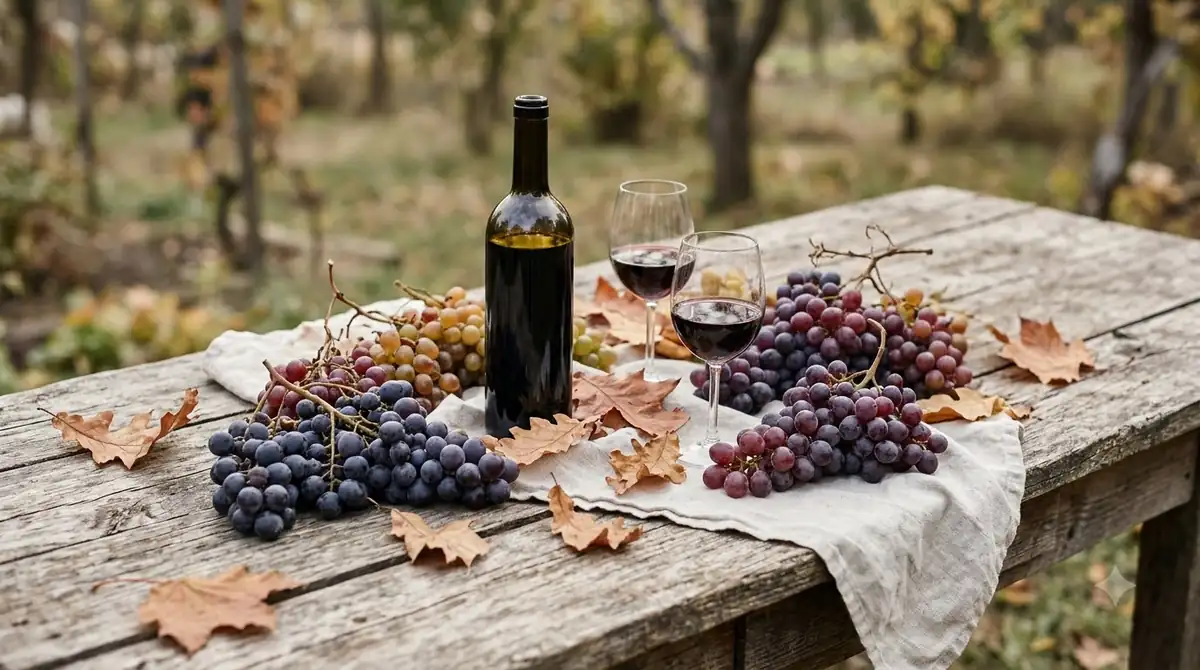
The vineyards lie in the Yonne department of northern Burgundy, around the Serein River. The region’s semi-continental climate creates challenging growing conditions and helps preserve the lively acidity associated with its wines. The area’s geology includes Kimmeridgian limestone formed approximately 150 million years ago, containing small fossilized oyster shells. These geological features contribute to the region’s identity and are frequently discussed when describing Chablis’s mineral character.
Chablis is made exclusively from Chardonnay and is classified into four appellation levels. These levels provide a useful starting point when selecting a bottle for dinner, although individual vineyard sites, producers, vintages, and winemaking choices also influence the finished wine.
- Petit Chablis: Generally fresh, direct, and approachable, with citrus and lively acidity. It is particularly suitable for oysters, shrimp, salads, and lighter appetizers.
- Chablis: The village-level appellation offers a balance of freshness, fruit, and minerality. It is a versatile choice for seafood, sushi, white fish, poultry, and cheese.
- Chablis Premier Cru: These wines generally have greater aromatic complexity and structure. They work well with cooked seafood, scallops, richer fish dishes, and poultry with cream sauces.
- Chablis Grand Cru: These are generally the most powerful and concentrated expressions of the appellation. Their texture and complexity make them appropriate for lobster, mushroom dishes, rich seafood preparations, and fine poultry.
The differences matter because a delicate raw oyster and a lobster dish with butter sauce do not have the same intensity. A lighter Petit Chablis may be ideal for the first, while a fuller Grand Cru can provide a more satisfying match for the second. The goal is to avoid choosing a wine that overwhelms the food or disappears beside it.
Chablis Grand Cru has seven named Climats: Bougros, Preuses, Vaudésir, Grenouilles, Valmur, Les Clos, and Blanchot. Premier Cru includes 40 named Climats grouped under 17 principal names. These vineyard distinctions can help explain why two bottles from the same broad appellation may offer different levels of concentration, texture, and aromatic expression.
Oysters and Shellfish: The Classic Chablis Pairing
Oysters, mussels, shrimp, crab, and other shellfish are among the most reliable partners for Chablis. The wine’s acidity refreshes the palate, while its dry, mineral character complements the delicate sweetness and salinity of seafood.
Raw oysters on the half shell are the classic starting point. Their clean, briny flavor works particularly well with the fresh citrus and mineral notes of a young Chablis or Petit Chablis. The wine adds brightness without covering up the oyster’s natural character. This is especially effective when oysters are served simply, perhaps with a small amount of lemon or a restrained mignonette.
The preparation matters. A raw oyster with a sharp vinegar dressing calls for a wine with enough acidity to match the garnish. Chablis generally provides that freshness, but a heavily sweetened sauce can make a dry wine seem sharper and less balanced. Keep accompaniments restrained when the bottle is particularly crisp.
Cooked oysters offer another excellent opportunity. Oysters baked with herbs, garlic, or a light butter preparation have more richness than raw oysters. A village Chablis can work well with relatively simple recipes, while Premier Cru is a stronger candidate for more elaborate preparations involving cream, butter, or savory sauces.
Shrimp and prawns are similarly flexible. Chablis works with chilled shrimp cocktail, grilled prawns, sautéed shrimp, and seafood salads. For grilled shrimp, lemon, parsley, and olive oil help connect the food to the wine’s citrus and savory characteristics. Avoid overly sweet glazes that can make the wine taste more acidic by comparison.
Crab and lobster deserve slightly different treatment. Fresh crab meat is delicate and often needs little more than lemon or a light dressing, making standard Chablis an excellent choice. Lobster with drawn butter or a creamy sauce is richer and more substantial, so Premier Cru or Grand Cru generally provides a better match.
Matching shellfish preparations to Chablis
- Raw oysters: Petit Chablis or young village Chablis.
- Oysters Rockefeller: A fuller village Chablis or Premier Cru, depending on the richness of the cream and butter.
- Garlic butter shrimp: Chablis or Premier Cru.
- Chilled crab: Petit Chablis or standard Chablis.
- Grilled lobster: Premier Cru or Grand Cru.
- Mussels in white wine sauce: Standard Chablis or Premier Cru.
- Scallops with butter: Premier Cru, particularly when the preparation includes a creamy sauce.
For a seafood dinner, it is also useful to consider other crisp white wines. An albarino food pairing offers another approach to shrimp, grilled fish, and shellfish, especially when a slightly more fruit-forward profile is desirable. Chablis remains a particularly strong choice when the dish emphasizes briny flavors, delicate textures, and clean seasoning.
Fish, Sushi, and Seafood Main Courses
Chablis pairs naturally with white fish, salmon, sushi, and many cooked seafood dishes. Its acidity keeps delicate fish preparations fresh, while its mineral character complements the subtle savory flavors of the sea.
For simply prepared white fish, choose grilled, baked, or poached cod, sole, halibut, or sea bass. These fish have relatively delicate flavors that suit the lighter body of standard Chablis. A little butter, lemon, parsley, or olive oil adds enough richness to make the combination satisfying without overpowering the wine.
Poached fish with a light beurre blanc is another good option. The sauce’s butter gives the dish additional weight, while its acidity can connect with the freshness of Chablis. A village wine works for a restrained sauce, whereas Premier Cru is worth considering when the preparation becomes richer or more elaborate.
Salmon requires attention to cooking method. Raw salmon in sashimi or lightly seasoned preparations can work with a fresh village Chablis. Baked or poached salmon with herbs is also a sensible match. However, heavily smoked salmon, sweet glazes, and strongly seasoned preparations can change the balance. For a rich salmon dish with butter or cream, a more structured Premier Cru may be preferable.
Sushi and sashimi are particularly versatile partners. Chablis complements the clean flavor of tuna, salmon, white fish, and shrimp without adding noticeable sweetness. Its freshness also helps balance the richness of fatty fish. Serve it with moderate amounts of soy sauce and wasabi, since excessive salt and heat can distract from the wine’s delicate aromas.
Fish tacos can work as well, provided the toppings remain reasonably balanced. Grilled white fish with cabbage, cilantro, lime, and a restrained yogurt dressing offers enough freshness to complement Chablis. A heavily spiced, sweet, or hot salsa is less suitable because intense chili heat can make alcohol and tannin more noticeable in wine. Chablis has little tannin, but alcohol and concentrated spice can still create an uncomfortable sensation.
Fish soups and seafood stews depend on their intensity. A light broth with cod, shrimp, and vegetables is suitable for standard Chablis. A richer seafood stew with cream, butter, or substantial shellfish may be better with Premier Cru. Very tomato-heavy preparations can also present a challenge because tomato’s acidity needs a wine with sufficient freshness to maintain balance.
Chicken, Turkey, and Other White Meats
Chicken and turkey are excellent alternatives to seafood when choosing Chablis food pairing options. Their relatively mild flavors allow the wine’s freshness to remain noticeable, while roasting, butter, mushrooms, and cream create enough richness for more complex appellations.
Roast chicken is one of the most dependable choices. A simply seasoned bird with lemon, thyme, garlic, and pan juices works with standard Chablis. The wine’s acidity refreshes the palate between bites, while its subtle savory qualities complement the browned skin and roasted flavors.
For chicken with mushrooms, consider Premier Cru. Mushrooms add earthy, savory complexity that can connect with the mature, sometimes more developed aromas of Chablis. A preparation involving sautéed cremini mushrooms, shallots, thyme, and a light cream sauce provides a particularly good match.
Chicken in a white wine sauce is another natural option. The sauce can be made with stock, a little cream, butter, and herbs. The wine’s freshness helps prevent the dish from feeling excessively rich. A fuller Premier Cru offers more depth than a particularly light Petit Chablis when the sauce is substantial.
Turkey breast with herbs, roasted potatoes, and green vegetables is suitable for village Chablis. Its moderate weight and delicate flavor are compatible with the wine’s dry profile. Turkey with mushroom gravy or a cream-based sauce may justify opening a Premier Cru instead.
Veal is another traditional match, especially when served in white sauce. Its delicate meat texture does not overwhelm the wine, while the sauce provides a richer foundation. The Bourgogne Wine Board specifically identifies veal in white sauce as a suitable companion for more mineral-driven Premier Cru wines.
Rabbit with mustard and cream is also worth considering. The meat has a relatively delicate flavor, and the sauce supplies richness that a structured Chablis can balance. Similarly, chicken with tarragon, leek, or a restrained mustard sauce can work well.
Cooking methods should guide the choice of bottle. Grilled or roasted white meats are usually easier to match with village Chablis than heavily smoked or barbecue-glazed meats. Sweet barbecue sauces and strong smoke flavors can dominate the wine. When the preparation emphasizes herbs, butter, mushrooms, or cream, the pairing becomes considerably more harmonious.
Cheese, Vegetables, and Vegetarian Dishes
Chablis is not limited to fish and meat. Fresh goat cheese, firm French cheeses, asparagus, salads, and vegetable tarts can all make excellent partners, particularly when the food retains fresh, savory, and moderately rich flavors.
Fresh goat cheese is a natural starting point. Its tangy acidity and creamy texture work well with the refreshing character of Petit Chablis and standard Chablis. Serve the cheese with crusty bread, herbs, or a simple green salad. Avoid very sweet fruit preserves if the wine is particularly dry.
Hard cheeses provide another set of possibilities. Comté, Beaufort, Emmental, and Gruyère are recognized regional pairing suggestions. Their firmer texture and savory flavors complement the wine’s dry character. A mature Chablis or Premier Cru can be particularly satisfying with aged cheeses that have more concentrated flavor.
Blue cheese is more challenging. Many blue cheeses are intensely salty and sometimes sweet, while Chablis is generally dry and restrained. A mild blue cheese may work in small portions, but stronger examples can overwhelm the wine. For particularly pungent or sweet blue cheeses, another wine style may be more suitable.
Vegetables require attention to preparation because some have strong natural flavors. Asparagus is a good example: its grassy and sometimes bitter qualities can make wine pairing difficult. Chablis has enough freshness and savory character to work with asparagus prepared simply with olive oil, lemon, or a modest amount of butter.
Other useful vegetables include fennel, leeks, green beans, zucchini, and mushrooms. Roasted zucchini with herbs and lemon suits a lighter village Chablis. Sautéed mushrooms with butter and garlic are better candidates for a fuller village wine or Premier Cru. A vegetable tart with goat cheese and herbs also offers a pleasing combination of crisp pastry, creamy filling, and acidity.
Quiche Lorraine can work with standard Chablis because its egg, cream, and pastry components create a soft, rich texture that the wine’s acidity can refresh. Vegetable quiches with spinach, asparagus, or leeks are similarly useful options. For a more substantial meal, pair the wine with a mushroom tart and a simple salad.
For cheese-centered dinners, the choice of wine can also depend on the cheese’s intensity. A mild goat cheese platter suits Petit Chablis, while aged Comté and Gruyère can handle the greater structure of Premier Cru. A cheese board with several styles is best built around moderate flavors rather than very pungent varieties.
Spicy Food, Sauces, and Dishes to Avoid
Chablis can work with some international and spicy dishes, particularly preparations that emphasize herbs, citrus, vegetables, and moderate seasoning. The main challenge is controlling chili heat, sweetness, and heavily concentrated flavors.
One of the more interesting recommendations from the Chablis regional wine body is tandoori chicken. The combination can work because yogurt-based marinades, herbs, and aromatic spices provide savory complexity without necessarily making the food excessively hot. A fresh village Chablis is a sensible starting point.
Milder curries can also be suitable. Consider chicken curry with coconut milk, fresh ginger, coriander, and moderate chili. The wine’s acidity can refresh the palate, while the dish’s creamy texture gives it enough weight. However, very hot curries can make the alcohol in wine feel more pronounced and the wine’s delicate flavors harder to appreciate.
Thai dishes can work when the seasoning is restrained. Steamed fish with lime, herbs, and a moderate amount of chili is a better choice than an intensely hot curry. Vietnamese seafood preparations with fresh herbs, citrus, and fish sauce can also suit Chablis, provided the accompanying dipping sauce is not overly sweet or spicy.
Some dishes are less suitable. Heavy barbecue sauces, strongly smoked meats, very sweet glazes, and intensely hot preparations tend to dominate the wine. Rich red meats such as ribeye steak are also usually better matched with structured red wines, particularly when grilled or served with pepper-heavy sauces. For those meals, a Barbera food pairing offers a useful alternative, particularly with tomato-based sauces and moderately rich meat dishes.
There is another important exception involving oily fish and tannic red wine. Chablis is a white wine with very little tannin, so it avoids the classic clash between oily fish and tannic reds. This makes it a useful alternative to Cabernet Sauvignon or other high-tannin reds when serving salmon, tuna, or richer fish dishes.
Food acidity matters, too. Lemon juice, vinegar, pickled vegetables, and acidic tomato sauces can make a wine seem less lively if the wine does not have comparable acidity. Chablis generally has the freshness needed for many citrus-based seafood dishes, but a strongly vinegar-based preparation may still overwhelm a delicate bottle.
Tip: Match the wine’s acidity to the food’s acidity and its body to the dish’s richness. For example, serve young Chablis with lemon-dressed oysters, village Chablis with herb-roasted chicken, and Premier Cru with scallops in butter sauce. If a dish becomes noticeably hotter, sweeter, or richer, adjust the wine selection accordingly.
For more detailed guidance on balancing acidity, sweetness, salt, and food intensity, consult this practical Wine Pairing resource. These basic principles are useful beyond Burgundy and can help when choosing wine for unfamiliar dishes.
Serving Temperature and Building a Chablis Menu
Chablis is best served cool rather than extremely cold. A temperature around 50–55°F allows the wine’s citrus, mineral, and savory characteristics to show without losing the refreshing quality that makes it such a useful food wine.
The Bourgogne Wine Board recommends approximately 10–11°C, or 50–52°F, for standard Chablis and Premier Cru. Petit Chablis is often enjoyable slightly cooler, particularly as an aperitif or with raw seafood. Fuller and more mature bottles benefit from a little additional warmth to reveal their aromas. Some Grand Cru producers recommend 12–14°C for their richer wines.
The following temperature ranges offer practical starting points for a dinner service:
| Chablis style | Serving temperature | Suggested food |
|---|---|---|
| Petit Chablis | 45–50°F | Raw oysters, shrimp, salads |
| Village Chablis | 50–55°F | White fish, sushi, roast chicken |
| Premier Cru | 50–55°F | Scallops, creamy fish, veal |
| Grand Cru | 50–55°F | Lobster, mushrooms, fine poultry |
These are practical serving targets rather than strict rules. The temperature at which the wine is poured and the temperature at which it warms in the glass will differ slightly. Avoid serving a complex bottle directly from an extremely cold refrigerator because excessive chilling can mute its aromatic detail.
A straightforward preparation method is to refrigerate the bottle for a few hours before dinner, then allow it to stand briefly at room temperature if it becomes too cold. An ice bucket can help maintain a cool temperature during a longer meal, but continuous immersion in ice is not always necessary.
Three practical Chablis dinner menus
Menu 1: A classic seafood dinner. Begin with raw oysters and a chilled Petit Chablis. Follow with grilled sea bass, lemon, parsley, and steamed green vegetables, served with standard Chablis. Finish with a mild goat cheese and crusty bread. This menu emphasizes freshness and keeps the flavors delicate from beginning to end.
Menu 2: A richer French-inspired dinner. Start with cooked scallops in a light butter sauce and Premier Cru. Serve roast chicken with mushrooms, thyme, and a moderate cream sauce as the main course. Finish with aged Comté or Gruyère. The progression gives the wine enough food intensity to remain expressive without introducing excessively strong flavors.
Menu 3: A seafood celebration. Begin with shrimp and crab salad, followed by grilled lobster with a restrained butter and herb sauce. A fuller Premier Cru or Grand Cru can accompany the main course. Add roasted asparagus and potatoes as side dishes, keeping the seasoning simple so the wine remains the focus.
For a mixed dinner party, one village Chablis can cover several courses. It is generally versatile enough for shrimp, grilled white fish, chicken, and moderate cheeses. If the menu includes both raw oysters and a rich lobster preparation, consider serving two different appellation levels rather than expecting one bottle to cover every dish equally well.
Pour approximately 5 ounces per glass. A standard 750 ml bottle provides about five such servings, making it a convenient amount for a small dinner. Store unopened bottles on their sides in a cool, dark place near 55°F, away from direct sunlight and temperature fluctuations.
Opened still Chablis can generally remain enjoyable for approximately 3–5 days when resealed and refrigerated, although its freshness and aromas gradually change. A suitable wine stopper helps limit exposure to oxygen. For an especially delicate or mature bottle, drinking it sooner is preferable.
For additional regional pairing recommendations, the official Chablis wine association’s food pairing recommendations provide examples ranging from Petit Chablis with shellfish to Grand Cru with lobster and creamy fish dishes. The Bourgogne Wine Board’s appellation information also explains the distinctions between village Chablis and Premier Cru.
Frequently Asked Questions
Is Chablis always made from Chardonnay?
Yes. Authentic Chablis appellation wines are made exclusively from Chardonnay. The French appellation is protected, so Chardonnay produced elsewhere cannot legally be sold as Chablis simply because it has a similar flavor profile. The local name for Chardonnay in Burgundy is Beaunois.
Is Chablis the same as unoaked Chardonnay?
No. Chablis is a geographical appellation, not a winemaking technique. Although stainless steel and older oak vessels are common choices, some producers use new oak for selected wines, particularly more ambitious bottlings. Therefore, Chablis should not automatically be described as completely unoaked.
Can Chablis be aged before serving?
Yes. Although many basic Chablis wines are enjoyed young, more structured examples can develop additional complexity in the bottle. Premier Cru wines can have an aging potential of approximately five to ten years, while some Grand Cru wines can develop over longer periods. Mature examples may show more developed savory, mushroom, and honeyed characteristics.
Does Chablis contain residual sugar?
Chablis is classified as a dry white wine rather than a sweet dessert wine. Its ripe fruit aromas can sometimes give an impression of sweetness, but citrus and apple flavors do not mean the wine is actually sweet. Its dry finish is one reason it works so well with oysters, shellfish, and savory meals.
Why does Chablis sometimes smell like oyster shells or flint?
These are common descriptive terms used for the wine’s mineral and savory aromatic character. The region’s Kimmeridgian geology contains ancient marine fossils, including oyster shells, which are frequently associated with Chablis’s distinctive identity. These descriptions refer to sensory impressions rather than literal oyster or stone ingredients in the wine.
Chablis is one of the most versatile dry white wines to serve with food, particularly when the menu emphasizes seafood, fish, poultry, vegetables, and cheese. Start with Petit Chablis for lighter dishes, standard Chablis for everyday meals, and Premier Cru or Grand Cru for richer preparations. With the right temperature and thoughtful seasoning, its freshness and mineral character can make everything from a simple oyster platter to an elaborate seafood dinner more enjoyable.
More in Food & Wine Pairing
 Risotto With White Wine Recipe: Make a Creamy Dinner at HomeUpdated Nov 20, 2026
 Wassail With Wine Recipe for a Festive Spiced Holiday DrinkUpdated Nov 20, 2026
 Spritz Veneziano Recipe: Make a Classic Venetian Aperitivo at HomeUpdated Nov 20, 2026
 Summer Wine Punch Recipe for Easy Homemade EntertainingUpdated Nov 20, 2026
 Bishop Recipe: How to Make a Bright, Citrus-Forward Red Wine CocktailUpdated Nov 20, 2026
 Wine Cupcakes Recipe: Bake Rich Chocolate Cupcakes at HomeUpdated Nov 20, 2026