

We may earn a commission when you buy through links on this page, at no extra cost to you. Learn more.
If you have ever wondered where is chardonnay from, the grape originated in the Burgundy wine region of east-central France. DNA profiling confirms it is a natural cross between Pinot Noir and the nearly extinct Gouais Blanc grape. Today, winemakers cultivate Chardonnay across nearly every major wine-producing country, from California and Oregon to Australia, Chile, and South Africa.
Chardonnay holds a unique place in the wine world because its flavor profile acts like a blank canvas shaped by climate and cellar choices. While many drinkers associate it with rich, buttery California bottles, its ancestral French homeland produces wines known for razor-sharp acidity and chalky minerality.
What It Is
Chardonnay is a green-skinned Vitis vinifera grape variety that produces dry, medium- to full-bodied white wines as well as world-famous sparkling wines. According to genetic researchers and educators at Wine Folly, the grape is a spontaneous medieval cross between Pinot and Gouais Blanc, making it a full sibling to Aligoté, Auxerrois, and Melon de Bourgogne.
Because the grape itself has relatively neutral primary aromatics compared to intensely floral varieties, it reflects its growing environment and winemaking techniques with remarkable clarity. In the vineyard, Chardonnay buds early in the spring, which makes young shoots vulnerable to late frosts, though the vines adapt well to a wide range of soils—especially the limestone and marl slopes of eastern France.
In the winery, two major choices determine how a bottle tastes in your glass: oak aging and malolactic fermentation. Winemakers who ferment and age the juice in stainless steel tanks preserve crisp green fruit and bright acidity. Those who use oak barrels and encourage malolactic fermentation—a secondary bacterial process that converts sharp malic acid into softer lactic acid—create the creamy texture and vanilla notes many Americans recognize immediately. Exploring Wine by Type helps clarify how these cellar decisions separate Chardonnay from lighter, strictly stainless-steel whites.
Flavor and Styles
Chardonnay spans a wider stylistic spectrum than almost any other white wine grape, shifting from lean and stony to lush and tropical depending on regional temperatures and oak treatment. Cool-climate expressions deliver brisk lemon zest, green apple, and wet stone, whereas warm-climate bottlings lean toward yellow peach, pineapple, and baking spices.
According to editors at Wine Enthusiast, primary fruit flavors depend heavily on harvest dates and sunshine hours. Cooler vineyards yield crisp orchard fruit and citrus, while sun-drenched regions ripen the grapes further into mango, papaya, and baked apple territory. Secondary flavors come from the cellar: aging on dead yeast cells (lees) adds brioche and nutty complexity, while French or American oak barrels contribute vanilla, coconut, and clove.
| Style Category | Key Aromas and Flavors | Body and Acidity | Typical ABV |
|---|---|---|---|
| Unoaked Cool-Climate (e.g., Chablis) | Green apple, lemon zest, chalk, white blossom | Light-to-medium body, high acidity | 12% to 13.5% |
| Oaked Burgundy (e.g., Côte de Beaune) | Yellow apple, hazelnut, brioche, subtle vanilla | Medium-to-full body, medium-high acidity | 13% to 14% |
| Warm-Climate Oaked (e.g., Napa Valley) | Ripe pineapple, baked apple, butter, toasted oak | Full body, medium-to-low acidity | 14% to 15% |
| Sparkling Blanc de Blancs (e.g., Champagne) | Meyer lemon, green pear, toasted almond, pastry | Light body, electric acidity | 12% to 12.5% |
With several years of bottle age, top-tier Chardonnay undergoes a dramatic transformation. The bright primary fruit recedes into secondary layers of toasted hazelnut, honey, butterscotch, and savory forest floor notes, proving that structured white wines can rival red wines in longevity.
Where It Grows
Although its genetic birthplace sits in Burgundy, Chardonnay is now planted across every major winemaking continent, thriving in both cool coastal zones and warm inland valleys. France remains the benchmark for regional expression, while California, Oregon, Australia, and South America have established distinct New World identities.
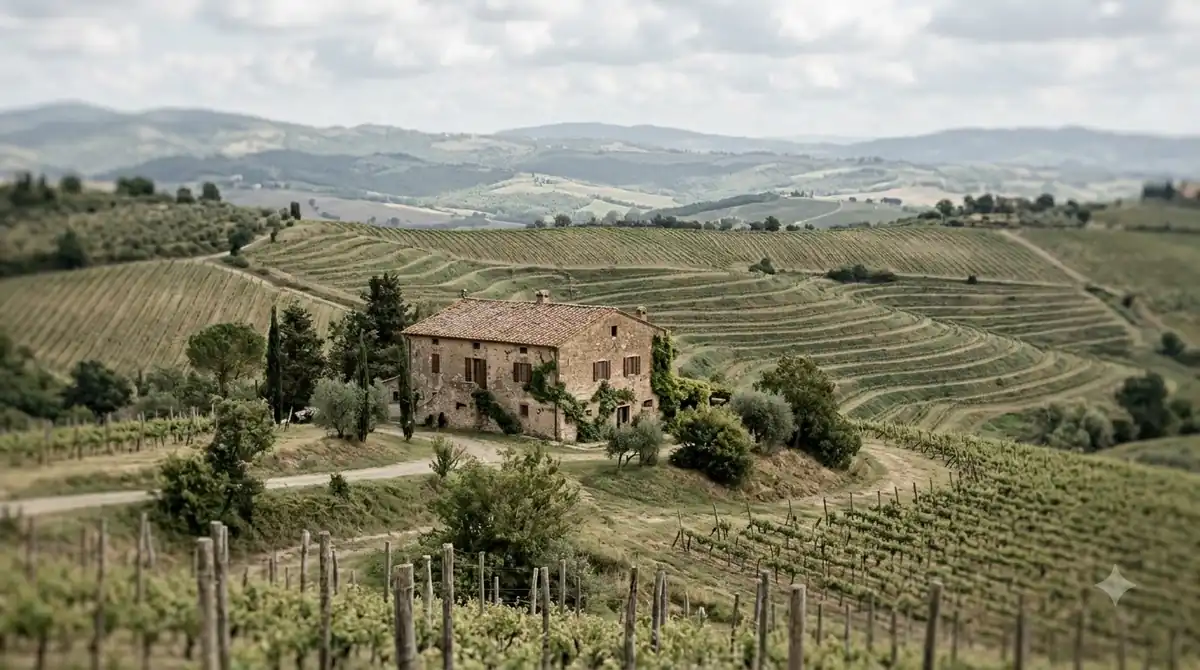
Within Burgundy itself, the grape takes on four distinct personalities from north to south. At the northern tip, Chablis sits on Kimmeridgian limestone loaded with fossilized oyster shells, yielding steely, unoaked wines. Further south in the Côte de Beaune—home to legendary villages like Meursault, Puligny-Montrachet, and Chassagne-Montrachet—winemakers use French oak to build structured, age-worthy whites. Moving south again, the Côte Chalonnaise offers balanced, approachable bottlings, while the warmer Mâconnais region produces fruit-forward wines bursting with white peach and melon. Just north of Burgundy in Champagne, Chardonnay is also one of the three primary grapes used in traditional sparkling wine, forming the backbone of crisp Blanc de Blancs bottlings.
Outside France, California made Chardonnay a household name in the United States, particularly after a Napa Valley bottling won the blind tasting at the 1976 Judgment of Paris. Today, cooler coastal California pockets like the Sonoma Coast, Santa Barbara County, and Carneros produce bright, balanced styles, while Oregon’s Willamette Valley turns out tense, high-acid expressions. In the Southern Hemisphere, Australia’s Margaret River and Yarra Valley, New Zealand’s Marlborough, Chile’s Casablanca Valley, and Argentina’s Mendoza all craft acclaimed regional styles. If you enjoy tracing how geography shapes classic European varieties, compare Chardonnay’s Burgundian roots with where is pinot grigio from in northern Italy or where is moscato from in Piedmont.
How to Serve
Serving Chardonnay at the proper temperature prevents bright, unoaked bottles from tasting sharp and keeps rich, oak-aged bottles from feeling heavy or overly alcoholic. As a general rule, lighter styles belong closer to refrigerator temperature, while full-bodied, barrel-aged bottles benefit from a gentler chill.
For lean, unoaked wines like Chablis or sparkling Blanc de Blancs, aim for 38°F to 45°F for bubbles and around 45°F to 50°F for still whites. Two hours in a standard kitchen refrigerator brings a room-temperature bottle into this crisp zone. For full-bodied, oak-aged Chardonnay from Côte de Beaune or Napa Valley, target 50°F to 55°F—roughly 15 to 20 minutes out of the fridge before pouring. Serving an oaked white straight from an ice-cold refrigerator mutes its nutty, vanilla, and orchard-fruit aromatics.
Tip: Use a large-bowled white wine glass or a standard Burgundy glass for oak-aged Chardonnay so the broader surface area directs subtle brioche and hazelnut aromas toward your nose.
Once opened, re-cork the bottle tightly and store it upright in the refrigerator. Most still Chardonnays stay fresh for two to four days before oxygen dulls their fruit flavors. If you are serving an older vintage White Burgundy or a tightly wound cool-climate bottle, letting it breathe in the glass for 20 minutes often unlocks hidden layers of citrus blossom and toasted grain.
Food Pairing
Chardonnay’s versatility at the dinner table comes from matching the weight and richness of the wine to the texture of your dish. Crisp, high-acid bottlings act like a squeeze of fresh lemon over delicate seafood, while creamy, barrel-aged styles stand up to butter, cream sauces, and roasted meats.
Unoaked, mineral-driven Chardonnays pair effortlessly with raw oysters, steamed mussels, grilled sea bass, halibut ceviche, and goat cheese salads. The wine’s bright acidity slices through briny shellfish and light vinaigrettes without overpowering subtle flavors. When you move into medium-bodied styles with gentle oak, roast chicken with herbs, pork tenderloin, crab cakes, and creamy mushroom risotto become natural partners.
Full-bodied, buttery Chardonnays thrive alongside richer comfort foods. Lobster dipped in drawn butter, fettuccine Alfredo, baked brie, and roasted winter squash echo the wine’s velvety mouthfeel and toasted oak notes. One classic kitchen rule to keep in mind is to avoid pairing heavily oaked, high-alcohol Chardonnay with intensely spicy chili dishes or overly salty cured meats, as oak tannins and elevated alcohol can accentuate heat and taste bitter against sharp salt—a contrast where sparkling reds like where is lambrusco from often perform better.
How to Choose a Bottle
Reading a Chardonnay label carefully gives you reliable clues about whether the wine inside leans crisp and mineral or rich and creamy, even before you pull the cork. Look first at the region name, vintage climate, and winemaking terms printed on the front or back label.
If you prefer bright acidity and clean fruit without heavy wood flavors, look for labels reading Chablis, Petit Chablis, Bourgogne Blanc, Willamette Valley, or Sta. Rita Hills, as well as terms like “unoaked,” “stainless steel,” or “naked.” Regions with strong ocean breezes or higher latitudes naturally retain tart malic acid, keeping the finish refreshing and snappy.
If you enjoy a rounder, fuller mouthfeel with notes of vanilla, butter, and baked apple, search for bottles from Napa Valley, Sonoma County, Mâcon-Villages, or Côte de Beaune appellations like Meursault. Back-label mentions of “barrel-fermented,” “French oak,” “sur lie” (aged on lees), or “malolactic fermentation” signal that the winemaker intentionally built texture, spice, and richness into the final blend.
Frequently Asked Questions
Is Chardonnay always dry or can it be sweet?
The vast majority of Chardonnay is fermented completely dry, meaning yeast converts almost all natural grape sugar into alcohol. However, warm-climate bottles with ripe tropical fruit flavors and sweet vanilla notes from oak barrels often give the impression of sweetness on the palate. A small handful of inexpensive commercial bottlings retain a few grams per liter of residual sugar for extra roundness.
Why do some Chardonnays taste buttery while others taste crisp?
The buttery flavor comes from a winemaking process called malolactic fermentation, which converts sharp green-apple malic acid into softer, creamy lactic acid and releases a compound called diacetyl. Winemakers crafting crisp styles like Chablis block this conversion and ferment in stainless steel to preserve bright citrus acidity. Producers aiming for a plush California or Côte de Beaune profile encourage both malolactic fermentation and oak barrel aging.
What is the difference between White Burgundy and Chardonnay?
They are made from the exact same grape variety, as nearly all White Burgundy is 100 percent Chardonnay. French wine law labels bottles by their geographic origin rather than the grape name, so a bottle from Chablis or Meursault rarely prints “Chardonnay” on the front label. Calling it White Burgundy simply specifies that the Chardonnay grapes were grown and vinified in France’s Burgundy region.
How long can you age a bottle of Chardonnay?
Everyday unoaked Chardonnays and regional blends are meant to be enjoyed fresh within one to three years of the vintage date. High-acid, structured bottlings from Premier Cru and Grand Cru vineyards in Burgundy, as well as top coastal California and Australian estates, can age gracefully for 10 to 20 years. Over time, these cellar-worthy bottles develop complex notes of toasted hazelnut, honey, and dried apricot.
Tracing Chardonnay back to its limestone roots in Burgundy explains why a single grape can produce so many distinct wines around the globe. Whether you reach for a steel-fermented Chablis or a barrel-aged California classic, understanding its origins makes picking the right bottle for any meal straightforward.
More in Wine Types & Grapes
 Zinfandel Sugar Content: Dry Red vs. White Zinfandel GramsUpdated Nov 21, 2026
 Best Zinfandel Substitute Options for Sipping and CookingUpdated Nov 21, 2026
 Zweigelt Food Pairing: Best Dishes, Cheeses, and Serving TipsUpdated Nov 21, 2026
 Zinfandel Tannins Explained: How Structure Shapes Every BottleUpdated Nov 21, 2026
 Zinfandel Sweetness Level: Dry Red vs. Sweet White Zin ExplainedUpdated Nov 21, 2026
 Xinomavro Food Pairing: Best Dishes, Styles, and Serving TipsUpdated Nov 21, 2026