

We may earn a commission when you buy through links on this page, at no extra cost to you. Learn more.
What is Frontenac? It is a dark-skinned, cold-hardy red wine grape bred at the University of Minnesota, known for cherry and black currant flavors and high natural acidity. The vine handles winter lows of -35 °F with little damage, which is why it is grown across the Upper Midwest. Winemakers use it for dry reds, rosés, and Port-style wines. Two color mutations, Frontenac gris and Frontenac blanc, give the family its white wines.
Frontenac is one of the best-known grapes in the cold-climate wine world, yet many wine drinkers have never seen its name on a shelf. Most bottles are sold by regional wineries close to where the grapes are grown. This guide covers where the grape came from, what the wine tastes like, how the vine survives harsh winters, and how it compares with other cold-hardy varieties.
Where the Frontenac Grape Came From
Frontenac was bred at the University of Minnesota by crossing a French hybrid with a northern wild grape, and it reached the public in 1996.
According to the university’s grape breeding program, Frontenac was the first of the Frontenac family to be released, and its introduction marked the start of a larger movement in Iowa, Wisconsin, and Minnesota. Planted acreage of cold-hardy grapes grew, and so did public interest in cold-hardy wines. Before Frontenac, many growers in the region had few dependable options for red wine grapes that could survive a northern winter.
The parentage explains much of the grape’s character. A WineMaker Magazine writer notes that the variety was bred in 1978 under the designation MN1047, from a cross of Landot Noir and a Vitis riparia selection known as clone #89. Good Fruit describes the same pairing as Landot 4511 crossed with native American Vitis riparia, which is the same French hybrid under a different catalog name. The French parent contributes winemaking potential, while the riparia side is the reason breeders value the vine for cold climates. The university’s breeding approach combines French hybrids for wine quality with riparia-based selections for hardiness and disease resistance, and Frontenac is one of the clearest results of that strategy.
What Frontenac Wine Tastes Like
Frontenac reds are known for cherry, black currant, and plum flavors, with high acidity and low tannin that keeps the wine bright and lively.
The University of Minnesota describes the wine as bold and cherry-forward, with hints of black currant and general red fruit. Its rosés show a light Bing cherry note and an off-dry finish. A University of Minnesota interim winemaker quoted by Good Fruit has said the grape has plenty of color and is well suited to port-style wines, and that a dry red made from it is mostly plums and black currants. Those descriptions match what many tasters report: a fruit-forward wine with a sharp, clean edge.
Acidity is the defining feature of the wine. Frontenac berries carry high acid and high sugar at harvest, so the wine feels crisp rather than soft. Research cited by WineMaker Magazine found that Frontenac’s tannin levels are generally low, and that the difference between vineyards in Iowa and South Dakota was not significant. Low tannin means the acidity carries more of the weight. A useful way to think about it is that perceived sweetness depends on the balance of acidity with bitterness and astringency, so a low-tannin wine with high acid tastes more tart and less drying than a high-tannin wine would. Some tasters also report a chocolate note as the wine ages.
If you are still working out how to say the name before you order a bottle, our guide on how to pronounce frontenac covers that question.
How Frontenac Handles Minnesota Winters
Frontenac is rated to survive temperatures near -35 °F with little damage, which makes it one of the more dependable red wine grapes for the coldest growing zones.
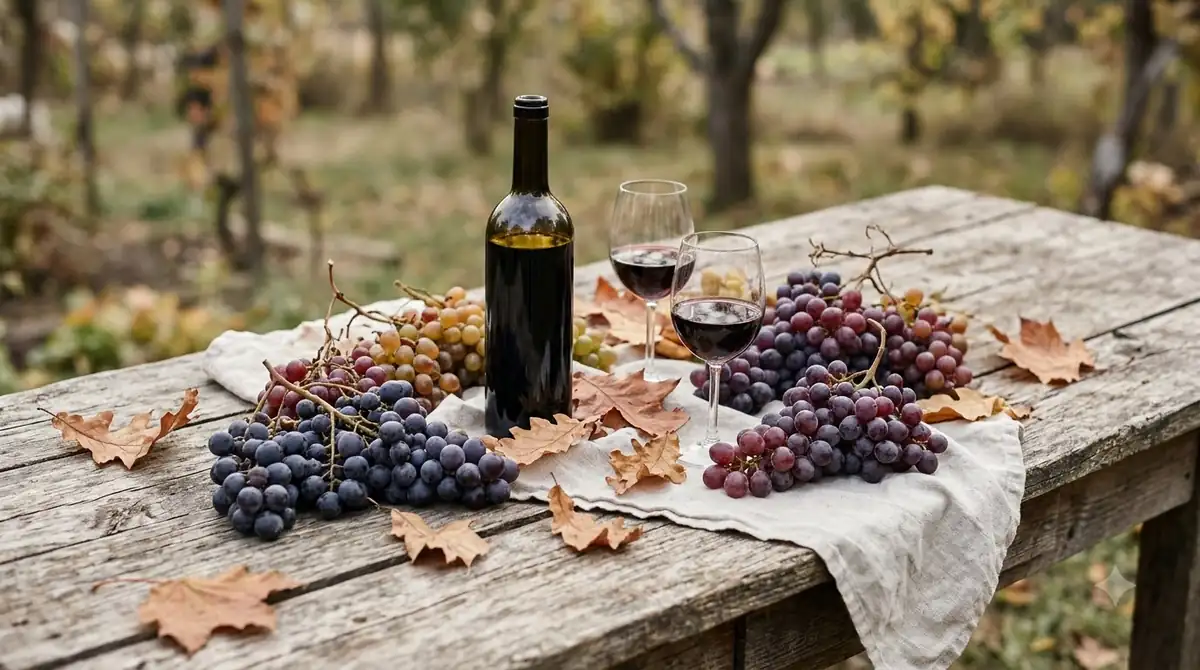
According to the University of Minnesota, Frontenac is extremely hardy and has been proven to survive cold events down to -35 °F with little damage relative to most other varieties. The university also says it is one of the best red varieties for USDA Zone 3, the coldest growing zone in the country’s standard hardiness map. That level of winter survival matters because a single bad winter can wipe out a vineyard that took years to establish, and growers in cold regions often plan their whole operation around it.
Cold hardiness comes with tradeoffs. Frontenac buds early in the season, which makes it prone to frost damage when late-spring freezes return. A WineMaker Magazine writer also notes that the grape ripens in the middle to late part of the season, so growers need to plan the calendar carefully. The vine is also vigorous, and the university says it is typically more vigorous than Marquette, which means canopy management matters more each year.
Disease pressure is manageable but real. The University of Minnesota’s grape profile for Frontenac rates the vine as moderately susceptible to black rot, botrytis bunch rot, and powdery mildew, and it is susceptible to foliar phylloxera. The good news for organic growers is that the vine is not sensitive to sulfur and copper sprays, so those products can be used as part of a fungicide program, especially around bloom.
Growing and Harvesting Frontenac Grapes
Frontenac is harvested later than many cold-climate varieties, and growers wait for sugar and acid to reach balance before picking, usually in October in Minnesota.
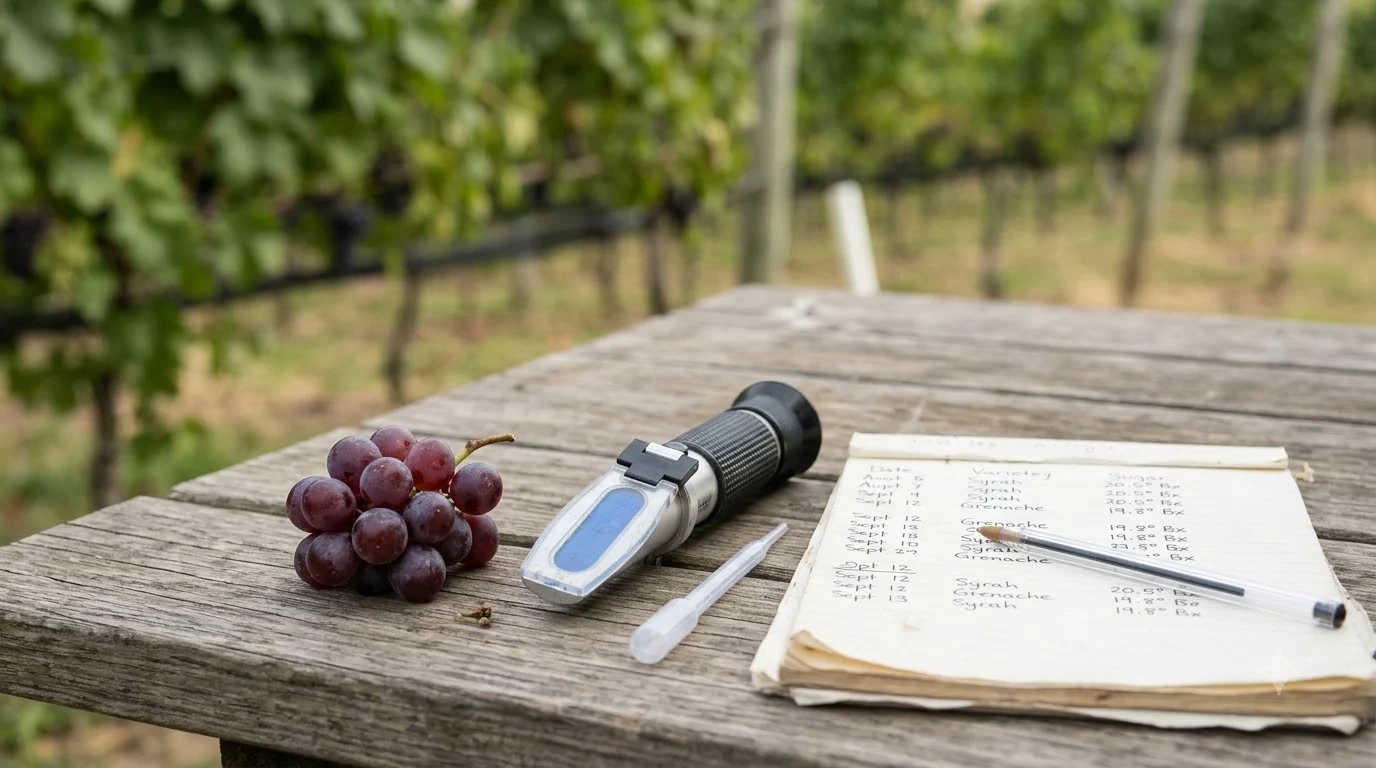
The University of Minnesota recommends a set of harvest benchmarks for the grape. Growers aim for 22 to 25 Brix, or up to 30 Brix for dessert wines, with a pH between 3.0 and 3.3 and titratable acidity of 10 to 15 g/L. The table below summarizes these targets along with the typical vineyard numbers the university lists for the variety.
| Harvest measure | Typical Frontenac target | What it means for the wine |
|---|---|---|
| Sugar | 22-25 Brix (up to 30 for dessert wines) | Sets alcohol and sweetness potential |
| pH | 3.0-3.3 | Affects how sharp the wine tastes and how stable it is |
| Titratable acidity | 10-15 g/L | High acidity needs time on the vine to soften |
| Cluster weight | About 0.3 lb | Medium clusters of small to medium berries |
| Yield | 5-8 tons per acre | Productive for a cold-hardy red vine |
Patience is the key lesson. The university notes that growers and winemakers may be tempted to pick early, but time is needed to lower the acidity. A WineMaker Magazine writer adds that Frontenac can reach 24 to 25 Brix if it is left hanging long enough, and that its high acid benefits from that extra hangtime. Waiting also gives the flavors more time to develop, which is why many growers leave the fruit on the vine into October.
For training, the university says Frontenac is easiest to manage on a High Wire system, because its semi-trailing growth and high vigor suit that setup. It can also be grown on a Geneva Double Curtain on fertile soil, and the university estimates about 3 to 5 buds per linear foot of cordon. Growers who choose vertical shoot positioning need to tuck shoots upward and hedge through the season, which adds labor.
Frontenac Wine Styles: Red, Rosé, Port, and the Color Mutations
Frontenac is made into dry red, sweet or dry rosé, and Port-style wines, while its two color mutations are used for white wines.
The standard red is the most common style. According to a WineMaker Magazine writer, the grape can be made as a dry red, a rosé, or a Port-style wine, and the dry red shows the cherry, black currant, and plum profile that defines the variety. Good Fruit reports that Frontenac is one of the more popular grapes grown in Minnesota, and that Minnesota producers use it for three main styles: a red table wine, a rosé, and a port. Winemakers often praise the port style, which can show a chocolate-covered cherry nose with mocha overtones, according to Irv Geary of the Minnesota Grape Growers Association.
Frontenac Gris
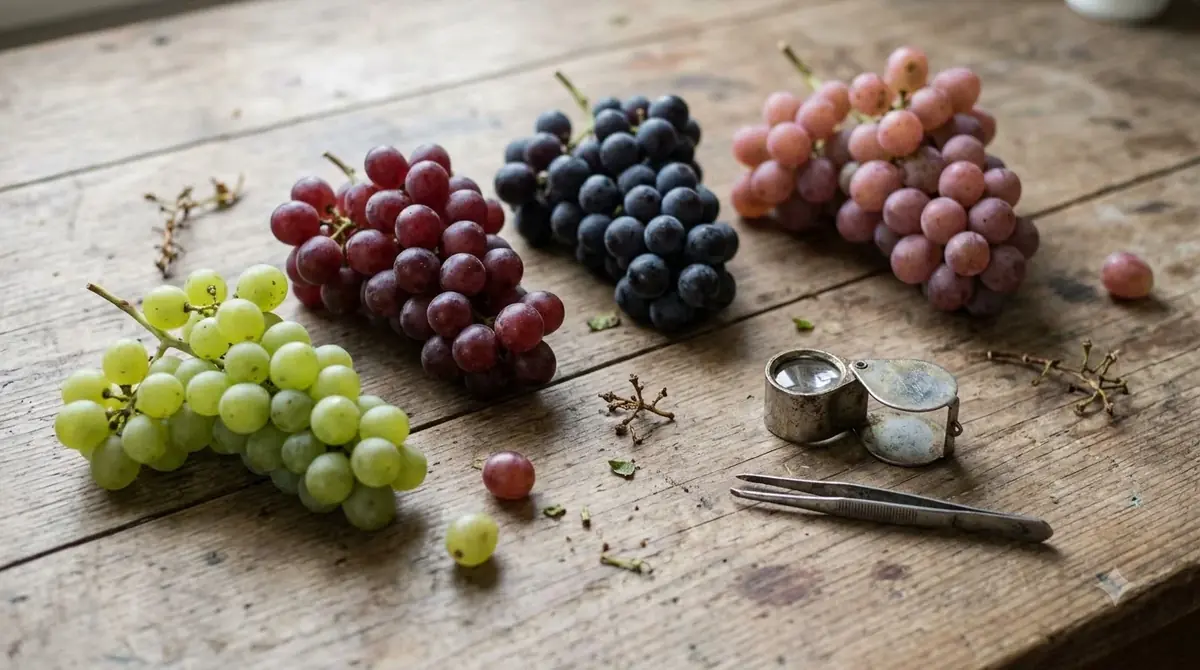
Frontenac gris came from a color mutation discovered in 1992 and released in 2003. The mutation produces pinkish, gray-skinned fruit, and the wines show peach, apricot, and citrus aromas. Good Fruit reports that Minnesota winemakers mostly use it for sweet to semi-sweet white dessert wine, and that some producers make ice wine from it because the grape holds on the vine well into early winter. Growers often wait for the first 15-degree day, usually in November or early December, before picking. You can read more about Minnesota’s cold-hardy white styles in Good Fruit’s review of five cold-hardy grapes.
Frontenac Blanc
Frontenac blanc is the white mutation. A WineMaker Magazine writer says it appeared in a Quebec vineyard in 2005, and Good Fruit reports it was introduced in 2012. The grapes turn yellow to gold when ripe, and the wines are sweet or off-dry, with a stone fruit aroma that is a little more subtle than the gris. Its best-known style is dessert or Port-style wine, where its high acidity keeps the sweetness in balance.
| Style | What to expect | Serving temperature |
|---|---|---|
| Dry red Frontenac | Cherry, black currant, plum; high acidity; low tannin | 55-60 °F |
| Rosé (sweet or dry) | Light Bing cherry, off-dry finish | 45-50 °F |
| Dry Frontenac gris | Peach, apricot, and citrus aromas; high acidity | 45-50 °F |
| Sweet gris or Frontenac blanc | Dessert style, stone fruit aroma | 43-50 °F |
Balancing Acidity, Sugar, and Tannin With Food
Frontenac’s high acidity and low tannin shape which foods work well with it, and the rules for pairing come down to matching acid, sweetness, and heat.
Acidic dishes need wine that is equally or more acidic, and Frontenac is well placed for that job. Tomato-based pasta, red-sauce pizza, and braised dishes with tomato or vinegar pair well because the wine’s acidity keeps pace with the sauce rather than being flattened by it. Rich, fatty foods such as sausage or roast pork also work, because the wine’s acid cuts through the fat and refreshes the palate between bites. The wine’s low tannin means it does not need a steak to show its best side.
Sweetness matters most for dessert. A rule of thumb is that the wine should be at least as sweet as the dessert, otherwise the wine tastes thin and sour. A Port-style Frontenac can handle cherry desserts and dark chocolate, while a sweet gris or Frontenac blanc suits fruit tarts. Spicy food needs more care. Chili heat is amplified by alcohol and tannin, so a sweeter rosé usually handles hot dishes better than a dry red does.
Tip: Serve a dry Frontenac red at 55-60 °F and chill a rosé to 45-50 °F. A pour of 5 oz gives you about five glasses from a 750 ml bottle, and an opened still wine keeps about three to five days in the refrigerator.
Storage is simple. Keep unopened bottles on their side in a cool place near 55 °F, away from light and heat. Once opened, reseal the bottle and refrigerate it, then finish it within a few days to keep the bright fruit and acid intact. Because the wine is built on acidity rather than tannin, it tends to hold its freshness reasonably well over that short window.
How Frontenac Compares With Marquette and Other Cold-Climate Reds
Frontenac is a brighter, more acidic red than Marquette, and that difference explains why each grape finds its own place on Minnesota wine lists.
A Minnesota grape growers’ president quoted by Good Fruit says Marquette has been more successful as a dry red than Frontenac, because Marquette has lower acidity and more body. Forbes, the University of Minnesota’s interim winemaker, describes Marquette as much like a Gamay and not overly tannic, which makes it an easy dry red for a wide audience. Frontenac, by contrast, is more intense in fruit and more acidic, and it is better known in port and rosé styles. Neither wine is better in general; they simply suit different palates and meals.
If you know Pinot Noir, Frontenac is a useful reference point. Both are reds with high acidity and low to moderate tannin, so they feel bright in the mouth. Frontenac’s fruit tends to be more concentrated and darker, with the black currant note that Pinot Noir often lacks. That combination gives Frontenac a stronger presence in the glass while keeping its acidity lively. For a white with a similarly sharp edge, a crisp option like arinto wine shows what high acidity can do in a lighter style.
For a wider view of how these varieties group by color and style, browse Wine by Type, which sorts grapes and wines in a way that makes comparisons easier.
Frequently Asked Questions
Is Frontenac a good grape for a home winemaker?
It can be, with some attention to detail. A WineMaker Magazine writer recommends a fermentation temperature of 80-85 °F and a longer maceration to extract color and flavor, because the grape’s tannin levels are low. Sorting out rotten fruit and watching the relationship between pH, acidity, and sulfur dioxide are also essential at home.
Can Frontenac be made into ice wine?
Yes. The University of Minnesota says Frontenac berries can hang late into the fall while keeping their quality, which makes the grape well suited to ice wine and dessert wine. Frontenac gris is especially tough on the vine, and Irv Geary of the Minnesota Grape Growers Association notes that growers often wait until the first 15-degree day before picking it.
How do winemakers lower the acidity of Frontenac?
Time on the vine helps, because the berries break down some malic acid as they hang, though the pH does not change much. After fermentation, malolactic fermentation can soften the acidity naturally. A WineMaker Magazine writer says that decision should be guided by taste and lab results rather than a fixed formula.
Where is Frontenac planted?
The grape is widely grown across the Upper Midwest, and some vineyards have been reported as far west as Nevada. A WineMaker Magazine writer also describes a project in northern Utah that plants Frontenac alongside other cold-hardy hybrids. That spread shows how far the variety has traveled from its origin in Minnesota.
Is Frontenac a very tannic wine?
No. A WineMaker Magazine writer cites research finding that tannin levels in Frontenac are generally low, with little difference between a vineyard in Iowa and one in South Dakota. The writer also notes that tannin levels in Marquette and St. Croix were similar in that research. Because the wine is low in tannin, winemakers rely on acidity and extraction techniques to build its structure.
Frontenac is a practical, expressive grape that proves cold climates can produce serious wine. Its cherry and black currant flavors, high acidity, and winter hardiness explain why it has become a cornerstone of Upper Midwest vineyards. Whether you drink it as a dry red, a rosé, or a port-style wine, the grape rewards a little patience and a good match with food.
More in Wine Types & Grapes
 Zinfandel Sugar Content: Dry Red vs. White Zinfandel GramsUpdated Nov 21, 2026
 Best Zinfandel Substitute Options for Sipping and CookingUpdated Nov 21, 2026
 Zweigelt Food Pairing: Best Dishes, Cheeses, and Serving TipsUpdated Nov 21, 2026
 Zinfandel Tannins Explained: How Structure Shapes Every BottleUpdated Nov 21, 2026
 Zinfandel Sweetness Level: Dry Red vs. Sweet White Zin ExplainedUpdated Nov 21, 2026
 Xinomavro Food Pairing: Best Dishes, Styles, and Serving TipsUpdated Nov 21, 2026