

We may earn a commission when you buy through links on this page, at no extra cost to you. Learn more.
How to pronounce frontenac: say it as fron-tuh-NAK, with three syllables and the strongest emphasis on the final syllable. The name belongs to a cold-hardy red wine grape developed by the University of Minnesota. You may also encounter the pronunciation written as fron-teh-NAK or fron-tin-ACK, but the important point is to finish with a clearly stressed “nack” sound.
If you have encountered Frontenac on a wine list, bottle label, or tasting menu, its spelling may initially seem unfamiliar. The name is easier to say once you break it into three parts and understand its connection to American cold-climate winemaking. Here is how to pronounce it confidently, recognize the grape, and understand what to expect from wines made with it.
The Correct Pronunciation of Frontenac
Frontenac is most commonly presented in American wine references as a three-syllable name: fron-tuh-NAK. The final syllable receives the emphasis, while the first two syllables are spoken more lightly.
Think of the name as three separate sounds:
- FRON: Begin with a sound similar to the beginning of the English word “front.” Keep it short and natural.
- tuh: Move into a light, relaxed middle syllable. It should not receive strong emphasis.
- NAK: Finish with a firm, clear sound resembling “nack.” This is the stressed syllable.
Put the parts together smoothly: fron-tuh-NAK. The name should take approximately one second to say at a comfortable conversational pace. Avoid pausing between syllables, since the goal is to make the word sound like one connected name rather than three unrelated sounds.
The Illinois Wine grape reference uses the phonetic spelling “Fron-teh-NAK.” Purdue University’s grape-growing publication instead writes the pronunciation as “fron-tin-ACK.” These spellings show that the middle vowel can vary slightly between English-language references. Neither variation changes the most useful feature of the pronunciation: the final syllable carries the emphasis.
For everyday wine conversations, fron-tuh-NAK is an accessible pronunciation to learn. It is clear, easy to remember, and consistent with the three-part structure used in pronunciation guides. You do not need to imitate a highly formal French accent to pronounce the grape name correctly in an American winery or restaurant.
One useful exercise is to say “FRON” softly, add “tuh,” and then make “NAK” slightly stronger. Repeat the complete word several times without exaggerating the final sound. Once the rhythm becomes familiar, you can use it naturally when asking about a particular bottle or discussing a regional wine selection.
Why Frontenac Has Different Pronunciation Guides
The differences between fron-tuh-NAK, fron-teh-NAK, and fron-tin-ACK mainly reflect how English speakers represent unfamiliar vowel sounds. The written name stays the same, and all three guides retain the important final-syllable emphasis.
Frontenac is a name with French associations, but the wine grape discussed here is an American-developed hybrid. This distinction helps explain why its pronunciation may not follow the expectations people bring from familiar French wine terminology. English-language wine organizations often provide practical phonetic spellings rather than a single internationally standardized pronunciation.
For example, the Illinois Wine reference separates the name into “Fron-teh-NAK.” Purdue uses “fron-tin-ACK” in its publication about grape varieties suitable for Indiana. Both spellings give readers a straightforward way to approach a name they may not have encountered before.
These differences are particularly noticeable in the middle syllable. Some speakers use a relaxed schwa sound, similar to the unstressed vowel in “about.” Others pronounce a more recognizable short e or short i. Regional accents and individual speaking habits can make the distinction even less noticeable in normal conversation.
The final syllable is the most reliable point of reference. Giving equal emphasis to all three syllables makes the name sound less natural. Placing the stress on the first syllable can also make it harder for listeners familiar with the usual American pronunciation to recognize the grape.
There is no need to become concerned about choosing between minor vowel variations. If you say fron-tuh-NAK clearly, most American wine professionals and enthusiasts will understand what you mean. The name is much easier to recognize when the final syllable is prominent and the three sounds flow together.
Is the name pronounced like a French surname?
The word Frontenac has a French historical and linguistic association, which can lead people to expect a distinctly French pronunciation. However, the grape is generally discussed in American wine education using English-friendly phonetic guides.
If you are speaking with an American winemaker, retailer, or sommelier, using the familiar American pronunciation is entirely appropriate. You can also recognize that someone using a slightly different middle vowel is probably referring to the same grape rather than a different wine variety.
What Frontenac Is and Where the Grape Comes From
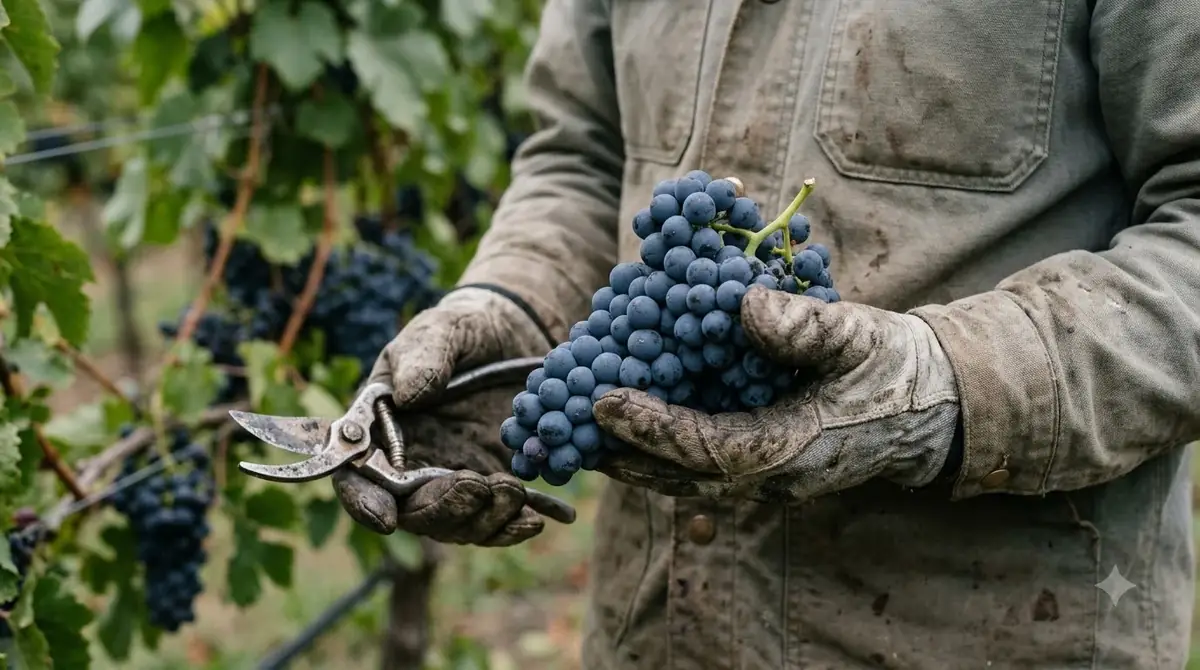
Frontenac is a red wine grape developed by the University of Minnesota to perform well in cold climates. Released in 1996, it became an important variety for vineyards in Minnesota, Wisconsin, Iowa, and other areas where winter temperatures can make traditional grape growing difficult.
The variety originated from a breeding cross involving Landot 4511 and a particularly cold-hardy selection of Vitis riparia, identified as selection No. 89. The University of California, Davis, Foundation Plant Services records the grape under the additional designation MN 1047 and identifies the University of Minnesota as its breeding institution.
Its development addressed a practical challenge. Many traditional wine grapes struggle with severe winter temperatures, particularly in the Upper Midwest. Growers needed varieties capable of surviving harsh winters while still producing fruit suitable for making recognizable table wines.
Frontenac helped answer that need. According to the University of Minnesota’s Frontenac grape growing profile, the variety can withstand cold events down to approximately -35°F with relatively little damage compared with many other grapes. This makes it particularly useful in USDA Zone 3 and other cold-growing environments.
Its introduction also contributed to increased interest in cold-hardy wine grapes. Minnesota and neighboring states could develop wine industries around varieties selected for their own growing conditions rather than relying exclusively on grapes associated with warmer European wine regions.
Frontenac is not simply a grape selected for survival. It also has characteristics that make it useful in the winery. Its dark berries produce deeply colored juice, and its natural acidity provides a distinctive structural feature in the finished wine.
The grape is a complex interspecific hybrid rather than a traditional European Vitis vinifera variety. Its ancestry includes several grape species, with Vitis riparia playing an important role in its cold-hardiness characteristics. This genetic background helps explain why Frontenac is particularly associated with North American cold-climate viticulture.
Understanding this background also makes the name easier to remember. Frontenac is not just another unfamiliar European-sounding grape on a restaurant list. It represents a significant American breeding achievement designed around the growing conditions of the northern United States.
What Frontenac Wine Tastes Like
Frontenac generally produces deeply colored, full-bodied red wines with pronounced acidity and dark-fruit flavors. Cherry, blackberry, black currant, and plum are among the characteristic fruit descriptions associated with the variety.
The University of Minnesota describes the wine as having a bold cherry character with hints of black currant and other red fruits. Illinois Wine also identifies dark cherry, blackberry, and plum, along with spicy and earthy characteristics. These flavors give the variety a recognizable profile that differs from lighter-bodied red wines.
Color is another distinguishing feature. Frontenac grapes have blue-black skins, and their relatively high skin-to-pulp ratio contributes to intensely colored juice. Finished wines can range from very dark red to bright purple, depending on the winemaking approach.
Acidity is especially important when describing this grape. Frontenac naturally produces fruit with substantial acidity, which can remain noticeable in the finished wine. This characteristic gives the wine freshness and structure, although winemakers must manage the balance carefully.
Some producers use blending to adjust the final profile. Purdue University notes that Frontenac’s high acidity can make it particularly suitable for blending. Other winemakers produce varietal wines that emphasize its distinctive cherry and dark-fruit character.
The grape can also be used to make rosé. These wines generally offer a lighter expression of the fruit, with the University of Minnesota describing a Bing cherry note and an off-dry finish. The result can be quite different from the deeply colored red wines made from the same variety.
Frontenac also has potential for sweet wine production. Because its berries can remain on the vine late into the fall while maintaining good quality, the variety can be used for ice wine and other dessert styles. The final sweetness and acidity depend on harvest conditions and the producer’s winemaking decisions.
Frontenac flavor characteristics at a glance
| Characteristic | Typical description |
|---|---|
| Grape color | Blue-black |
| Wine color | Deep red to purple |
| Body | Generally full-bodied |
| Acidity | High |
| Primary fruit | Cherry, blackberry, plum |
| Additional fruit | Black currant and red fruit |
| Other characteristics | Spicy and earthy notes |
| Common styles | Red, rosé, ice wine, dessert wine |
These are general characteristics rather than guarantees for every bottle. Harvest maturity, fermentation decisions, blending, and aging can all influence the finished wine. A dry Frontenac red from one producer may taste quite different from a sweeter version made by another winery.
If you enjoy reds with noticeable acidity and dark-fruit flavors, Frontenac is a variety worth exploring. Its profile can also appeal to drinkers who enjoy trying regional American grapes rather than limiting their choices to internationally familiar varieties.
How Frontenac Is Grown and Harvested
Frontenac is particularly valued for its ability to survive cold winters, but its growing characteristics require careful vineyard management. The vines are vigorous, the fruit develops substantial acidity, and harvest timing plays an important role in achieving suitable ripeness.
According to the University of Minnesota, Frontenac has an early to midseason bud break but is among the later varieties harvested in Minnesota. October is a typical harvest period there. This extended growing season gives the berries additional time to develop mature flavors and reduce their naturally high acidity.
Harvest maturity is measured using several technical indicators. The university recommends a typical harvest range of 22–25° Brix, with readings of up to 30° Brix possible for dessert wines. Brix measures soluble solids and is commonly used as an indicator of grape sugar concentration.
Two other measurements help growers assess the fruit. The university identifies a desirable harvest pH of 3.0–3.3 and titratable acidity of 10–15 grams per liter. These measurements help winemakers understand the balance between sugar, acidity, and the chemical conditions of the grape juice before fermentation.
The difference between harvesting Frontenac for a dry red and harvesting it for a dessert wine can be substantial. A later harvest may allow additional sugar accumulation, while extended hang time can also influence the fruit’s acid balance. Weather, vineyard conditions, and the intended wine style determine the practical harvest decision.
Vine training and vineyard productivity
Frontenac has moderately high vigor and a semi-trailing growth habit. The University of Minnesota identifies high-wire training as the easiest system for managing this variety because the arrangement accommodates its natural growth pattern.
Geneva Double Curtain is another possible training system, particularly at sites with fertile soils and high organic matter. Vertical Shoot Positioning can also be used, although the university notes that it requires additional attention to shoot positioning and hedging throughout the growing season.
Productivity is another consideration. The university reports a typical yield of approximately 5–8 tons per acre. Individual vines can support an average of 96 clusters, or approximately 2–3 clusters per shoot, under its growing recommendations.
These figures illustrate why canopy management and crop balance matter. Excessive vegetative growth can complicate vineyard work, while an overly heavy crop may make it harder to achieve the desired fruit maturity. Pruning, shoot thinning, and fruit-zone leaf removal help maintain a productive balance.
Cold tolerance should not be confused with complete immunity to vineyard problems. Minnesota Hardy identifies susceptibility to black rot, botrytis bunch rot, powdery mildew, and foliar phylloxera. Appropriate vineyard monitoring and disease-management practices remain necessary even for a variety selected for difficult climates.
Tip: When comparing Frontenac wines, pay attention to whether the bottle is a dry red, rosé, or dessert wine. The grape can produce several distinct styles, so the variety name alone does not tell you how sweet or full-bodied the finished wine will be.
Frontenac, Frontenac Gris, and Frontenac Blanc Explained
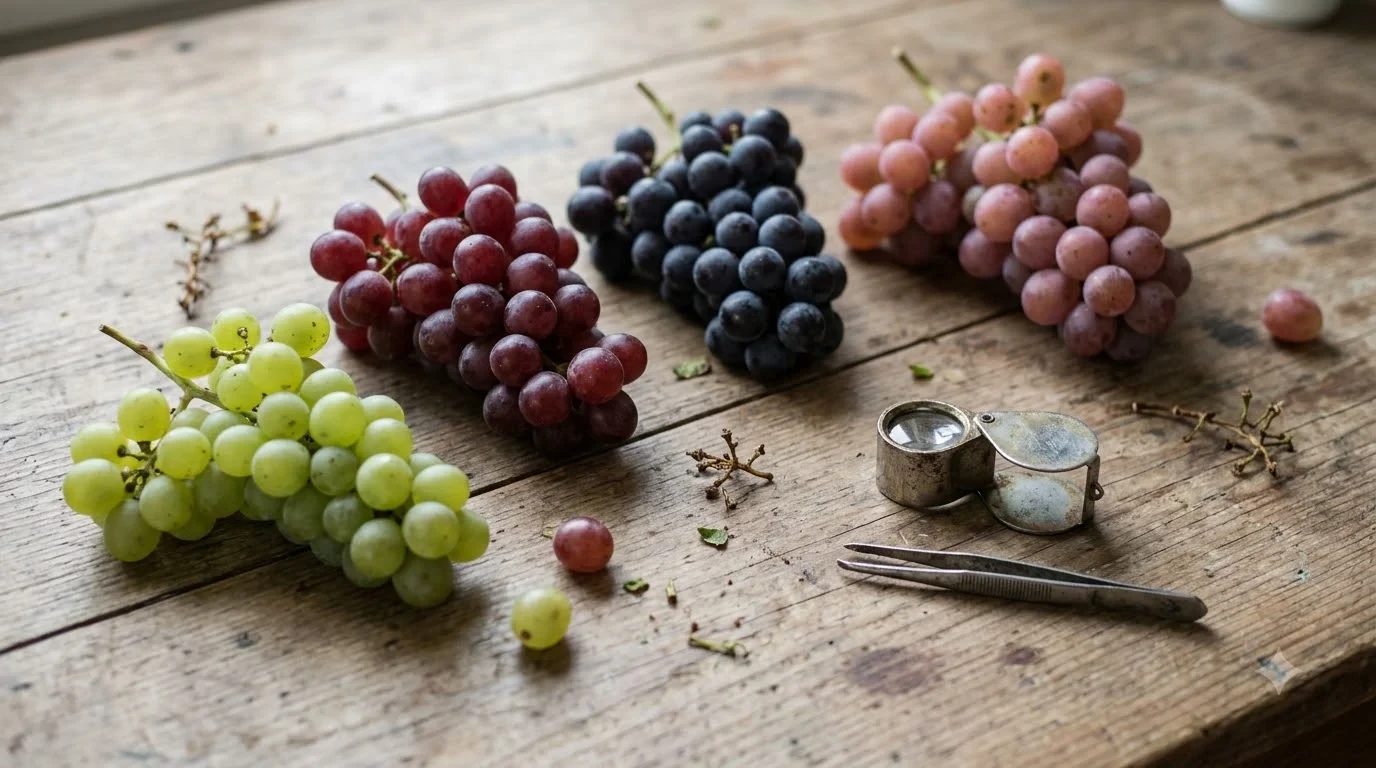
Frontenac belongs to a small family of related wine grapes that includes Frontenac gris and Frontenac blanc. The names are similar, but the grapes differ in fruit color and the styles of wine they are generally used to produce.
Frontenac is the original dark-fruited variety, primarily associated with red wine and rosé production. Frontenac gris and Frontenac blanc are related selections that provide additional options for producers interested in making lighter-colored wines in cold climates.
Frontenac gris originated as a single-bud mutation, also known as a bud sport, found growing on a Frontenac vine. Instead of producing the original dark berries, this mutation produces gray-colored fruit. The University of Wisconsin Extension’s review of cold-climate grape cultivars describes its discovery in the University of Minnesota breeding program.
Frontenac gris was introduced in 2003. It is used for white wine production and is associated with peach-like fruit characteristics. Despite its name, gris does not mean the finished wine must be gray. The term refers to the grape’s grayish fruit color.
Frontenac blanc is another related white-fruited selection. The University of Minnesota lists it as available in 2012. It is a white-fruited color mutation associated with the Frontenac family and provides another option for cold-climate white wine production.
| Variety | Fruit color | Common wine style | Introduction |
|---|---|---|---|
| Frontenac | Blue-black | Red and rosé | 1996 |
| Frontenac gris | Gray | White wine | 2003 |
| Frontenac blanc | White | White wine | 2012 |
The family is useful for understanding the variety of wines produced in northern American vineyards. A winery growing Frontenac may also work with one or both of its related selections, giving visitors the opportunity to compare red, rosé, and white expressions from grapes adapted to similar climates.
When reading a wine list, pay attention to the complete variety name. Frontenac, Frontenac gris, and Frontenac blanc are not interchangeable terms. The added word identifies a different grape selection and can indicate a substantially different wine style.
Learning the pronunciation of the shared name makes these varieties easier to discuss. Once you know how to say fron-tuh-NAK, adding “gris” or “blanc” becomes a relatively simple step.
How to Order, Serve, and Pair Frontenac Wine
Frontenac is a versatile grape for the dinner table, particularly when served as a dry red or rosé. Its dark-fruit flavors and high acidity make it a useful partner for savory foods, grilled meats, and dishes with enough richness to balance the wine’s freshness.
For a dry Frontenac red, consider grilled lamb, beef, roasted pork, or game. These dishes provide savory flavors and protein that work well with a fuller-bodied red. The grape’s cherry, blackberry, and plum characteristics can also complement barbecue preparations with moderate sweetness.
High acidity makes Frontenac particularly interesting alongside foods with rich or fatty components. Roasted meats, mushroom dishes, and preparations featuring butter or olive oil can provide a satisfying contrast. If a dish includes a strongly acidic sauce, choose a wine with comparable or higher acidity so that the food does not make the wine seem flat.
Rosé offers a different pairing approach. A Frontenac rosé with Bing cherry characteristics can work with grilled chicken, pork, salads, and moderately seasoned appetizers. Its lighter presentation may also suit casual outdoor meals during warmer weather.
For a sweet Frontenac dessert wine, choose a dessert that is no sweeter than the wine itself. Fruit tarts, berry-based desserts, and selected cheese courses can work well depending on the wine’s sweetness and acidity.
Serving temperature and glassware
Serving temperature has a noticeable effect on the way wine smells and tastes. A light rosé is generally best served around 45–50°F, while a fuller-bodied red can be served around 60–65°F. These temperatures provide useful starting points for the different styles made from Frontenac.
For a full-bodied dry red, avoid serving the bottle excessively warm. A cooler serving temperature can help keep the alcohol impression balanced and maintain freshness. If the bottle has been stored at typical room temperature, a short period in a cool place may improve the experience.
A standard red wine glass with a reasonably wide bowl is suitable for Frontenac. Pouring approximately 5 ounces allows enough room for the wine to release its aromas without filling the glass to the rim. This also makes it easier to swirl and examine the wine’s color.
Young, fuller-bodied red wines can benefit from exposure to air. If a Frontenac wine seems particularly concentrated or closed when first opened, try pouring a glass and allowing it to sit for a few minutes. Some young full-bodied reds benefit from approximately 30–60 minutes of decanting, although the need depends on the individual bottle.
Comparing Frontenac with familiar wine grapes
Frontenac may be unfamiliar to drinkers who usually choose Cabernet Sauvignon, Merlot, or Pinot Noir. Comparing the names can help place the variety within a broader wine conversation.
Cabernet Sauvignon is typically known for high tannin, dark fruit, and substantial structure. Merlot generally has medium tannin and a softer texture, while Pinot Noir is often lighter in tannin and higher in acidity. Frontenac has its own distinctive combination of dark fruit and pronounced acidity.
These comparisons are useful starting points, not exact substitutes. Frontenac is a different grape with a different genetic background, and the finished wine depends heavily on the producer’s choices. If you are familiar with traditional European varieties, trying Frontenac offers a way to explore how American cold-climate grape breeding has expanded the range of wines available.
You may also enjoy exploring other grape and wine names through our guides on how to pronounce chardonnay, how to pronounce claret, and how to pronounce cuvee. For more varieties and wine styles, visit our Wine by Type section.
Most importantly, do not let an unfamiliar name prevent you from asking about a bottle. A simple request for a glass of fron-tuh-NAK is enough to start a conversation about one of the Upper Midwest’s distinctive wine grapes.
Frequently Asked Questions
Is Frontenac a French or American grape name?
Frontenac is an American-developed wine grape, even though its name has French associations. Its breeding took place through the University of Minnesota program, which selected it for cold-climate growing conditions. Its pedigree includes the French hybrid Landot 4511.
Is Frontenac the same as Marquette?
No. Marquette is a separate red wine grape developed by the University of Minnesota and released in 2006. It is related to Frontenac through its breeding ancestry, but it has its own fruit characteristics and wine profile. Marquette is often associated with cherry, berry, black pepper, and spice notes.
Does Frontenac wine contain the same grape varieties as Bordeaux wine?
No. Frontenac is a distinct hybrid grape rather than a traditional Bordeaux blending variety. Bordeaux reds commonly use grapes such as Cabernet Sauvignon, Merlot, Cabernet Franc, and Petit Verdot. Frontenac has a separate American breeding history and is not a traditional component of Bordeaux wine.
Can Frontenac grapes be grown outside Minnesota?
Yes. Frontenac is grown in several cold-climate wine regions beyond Minnesota, including parts of Wisconsin and Iowa. Its winter hardiness makes it useful in northern growing areas, although local soil, growing-season length, disease pressure, and vineyard management still influence its performance.
What does the designation MN 1047 mean on Frontenac grape records?
MN 1047 is the breeding designation associated with Frontenac before and alongside its commercial variety name. Such identifiers help researchers and grape-growing institutions distinguish specific selections developed through breeding programs. It is not a wine classification, sweetness level, or regional appellation.
Frontenac is pronounced fron-tuh-NAK, with the emphasis on the final syllable. Remembering that simple three-part rhythm makes it easier to order the wine, recognize the grape on a label, and discuss its distinctive cherry flavors and cold-climate origins. The next time you encounter a bottle from Minnesota or another northern wine region, you can say the name with confidence and know exactly what makes this American grape interesting.
More in Wine Types & Grapes
 What Does Mourvèdre Taste Like? Flavor Profile, Regions, and PairingsUpdated Nov 20, 2026
 What Does Marsanne Taste Like? Flavors, Styles, and Food PairingsUpdated Nov 20, 2026
 What Does Malvasia Taste Like? Styles, Flavors, and Food PairingsUpdated Nov 20, 2026
 What Does Grenache Blanc Taste Like? Flavor Profile, Styles, and PairingsUpdated Nov 20, 2026
 What Does Garnacha Taste Like? Key Flavors, Styles, and Pairing TipsUpdated Nov 20, 2026
 What Does Fruit Wine Taste Like? A Complete Flavor and Style BreakdownUpdated Nov 20, 2026