

We may earn a commission when you buy through links on this page, at no extra cost to you. Learn more.
If you are wondering how to pronounce norton, say it simply as “NOR-tun” (IPA: /ˈnɔːrtən/), with the stress on the first syllable and a soft, unstressed second syllable. Named after nineteenth-century Virginia physician and horticulturist Dr. Daniel Norborne Norton, the name follows standard American English phonetics rather than French or Italian wine rules. You may also see the exact same grape labeled as Cynthiana (“sin-thee-AN-uh”) in Arkansas and parts of the Midwest.
Wine labels can make even familiar English words look intimidating, especially when they appear alongside European varietals on a restaurant list or retail shelf. Unlike tricky French imports, Norton is an all-American red wine grape with straightforward pronunciation and a remarkable backstory stretching from Virginia to Missouri. Once you know how to say the name with confidence, you can focus on exploring its bold, dark-fruited character at the table.
Pronunciation Breakdown and Common Mix-Ups
Norton is pronounced in two crisp syllables—NOR-tun—rhyming with “Morton” or “shorten,” with no silent letters and no French nasal vowels. Because the grape shares its name with its American developer, Dr. Daniel Norton, you pronounce it the exact same way you would say the common English surname.
Many wine drinkers second-guess themselves when ordering Norton because so many red and white wine styles borrow pronunciation patterns from French, Spanish, or Italian. Someone accustomed to rolling their R’s or dropping final consonants—like you do when learning how to pronounce chardonnay or how to pronounce cuvee—might accidentally soften the final “n” or stretch the second vowel into “nor-TAHN.” In American tasting rooms from Hermann, Missouri, to Monticello, Virginia, staff always use the plain two-syllable English pronunciation.
Another frequent point of confusion is the grape’s historic synonym, Cynthiana. Genetic research has confirmed that Norton and Cynthiana are the exact same grape variety, though wineries in Arkansas and neighboring states still frequently bottle it under the Cynthiana name. When you encounter that name on a label, pronounce it in four syllables as sin-thee-AN-uh, placing the primary stress on the third syllable.
| Label Term | Phonetic Pronunciation | IPA | Syllable Stress | Origin / Context |
|---|---|---|---|---|
| Norton | NOR-tun | /ˈnɔːrtən/ | First syllable (NOR-tun) | Named for Dr. Daniel Norton of Richmond, Virginia |
| Cynthiana | sin-thee-AN-uh | /ˌsɪnθiˈænə/ | Third syllable (sin-thee-AN-uh) | Traditional synonym used in Arkansas and Missouri |
| Norton’s Virginia Seedling | NOR-tunz vur-JIN-yuh SEED-ling | /ˈnɔːrtənz vərˈdʒɪnjə ˈsiːdlɪŋ/ | NOR-tunz | Original 1820s commercial nursery catalog name |
| Bodega Norton | boh-DAY-gah NOR-tun | /boʊˈdeɪɡə ˈnɔːrtən/ | DAY / NOR | Argentine winery founded by Englishman Edmund Norton; unrelated to the grape |
Watch out for one geographic false friend on international wine shelves: Bodega Norton. That well-known Mendoza, Argentina estate was founded in 1895 by English railway engineer Edmund James Palmer Norton and produces Malbec, Cabernet Franc, and Chardonnay rather than the native American Norton grape. Both names are pronounced the exact same way, but only bottles from the United States—and a handful of small experimental plantings abroad—contain the true Norton varietal.
What Is the Norton Grape?
Norton is a thick-skinned, blue-black native American red wine grape belonging primarily to the Vitis aestivalis species rather than the European Vitis vinifera family. Cultivated in the 1820s near Richmond, Virginia, by Dr. Daniel Norborne Norton, it is widely celebrated as the quintessential American wine grape and became Missouri’s official state grape in 2003.
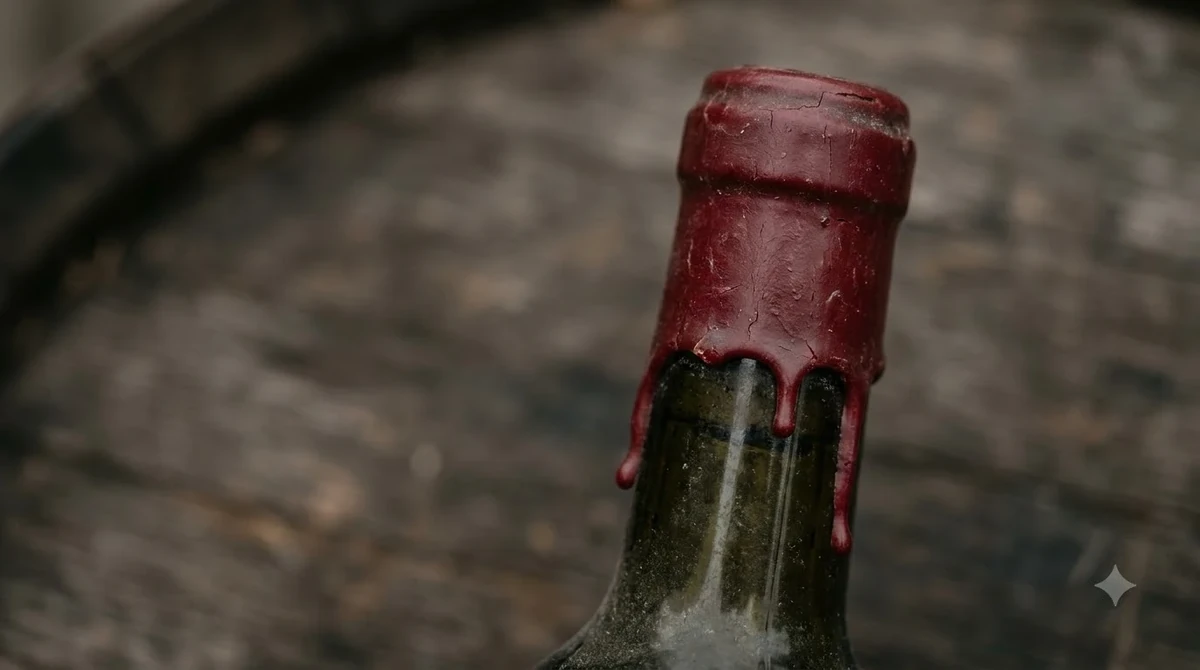
Unlike European varieties such as Cabernet Sauvignon or Merlot, Norton evolved to withstand North America’s extreme weather swings, humid summers, and native vineyard pests. According to Wine Enthusiast’s guide to the Norton grape, winemaker Andrew Meggitt of Missouri’s St. James Winery describes the vine as “relatively bulletproof” in humid, continental climates where European vines frequently struggle with fungal diseases and winter freeze. Its small, round berries have thick skins and yield relatively little juice, resulting in deeply pigmented wines with natural concentration.
Norton also played a dramatic role in global wine history during the nineteenth century. In 1873, a Norton made by Missouri’s Stone Hill Winery won “Best Red of All Nations” at the Vienna World’s Fair, putting American winemaking on the international map. During that same era, cuttings of phylloxera-resistant American vines—including Norton—were shipped to France to help European vineyards recover from the devastating root louse blight. Prohibition in 1920 nearly wiped out commercial Norton vineyards, until Stone Hill’s owners restored an 1863 planting in Hermann, Missouri, in the 1960s and sparked a modern revival.
Flavor Profile and Wine Styles
Dry Norton pours an opaque, inky purple in the glass and delivers bold flavors of blackberry, black cherry, plum, and blackcurrant layered with warm spice, dark chocolate, and earthy undertones. Despite its deep color and concentrated fruit, Norton typically pairs medium tannins with brisk, mouthwatering acidity.
According to the Missouri Wine and Grape Board, classic dry Norton combines dark berry and ripe cherry fruit with hints of vanilla, cocoa, and baking spice when aged in oak. Unlike some native American grapes—such as Concord—that exhibit a pronounced musky or “foxy” aroma, modern winemaking has minimized any rustic edge in Norton. Reviewers and winemakers frequently compare well-made dry Norton to bold Old World reds or structured blends, similar in table presence to the classic Bordeaux reds covered in our guide on how to pronounce claret.
While single-varietal dry red table wine is by far the most common expression, producers also craft Norton in several other styles. Winemakers often mature reserve bottlings in American or French oak barrels for a year or more to round out the grape’s lively acidity and add notes of cedar, espresso, and clove. You will also encounter Norton blended with Cabernet Franc or Chambourcin for softer mid-palate texture, as well as fortified port-style dessert wines that highlight the grape’s natural berry richness and age-worthiness.
Where Norton Grows Best
Norton thrives across the middle latitudes of the United States, with Missouri and Virginia leading commercial production alongside plantings in Arkansas, Kentucky, Kansas, Ohio, and the Carolinas. In Missouri alone, Norton accounts for roughly 18 to 21 percent of all vineyard acreage, making it the backbone of the state’s red wine industry.
Long, hot summers and steep river bluffs give the grape the extended growing season it needs to reach full sugar ripeness while keeping its signature natural acidity intact. Historic wine towns such as Hermann and Augusta in the Missouri River Valley, as well as Virginia’s Monticello and Shenandoah Valley regions, produce some of the country’s most acclaimed bottlings. Because the vine resists Pierce’s disease and thrives in warm, humid conditions, growers in Texas and parts of the Southeast have also planted small blocks.
Outside North America, Norton remains a rare specialty, though small experimental or heritage plantings exist in Japan, Brazil, France, and Australia. Almost all modern commercial vines trace their lineage back to the nineteenth-century cuttings preserved in Missouri and Virginia. When shopping for a bottle, checking the back label for a Missouri, Virginia, or Arkansas American Viticultural Area (AVA) is the quickest way to find benchmark examples.
How to Serve and Store Norton
Serve dry Norton slightly below room temperature, ideally between 60°F and 65°F (15°C to 18°C), in a large-bowled red wine glass. Giving a young bottle 30 to 60 minutes in a decanter helps soften its brisk acidity and opens up layered aromas of dark berries, clove, and roasted coffee.
Serving Norton too warm—above 70°F—can make its alcohol and sharp acidity feel disjointed, so a brief 15-minute chill in the refrigerator before pouring makes a noticeable difference. If you are opening an older reserve vintage, decant gently off any fine purple sediment that has settled at the bottom of the bottle, as Norton’s dense pigmentation often throws natural deposits over time.
Tip: Don’t rush to drink every bottle young—thanks to its thick skins and high natural acidity, well-structured dry Norton can age gracefully in a cool, dark cellar for 10 to 20 years, trading primary berry fruit for complex notes of leather, dried fig, and sweet spice.
Food Pairings for Norton
Norton’s combination of inky dark fruit, medium tannin, and lively acidity makes it an exceptional partner for rich, smoky, and savory dishes. That bright natural acid cuts straight through heavy fats and sweet-savory glazes, refreshing your palate between bites.
In its Missouri heartland, Norton is the classic match for slow-smoked barbecue brisket, pork ribs, and grilled burgers. The grape’s dark cherry and blackcurrant notes echo smoky bark and tangy tomato-based sauces without being overwhelmed by spice. Braised beef short ribs, roasted lamb, venison, and wild mushroom ragù also bring out the wine’s earthy, herbal undertones.
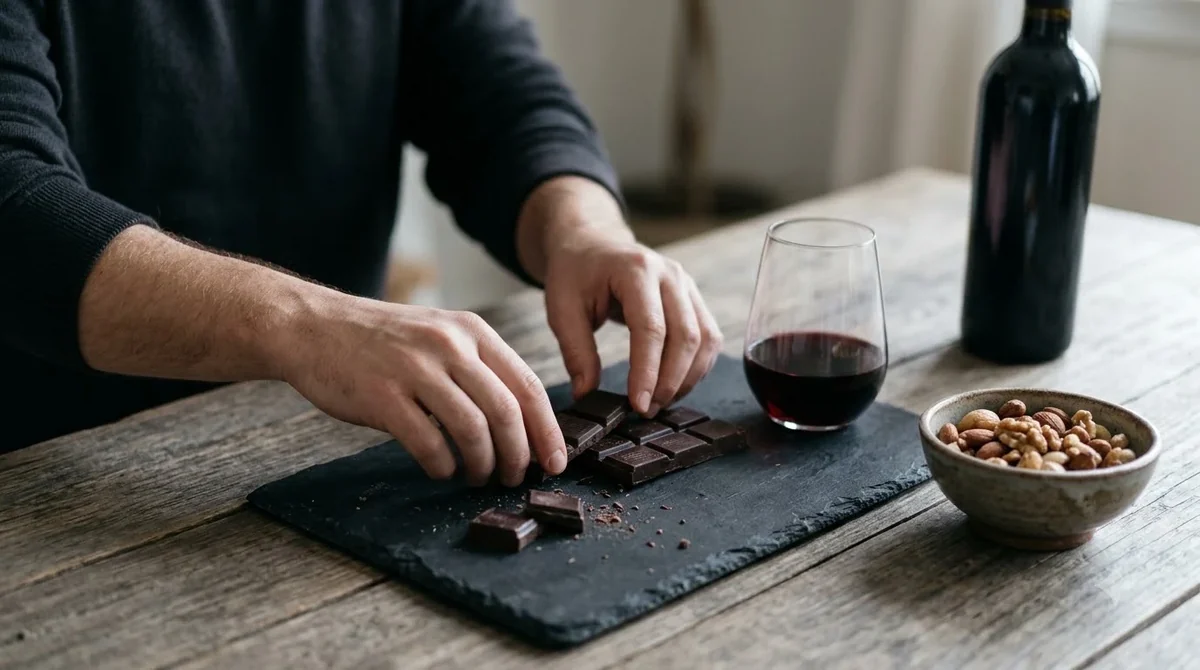
For cheese boards and dessert, pair dry Norton with aged sharp cheddar, pungent blue cheese, or toasted hazelnuts. If you have a bottle of oak-aged or port-style Norton on hand, serve it alongside bittersweet dark chocolate or spiced pear cake, where its cocoa and clove notes mirror the dessert.
Frequently Asked Questions
How do you pronounce Norton wine?
Pronounce Norton in two syllables as “NOR-tun” (/ˈnɔːrtən/), rhyming with “Morton.” Put the stress on the first syllable and use a relaxed, unstressed vowel on the second syllable, just like the common English surname.
Are Norton and Cynthiana the same grape?
Yes, Norton and Cynthiana are genetically identical native American red wine grapes. Wineries in Missouri and Virginia typically use the name Norton, while producers in Arkansas and parts of the Midwest often label the same grape as Cynthiana (“sin-thee-AN-uh”).
Is Norton wine sweet or dry?
Norton is overwhelmingly produced as a bold, full-bodied dry red wine. While a few wineries make sweet or fortified port-style dessert versions, almost all standard table bottles are fermented completely dry with bright acidity and dark fruit flavors.
Is Bodega Norton made from the Norton grape?
No, Bodega Norton is an Argentine winery in Mendoza named after its English founder, Edmund James Palmer Norton. That estate produces classic European varietals like Malbec, Cabernet Franc, and Chardonnay rather than the native North American Norton grape.
Knowing how to pronounce Norton takes all the hesitation out of ordering one of America’s oldest and most distinctive red wines. Simply ask for “NOR-tun,” pour it slightly below room temperature, and pair its vibrant dark fruit with your favorite grilled or braised dishes.
More in Wine Types & Grapes
 Zinfandel Sugar Content: Dry Red vs. White Zinfandel GramsUpdated Nov 21, 2026
 Best Zinfandel Substitute Options for Sipping and CookingUpdated Nov 21, 2026
 Zweigelt Food Pairing: Best Dishes, Cheeses, and Serving TipsUpdated Nov 21, 2026
 Zinfandel Tannins Explained: How Structure Shapes Every BottleUpdated Nov 21, 2026
 Zinfandel Sweetness Level: Dry Red vs. Sweet White Zin ExplainedUpdated Nov 21, 2026
 Xinomavro Food Pairing: Best Dishes, Styles, and Serving TipsUpdated Nov 21, 2026