

We may earn a commission when you buy through links on this page, at no extra cost to you. Learn more.
The norton grape is a dark-skinned American wine grape, first grown in Virginia, that produces deeply colored red wines with bold, spicy character. It is a native-American hybrid rather than a classic European vinifera grape, which makes it unusual on most wine shelves. Its wines have also been closely tied to the Missouri wine industry for generations.
This guide explains where the norton grape came from, what its wines taste like, and where it is grown today. You will also find a comparison with other red grapes, plus practical advice on pairing, serving and buying a bottle.
What Is the Norton Grape?
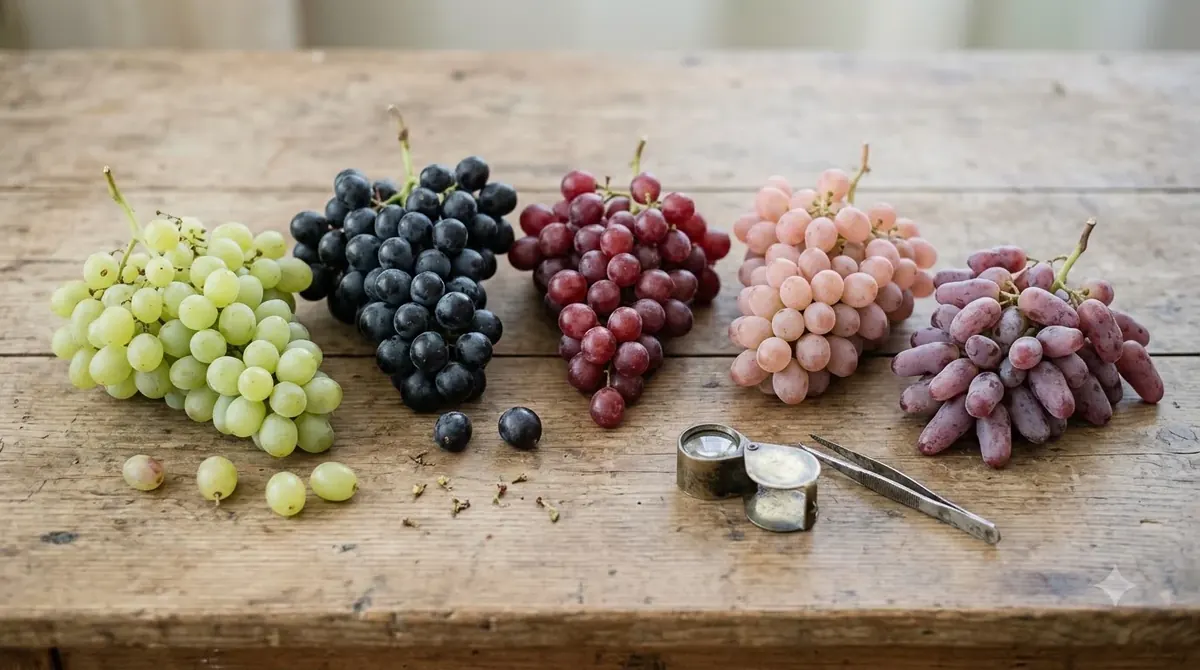
The norton grape is a red wine grape that belongs to the Vitis genus. Its berries have a deep blue-purple skin, and the clusters are small compared with many European varieties. Growers note that it ripens late in the season, which affects where and how it can be planted.
Breeders and botanists generally describe the norton as a complex hybrid. Its ancestry includes American species alongside a European grape, which helps explain its unusual mix of hardiness and color. If you are used to the classic European reds, the norton will feel like a different kind of wine. It is best approached with an open mind and a clear sense of what it offers.
Origins and History of the Norton Grape
The norton grape traces back to the early 19th century in Virginia. It is named for Daniel Norborne Norton, who introduced the cultivar from his vineyards in Richmond. According to the Wikipedia entry on the grape, he selected it from seedlings he believed came from an older variety called Bland, although some doubt remains about that link.
The grape became commercially available in 1830. Within a few years it dominated wine production in several eastern and midwestern states, including Missouri and Ohio. Its close relative, Cynthiana, looks very similar, and genetic studies have shown the two are effectively indistinguishable.
Prohibition changed the story. Many norton vineyards were pulled up and replaced with Concord grapes, which were grown for juice and jam. The eastern wine industry never returned to its earlier scale, while California recovered more fully. In the 21st century, wineries along the East Coast and in the Midwest have started replanting norton and making wine from it again.
Flavor Profile and Wine Style
Norton wine is usually deep in color, with dark purple to ruby tones. Its skin is rich in anthocyanins, the pigments that give many dark fruits their hue. Reported figures put the skin’s anthocyanin content higher than that of Concord or Marechal Foch grapes, which explains the intense color in the glass.
The flavor is often described as bold and spicy, with dark fruit and a firm structure. Unlike many native American grapes, the norton lacks the strong “foxy” aroma that some drinkers find off-putting. That makes it well suited to dry wine. Compared with other native grapes, its acidity is generally lower, and its tannin structure is considered good.
Winemakers shape the final style through harvest timing, fermentation and aging. A wine picked later can show riper, jammier fruit, while a shorter time in oak keeps the spice and fruit more prominent. Because the choices vary so much, two norton wines from different producers can taste quite different. Read the producer’s notes to see which style you are buying.
Where Norton Grapes Are Grown
Today the norton is grown across the Midwestern United States, the Mid-Atlantic states and northeastern Georgia. Missouri holds a special place, since the norton is the official grape of the state and is often called the cornerstone of its wine industry. Wineries in Hermann, Missouri, still sell wines made from vines believed to be well over a century old.
Virginia remains the grape’s home state. The Foundation Plant Services collection at UC Davis lists the variety’s country of origin as the United States, specifically Virginia, and records it as a black-berried grape used for wine. The UC Davis Foundation Plant Services record for Norton also notes that its berries and clusters are small and that it ripens late.
Growing the vine is not always simple. The species it descends from does not propagate well from dormant cuttings, so growers often rely on layering or green cuttings. The vine also tends to dislike highly calcareous soils. Growers planning new plantings should discuss site and propagation with a local extension office or nursery.
Norton Grape vs. Other Red Wine Grapes
The norton is easiest to understand when you compare it with other red grapes. It is a dark, dry-capable American variety, while the grapes below sit at different points on the spectrum from juice-focused to European-style reds.
| Grape | Origin or type | Notable trait from the sources |
|---|---|---|
| Norton | American hybrid with V. aestivalis ancestry | Deep color and high skin anthocyanins, suited to dry wine |
| Cynthiana | Closely resembles Norton | Genetic studies show it is indistinguishable from Norton |
| Concord | Native American grape | Widely grown for juice and jam, with lower anthocyanin levels than Norton |
| Marechal Foch | French-American hybrid | Used as a comparison point for anthocyanin and antioxidant studies |
Compared with a European classic, the norton shows a more rugged, spicy profile. If you want to see how a traditional Italian red differs, the chianti grape guide explains the sangiovese style in detail. For a white contrast, the colombard grape page covers a very different, fresh style.
Tip: When you compare red grapes, look at color, acidity and tannin together. Those three traits tell you more about the wine than the grape name alone.
Serving, Pairing and Buying Norton Wine
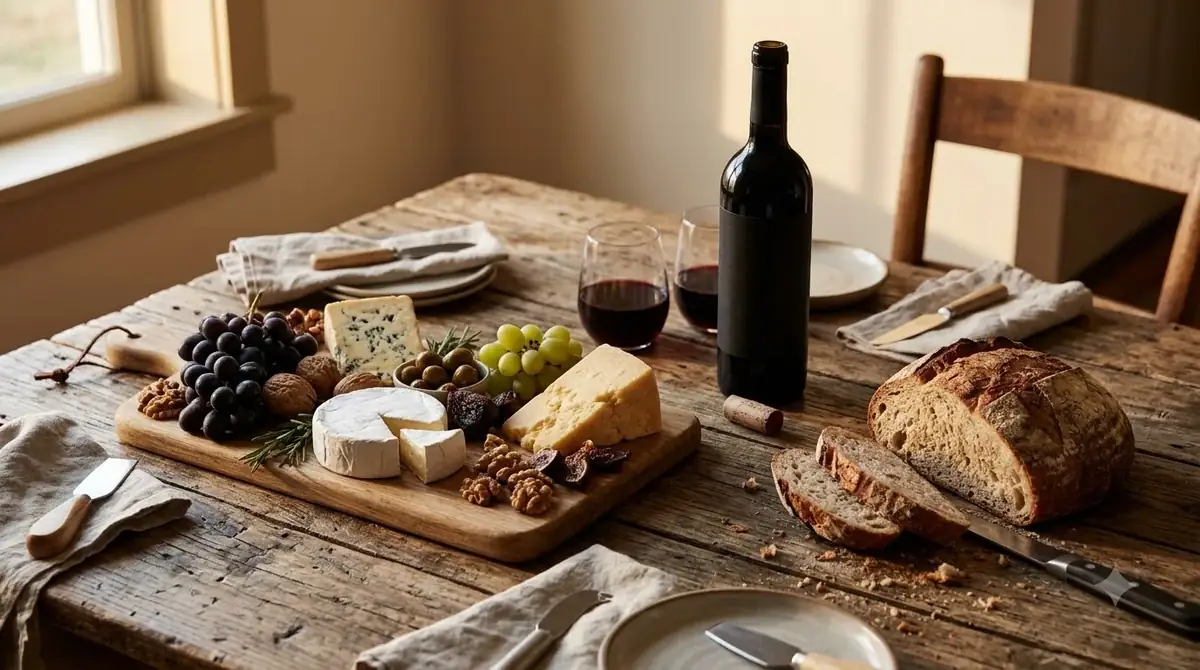
Norton wine works well with hearty, flavorful food. Its spice and dark fruit can stand up to grilled meats, barbecue, roasted vegetables and mushroom dishes. Many people also enjoy it with aged cheeses and with dishes that include black pepper or smoked flavors.
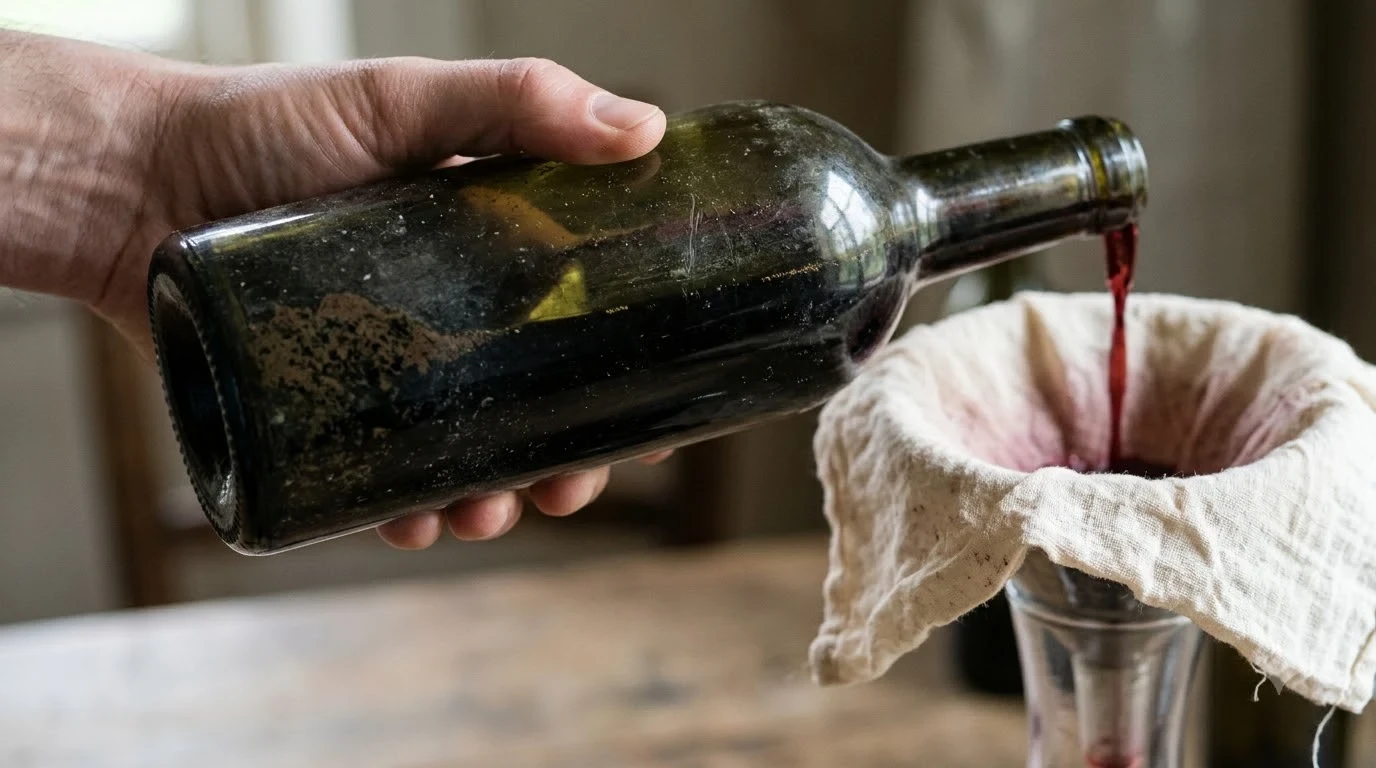
For serving, aim for a temperature slightly cooler than a warm room, and check the producer’s label or website for guidance on the specific bottle. Open the bottle a little before pouring if the wine tastes tight. Use a larger glass so the aroma has room to develop. Always drink responsibly and plan for a safe ride home.
When buying, look for the word Norton on the label, and check whether the wine is labeled with a Missouri or Virginia origin. Store bottles lying down in a cool, dark, steady place, away from heat and light. Keep in mind that wine ages differently depending on style, so ask the seller or winery how long the bottle should rest before opening.
Frequently Asked Questions
What does a norton grape wine taste like?
Norton wine is typically deep in color and bold in style. Many drinkers describe dark fruit and a spicy finish. Because the grape lacks the strong foxy aroma of some native varieties, the wine can taste more like a European red.
Where did the norton grape come from?
The norton grape was introduced in Richmond, Virginia, in the early 19th century by Daniel Norborne Norton. It became commercially available in 1830 and later spread across the eastern and midwestern United States.
Is norton the same as Cynthiana?
Cynthiana closely resembles Norton and was traditionally treated as a separate variety. Genetic studies have shown the two to be indistinguishable, which is why the names are often linked. Check the label to see which name a winery uses.
What foods go well with norton wine?
Norton pairs well with grilled meats, barbecue, mushroom dishes and aged cheeses. Its bold, spicy character suits hearty food. Try a small portion of the pairing first to see how the flavors work together.
The norton grape offers a distinctive American red with a long history and a bold, spicy character. To learn how this variety fits among other wine families, explore the Wine by Type section. Start with one bottle, note how it pairs with your favorite meals, and build from there.
More in Wine Types & Grapes
 Zinfandel Sugar Content: Dry Red vs. White Zinfandel GramsUpdated Nov 21, 2026
 Best Zinfandel Substitute Options for Sipping and CookingUpdated Nov 21, 2026
 Zweigelt Food Pairing: Best Dishes, Cheeses, and Serving TipsUpdated Nov 21, 2026
 Zinfandel Tannins Explained: How Structure Shapes Every BottleUpdated Nov 21, 2026
 Zinfandel Sweetness Level: Dry Red vs. Sweet White Zin ExplainedUpdated Nov 21, 2026
 Xinomavro Food Pairing: Best Dishes, Styles, and Serving TipsUpdated Nov 21, 2026