

We may earn a commission when you buy through links on this page, at no extra cost to you. Learn more.
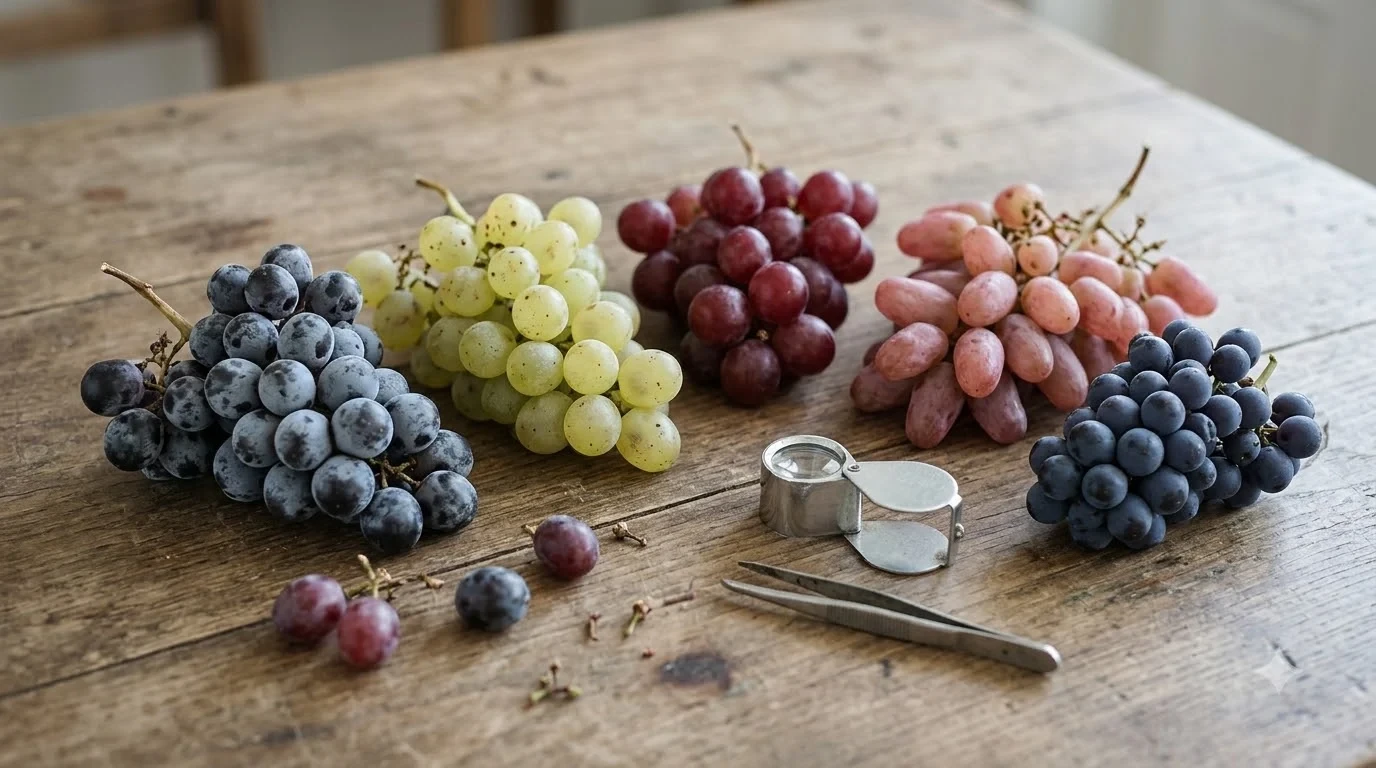
The Concord grape is a dark blue or purple American grape, developed in 1849 by Ephraim Wales Bull in Concord, Massachusetts. It is a hybrid from the fox grape, Vitis labrusca, crossed with about one-third European Vitis vinifera. It is best known for juice, jelly, and everyday table uses rather than fine wine, and its strong aroma is the reason most people recognize it at once.
This guide explains where the Concord grape came from, what it tastes like, how it is used, where it grows, and how it compares with other grapes you may see in wine shops. If you have ever tasted grape juice or grape jelly, you have probably tasted Concord, even if you did not know the name.
Where the Concord grape came from
The Concord was developed in 1849 by Ephraim Wales Bull in Concord, Massachusetts. Bull evaluated more than 22,000 seedlings before he chose the one he considered ideal, a careful selection process that produced the grape that still carries his name in American vineyards and kitchens.
Its parentage explains much of its character. Because the grape is a hybrid rather than a pure European vine, it carries the traits of the American fox grape, which is why it has a flavor so different from the wine grapes of France or Italy. Many American grapes share this background, and comparing them with vinifera helps explain the differences. The Concord grape reference entry covers the breeding history and growing areas in more detail.
Flavor, color, and aroma
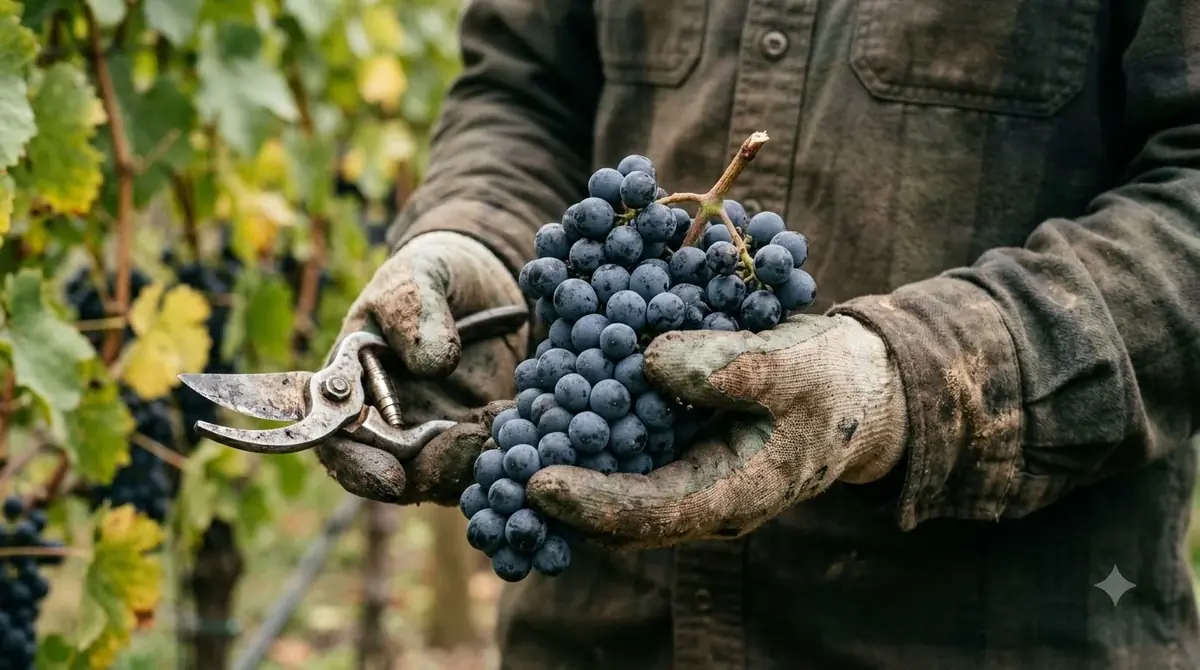
The Concord has a dark blue or purple skin and a highly aromatic character. Its flavor is often described as “foxy,” a sweet, musky accent that many people recognize immediately. That note is the signature of the grape, and it is why Concord is so common in juice and jelly, where the aroma comes through clearly.
| Trait | What to expect |
|---|---|
| Skin color | Dark blue to purple |
| Aroma | Highly aromatic, with a sweet, musky quality |
| Flavor descriptor | Often called foxy |
| Species background | Vitis labrusca, crossed with about one-third Vitis vinifera |
That flavor is distinctive enough that people either love it or find it unfamiliar. If you are used to the crisp, dry style of European wine, a Concord-based product can taste very different, and it helps to approach it on its own terms rather than comparing it to a classic French red.
The flavor profile is more layered than sweetness alone. Wine Folly’s notes for the grape list grape, plum sauce, musk, potting soil, and a little cumin, with an off-dry taste and a medium-full body. That mix explains why Concord stands out in dishes where its aroma can lead, and why it is less useful in a delicate dish where a clean, neutral fruit flavor is wanted.
How Concord grapes are used
Concord grapes are the main grapes used to manufacture grape juice, and that is where most people meet them. They also go into jelly, grape pies, soft drinks, and candy. They are the usual grape in peanut butter and jelly sandwiches, which is a surprisingly large footprint for a single variety.
The grape also has a place in wine. Some kosher and sacramental wines are made from Concord, and these wines are generally sweet, which suits the grape’s aromatic profile. Concord-based wine is not usually sold as a fine dry table wine, so if you see it on a label, expect a sweeter, fruit-forward style.
Because most Concord goes into juice and flavoring, the crop rarely ends up as a labeled bottle of wine. A shopper who wants a dry red should look for a vinifera variety instead, while a shopper who wants a sweet, aromatic grape product will find Concord in almost every juice section.
Where Concord grapes grow
Major Concord-growing areas include New York’s Finger Lakes District, the Lake Erie viticultural area, the region around Lake Ontario, southwestern Michigan, and Washington’s Yakima Valley. According to Wine Folly’s Concord guide, New York grows more Concord than any other state, and the grape is used mainly for juice and flavoring rather than winemaking.
The cool, humid conditions near the Great Lakes suit the grape, and the region’s growers have built long experience with it. Buyers who want a specific product often look for the growing area on the label, since the same variety can taste somewhat different from one district to another.
Growers in these districts often sell to juice processors, which is one reason the grape rarely appears on wine labels from those areas. Harvest timing matters too, since the fruit must be fully ripe before its color and sugar fully develop.
How Concord compares with other grapes
Concord belongs to the American family of grapes, which is different from the European wine grapes that dominate most bottle shops. For a closer look at a native American grape with a long history in the southern United States, see our muscadine grape guide. For the European side, our pinot noir grape and chardonnay grape pages show how vinifera varieties differ in body, acidity, and aroma.
A useful rule is that American hybrids and labrusca grapes tend to be sweeter and more aromatic, while vinifera grapes tend to be drier and more structured. Neither is better in every case. The right choice depends on whether you want a sweet, fruit-forward product or a dry wine built on acidity and tannin. When you read a label, words such as juice, jelly, table grape, or wine tell you which category the product belongs to, and that single word can save a lot of confusion on the shelf.
Buying and using Concord at home
When buying fresh Concord grapes, look for firm, plump berries with a deep color and a good bloom on the skin. Store them cold and eat or process them soon after purchase, since the aroma fades over time. Rinse them just before use, and remove any stems or soft berries that could spoil the rest. If you cannot use the grapes within a few days, freezing them is a practical option for later jelly or sauce making. Thaw them in the refrigerator and drain off any excess liquid before cooking, so the final texture stays thick and balanced.
At home, Concord works well in jelly, sauces, and simple desserts that let the foxy aroma come through. A small amount of sugar balances the tartness of the skin, and a pinch of lemon can brighten a dish. Keep the flavor in mind when you plan the recipe, because it is more pronounced than the flavor of a seedless table grape.
If you are making jelly, test a small batch first. Sugar levels in the fruit change from one season to the next, so tasting the cooked juice before you add the full amount of sugar helps you avoid a jelly that sets too firmly or stays runny.
Frequently Asked Questions
Is Concord a wine grape?
It is used in some wine, including kosher and sacramental styles, but it is best known for juice, jelly, and table use. Most fine dry wine is made from European vinifera varieties.
Why does Concord taste foxy?
The grape is a hybrid with Vitis labrusca, the fox grape, in its background. That parentage gives it a sweet, musky aroma that is often described as foxy.
Where is most Concord grown?
Major areas include New York’s Finger Lakes, the Lake Erie region, the Lake Ontario area, southwestern Michigan, and Washington’s Yakima Valley. Wine Folly notes that New York grows more Concord than any other state.
Are Concord grapes good for cooking?
Yes. Their strong aroma and tartness suit jelly, sauces, and desserts. Balance the flavor with a little sugar or citrus, since the skin is more assertive than a mild table grape.
The Concord grape is a useful reminder that not every grape is made for dry wine. It has shaped American kitchens and juice aisles for well over a century, and understanding its flavor makes it easier to choose the right product. For a broader view of grape families, the wine by type section is a good next stop.
More in Wine Types & Grapes
 Zinfandel Sugar Content: Dry Red vs. White Zinfandel GramsUpdated Nov 21, 2026
 Best Zinfandel Substitute Options for Sipping and CookingUpdated Nov 21, 2026
 Zweigelt Food Pairing: Best Dishes, Cheeses, and Serving TipsUpdated Nov 21, 2026
 Zinfandel Tannins Explained: How Structure Shapes Every BottleUpdated Nov 21, 2026
 Zinfandel Sweetness Level: Dry Red vs. Sweet White Zin ExplainedUpdated Nov 21, 2026
 Xinomavro Food Pairing: Best Dishes, Styles, and Serving TipsUpdated Nov 21, 2026