

We may earn a commission when you buy through links on this page, at no extra cost to you. Learn more.
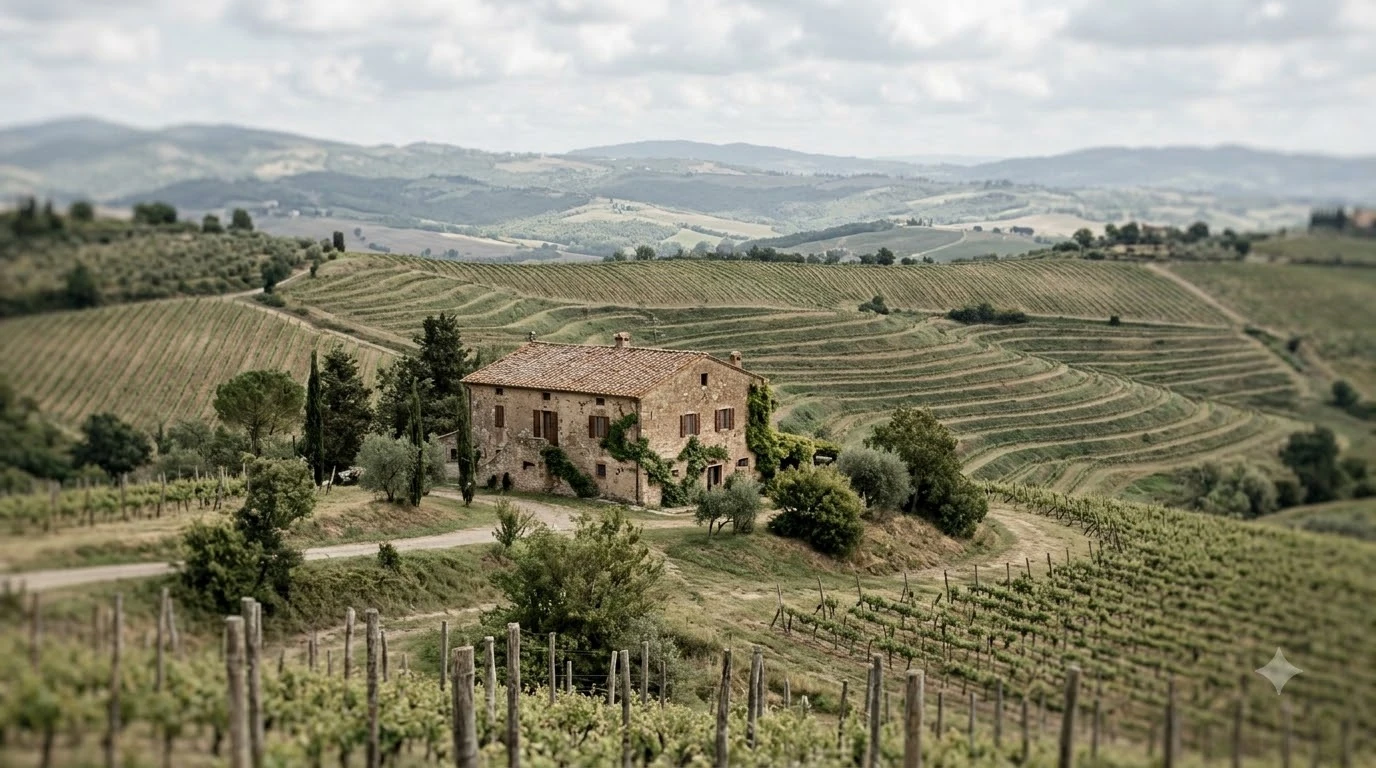
Puglia wine tasting is an opportunity to discover southern Italy’s distinctive native grapes, including Primitivo, Negroamaro, and Nero di Troia, alongside refreshing whites, rosés, and traditional sweet wines. The region stretches along Italy’s southeastern coast, with vineyards extending from the northern province of Foggia to the Salento peninsula. Its Mediterranean climate, limestone landscapes, and long agricultural history produce a wide range of wines. A rewarding tasting introduces visitors to different subregions, local grape varieties, and the food traditions that make Puglian wine particularly enjoyable.
Puglia, also called Apulia, offers a different perspective on Italian wine from the better-known vineyards of Tuscany and Piedmont. Its identity is closely connected to indigenous grapes, warm-weather viticulture, and wines designed to accompany substantial regional cooking. Some bottles are concentrated and powerful, while others are light, aromatic, and refreshing. Understanding the geography behind the wines makes it easier to choose cellar visits and recognize the differences between neighboring appellations. Whether you are visiting Manduria, Lecce, Bari, or the countryside around Castel del Monte, a little preparation can turn a casual tasting into a useful introduction to the region.
Understanding Puglia’s Wine Geography
Puglia’s wine character changes considerably from north to south, with three broad growing areas offering different combinations of grapes, soils, and wine styles. The Tavoliere plain, central limestone plateaux, and Salento peninsula provide a useful framework for planning tastings and comparing regional expressions.

Northern Puglia includes the province of Foggia and the extensive Tavoliere plain. This area is associated with Nero di Troia, Bombino Bianco, and sparkling wines from San Severo. The terrain is generally flatter than the central limestone uplands, and vineyards extend across broad agricultural landscapes. San Severo is particularly interesting for visitors who want to explore sparkling wine and traditional underground cellars rather than concentrate exclusively on powerful reds.
Central Puglia includes the Murge plateau and the areas around Castel del Monte and Gioia del Colle. Limestone formations, rolling hills, and varied elevations help distinguish these wines from those of the southern peninsula. Nero di Troia is especially important around Castel del Monte, while Primitivo is associated with Gioia del Colle farther south. White grapes such as Verdeca and Bombino Bianco also contribute to the region’s diversity.
Further south, Salento extends between the Adriatic and Ionian seas. The provinces of Lecce, Brindisi, and Taranto contain some of Puglia’s most recognizable wine destinations. Negroamaro and Primitivo dominate many local red and rosé styles, although Susumaniello and Malvasia Nera also deserve attention. The influence of the surrounding seas and the region’s warm Mediterranean conditions make this peninsula particularly important for understanding southern Italian wine.
For visitors, the geographical differences are more useful than attempting to rank the wines. A Primitivo from Manduria, a Negroamaro from Salice Salentino, and a Nero di Troia from Castel del Monte represent different regional identities. Tasting them in a comparative flight gives a clearer impression of Puglia than sampling several similar bottles from one producer.
Primitivo and the Wines of Manduria
Primitivo is one of Puglia’s most recognizable grapes, producing deeply colored reds with ripe fruit, substantial body, and frequently elevated alcohol. Manduria, in Taranto province, is a particularly important destination for understanding this variety and its relationship with the surrounding landscape.
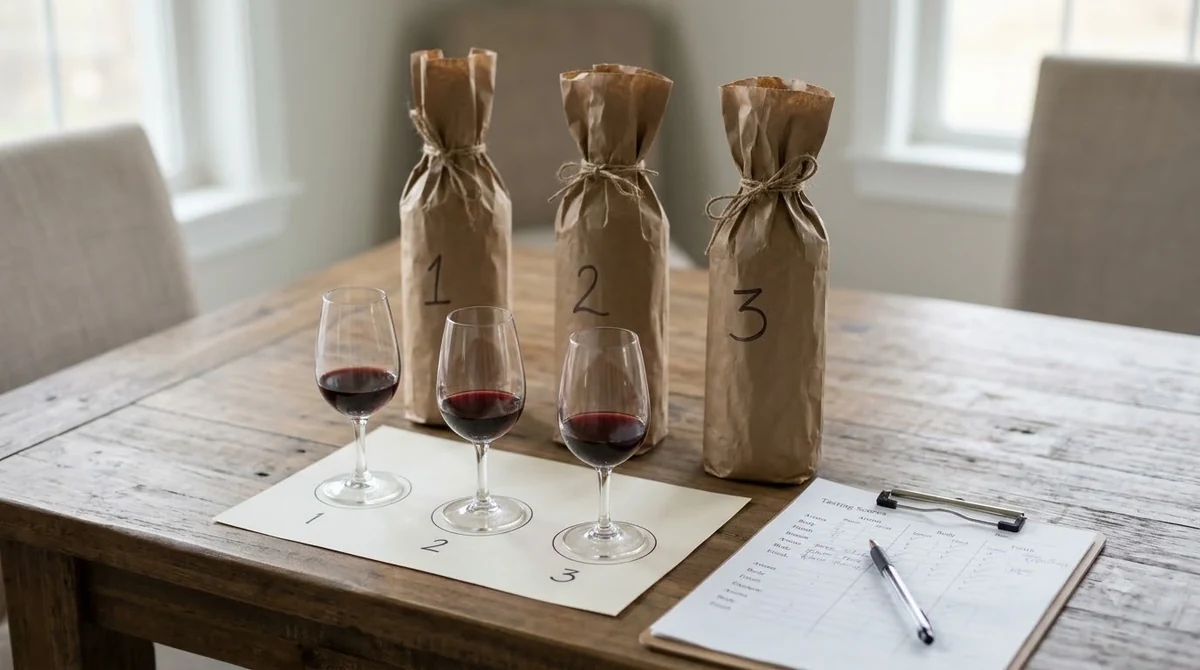
Primitivo di Manduria is typically associated with dark cherry, blackberry, plum, and ripe berry flavors. Depending on the producer and winemaking approach, the wine may also show notes of baking spices, dried herbs, chocolate, or toasted oak. Its warm-climate character often gives it a generous texture and relatively full palate. The wines can be powerful, so comparing alcohol levels, acidity, and tannin across different bottles is an important part of a useful tasting.
The grape is genetically related to California’s Zinfandel, although the two wines should not automatically be treated as interchangeable. Climate, vineyard conditions, harvest decisions, and cellar techniques all influence the final result. A tasting that includes a Primitivo from Manduria and another from Gioia del Colle can illustrate how the same grape expresses itself in different parts of Puglia.
Most Primitivo di Manduria wines are dry. However, the appellation also includes Primitivo di Manduria Dolce Naturale, a naturally sweet wine with DOCG status. This provides an interesting contrast with the more familiar dry reds and demonstrates that the region’s wine identity extends beyond powerful table wines.
What to look for in a Primitivo tasting
Begin with the fruit profile. A younger wine may emphasize fresh blackberries, cherries, and plums, while a more developed or oak-aged example can introduce dried fruit, spice, and deeper savory notes. Pay attention to the relationship between ripe fruit and alcohol. A wine with considerable richness should still feel balanced rather than simply heavy.
Next, compare tannin and texture. Primitivo can have noticeable tannins, but ripeness often makes them feel rounded. Notice whether the wine finishes with freshness or remains warm and broad across the palate. These differences are useful when selecting bottles for food, particularly dishes involving grilled meat, tomato-based sauces, or aged cheese.
Manduria also offers a cultural perspective on wine. The Museo della Civiltà del Vino Primitivo provides an opportunity to explore the historical importance of winemaking in the area. A visit can add context to a tasting by connecting the grape with local agricultural traditions and the community that has cultivated it.
Tip: Taste a dry Primitivo before trying Primitivo di Manduria Dolce Naturale. The contrast between the two styles makes it easier to recognize how sweetness changes the wine’s texture, fruit expression, and potential food pairings.
Negroamaro, Salice Salentino, and Susumaniello
Negroamaro is one of the defining grapes of Salento, producing structured reds and traditional rosés with dark fruit, savory character, and a characteristic bitter edge. Salice Salentino is an excellent starting point for exploring this grape, while Susumaniello offers an additional native variety with a distinctive regional identity.
Negroamaro wines commonly show black cherry, plum, blackberry, dried herbs, and earthy or spicy notes. The grape’s name is often associated with its dark color and bitter character, both of which help explain its longstanding place in southern Puglia’s wine culture. Compared with Primitivo, Negroamaro can feel more savory and less overtly jammy, although individual producers create a wide range of styles.
Salice Salentino is a particularly useful appellation to recognize during a tasting. Its production area includes parts of Lecce and Brindisi provinces, and the denomination covers several wine styles. Red versions commonly feature Negroamaro, sometimes accompanied by Malvasia Nera. These blends can combine dark fruit, structure, and softer supporting flavors.
Do not overlook Negroamaro rosato. Rosé production has a long history in Puglia, and Negroamaro is one of the important grapes behind its reputation. Depending on extraction and winemaking decisions, the wine can range from pale pink to deeper salmon or cherry tones. Expect fresh red fruit and a dry finish in many examples.
Why Susumaniello deserves attention
Susumaniello is a native red grape that provides an alternative to the better-known varieties. It appears in red, rosé, and sparkling rosé wines, and it is sometimes blended with Negroamaro. These wines can display dark fruit, cherries, and raspberries, making them interesting additions to a regional tasting flight.
Because Susumaniello is less familiar to many international wine drinkers, it is a useful variety to request when visiting a producer in Brindisi or Lecce. Comparing a single-variety Susumaniello with a Negroamaro blend can reveal differences in fruit expression, structure, and winemaking style.
For a practical tasting sequence, start with a Negroamaro rosato, move to a younger red, and finish with a more structured Salice Salentino. If Susumaniello is available, add it before the fuller-bodied red. This progression provides a clear comparison without overwhelming the palate with several similarly powerful wines.
Nero di Troia and the Northern Wine Regions
Nero di Troia is an important native grape of northern and central Puglia, especially around Foggia and Castel del Monte. It provides an alternative to the richer southern reds, with wines that can show dark color, firm structure, aromatic complexity, and considerable aging potential.
The grape is also known as Uva di Troia. Its association with northern Puglia makes it particularly relevant to visitors exploring the province of Foggia and the Murge area. Compared with Primitivo, Nero di Troia often offers a firmer tannic profile and a more structured impression. Its dark fruit character may be accompanied by floral, herbal, or spicy notes.
Castel del Monte is an important appellation to recognize. Its vineyards are associated with the landscape surrounding the historic Castel del Monte monument and the limestone uplands of the Murge. The area produces several styles, including wines based on Nero di Troia and Bombino Nero. Three notable DOCG types are Castel del Monte Bombino Nero, Castel del Monte Nero di Troia Riserva, and Castel del Monte Rosso Riserva.
These denominations offer an especially useful tasting comparison because they illustrate how a regional appellation can cover different grapes and styles. Bombino Nero is important for rosé, while Nero di Troia is a central reference for structured reds. A tasting that includes both gives a broader picture of the area’s production than a flight of red wines alone.
Discovering San Severo
San Severo provides another reason to explore northern Puglia. Its historic underground cellars have been used by local winemakers for generations, creating a distinctive setting for understanding the region’s wine traditions. The town is also associated with sparkling wines made from Bombino Bianco and full-bodied reds based on Nero di Troia.
Bombino Bianco deserves attention because its naturally high acidity makes it suitable for sparkling wine production. This provides an interesting contrast with the more concentrated red styles commonly associated with Puglia. A tasting that moves from San Severo sparkling wine to a Nero di Troia red demonstrates the region’s considerable stylistic range.
When exploring northern producers, ask about both still and sparkling expressions. Some visitors focus too heavily on the famous southern reds and miss the lighter wines that make the northern part of the region distinctive.
White Wines, Rosés, and Sweet Puglian Styles
Puglia is not exclusively a red-wine region, despite the prominence of Primitivo and Negroamaro. Its white wines, rosés, and traditional sweet wines offer useful alternatives, particularly for visitors who prefer freshness, aromatic fruit, or a softer finish.
Verdeca is one of the important indigenous white grapes associated with central Puglia, particularly the Valle d’Itria. Depending on the producer, wines can show citrus, orchard fruit, herbal notes, and refreshing acidity. Bianco d’Alessano and Minutolo are other local varieties worth recognizing. They help demonstrate the range of white-wine production beyond the more internationally familiar Chardonnay and Sauvignon Blanc.
Bombino Bianco is another significant white grape, especially in northern Puglia. Its acidity is useful for sparkling wine, including examples associated with San Severo. Visitors interested in traditional-method or other sparkling styles should ask producers which grapes they use and how the wines are made. The region’s sparkling production is a reminder that warm southern Italy can offer more than full-bodied reds.
Rosé is an especially rewarding category to explore. Negroamaro and Primitivo are both used for rosato, while Bombino Nero is associated with Castel del Monte rosé. These wines vary in color and texture, but many are dry and fruit-forward. Their freshness makes them particularly suitable for warm-weather dining and seafood-focused meals.
Moscato di Trani and traditional sweetness
Moscato di Trani offers a different expression of Puglian winemaking. Made from Moscato Bianco, it is known in naturally sweet and fortified styles. The naturally sweet version is called Dolce Naturale, while the Liquoroso style is fortified. Aromatic fruit, floral notes, and honeyed impressions make these wines a natural choice for dessert.
Try Moscato di Trani with almond pastries or dried figs stuffed with almonds, two traditional accompaniments recommended in Puglia’s regional food and wine tourism guidance. The pairing works because the wine’s sweetness complements the concentrated fruit and nut flavors.
Sweet Primitivo also deserves a place in a tasting. Primitivo di Manduria Dolce Naturale offers a contrast with the dry red styles from the same area. Tasting both provides a useful demonstration of how grape ripeness, production methods, and residual sweetness influence the finished wine.
For a balanced tasting flight, include one Verdeca, one Bombino Bianco sparkling wine, one Negroamaro rosato, and one Moscato di Trani. This selection covers four distinct styles without relying entirely on full-bodied reds.
Food Pairings and the Best Way to Taste Puglian Wine
Puglian wine is closely connected to local food, and tasting regional dishes alongside the wines makes their differences easier to appreciate. The best pairings consider tannin, acidity, alcohol, sweetness, and the weight of the dish rather than simply matching red wine with meat and white wine with fish.
Start with burrata from Andria. Its creamy center and delicate mozzarella exterior work well with a fresh Verdeca or a dry rosato. The wine’s acidity provides contrast to the cheese’s richness, while a heavily tannic red could overwhelm its delicate flavor. Fresh tomatoes and good olive oil make natural additions to the plate.
Another classic pairing involves pane di Altamura, the protected-origin bread known for its thick crust and dense crumb. Serve it with olive oil, local cheeses, or cured meats. A medium-bodied Negroamaro or a fruit-forward Primitivo can complement the stronger flavors, especially when the plate includes aged cheese and savory accompaniments.
In Salento, taralli are a traditional snack made from flour, white wine, and extra-virgin olive oil. Fennel seeds and chili are common seasonings. Their crisp texture makes them a useful accompaniment to rosato or a lighter red. Be cautious with chili-seasoned versions, however, because alcohol and tannin can amplify the sensation of heat.
Matching wine with traditional dishes
Orecchiette con cime di rapa, made with ear-shaped pasta and turnip greens, is a classic Puglian dish. Its bitterness, savory character, and olive oil-based preparation can work well with a dry rosato or a fresh white with sufficient acidity. A wine that is too soft or heavily oaked may struggle with the greens’ distinctive flavor.
For grilled meats and bombette, the cheese-stuffed pork rolls associated with the Valle d’Itria, consider Primitivo or Negroamaro. The fat and protein help soften tannin, while the wine’s fruit can complement the grilled flavors. A fuller-bodied Nero di Troia is another possibility when the dish has substantial seasoning.
Seafood calls for a different approach. Puglia’s Adriatic and Ionian coastlines provide an abundance of fish and shellfish. Verdeca, Bombino Bianco, and dry rosato are useful choices for many preparations. Avoid pairing heavily tannic reds with oily fish, since the combination can create an unpleasant metallic impression.
For sweet dishes, the wine should be at least as sweet as the dessert. Moscato di Trani can accompany almond pastries and dried figs, while Primitivo di Manduria Dolce Naturale offers another regional option for desserts with concentrated fruit flavors.
| Wine style | Typical serving temperature | Useful food pairing |
|---|---|---|
| Bombino Bianco sparkling | 40–50°F | Seafood and light appetizers |
| Verdeca white | 45–50°F | Burrata and grilled fish |
| Negroamaro rosato | 45–50°F | Taralli and tomato dishes |
| Primitivo red | 60–65°F | Grilled meats and aged cheese |
| Negroamaro red | 60–65°F | Orecchiette and roasted meats |
| Nero di Troia red | 60–65°F | Rich meat dishes and hard cheese |
| Moscato di Trani sweet | 43–50°F | Almond pastries and dried figs |
These temperatures are practical starting points based on general wine-serving guidance. Light reds can be served cooler, around 55–60°F, while fuller reds are best slightly below typical room temperature. Sparkling wines and sweet whites benefit from cooler serving temperatures, which help preserve their freshness and aromatic definition.
During a formal tasting, pour approximately 5 ounces when serving a full glass, although smaller tasting portions are more practical when comparing several wines. A standard 750-milliliter bottle contains approximately five standard glasses. Allow time between wines to assess the aroma, texture, finish, and changing impressions as the wine opens in the glass.
Planning Winery Visits and a Regional Tasting Route
A successful Puglian wine itinerary should concentrate on a manageable geographical area rather than attempting to cover the entire region in one day. Manduria, Salento, Castel del Monte, and San Severo each provide different tasting opportunities, so choosing a base according to preferred wine styles makes the trip more rewarding.
Visitors interested in Primitivo should begin around Manduria in Taranto province. Plan a producer visit, compare at least two dry Primitivo wines, and ask whether a Dolce Naturale bottling is available. The Museo della Civiltà del Vino Primitivo can provide historical context and help connect the wines with the area’s agricultural traditions.
Those more interested in Negroamaro should explore Salento, particularly the areas associated with Salice Salentino and the provinces of Lecce and Brindisi. Look for producers offering both red and rosato wines. Comparing the two styles is a useful way to understand the grape’s versatility and the region’s established rosé tradition.
For a broader exploration, consider Castel del Monte and San Severo. The former provides opportunities to discover Nero di Troia and Bombino Nero, while the latter is particularly interesting for Bombino Bianco sparkling wines and underground cellar visits. Visitors interested in local food can combine these stops with Andria, known for burrata, and Altamura, known for its traditional bread.
How many wineries should you visit?
Two winery visits in one day are generally a sensible target. This allows enough time for introductions, vineyard or cellar tours, questions, and a relaxed tasting without rushing through each producer’s wines. Three visits may be possible when the estates are close together and the appointments are relatively short, but a packed schedule often reduces the value of the experience.
Arrange appointments in advance, particularly when visiting smaller family-run producers. Ask whether the tasting includes several grape varieties, whether food is available, and whether the producer offers a tour of the vineyards or cellar. Some estates focus on guided tastings, while others provide a broader introduction to their agricultural operations.
Transportation also deserves attention. Puglia’s wine destinations are spread across a substantial area, and rural wineries are not always conveniently reached by public transportation. A designated driver, private transfer, or organized wine tour can make the experience more comfortable. Avoid planning a long driving route immediately after several winery appointments.
Building a tasting sequence
A useful regional flight begins with sparkling Bombino Bianco, continues with Verdeca, and then moves to rosato. Follow with a lighter red, a Negroamaro, a Nero di Troia, and finally a fuller Primitivo. If a sweet wine is available, finish with Moscato di Trani or Primitivo di Manduria Dolce Naturale.
This order generally moves from lighter and more refreshing wines toward fuller and sweeter styles. It also gives the palate time to adjust between very different expressions. If you are particularly interested in one grape, ask the producer to show two examples from different vineyards, harvest conditions, or aging approaches.
Keep brief tasting notes that record the producer, grape, appellation, vintage, acidity, tannin, alcohol impression, and finish. Notes become especially useful when comparing several wineries over consecutive days. They also help distinguish personal preferences from the general characteristics of a grape variety.
For further regional exploration, the official Puglia food and wine experiences provide ideas for combining cellar visits with local specialties. Travelers planning their estate visits can also explore our guide to Puglia wineries for additional producer-focused information.
Choosing Bottles and Understanding Puglian Appellations
Understanding the main wine designations helps visitors make more informed choices when buying bottles after a tasting. DOC and DOCG indicate regulated geographical origins and production requirements, while IGT provides a broader geographical designation that allows producers different grape and blending options.
Primitivo di Manduria DOC is an important reference for dry Primitivo, while its Dolce Naturale counterpart carries DOCG status. Gioia del Colle is another important Primitivo appellation, offering an opportunity to compare expressions from a different part of Puglia. The two areas should not be assumed to produce identical wines simply because they use the same grape.
Salice Salentino DOC is an important reference for Negroamaro-based wines. It can help visitors identify the regional connection behind a bottle, particularly when comparing reds and rosés. Castel del Monte is another designation to recognize, with different types associated with Nero di Troia, Bombino Nero, and red blends.
San Severo is useful for visitors interested in sparkling wines and Bombino Bianco. Meanwhile, Moscato di Trani provides a reference for aromatic sweet wines. These appellations demonstrate why Puglia should not be reduced to a single grape or wine style.
Comparing bottles after a tasting
When selecting a bottle, consider the intended occasion before choosing the most powerful or prestigious wine. A dry Verdeca may be more useful for a seafood lunch than a concentrated Primitivo. A Negroamaro rosato can work well as an aperitif, while a structured Nero di Troia may be better suited to a substantial evening meal.
Pay attention to the producer’s approach to oak aging. Some fuller reds are aged in wood, which can contribute vanilla, spice, and toast characteristics. Others emphasize fruit and freshness through different cellar choices. Comparing these approaches can be just as interesting as comparing grape varieties.
Vintage also matters, particularly when looking at structured reds. Warm growing conditions and harvest decisions can influence alcohol, acidity, and tannin. Ask the producer about the intended drinking window and whether a particular wine benefits from additional bottle aging.
For bottles intended to be opened later, store them in a cool, dark location near 55°F, with cork-finished bottles resting on their sides. Young, full-bodied reds may benefit from 30–60 minutes of decanting before serving. Once opened, keep still wines refrigerated and generally aim to enjoy them within 3–5 days.
Travelers exploring other European wine regions can also compare Puglia’s Mediterranean styles with the cooler-climate wines featured in our Alsace wine tasting guide. The contrast between southern Italian reds and Alsace’s aromatic whites illustrates how climate and grape selection shape regional wine identities. For additional background on Italian and international appellations, visit our broader Wine Regions resource.
Frequently Asked Questions
Is Primitivo the same grape as Zinfandel?
Primitivo and Zinfandel are genetically related names for the same grape variety, although their historical paths differ. The grape is also known as Tribidrag in Croatia, where its history has received considerable attention. DNA research established the relationship between these names and helped clarify the variety’s origins.
What does Negroamaro mean in Italian?
The name is commonly interpreted through the Italian words negro and amaro, referring to dark color and bitterness. The grape is also sometimes written as Negro Amaro. Its name reflects characteristics traditionally associated with the variety rather than indicating that every wine made from it is strongly bitter.
Can visitors buy wine directly from Puglian wineries?
Many wineries offer direct sales, although availability and shipping arrangements vary by producer. Some estates can package bottles for international visitors or arrange delivery through specialist wine merchants. Ask about export documentation, packaging, and shipping restrictions before purchasing several bottles for travel.
What does the Italian word rosato mean?
Rosato is the Italian term for rosé wine. In Puglia, it is a traditional category rather than simply a secondary use for red grapes. Negroamaro, Primitivo, and Bombino Nero are among the varieties used to produce regional rosato styles.
What is a masseria in Puglia?
A masseria is a traditional rural estate or fortified farmstead found throughout southern Italy, particularly Puglia. Historically, these properties supported agricultural activities and often included accommodation, storage buildings, and working farm facilities. Some have been adapted into hospitality venues, restaurants, and wine tourism destinations.
Puglia offers much more than concentrated southern Italian reds. Its native grapes, sparkling wines, traditional rosés, sweet specialties, and distinctive food culture make it one of Italy’s most rewarding regions for comparative wine tasting. Start with Primitivo, Negroamaro, and Nero di Troia, then explore Verdeca, Bombino Bianco, Susumaniello, and Moscato di Trani to appreciate the full diversity of the region.
More in Wine Regions
 Willcox Wine Trail: Discover Arizona’s High-Elevation Wine CountryUpdated Nov 20, 2026
 Yakima Valley Wine Region: Find the Best Styles to TryUpdated Nov 20, 2026
 Vosne Romanee Wine Tasting: Identify Aromas and Choose Better PairingsUpdated Nov 20, 2026
 Yakima Valley Wine Festival: Find the Best Seasonal Wine EventsUpdated Nov 20, 2026
 Wales Vineyards: Discover Cool-Climate Wines and Where to VisitUpdated Nov 20, 2026
 Yountville Wine Festival: Discover Napa Wines and Local FoodUpdated Nov 20, 2026