


We may earn a commission when you buy through links on this page, at no extra cost to you. Learn more.
Negroamaro wine is a red from the Salento peninsula in Puglia, in the heel of Italy’s boot, known for deep color, earthy notes and dark fruit. The grape is native to that area and is grown there almost exclusively. Its name is often linked to the words for black and bitter, which hints at its bold character. Most bottles offer a full-bodied red that suits hearty food.
This guide explains what negroamaro wine tastes like, where the grape grows, and how it compares with Primitivo and other southern Italian reds. It also covers food pairings, serving tips and a few practical ways to choose a bottle without overspending.
What Is Negroamaro Wine?
Negroamaro is a red wine grape that belongs to Vitis vinifera, the species behind most of the world’s classic wines. According to a 2019 research paper on Salento reds, the variety is autochthonous, meaning it developed in its home region rather than arriving from elsewhere. That origin gives the wine a strong sense of place.
The name itself is a useful clue. Researchers describe it as meaning black and bitter, which reflects both the deep color of the grape and the firm, savory edge many winemakers aim for. You will rarely find it sold as a single-varietal wine outside Italy, so when you see it on a shelf, it is usually a deliberate choice by the producer.
For American drinkers, the easiest way to think about negroamaro wine is as a full-bodied red with fruit at the center and earthiness at the edges. It is not as light as a Pinot noir, and it is less perfumed than many aromatic whites. If you enjoy hearty reds that work well with food, it is worth exploring.
Where Negroamaro Is Grown
Negroamaro is closely tied to Salento, the southern part of Apulia. The region has a warm Mediterranean climate, and the vines there produce wines that have become important both within Italy and in export markets. Researchers note that these wines are among the most widespread from Apulia and are economically significant.
The grape is often blended, and it also appears in several local appellations. Wines labeled with a Controlled Designation of Origin, known as DOC, guarantee a specific origin and production rules. Look for the DOC designation and the name of the Salento zone on the label if you want to confirm where the wine comes from.
Negroamaro also shows up in regional blends. Brindisi Rosso, for example, is built on Negroamaro, and the Susumaniello grape is sometimes blended into it. According to the Susumaniello entry on Wikipedia, that variety is a traditional Brindisi blending partner. A 2025 research paper on Negroamaro ageing from the PubMed Central ageing study describes the grape as a key variety from Apulia. Reading the label helps you tell a single-grape bottle from a regional blend.
Flavor Profile and Style
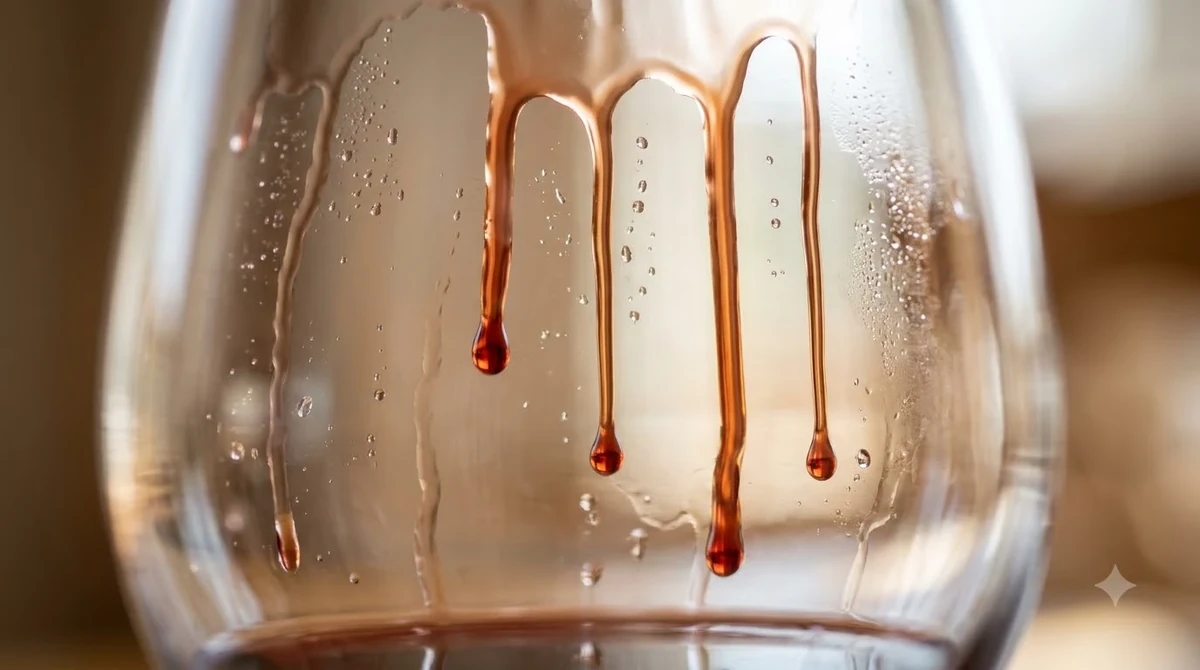
Most negroamaro wines show dark fruit, earthy depth and a firm structure. Producers often describe notes of dried cherry, plum, herbs and savory spice. Winemaking choices, including whether the wine sees oak, can shift the balance toward smoke, vanilla or a rounder texture.
A 2025 study on aged Negroamaro reported that the wine’s aroma and color changed with the container used for ageing. Oak barrels and traditional clay vessels each shaped the result in different ways. The takeaway for shoppers is simple: the same grape can taste quite different depending on how it is raised.
Phenolic compounds, the natural molecules that influence color, bitterness and structure, are also part of the story. A 2019 HPLC study of Negroamaro and Primitivo from Salento measured several of these compounds in bottles from the 2015 vintage. The researchers found that gallic acid and catechin were the most abundant, which helps explain the grape’s firm backbone.
| Trait | Typical Negroamaro | What it means for your glass |
|---|---|---|
| Color | Deep, dark red | Often looks inky in the glass |
| Fruit | Plum, dark cherry, dried fruit | Ripe and rounded rather than tart |
| Earthy notes | Herbs, leather, savory spice | Adds depth and a dry finish |
| Body | Medium to full | Pairs well with rich, hearty dishes |
| Alcohol | Often near 13.5 percent in the 2015 DOC bottles studied | Substantial but typical for a warm-climate red |
Check the label for the exact alcohol level, since it varies by producer and vintage. Tasting notes on the back label or from the importer will help you see whether a bottle leans fruity or earthy before you buy.
Negroamaro vs. Primitivo and Other Southern Italian Reds
Negroamaro is most often compared with Primitivo, the other famous red from Apulia. The two grapes grow in the same general area, and the research paper describes Primitivo as closely related to Zinfandel. Many drinkers find Primitivo riper and sweeter, while Negroamaro tends to feel more structured and savory.
In the 2015 bottles studied in the Salento research, Primitivo averaged a slightly higher alcohol level than Negroamaro. The two wines also differed in the amounts of several phenolic compounds. These differences show that the grapes behave in distinct ways even when they share a region and a climate.
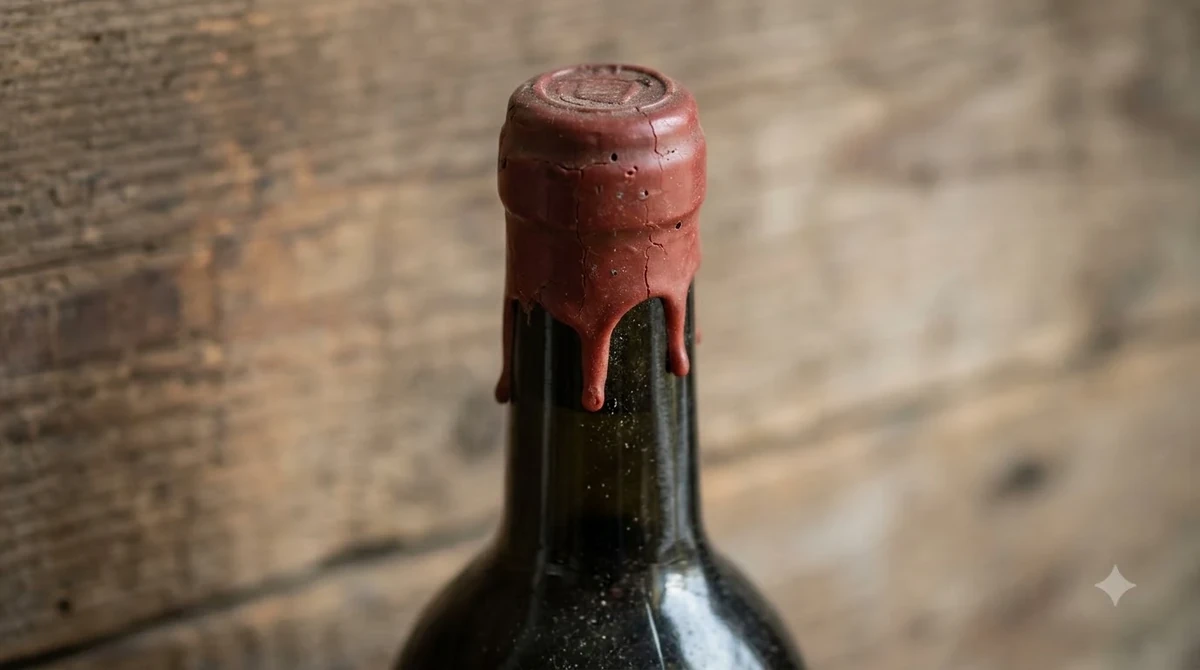
Compared with Chianti, which is built mainly on Sangiovese, negroamaro usually feels deeper in color and more rustic in texture. Chianti often shows brighter red cherry and a lively acidity. If you like Chianti but want something bolder, negroamaro can be a good next step. You can read more about the Tuscan grape in the Chianti grape guide.
Negroamaro also sits in the broad family of Italian reds that show regional character. Compared with lighter styles from the north, it leans warmer and fuller. For a wider view of how Italian reds and whites are grouped, the Wine by Type hub is a helpful starting point.
Food Pairing Ideas
Negroamaro suits food with some richness and savory flavor. Its structure and earthiness can stand up to grilled meats, tomato-based sauces and hard cheeses. The goal is to match weight with weight, so a full-bodied red pairs best with dishes that have real flavor.
Good matches include grilled lamb, roasted pork, meatballs in tomato sauce and aged pecorino. Pasta with a ragu made from beef or sausage works well too. Vegetable dishes with eggplant, peppers or mushrooms can also pair nicely, especially when they are roasted or grilled.
Be cautious with very delicate dishes, such as light seafood or fresh salads. A big red can overwhelm them. For those meals, a lighter white or rosé usually makes a better partner, even if you would enjoy negroamaro on its own.
How to Serve and Store Negroamaro
Serve negroamaro wine slightly cooler than room temperature rather than warm. A short time in the fridge before pouring can help the fruit stay bright and keep the alcohol from feeling heavy. Pour it into a medium or large red wine glass so the aroma has room to open.
Decanting is optional for most bottles, but it can soften a young, tight wine. Pour the wine into a carafe about an hour before dinner if you want more expressive aromas. Older bottles with sediment benefit more from careful decanting, so handle them gently.
- Chill the bottle briefly if it has been stored warm.
- Open the bottle and let it breathe for a short time, or decant if it seems closed.
- Pour into a red wine glass and allow the wine to warm slightly in the glass.
- Recork leftovers, store them upright, and refrigerate them for a day or two if needed.
For storage, keep unopened bottles in a cool, dark place away from heat and light. Check the owner’s or producer’s website for specific aging advice, since some bottles are made to drink young while others are built for cellaring.
Tip: Negroamaro is a substantial red, so pour modest portions and pace yourself. Enjoy it with food and plenty of water alongside.
How to Choose an Affordable Negroamaro
Choosing a good everyday negroamaro is mostly about reading the label. Look for the DOC designation and the Salento zone, since these signal a known origin and production standards. A producer’s tasting notes will tell you whether the bottle is fruit-led or earthier.
Start with a bottle described as ready to drink and labeled for young wine. These are usually easier to enjoy with dinner than heavily oaked, long-aging reds. Blends that include Negroamaro can also be a good value and offer a useful introduction to the style.
Prices and shelf availability change often, so check your local shop or the producer’s current listings before you buy. Compare two or three bottles from different producers to learn which profile you prefer. Taking notes on each one helps you spot patterns quickly.
Frequently Asked Questions
What does negroamaro wine taste like?
Negroamaro usually tastes of dark fruit such as plum and dried cherry, with earthy and savory notes. It is typically full-bodied with firm structure. Oak ageing can add smoke or spice, depending on the producer.
Is negroamaro similar to Primitivo?
The two grapes come from the same part of Apulia and share some traits, but they are different varieties. Primitivo is often described as riper and rounder, while negroamaro tends to feel more structured and savory. Tasting a bottle of each side by side is the best way to see the difference.
What foods go well with negroamaro?
Grilled meats, tomato-based pasta sauces, roasted pork and aged cheeses all pair well. Vegetables like roasted eggplant and peppers can also work. Delicate seafood or fresh salads usually suit lighter wines better.
Should I decant negroamaro wine?
Decanting is optional for most bottles. A young or tight wine may open up after a short time in a carafe. Older bottles with sediment need gentler handling, so pour carefully to avoid stirring up the deposit.
Negroamaro wine rewards curious drinkers who enjoy bold, food-friendly reds. Start with a Salento bottle, compare it with a Primitivo, and note what you like. For more background on grapes and styles, explore the Wine by Type section next.
More in Wine Types & Grapes
 Zinfandel Sugar Content: Dry Red vs. White Zinfandel GramsUpdated Nov 21, 2026
 Best Zinfandel Substitute Options for Sipping and CookingUpdated Nov 21, 2026
 Zweigelt Food Pairing: Best Dishes, Cheeses, and Serving TipsUpdated Nov 21, 2026
 Zinfandel Tannins Explained: How Structure Shapes Every BottleUpdated Nov 21, 2026
 Zinfandel Sweetness Level: Dry Red vs. Sweet White Zin ExplainedUpdated Nov 21, 2026
 Xinomavro Food Pairing: Best Dishes, Styles, and Serving TipsUpdated Nov 21, 2026