


We may earn a commission when you buy through links on this page, at no extra cost to you. Learn more.
Puglia wineries are easiest to explore by choosing one subregion—Castel del Monte, the Valle d’Itria, or Salento—because the long heel of Italy changes markedly from north to south. The region is known for Primitivo and Negroamaro, but it also produces age-worthy Nero di Troia, crisp Verdeca, Bombino-based sparkling wine, and expressive rosato. A focused visit makes it easier to compare the grapes with the different soils, elevations, and maritime influences that shape them.
Puglia, also called Apulia, is one of Italy’s most productive wine regions and one of its most varied. Its vineyards stretch from the northern plains around Foggia to the limestone landscapes near Bari and the warm Salento peninsula below Lecce. The best winery itinerary depends on the wines you want to understand: choose Manduria for concentrated Primitivo, Salice Salentino for Negroamaro, Gioia del Colle for fresher expressions of Primitivo, or the central plateaux for distinctive whites and structured reds.
How Puglia’s Geography Shapes Its Wineries
Puglia’s wine identity comes from a long Mediterranean coastline, a generally dry climate, and three broad vineyard landscapes. The Adriatic and Ionian seas influence growing conditions, while differences in elevation and soil help separate the wines of the Tavoliere, the Murgia plateaux, and Salento.
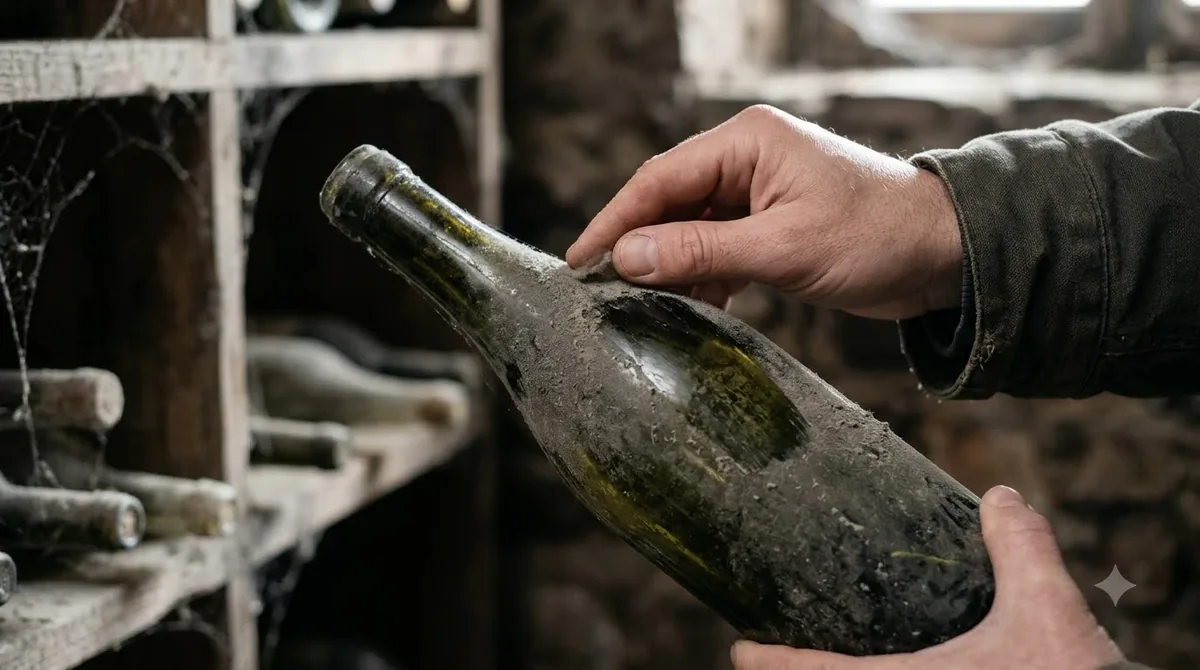
The region occupies the heel of Italy’s boot, with the Adriatic Sea along its eastern side and the Ionian Sea to the south. Decanter describes a coastline of approximately 865 kilometers and divides the main wine-growing landscape into the northern Tavoliere plain, the central karst and limestone plateaux, and the Salento peninsula. These areas are not interchangeable. Their grapes, growing conditions, and cellar traditions give visitors several distinct reasons to stop.
Puglia has a warm, dry Mediterranean climate, but sea breezes and elevation help prevent every wine from tasting the same. The coastal winds can reduce heat around Salento, while higher sites in the Murgia and Valle d’Itria can preserve freshness in grapes that might otherwise become overly ripe. The region’s sunshine is valuable for ripening late-season varieties, although water management and careful vineyard work matter in such a dry environment.
Decanter reports that Puglia had 91,740 hectares under vine and produced 10.8 million hectoliters of wine in 2022. That placed it third among Italian regions for planted vineyard area and second for total production. Volume alone does not explain the region’s best bottles, however. A growing focus on estate wines, selective harvesting, old vines, and careful cellar work has brought greater attention to individual vineyard sites and local grapes. The Decanter regional profile of Puglia offers a useful overview of those differences.
For a first visit, it helps to decide whether you prefer ripe, full-bodied reds, more structured wines with savory character, or aromatic whites. That decision will narrow the search considerably. Travelers who enjoy exploring geographically distinctive wine regions may also find the broader Wine Regions overview helpful when comparing Puglia with other European destinations.
Northern Puglia: Castel del Monte, Daunia, and San Severo
Northern Puglia is a strong choice for travelers interested in Nero di Troia, Bombino Bianco, traditional-method sparkling wine, and wines shaped by the limestone-rich Murgia plateau. The key places to understand are the Tavoliere plain, San Severo, and Castel del Monte near Andria.
The Tavoliere, in the province of Foggia, is a broad agricultural plain with extensive vineyards, many trained on pergolas and rooted in alluvial soils. It contributes a large share of Puglia’s total wine volume. Visitors looking beyond the region’s most famous southern reds can investigate Nero di Troia, also called Uva di Troia. It produces dark-fruited reds with a firmer structure than many easy-drinking southern blends. Producers such as Caiaffa have drawn attention to the variety’s potential in the northern part of the region.
San Severo is an especially interesting stop for sparkling wine. Bombino Bianco has the acidity needed for lively sparkling bottlings, and D’Araprì has worked with traditional-method production in underground tunnels beneath the town since 1979. Its wines offer a different picture of Puglia from the powerful reds usually associated with the region. A visit here is particularly useful for anyone who wants to compare southern Italian sparkling wine with more familiar bottles from other parts of Europe.
Farther south and west, the Castel del Monte area combines white calcareous soils, limestone outcrops, and a more elevated landscape. Nero di Troia is a leading red variety, while Bombino Nero is used for rosato. The area also produces Aglianico and some lightly oaked Chardonnay. Bocca di Lupo, one of the Antinori family’s Puglian estates, is a useful producer to know when researching wines from this part of the region. The appellation takes its name from the distinctive octagonal castle built for Emperor Frederick II.
Castel del Monte is a good option for visitors who prefer wines with more structure and less overtly jammy fruit. Its rosato also deserves attention: Bombino Nero can produce a dry, bright style that works well with seafood, vegetable dishes, and local cheeses. The area gives travelers a chance to see how different Puglian wines can be, even within a relatively short drive of the Adriatic coast.
Central Puglia: Gioia del Colle and the Valle d’Itria
Central Puglia is the region to explore for Primitivo with a fresher profile, high-elevation white wines, and smaller estates set among limestone hills and traditional trulli buildings. Gioia del Colle and the Valle d’Itria are especially rewarding for visitors who want to look beyond the richer wines of Manduria.
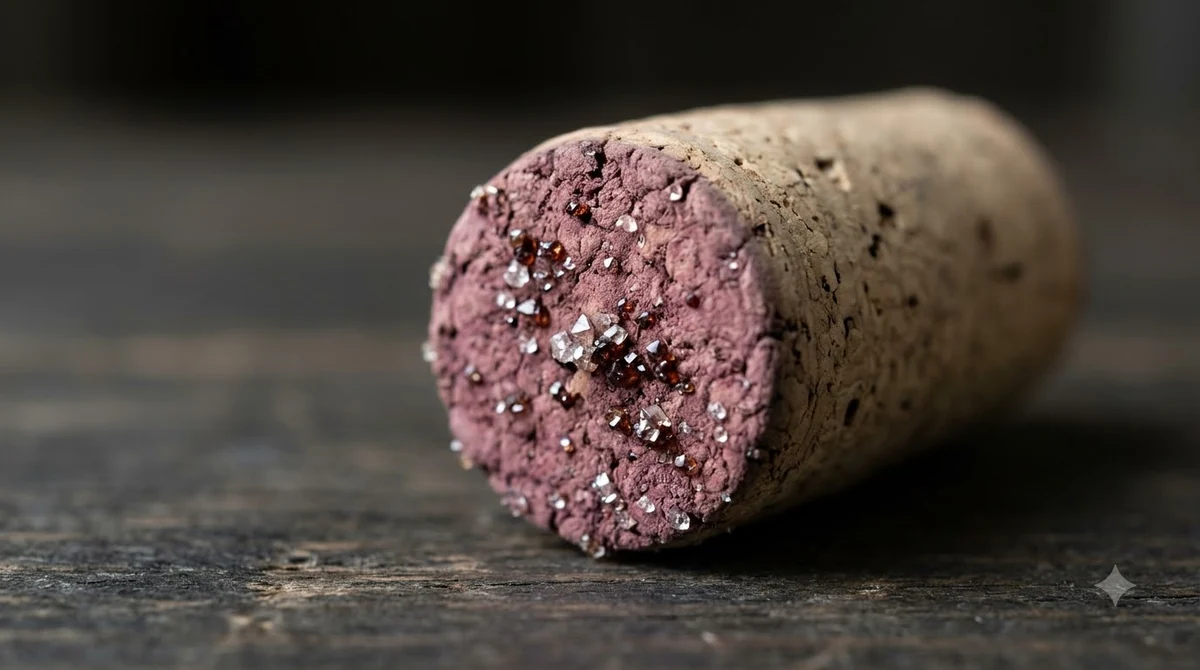
Gioia del Colle lies on the Murgia plateau, where Primitivo grows at elevations commonly ranging from 250 to 500 meters. Crushed limestone soils and substantial differences between daytime and nighttime temperatures help preserve acidity and keep aromas more restrained than in some warmer parts of Puglia. The result can be a Primitivo that still has ripe fruit but feels more balanced, with freshness and floral notes rather than an exclusively heavy, sweet-fruited character.
One small estate to look for is I Parieti, located at approximately 400 meters. The estate is named for the area’s characteristic dry-stone walls and has vineyards with stony soils and persistent breezes. Its Primitivo comes from alberello-trained vines described as 67 years old. Tastings beneath olive trees offer a rural setting that contrasts with the larger, more formal cellar experiences elsewhere in the region. This is a worthwhile stop for visitors interested in old vines and the connection between vineyard practices and wine style.
Tenute Chiaromonte, in Acquaviva delle Fonti, is another central-Puglian producer to investigate. Its range includes Chardonnay-Minutolo sparkling wine as well as substantial Primitivo bottlings. Giovanni Aiello is also associated with the Gioia del Colle area and offers a different perspective on the region through wines that emphasize restraint and vineyard character. These producers help show why central Puglia deserves attention beyond the better-known names of Salento.
The Valle d’Itria is especially useful for tasting white grapes. Its higher vineyard sites, often above 400 meters, help Verdeca and other local varieties retain acidity. Verdeca can produce fresh, mineral wines with citrus notes, while Minutolo is aromatic and can be especially appealing with cheeses and savory snacks. Locorotondo Bianco, typically a local white blend with a large share of Verdeca, is another name worth recognizing. The region’s dry-stone trulli and towns such as Alberobello make this an appealing base for a wine-focused trip.
Central Puglia is also a natural choice for visitors who enjoy comparing regional white wines. Those interested in other cool-climate European styles may want to explore Wachau wineries as a contrast: the grapes and landscape differ, but both areas show how elevation and site conditions can support freshness in white wine.
Southern Puglia: Salento, Manduria, and Negroamaro
Salento is the classic destination for Negroamaro, Primitivo, Salice Salentino, and Puglian rosato. Its warm plains, clay-rich soils, and maritime breezes create a distinctive setting for wines that range from supple and fruit-forward to concentrated and age-worthy.
Negroamaro is the defining red variety of much of Salento. It can produce dark-fruited wines with an earthy or pleasantly bitter edge, and it often has more tannic structure than Primitivo. Malvasia Nera is a frequent blending partner, adding aromatic depth and roundness. The Salice Salentino DOC is one of the best-known regional names for wines based on these local grapes. Its better examples can offer more complexity and cellaring potential than the simple, easy-drinking reds that helped shape Puglia’s reputation in the past.
Salento is also central to Italy’s rosato tradition. Leone de Castris introduced Five Roses in 1943, recognized as the country’s first bottled rosé. Earlier regional rosatos often had a deeper color and fuller body, while many modern examples are made with shorter skin contact to produce a paler, fresher style. Negroamaro remains important, but Primitivo and Susumaniello also appear in rosato bottlings. These wines are particularly versatile with tomatoes, grilled vegetables, seafood, and the region’s savory pastries.
Manduria, in the northern part of Salento, is the most famous destination for Primitivo. Its vineyards grow on a mixture of iron-rich red clay and pale sandy soils. The hot, arid conditions encourage high grape ripeness, and some berries can begin to shrivel naturally before harvest. That helps explain the bold fruit, substantial alcohol, and sometimes soft impression of sweetness found in some Primitivo di Manduria wines. The best bottles balance this richness with freshness, tannin, and careful winemaking rather than relying on concentration alone.
For a different expression of Primitivo, look for old alberello vines. These low, bush-trained vines are part of the region’s traditional vineyard landscape and can produce concentrated fruit in small quantities. Morella, for example, farms 13 hectares in Manduria using biodynamic principles and has worked to preserve old vines. Gianfranco Fino is another recognized producer whose Primitivo Es has helped draw international attention to the area’s top bottlings. Visitors interested in broader Italian red-wine comparisons can also explore Chianti Classico wineries, where Sangiovese offers a very different balance of acidity, tannin, and regional character.
Puglia Wineries Worth Adding to a Shortlist
A useful winery shortlist should include both established estates and producers that highlight a particular grape or growing area. Leone de Castris, Castello Monaci, Produttori di Manduria, Cantele, and D’Araprì provide a strong starting point, while smaller producers such as Morella and I Parieti add more focused vineyard perspectives.
Historic estates and established names
Leone de Castris is one of the region’s historic producers. Founded in 1665, it is based in Salice Salentino and is closely associated with Five Roses. Its range gives visitors a chance to understand both Negroamaro-based wines and the long rosato tradition of Salento. The estate has also explored Primitivo from Gioia del Colle, demonstrating how a producer with deep roots in the south can work with different local growing conditions.
Castello Monaci, near Salice Salentino, is another major name. The estate has 150 hectares of vineyards and grows Primitivo, Negroamaro, and Verdeca. Its winery has more than 1,000 French oak barriques, reflecting the scale of its cellar operation. Visitors interested in seeing how a substantial estate works across several local varieties can put it on their list. The setting also combines vineyard landscape with the historic architecture of the estate.
Produttori di Manduria offers a different model: a cooperative established in 1932 that brings together 300 small growers farming approximately 700 hectares. It is an important name for understanding how local families and vineyard owners contribute to the identity of Manduria Primitivo. Its historic underground spaces include a museum dedicated to Primitivo wine culture, making it interesting for visitors who want more context than a standard tasting flight.
Producers focused on particular grapes and sites
Cantele is a useful stop for Salento wines, including Salice Salentino and Chardonnay. The family owns 50 hectares and manages another 150 hectares in northern Salento. Its Teresa Manara Vendemmia Tardiva is a distinctive late-harvest Chardonnay, showing how the region can produce serious white wines as well as its better-known reds. D’Araprì belongs on a different kind of shortlist, particularly for travelers interested in the region’s traditional-method sparkling wines made from Bombino Bianco.
For smaller-scale vineyard character, Morella in Manduria and I Parieti near Gioia del Colle are especially worth researching. Morella’s old alberello vines and biodynamic farming provide a useful contrast with larger estates. I Parieti offers an opportunity to focus on Primitivo from an elevated, stony site. In the north, Bocca di Lupo is a name to know for wines from Castel del Monte, including Aglianico. These wineries together make it easier to build a tasting itinerary around a question—such as how Primitivo changes by location—instead of simply visiting the largest cellars.
Planning Winery Visits, Tastings, and Food Pairings
Puglia is long enough that a successful winery trip needs a regional base rather than a checklist of distant stops. Choose Bari or the central Valle d’Itria for a northern-and-central itinerary, or stay around Lecce and Salento for Negroamaro and Manduria Primitivo.
Bari and Brindisi are the region’s main international airport gateways. Direct trains from Rome take approximately four hours to Bari and a little over five and a half hours to Lecce, so the choice of arrival point can influence the route. A central base near Alberobello or Gioia del Colle gives access to the Murgia and Valle d’Itria. Travelers whose main goal is Manduria or Salice Salentino will save time by basing themselves farther south.
| Area | Wines to seek | Useful detail | Example producer |
|---|---|---|---|
| San Severo and Daunia | Bombino Bianco sparkling, Nero di Troia | D’Araprì has made traditional-method wine beneath San Severo since 1979 | D’Araprì |
| Castel del Monte | Nero di Troia, Bombino Nero rosato, Aglianico | Part of the limestone-rich Murgia plateau | Bocca di Lupo |
| Gioia del Colle | Primitivo | Vineyards commonly sit between 250 and 500 meters | I Parieti |
| Valle d’Itria | Verdeca, Minutolo, Locorotondo Bianco | White-grape sites often exceed 400 meters | Giovanni Aiello |
| Salento and Manduria | Negroamaro, Primitivo, Susumaniello | Castello Monaci has 150 hectares of vineyards | Leone de Castris, Castello Monaci |
Contact wineries before setting out and confirm the visit format, language, tasting length, and whether food is included. Some estates focus on cellar tours and structured tastings, while smaller producers may offer a more intimate vineyard visit. Allow enough time between appointments for rural roads, lunch, and the possibility of stopping at a village or olive grove. Two well-chosen visits in one day are usually more rewarding than attempting to cover several distant areas in a hurry.
Tip: Build a tasting flight around one grape from two locations. Comparing Gioia del Colle Primitivo with Primitivo di Manduria, for example, makes the influence of altitude, soil, and ripeness easier to recognize than tasting unrelated wines one after another.
Food is an important part of understanding the region’s wines. Try Negroamaro or Salice Salentino with orecchiette and tomato-based sauces, grilled lamb, or bombette, the local cheese-stuffed pork rolls. The moderate tannin and savory character of many Negroamaro wines can work well with roasted meats and dishes containing olive oil. More powerful Primitivo is a natural partner for slow-cooked beef, lamb, sausage, and tomato-rich pasta, especially when the food has enough richness to balance the wine’s weight and alcohol.
For lighter dishes, choose a dry rosato with seafood, burrata, focaccia, or grilled vegetables. Verdeca and Minutolo are especially useful with fresh fish, shellfish, olives, and local cheeses. Serve light whites and rosato around 45–50 degrees Fahrenheit, while fuller reds generally show better around 60–65 degrees. A five-ounce pour is a practical tasting measure, so visitors can compare several wines without losing track of the differences between them.
Visitors who enjoy coastal whites from other countries might also appreciate the contrast with txakoli wineries. Puglia’s whites tend to reflect a warmer southern setting, but Verdeca and Minutolo can still provide freshness and food-friendly acidity. Keeping notes on grape, village, alcohol level, and finish will make it easier to remember which producers and styles stood out after the trip.
Frequently Asked Questions
These quick answers cover a few useful details that can help visitors recognize regional terms and understand what they are seeing during a winery visit.
How do you pronounce Puglia?
Puglia is commonly pronounced “Poo-lee-uh,” with three syllables. The Italian name appears on wine labels, maps, and regional tourism materials, while English-language sources sometimes use the alternative name Apulia.
Is Apulia different from Puglia?
No. Apulia is the English name for the same southern Italian region called Puglia in Italian. Both names refer to the region that forms the heel of Italy’s boot, including provinces such as Bari, Foggia, Lecce, Brindisi, and Taranto.
What does masseria mean in Puglia?
A masseria is a traditional fortified rural house or farm estate. These buildings reflect Puglia’s agricultural history and can include courtyards, storage rooms, and working farm areas. Some have been adapted for hospitality, although the term itself describes the historic rural property rather than guaranteeing that a site offers accommodation.
Does Puglia make sweet wine as well as dry wine?
Yes. Moscato di Trani is a naturally sweet Puglian white with a golden color and a profile suited to dessert. It offers a useful contrast with the region’s many dry reds and rosatos, particularly when served with fruit-based sweets or traditional pastries.
Is Primitivo the same grape as Zinfandel?
Primitivo is genetically a match for California Zinfandel and Croatia’s Crljenak Kaštelanski. The grape is known by different names in those places, but its expression changes with local climate, soil, vineyard management, and winemaking. A Primitivo from Gioia del Colle can therefore feel quite different from one grown in the hotter Manduria area.
Puglia rewards travelers who give its different wine areas room to speak for themselves. Start with one or two destinations, compare their native grapes, and leave time for the food and landscapes that make each stop distinctive. From Bombino Bianco sparkling wine in San Severo to Primitivo in Manduria, the region offers far more variety than its reputation for powerful reds suggests.
More in Wine Regions
 Willcox Wine Trail: Discover Arizona’s High-Elevation Wine CountryUpdated Nov 20, 2026
 Yakima Valley Wine Region: Find the Best Styles to TryUpdated Nov 20, 2026
 Vosne Romanee Wine Tasting: Identify Aromas and Choose Better PairingsUpdated Nov 20, 2026
 Yakima Valley Wine Festival: Find the Best Seasonal Wine EventsUpdated Nov 20, 2026
 Wales Vineyards: Discover Cool-Climate Wines and Where to VisitUpdated Nov 20, 2026
 Yountville Wine Festival: Discover Napa Wines and Local FoodUpdated Nov 20, 2026