

We may earn a commission when you buy through links on this page, at no extra cost to you. Learn more.
cline red wine ranges from ripe, old-vine Zinfandel and savory Rhône-inspired blends to more structured Sonoma and North Coast reds, so the best bottle depends on whether you prefer bold fruit, softer tannins, or a firmer, food-ready style. Cline Family Cellars began in Oakley with Mourvèdre, Zinfandel, and Carignane, then grew into a Sonoma-based family winery with vineyards in several Northern California regions. Its reds are not all made in one style: the Ancient Vines wines emphasize historic Contra Costa County fruit, while Cashmere offers a gentler blend and other collections explore Sonoma and beyond. Knowing the grapes and vineyard origins makes choosing a bottle much easier.
Cline’s identity is closely tied to California’s Rhône movement and to old vineyards that give its portfolio a distinctive point of view. The winery’s red lineup can suit a backyard barbecue, a roast dinner, or a relaxed glass with hard cheese, but the range is broad enough that it helps to look past the label and understand the wine’s grape mix, weight, and structure.
Cline’s Oakley Roots and Sonoma Reach
Cline’s story begins in Oakley, Contra Costa County, and its historic vineyards still explain much of the character behind its red wines. The family also built a substantial presence in Sonoma, giving the winery access to different climates, soils, and grape varieties.
Fred and Nancy Cline founded the winery in 1982 in Oakley, California. Their first wines drew on Mourvèdre, Zinfandel, and Carignane vines, including plantings that date to the 1880s. In 1989, the family moved the winery to a former 350-acre horse farm in Sonoma-Carneros. The move connected the business to Sonoma County while leaving its Contra Costa roots central to the wines. The winery’s family history and founding story describe that progression, including the family’s continued commitment to farming and to Rhône varieties.
Oakley’s old vineyards are central to the wines, not simply a label theme. Cline’s Bridgehead Vineyard is planted to Mourvèdre, Zinfandel, and Carignane, with vines established by Italian, Spanish, and Portuguese immigrants in the late 1800s and early 1900s. The winery says they are dry-farmed, with roots reaching nearly 40 feet below the surface in search of water. Low yields and the dry-farmed conditions help distinguish these grapes from fruit grown in cooler Sonoma coastal locations.
Sonoma contributes different growing conditions. At the J. Poppe Estate in Carneros, afternoon ocean breezes extend the growing season, and the property grows Merlot and Syrah. Cline’s Catapult Vineyard in the Petaluma Gap receives Pacific fog and strong winds, which the winery associates with thicker grape skins and firmer tannin. A Cline red can therefore be plush and fruit-forward or more structured and savory, depending on its grape and source vineyard.
The Main Red Styles in the Cline Portfolio
The easiest way to understand the range is to group Cline reds by collection and grape family. Ancient Vines highlights old-vine Oakley fruit, Cashmere is a Rhône blend with softer edges, and Sonoma-focused wines show varieties grown in cooler parts of Northern California.
Ancient Vines: This collection pays tribute to Fred Cline’s interest in Rhône varieties and Zinfandel. The winery says the wines come from dry-farmed, approximately 100-year-old Oakley vineyards, where smaller yields can produce intensely flavored fruit. Mourvèdre, Carignane, and Zinfandel are the core red-grape examples associated with this collection. Expect the idea behind the range to be rooted in site and grape character rather than a generic California red blend.
Cashmere: Cashmere brings together Grenache, Syrah, and Mourvèdre. Cline describes it as a softer, more approachable counterpart to its bolder Zinfandel and Rhône reds, with less emphasis on heavy tannin and oak. The winery says 60 percent of the grapes come from Contra Costa County and the remaining 40 percent from Sonoma Coast vineyards. Grenache contributes lively fruit, Syrah brings depth and spice, and Mourvèdre adds earthy structure, so the blend aims for balance rather than sheer power.
Sonoma and regional reds: Cline’s broader range includes Cabernet Sauvignon, Merlot, Pinot Noir, and Syrah from Northern California sites. Vineyard-focused programs aim to express particular growing areas or blocks: cool-site Pinot Noir is generally lighter and brighter than Cabernet Sauvignon, while Syrah can bring more body, peppery spice, and firmer tannin. The Cline Cellars wine overview gives more context for the producer’s range.
| Style or collection | Grapes and origin | Concrete detail | General feel |
|---|---|---|---|
| Ancient Vines | Mourvèdre, Zinfandel, Carignane; Oakley | Dry-farmed vines around 100 years old | Concentrated fruit, savory notes, and firm character |
| Cashmere | Grenache, Syrah, Mourvèdre; Contra Costa and Sonoma Coast | 60% Contra Costa fruit; aged 12 months in oak | Softer tannins and a rounded Rhône-blend profile |
| Sonoma and vineyard reds | Cabernet Sauvignon, Merlot, Pinot Noir, Syrah | Includes sites in Carneros and Petaluma Gap | Ranges from lighter and fresh to structured |
Flavor, Body, and Tannin: What to Expect in the Glass
Cline’s red wines tend to center on ripe fruit, but their aromas and textures vary considerably by grape and blend. Zinfandel often leans toward dark berries and spice, Mourvèdre can bring earthy depth, and Cashmere is deliberately made with a softer tannin profile.
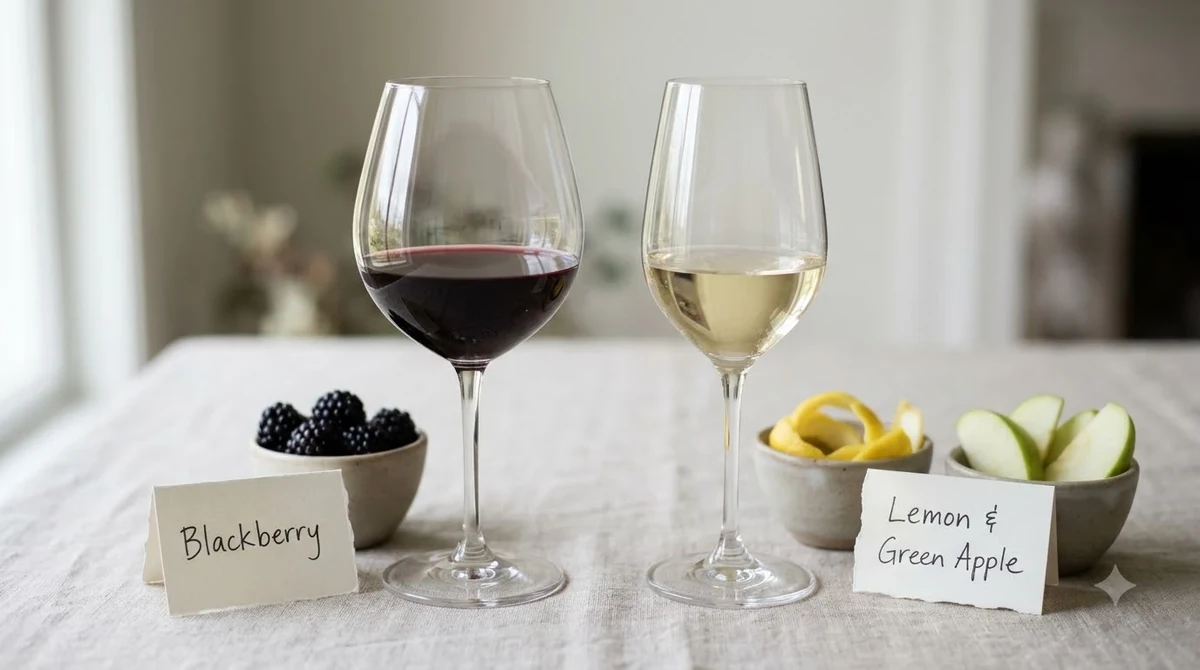
Zinfandel is a useful starting point for drinkers who enjoy expressive fruit. Wine Enthusiast described a Cline California Zinfandel with strawberry, brambly raspberry, orange zest, nutmeg, dried florals, and vanilla spice, followed by dark plum, blackberry, cola, cardamom, and cream-soda notes. The fruit can seem jammy, but the finish remains dry; the wine’s broad body suits rich food.
The Ancient Vines red blend offers a darker, more savory register. Wine Enthusiast noted baked blackberry, black currant, dried herbs, potpourri, and molasses, followed by boysenberry, clove, and a flavor reminiscent of habanero jelly. The reviewer also described supple, silky tannins. Read the Wine Enthusiast review of Cline’s Ancient Vines red blend for a bottle-specific example of ripe fruit balanced by a smooth texture.
Cashmere is the clearest choice for someone who prefers a gentler red. Cline positions it as an alternative to the more forceful side of its Zinfandel and Rhône portfolio, with less emphasis on heavy tannin and oak. Grenache’s fruit rounds out Syrah’s spice and Mourvèdre’s earthiness. By comparison, Syrah and Mourvèdre can contribute more structure, Merlot is typically softer, and Pinot Noir generally has lower-to-medium tannin and brighter acidity. These are grape-level tendencies, not guarantees, but they make the range easier to read.
How to Choose a Bottle for Your Taste
Start with the texture you enjoy, then use the grape and collection to narrow the choice. If you like plush fruit, try a Zinfandel; if you want a softer mixed-variety red, look at Cashmere; and if you prefer more classic structure, compare the Cabernet Sauvignon, Merlot, or Syrah options.
For a bold, fruit-led profile, choose Zinfandel or an Ancient Vines red. These wines suit drinkers who like blackberry, plum, baking spice, and a fuller mouthfeel. If you favor savory rather than sweet-seeming fruit, a Mourvèdre-based wine may be a better fit because earthy and herbal notes share the stage with dark fruit.
For a softer entry point, Cashmere is a natural first bottle. Its Grenache-Syrah-Mourvèdre blend is designed to avoid a heavy tannin or oak impression, making it useful for mixed groups. Drinkers who usually choose Merlot may also find it approachable, while fans of bold Syrah may prefer a single-variety Syrah or a more structured Rhône-style selection.
For a lighter red, look toward Pinot Noir, especially from a cooler Sonoma Coast site; it generally shows more freshness and less tannic grip than Cabernet Sauvignon or Syrah. Cabernet suits drinkers who enjoy pronounced tannin and black fruit, while Merlot offers a gentler middle ground. For comparisons beyond Cline, see the Baron Philippe de Rothschild wine profile. A mixed tasting can also include a white from Cline; the Cline white wine overview helps compare acidity and body, while the site’s Wine Brands resource explains how producers organize their ranges.
Tip: Choose by texture before choosing by prestige or label design. A guest who prefers a soft Merlot may enjoy Cashmere more than a dense Syrah, while a Zinfandel drinker may be happiest with an Ancient Vines red built around ripe fruit and spice.
Food Pairings for Cline Red Wine
Match the wine’s body and tannin to the weight of the dish. Fuller Cline reds work well with grilled meat and rich sauces, while softer blends and lighter Pinot Noir can suit poultry, mushrooms, and moderately seasoned dishes.
Zinfandel and the richer Ancient Vines reds suit barbecue, burgers, grilled sausages, and slow-cooked beef. Ripe berry flavors stand up to smoky sauce, while tannin provides structure beside fatty meat. Try short ribs, grilled lamb, or a mushroom-and-lentil burger. Salt and fat soften tannin, which is why a structured red often feels smoother with a well-seasoned steak than on its own.
Mourvèdre and Rhône blends pair well with lamb, roast pork, rosemary, thyme, roasted eggplant, olives, and mushrooms. Cashmere’s softer profile is flexible with roast chicken, pork tenderloin, tomato-based pasta, or aged cheese. Cabernet Sauvignon suits grilled steak and braised short ribs; Merlot is a more relaxed match for meatloaf or mushroom pasta. Pinot Noir’s acidity and lighter structure work with roast chicken, duck, salmon, and earthy mushroom dishes, while highly tannic reds tend to clash with oily fish.
Keep heat, sweetness, and acidity in mind. Chili heat feels stronger with high alcohol and tannin, so choose a milder preparation or a softer wine for pepper-heavy food. The wine should be at least as sweet as a dessert or sweet glaze; a dry red can taste sharp beside a very sweet dish. Acidic tomato sauces need a wine with enough acidity, while salty cheese and fatty dishes can soften tannin. A practical menu might pair Ancient Vines Zinfandel with grilled sausages and roasted potatoes, then Cashmere with roast chicken and herbed mushrooms.
Serving, Decanting, and Storing the Wine
Serving temperature can make the fruit, acidity, and tannin in a Cline red feel more balanced. Lighter reds are best slightly cool, while full-bodied styles show better with a little more warmth and enough air to open.
Serve lighter reds, including Pinot Noir, around 55 to 60 degrees Fahrenheit. Fuller reds such as Zinfandel, Syrah, and Cabernet Sauvignon are generally best around 60 to 65 degrees. A bottle served too warm can emphasize alcohol; one served too cold can mute aroma and make tannin feel harder. A short refrigerator chill helps a full red cool down in a warm room.
For a young, full-bodied red, allow 30 to 60 minutes in a decanter. Air can soften the first impression of a dense wine and release aromas. A lighter Pinot Noir usually needs less time, while an older bottle may need a careful pour to separate it from sediment. Start with a small glass and decide whether more air improves the wine.
A standard five-ounce pour means a 750-milliliter bottle provides about five glasses. Store unopened bottles on their sides in a cool, dark place near 55 degrees Fahrenheit, away from temperature swings and sunlight. After opening, reseal and refrigerate the wine; most still wines keep reasonably well for three to five days, though their fruit and freshness gradually fade.
Frequently Asked Questions
How did the Cashmere red blend begin?
Cashmere began with a single-barrel donation to Hospice du Rhône. The winery developed the blend around Grenache, Syrah, and Mourvèdre, drawing on the Rhône Valley tradition of combining varieties with complementary roles.
What does the bird on the Cashmere label represent?
The lazuli bunting pictured on the label honors Nancy Cline. The bird is a reference to her maiden name, Bunting, and is intended as a tribute to her influence on the family winery.
What is the flower shown on the Cashmere label?
The flower is a Mariposa lily, a wildflower native to Sonoma County and Contra Costa County. Those are also the two California areas that supply the Cashmere blend, linking the design to the wine’s sourcing.
When did Cline’s vineyards receive sustainability certification?
Cline says its vineyards and winery became Certified California Sustainable and Sonoma County Sustainable in 2018. The winery describes its farming approach as avoiding pesticides and herbicides, using cover crops and compost teas, and relying on sheep for weed control.
How much alcohol do Cline red wines contain?
Alcohol varies by wine and vintage. Two Cline reds reviewed by Wine Enthusiast, a Contra Costa County red blend and a California Zinfandel, were listed at 14.5% alcohol by volume, but that figure should not be assumed for every bottle in the range.
Cline’s red range rewards a little attention to grape variety and vineyard origin: Oakley old-vine wines offer a different experience from softer Cashmere blends and cooler-site Sonoma reds. Choose the style that fits your preferred tannin level and the meal, then serve it at the right temperature to let its fruit, spice, and structure show clearly.
More in Wine Brands
 Louis Latour Wine Price: Compare Bottles by Style and TierUpdated Nov 20, 2026
 Yellow Tail Moscato Price: What to Expect Before You BuyUpdated Nov 20, 2026
 Sutter Home Sweet Red Review: Find the Right Food PairingsUpdated Nov 20, 2026
 Franzia Chillable Red Review: Find the Right Serving StyleUpdated Nov 20, 2026
 Veuve Clicquot Rose Review: Flavor, Food Pairings and Buying AdviceUpdated Nov 20, 2026
 Rombauer Wine Price: Compare Bottles Before You BuyUpdated Nov 20, 2026