
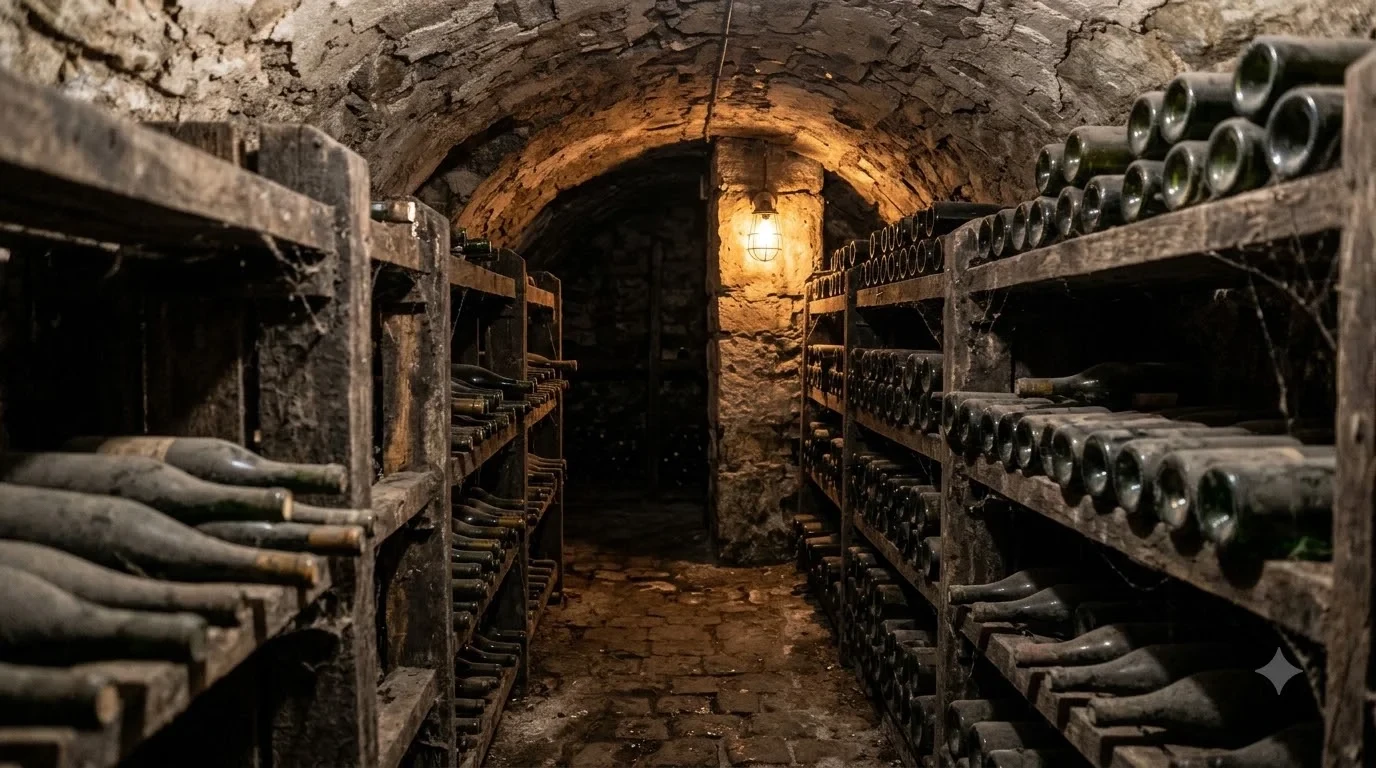

We may earn a commission when you buy through links on this page, at no extra cost to you. Learn more.
Cline Cellars wine comes from a family-owned Sonoma County winery founded in 1982, known for its ancient vine Zinfandel and for Rhône-style varietals. Fred and Nancy Cline started the winery in Oakley, in Contra Costa County, and moved it to the Carneros region of Sonoma Valley in 1991. This guide covers the history, the main wines, and how to serve and pair them.
Cline is a name many American drinkers recognize from supermarket shelves, but the winery’s identity rests on older vineyards and a long interest in Rhône grapes. If you have wondered what makes Cline different from other California producers, this page explains the family story, the vineyard sources, and the styles you are most likely to find. It draws on a reference article about the winery and avoids tasting claims that cannot be checked.
Who makes Cline and where
Cline Cellars is a family-owned and family-operated winery in Sonoma County, California. Its home is now in the Carneros wine appellation, a cool region at the southern end of Sonoma Valley that is shared with Napa Valley. The winery occupies a 350-acre property there, and the move from its original site in 1991 changed the scale and focus of the business.
The winery’s first vintage came in 1982. Fred Cline opened it in Oakley, Contra Costa County, using a modest inheritance from his maternal grandfather, Valeriano Jacuzzi. That family link is still part of the brand. In 2007 the Clines opened Jacuzzi Family Vineyards across the street from the original site, as a tribute to his grandparents.
The ancient vines story
Cline’s best-known label is Ancient Vines Zinfandel, and the name comes from the age of the vineyards behind it. The historic Oakley vineyards grow Mourvèdre, Carignane, Grenache, Palomino, and Zinfandel, and the vines are reported to be between 80 and 120 years old. Old vines often produce fewer clusters, which many growers believe concentrates the fruit and adds depth.
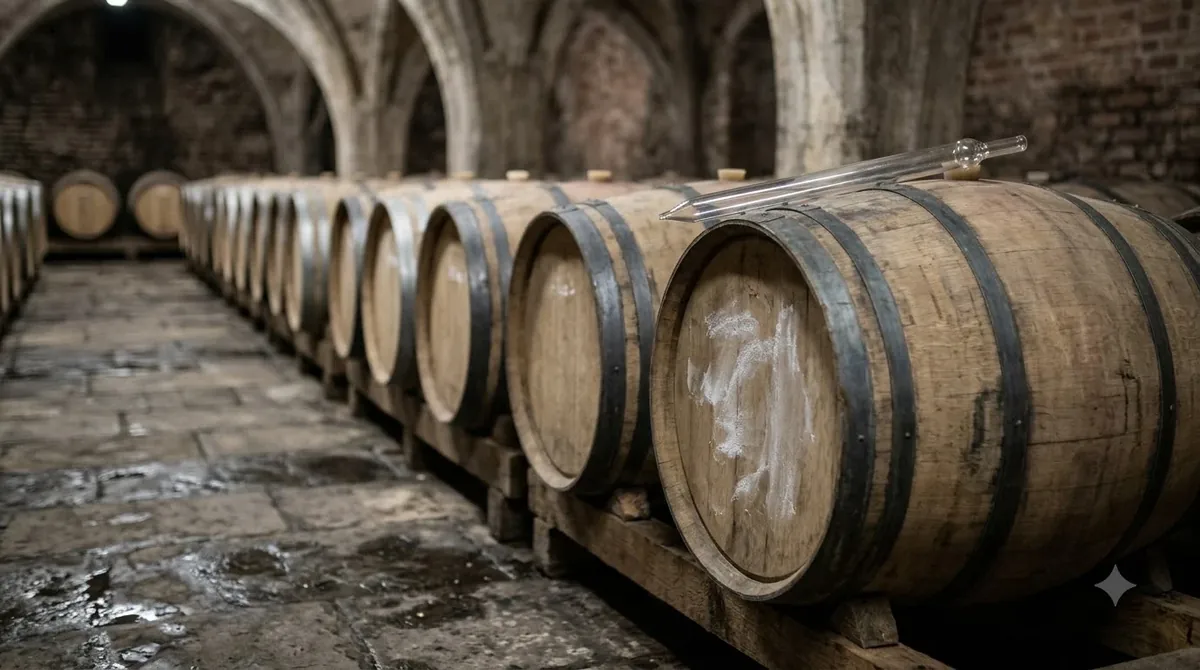
That approach set the tone for the winery’s reputation. Fred Cline was one of the first California vintners to plant French Rhône varietals, and the brand’s interest in those grapes continues today. Readers who want a sense of the old-vine style can use the Ancient Vines bottling as a starting point before exploring the rest of the range.
| Area of the range | Typical grapes or wines |
|---|---|
| Old-vine Zinfandel | Ancient Vines Zinfandel from historic Oakley vineyards |
| Rhône-style reds | Mourvèdre, Grenache, and related blends |
| Carneros wines | Pinot Noir and Chardonnay from the Sonoma estate |
| Other labels | Farmhouse and Cashmere |
Zinfandel and Rhône varieties
Zinfandel is the core of the Cline identity, and the winery’s ancient vine bottlings are among its most recognized wines. The style tends toward ripe fruit and a generous body, although the exact profile changes by vintage and by vineyard. Rhône varieties such as Mourvèdre and Grenache add savory and spicy notes that make the reds useful at the table.
Because the family has worked with Rhône grapes for decades, the range often feels more adventurous than a typical California red list. A drinker who likes Zinfandel can move to a Rhône-style blend and find a related but different character, which makes the winery a good place to compare styles.
Pinot Noir and Chardonnay from Carneros
The move to Carneros opened the door to cooler-climate grapes. Pinot Noir and Chardonnay from the Sonoma estate round out the portfolio, and they show a different side of the winery. Cool-climate sites like Carneros tend to keep more acidity in white wines and can give Pinot Noir a lighter, more aromatic structure than warmer sites.
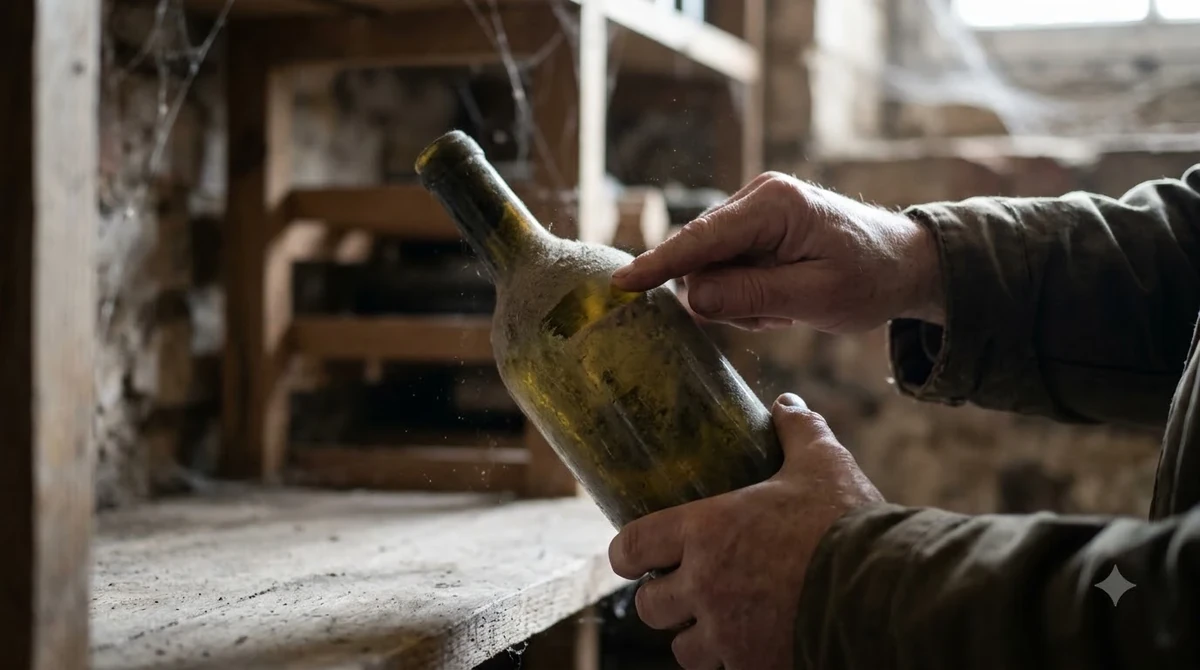
These bottles are useful for readers who want a lighter red or a food-friendly white. They also give the brand a second identity beyond old-vine Zinfandel, which helps explain why the winery appeals to both casual and serious buyers.
How to serve and pair Cline wines
Serve Zinfandel and Rhône reds slightly below room temperature, and open them a short time before the meal so the fruit can settle. Pinot Noir works well a little cooler than most reds, and Chardonnay should be lightly chilled rather than served very cold. Zinfandel pairs with barbecue, burgers, and roasted meats, while Rhône-style reds suit stews, grilled lamb, and aged cheeses.
- Pair the old-vine Zinfandel with barbecue ribs or a hearty burger.
- Choose a Rhône-style red for braised meat or roast lamb.
- Serve the Pinot Noir with roast chicken or mushroom dishes.
Tip: If you want to understand the winery’s range, taste a Zinfandel and a Rhône-style red side by side. The difference in spice and structure shows what the family’s vineyards contribute.
Who Cline suits
Cline suits drinkers who enjoy Zinfandel, want to explore Rhône varieties without a steep learning curve, and appreciate a family-run producer with a clear story. It is also a practical choice for everyday meals, since the range covers several styles. Readers who want another California Zinfandel-driven or red blend for comparison can look at the Austin Hope red wine guide. Readers who prefer very light, delicate reds or highly structured Cabernets may find the house style a different experience, and those looking for a single signature bottle may prefer to start with the Ancient Vines label.
Buying tips for Cline bottles
Cline’s range is wide enough that a little planning helps. If you want the signature old-vine style, look for the Ancient Vines Zinfandel by name. If you want something lighter or more food-friendly, look at the Carneros Pinot Noir or Chardonnay, which come from a cooler site. Reading the back label for the region and vintage is the quickest way to match a bottle to your plans.
Vintage matters for Zinfandel and Rhône-style reds, since the weather in a given year shapes ripeness and body. Buy a few bottles from different years if you want to see how the house style moves from one season to the next. Keep the bottles cool and out of direct light until you are ready to open them.
Understanding the Carneros region
Carneros sits at the southern end of Sonoma Valley, near San Pablo Bay. Its position makes the climate cooler and breezier than many inland Sonoma sites, which is why the region is strongly associated with Pinot Noir and Chardonnay. Cline’s move to the appellation in 1991 placed the family’s Rhône and Zinfandel expertise in a cool-climate setting, and that contrast shows up across the range.
Visitors interested in the region can compare a Carneros white with a warmer Sonoma red to see how site shapes style. That comparison is one of the most useful ways to understand what the winery is trying to do with its different vineyards.
Frequently Asked Questions
Where is Cline Cellars located?
The winery is in the Carneros region of Sonoma Valley in Sonoma County, California. It moved there in 1991 from its original site in Oakley, Contra Costa County.
What is Cline Cellars best known for?
The winery is best known for its Ancient Vines Zinfandel, made from historic vineyards in Oakley that are reported to be 80 to 120 years old.
When was Cline Cellars founded?
The winery produced its first vintage in 1982. Fred and Nancy Cline run it as a family business.
Does Cline make Rhône-style wines?
Yes. Fred Cline was among the first California vintners to plant French Rhône varietals, and Mourvèdre and Grenache appear in the historic vineyards.
Cline is a practical brand to explore if you enjoy Zinfandel and want to see how old vines and Rhône grapes shape a California red. For a broader view of how producers in this category differ, the wine brands guide is a good next step. The encyclopedia entry for the winery is a useful place to read more about its history, through the Cline Cellars article on Wikipedia.
More in Wine Brands
 Underwood Wine Price: Compare Bottles, Cans, and Pack SizesUpdated Nov 21, 2026
 Zenato Wine Price: Compare Styles and Choose the Right BottleUpdated Nov 21, 2026
 Zuccardi Wine Price: Compare Bottles and Find the Right RangeUpdated Nov 21, 2026
 Yellow Tail Moscato Review: Taste, Sweetness and Serving TipsUpdated Nov 21, 2026
 Wolf Blass Yellow Label Review: Choose Your Best StyleUpdated Nov 21, 2026
 Wolffer Estate Rose Review: Choose the Right Bottle for Your TableUpdated Nov 21, 2026