

We may earn a commission when you buy through links on this page, at no extra cost to you. Learn more.
How to pronounce sauternes: say “soh-TURN,” with the stress on the second syllable and no separately pronounced final s. In American English, the sound is close to “soh-turn,” said as two syllables. The French form is similar in shape but uses a French r, made farther back in the throat. Once you can say the name, you can order the sweet white wine of Bordeaux with confidence.
Sauternes is both the name of a French wine appellation and the sweet white wine produced there. Its honeyed reputation comes from a rare combination of place, autumn weather, careful grape selection, and a beneficial fungus known as noble rot. Understanding those details makes the pronunciation easier to remember and gives the name more meaning the next time it appears on a restaurant list.
How to Pronounce Sauternes in American English
The standard American pronunciation is “soh-TURN,” with the second syllable carrying the emphasis. Cambridge gives the US pronunciation as /soʊˈtɝːn/; its British entry is /səʊˈtɜːn/, a slightly different vowel but the same two-part rhythm.
Start with “soh,” as in the opening sound of “so,” then move directly into “turn,” as in the English word for a change of direction. Keep the word compact: it has two syllables, not three, and the final written s is not pronounced as a separate hissing sound. In ordinary American conversation, “soh-TURN” is a useful approximation that will be understood by servers, wine shop staff, and other wine drinkers.
The French pronunciation is commonly represented as /sotɛʁn/. It keeps the word in two syllables, but the second vowel is closer to the “eh” sound in French words such as “terre,” and the r is a French throat sound rather than the strong American r in “turn.” One easy mistake is to read every letter as English and say “saw-turns” or “soh-TER-ness.” That adds a sound the standard English and French forms do not require. For a quick audio comparison, use Cambridge’s American pronunciation entry; its phonetic spelling is a practical model for US speakers.
The French Name And Its Bordeaux Home
Sauternes is not the name of a grape; it is a protected wine appellation in the southern part of Bordeaux. The area lies about 40 kilometers southeast of the city of Bordeaux and includes five communes: Barsac, Bommes, Fargues, Preignac, and Sauternes.
The French national appellation body, INAO, records Sauternes as an appellation recognized in 1936. Its production area sits near the Ciron River, a tributary of the Garonne. The cooler water and surrounding landscape help create damp autumn mornings, while warmer and sunnier afternoons can follow. That contrast is central to the region’s distinctive conditions for producing botrytized sweet wine.
The name can also describe a bottle whose label identifies its precise origin. A wine labelled Sauternes must come from the delimited area and follow the appellation’s production rules; it is not simply any sweet white Bordeaux. Nearby Barsac is closely connected to the same landscape and is authorized to use its own appellation name. Bordeaux’s regional wine body describes about 1,200 hectares of vines, around 140 winegrowers, and 27 châteaux included in the 1855 classification; Château d’Yquem holds the unique Premier Cru Supérieur rank. For a broader overview of styles and regions, browse Wine by Type.
Bordeaux is famous for red wines made from Cabernet Sauvignon and Merlot, but Sauternes belongs to the region’s sweet white tradition. The appellation’s geography and the way its grapes are grown and selected are the foundation of the style. For more regional context, read Bordeaux’s Sauternes appellation profile.
Botrytis And The Patient Harvest
The signature sweetness of Sauternes begins with Botrytis cinerea, a fungus that can cause noble rot when weather conditions are right. Rather than simply adding sweetness, the fungus and the drying of the berries concentrate the grape juice and contribute to the wine’s distinctive aromas and texture.
The Ciron and Garonne rivers help shape a local pattern of cool, humid mornings and warmer afternoons. Morning mist encourages botrytis to develop on ripe grapes; later sunshine and moving air help affected berries lose water and shrivel. The result is fruit with concentrated sugars, flavors, and extract. The weather has to strike a delicate balance: beneficial botrytis is not the same as destructive bunch rot, and conditions can vary from one autumn to another.
Harvesting is slow and selective. According to INAO, Sauternes grapes are picked by hand and carefully selected berry by berry. Regional material describes successive passes through the vineyard, with pickers returning to choose only fruit that has reached the right stage. A single vine or cluster may contain berries at different levels of ripeness and botrytis, so a whole bunch may not be ready at once.
This picking method makes production demanding. Growers cannot simply harvest every row on one date and expect the desired concentration across the crop; teams make multiple selections and may leave fruit on the vine while they wait for the next suitable group of berries. If the weather turns wet or noble rot does not develop evenly, the available quantity can be limited. The final wine depends on choosing the right berries, not on maximizing the number picked. The grapes retain acidity as their sugars and flavors concentrate, helping the finished wine avoid tasting like plain syrup.
Sémillon, Sauvignon Blanc, And Muscadelle
Sauternes is made from white grapes, with Sémillon usually playing the leading role. Sauvignon Blanc brings freshness and structure, while Muscadelle may add floral and fruit notes; regional descriptions also include Sauvignon Gris among the local varieties.
Sémillon is particularly important because it is especially susceptible to botrytis. In the vineyard, that trait helps the grape develop the noble rot that concentrates the juice. In the finished wine, Sémillon often supplies body and a rich, rounded texture. Wine Enthusiast identifies it as the principal variety and notes its particular suitability for botrytis in the Sauternes growing environment.
Sauvignon Blanc contributes a brighter edge to the blend. Its acidity helps prevent concentrated fruit from feeling heavy, while citrus and fresh-fruit character can lift the aromas. Muscadelle is generally a smaller component, but its floral character can add another layer. The exact balance varies by producer and vintage, so one Sauternes may feel broad and honeyed while another seems more lively and citrus-driven.
The flavor profile develops as the wine ages. A younger Sauternes can show citrus, white flowers, apple, and pear, while mature examples may suggest apricot, dried fruit, honey, fig, saffron, cinnamon, hazelnut, or marmalade. Wine Enthusiast also points to honey, butterscotch, coconut, tropical fruit, and, in some oak-aged bottles, smoke or vanilla. These are tasting impressions rather than ingredients; the aromas come from grapes, botrytis, fermentation, and maturation. Young wines often appear bright gold, while bottle age can deepen their color toward amber and give the texture a more layered, velvety character. It is useful to distinguish the appellation from other Bordeaux names on a wine list: “Claret” commonly refers to red Bordeaux in English-language wine usage, whereas Sauternes is a sweet white wine. The pronunciation of claret and cuvée can help decode other French wine terms, but neither describes the grape blend or production method used for Sauternes.
Serving Temperature And Bottle Care
Serve Sauternes well chilled, around 43–50°F. That range keeps the wine lively and focused while allowing its honey, fruit, and spice aromas to emerge as it warms slightly in the glass.
Place the bottle in the refrigerator before serving, then pour and give the wine a few moments to open. Avoid serving it warm: high temperature can make the alcohol feel more obvious and the sweetness seem heavier. At the other extreme, serving it close to freezing can mute the aromas that make Sauternes distinctive. A standard white wine glass is a sensible choice, giving the wine room to release its aromas without requiring specialized dessert-wine glassware.
Decanter quotes Château Coutet’s Aline Baly recommending white wine glasses rather than tiny dessert glasses for sweet wines, and a serving temperature around 9–10°C (48–50°F). That is near the warmer end of the general sweet-white range; a slightly cooler pour can suit a very young or very old bottle, a spicy dish, or a sweet dessert. A 750-milliliter bottle contains about five standard 5-ounce pours, while a smaller tasting pour can be practical when several courses or other wines are being served.
| Wine style | Serving temperature | Serving cue |
|---|---|---|
| Sauternes and other sweet whites | 43–50°F | Chill well; let aromas open in the glass |
| Light whites and rosé | 45–50°F | Keep crisp and refreshing |
| Full-bodied whites | 50–55°F | Allow more texture to show |
| Light-bodied reds | 55–60°F | Serve lightly cool |
| Full-bodied reds | 60–65°F | Avoid excessive warmth |
After opening, re-cork the bottle and keep it in the refrigerator. For longer storage, keep a sealed bottle in a cool, dark place with a stable temperature and away from strong light or vibration. A wine refrigerator near 55°F is useful for long-term storage; standard bottles are generally stored on their side when sealed with a natural cork.
Food Pairings For Savory Dishes And Sweets
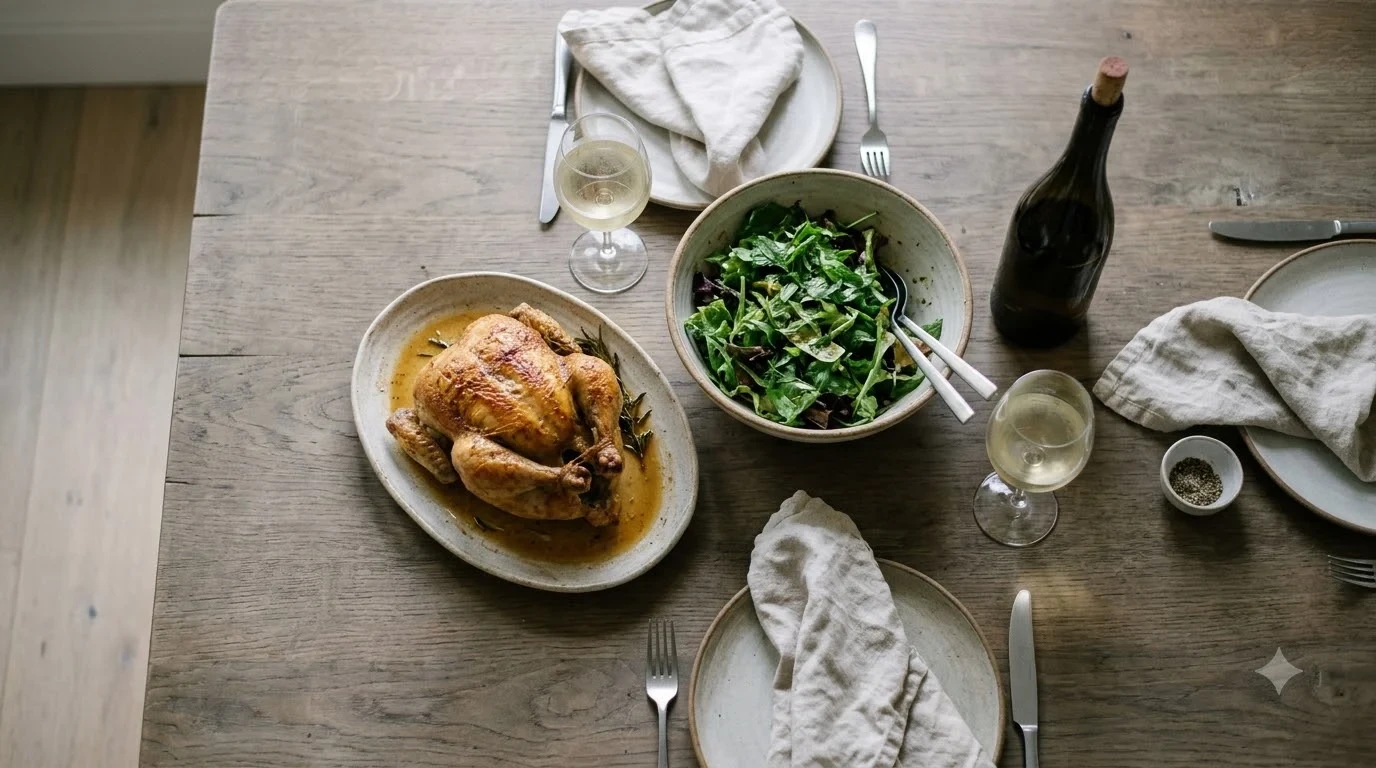
Sauternes is versatile at the table because sweetness, acidity, and richness work together. It can accompany savory foods such as foie gras, blue cheese, roast chicken, lobster, and shellfish, as well as fruit-based desserts that are not sweeter than the wine.
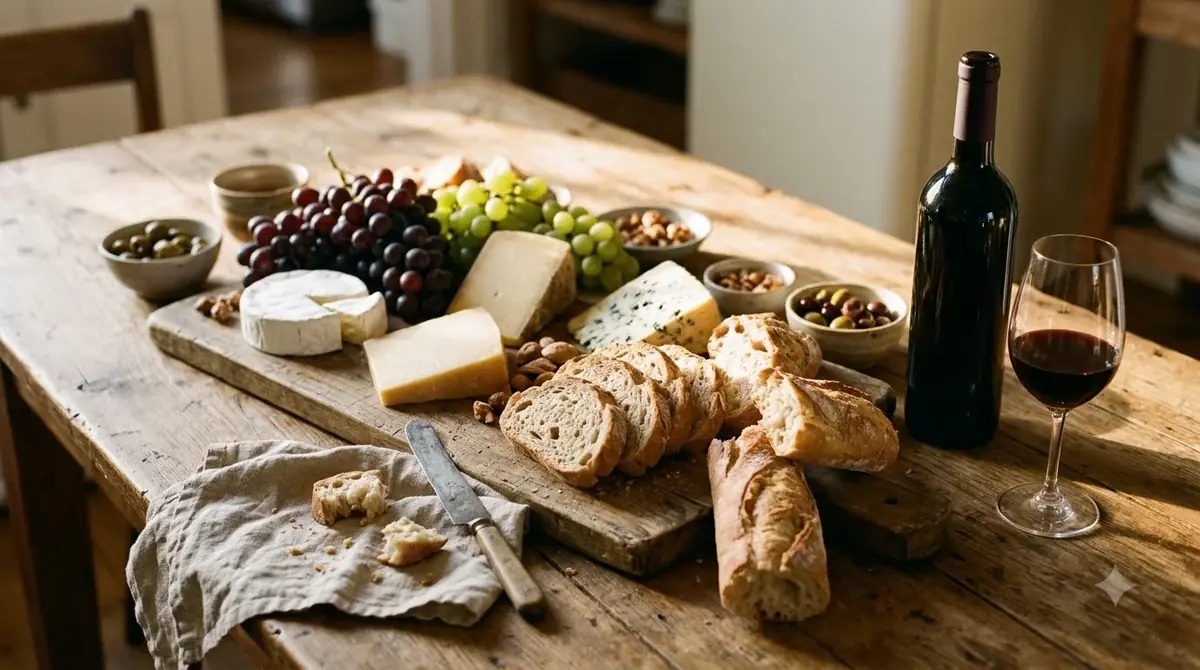
The classic pairing with foie gras shows how contrast can work. The wine’s sweetness meets the rich texture of the liver, while acidity keeps the combination from feeling too heavy. Salted or blue cheeses create a different contrast: their savory saltiness makes the wine’s fruit and honey seem more vivid. Roquefort is a familiar partner, but other assertive blue cheeses can work on the same principle.
Seafood can be a more surprising match. Decanter reports Château Coutet’s Aline Baly favoring lobster and recommending shellfish starters, roast chicken for a main course, and fresh strawberries for dessert. The combination works best when the preparation is considered: a delicate shellfish dish or lobster with a butter-based sauce is a better starting point than a sharp vinegar dressing that could make the wine seem flat.
For dessert, use sweetness as the guide: the wine should be at least as sweet as the dish. Apricot tart, poached pears, baked apples, fruit pastries, or a lightly sweet custard are more reliable matches than an intensely sugary cake, which can make the wine seem thin or sour. Think about acidity too. Foods with pronounced acidity need a wine with equal or higher acidity, while lemon-heavy sauces and strongly pickled accompaniments can be difficult. A salty, rich, or lightly savory dish often creates a better counterpoint.
Tip: Pair Sauternes with the least sweet part of the meal first, then move to fruit or pastry. A salty blue cheese, a small serving of foie gras, or lobster can make the wine feel more balanced than a very sweet dessert served on its own.
Frequently Asked Questions
These quick answers address common points that come up after the name, pronunciation, and style are familiar. They also clarify how Sauternes relates to neighboring wines and to the classic Bordeaux classification.
Is Sauternes a grape variety?
No. Sauternes is an appellation and the name of the sweet white wine made there, rather than a single grape. The blend is based mainly on Sémillon, with Sauvignon Blanc and sometimes Muscadelle and other permitted varieties.
Is Barsac the same appellation as Sauternes?
Barsac is a distinct appellation within the same broader sweet-wine area, and producers there can choose to label qualifying wines as Barsac or Sauternes. Decanter describes Barsac’s silty, alluvial soils as tending toward wines with greater freshness and lightness than the creamier style often associated with other Sauternes communes.
Does Sauternes always taste like honey?
Honey is a common note, but it is not the only one. Younger bottlings may lean toward citrus, pear, or white flowers, while mature wines can develop marmalade, fig, toasted nuts, saffron, and other dried-fruit or spice notes.
What is Château d’Yquem’s classification?
Château d’Yquem holds the unique Premier Cru Supérieur rank in the 1855 classification for Sauternes and Barsac. The designation places it above the classified first-growth and second-growth estates in that historic ranking; it is a classification distinction, not a pronunciation rule or a separate grape variety.
Can Sauternes age in the bottle?
Yes. High acidity, concentrated fruit, and residual sweetness give well-made Sauternes the structure to develop over many years, although the ideal drinking window depends on the producer, vintage, and storage. A younger bottle often emphasizes fresh fruit, while mature examples may show deeper amber color and more developed dried-fruit, spice, and honey aromas.
Remember the name as “soh-TURN”: two syllables, stress on the second, and no separate final s. The word points to a distinctive place in Bordeaux and to a sweet white wine shaped by noble rot, careful harvesting, and balancing acidity. Once the pronunciation feels natural, the next glass of Sauternes can be about the wine itself rather than the spelling.
More in Wine Types & Grapes
 Zinfandel Sugar Content: Dry Red vs. White Zinfandel GramsUpdated Nov 21, 2026
 Best Zinfandel Substitute Options for Sipping and CookingUpdated Nov 21, 2026
 Zweigelt Food Pairing: Best Dishes, Cheeses, and Serving TipsUpdated Nov 21, 2026
 Zinfandel Tannins Explained: How Structure Shapes Every BottleUpdated Nov 21, 2026
 Zinfandel Sweetness Level: Dry Red vs. Sweet White Zin ExplainedUpdated Nov 21, 2026
 Xinomavro Food Pairing: Best Dishes, Styles, and Serving TipsUpdated Nov 21, 2026