

We may earn a commission when you buy through links on this page, at no extra cost to you. Learn more.
The sauternes grape is mainly Sémillon, blended with Sauvignon Blanc and Muscadelle to make one of the world’s best-known sweet white wines. Wine Folly identifies Sémillon as the main grape in Sauternes, and the wine’s sweetness depends on noble rot, a fungus that concentrates the sugar in ripe grapes. Sauternes is a place-named wine from Bordeaux, so the grape you see on the label is the blend, not a single variety.
This guide explains which grapes go into Sauternes, how noble rot works, where the wine comes from, and what sets its flavor apart from a dry white.
The three grapes in a bottle of Sauternes
Sauternes is made from Sémillon, Sauvignon Blanc, and Muscadelle. Sémillon is the core of the blend, and the other two add balance and freshness. VinePair’s Sauternes guide lists the same three varieties and explains that the wine must come from one of five communes, which are Barsac, Sauternes, Bommes, Fargues, and Preignac.
Sémillon suits the process because its thin skin and tight bunches make it susceptible to noble rot. Winemakers often add Sauvignon Blanc to bring acidity and freshness into a wine that would otherwise be very rich. The result is sweet but not heavy, because the acidity keeps the finish lively.
How noble rot makes the wine sweet
Noble rot, which comes from the fungus Botrytis cinerea, is the reason Sauternes tastes the way it does. Morning mists form where the Garonne and Ciron rivers meet, and afternoon sun burns them off. That cycle lets the fungus develop on the grapes and then dries them, a process that protects the fruit from harmful rot.
As the fungus pierces the skins, water evaporates and the sugars, acids, and flavors become more concentrated. Wine Folly notes that noble rot also produces sotolon, a compound linked to honey, nut, and spice notes. VinePair describes the fungus as beneficial and says the local climate allows it to develop more often than not, although harvests still vary from year to year.
Flavor and texture of a Sauternes-style wine
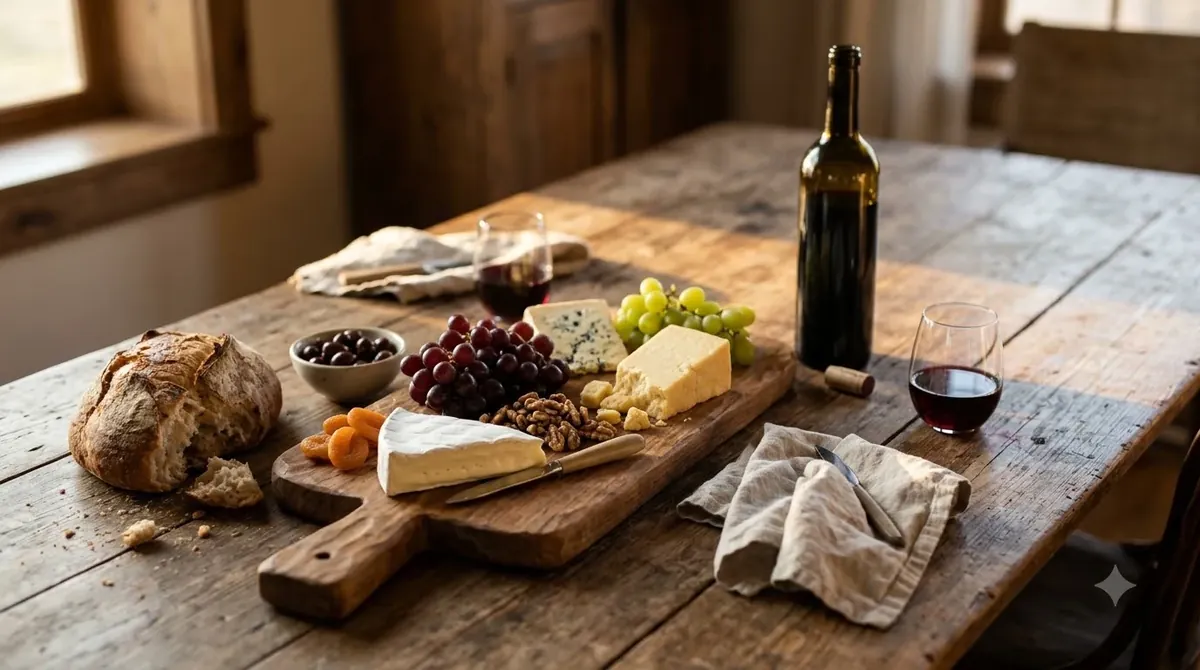
Sauternes is typically rich and sweet, balanced by vibrant acidity. Common flavors include apricot, peach, honey, and saffron, along with a nutty note. The texture is creamy and viscous, which makes the wine feel full even at a modest pour.
Wine Folly calls sweet Sauternes-style wines opulent and honeyed, with a concentration that can carry for a long time. The style can keep for well over a decade, and exceptional vintages can age far longer, which is one reason collectors pay attention to the year on the label.
| Detail | What the sources report |
|---|---|
| Grapes | Sémillon, Sauvignon Blanc, and Muscadelle |
| Minimum alcohol for Sauternes | 13 percent, according to VinePair |
| Sémillon alcohol range | 11 to 14 percent ABV, according to Wine Folly |
| Flavors | Peach, apricot, honey, nutty finish |
| Typical bottle size | 375 ml half bottle, according to VinePair |
Where Sauternes comes from
Sauternes sits in the Sauternais area of Bordeaux’s Graves region, about 25 miles southeast of the city of Bordeaux. Five communes can use the Sauternes name, and Barsac wines may also use the Barsac appellation. The geography matters because the river mists and autumn weather decide how much noble rot develops in a given year.
The landscape is mostly gently rolling vineyards, and the sweetest wines come from a small group of estates close to the Ciron river. Because the wines depend on that particular mix of river water, mist, and sun, it is hard to copy the style elsewhere. Many winemakers in other regions make sweet wines from botrytized grapes, but few reproduce the exact balance of Sémillon, acidity, and aging that defines Sauternes.
Records from the seventeenth century already mention noble rot on Sémillon grapes. By the end of the eighteenth century Sauternes had become famous internationally, and VinePair reports that George Washington reportedly ordered thirty bottles of Château d’Yquem after tasting it.
How the harvest works
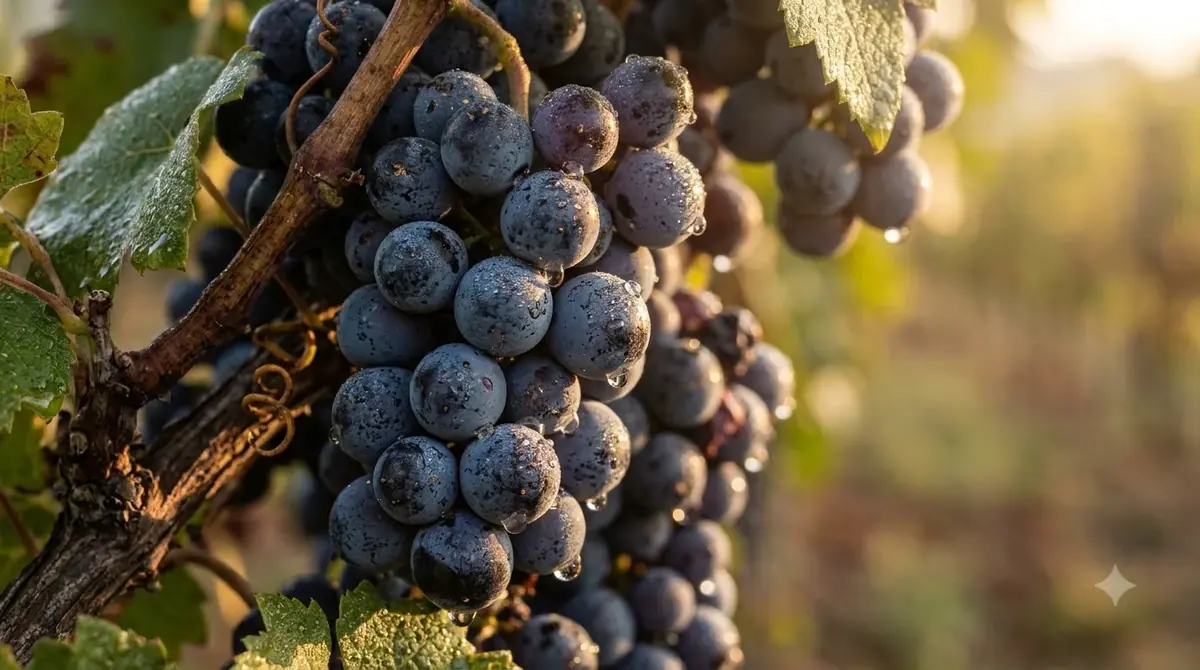
Because noble rot does not develop evenly across a vineyard, the grapes ripen at different rates. Producers usually pass through the same rows several times in a season and pick only the berries that have reached the right level of rot, rather than harvesting everything at once. That selective picking is slow and labor-intensive, and it is one reason Sauternes is a small-volume wine compared with a typical dry white.
Weather decides how much of the crop can be used. A dry, warm autumn that follows the misty mornings can produce a rich vintage, while a wet season may limit how much fruit reaches the concentration the wine needs. VinePair notes that harvests still vary from year to year, and that variation is part of why each vintage tastes a little different.
Reading a Sauternes label
The appellation on the label is the first thing to check. A bottle may say Sauternes, which covers the five communes, or Barsac, which has its own appellation. Both are sweet wines, but the place name tells you where the grapes grew and how the producer approached the style.
The vintage year matters because weather changes each season’s noble rot. A strong vintage can age for decades, so a recent bottle may need more time before it shows its full range of honey and dried-fruit notes. The alcohol figure is also useful, since VinePair notes that Sauternes must reach at least 13 percent alcohol to qualify.
Serving and pairing Sauternes
Serving temperature is a practical question for a sweet wine. VinePair does not list a specific temperature, so treat the bottle’s own guidance as the starting point. Many drinkers serve Sauternes cool rather than chilled, which keeps the acidity clear while the honey and apricot notes stay in front.
Sweet wines like Sauternes are best served with dishes that can stand up to their richness. VinePair suggests soft cheeses such as brie and rich veal, and the wine also pairs with fruit-based desserts. Because it is often sold in half bottles, a small pour is usually enough for a dessert course.
If you are exploring other white varieties, the cortese grape guide covers a lighter Italian white, while the chablis grape page shows how a dry white differs from a sweet one. Those comparisons make the Sauternes style easier to place.
Frequently Asked Questions
Is the sauternes grape a single variety?
No. Sauternes is a blend of Sémillon, Sauvignon Blanc, and Muscadelle, with Sémillon making up the core of the wine. The name refers to the wine’s place of origin.
Why is Sauternes so sweet?
Noble rot concentrates the sugar in the grapes. The fungus dries the fruit from the inside, and the resulting juice is rich in sugar and flavor, which is then made into a sweet wine.
How strong is Sauternes?
VinePair notes that a wine must have at least 13 percent alcohol to qualify as Sauternes. Sémillon on its own runs from 11 to 14 percent ABV, so the figure on each bottle is the one to compare.
Can Sauternes be served with dessert?
Yes, it is a classic partner for fruit desserts and rich pastries. A small glass is usually enough because the wine is intensely sweet.
For a first taste, pick a bottle from a respected producer, serve a small glass with a simple dessert, and notice how the sweetness is held in check by the acidity. That balance is what makes Sauternes memorable, and it is the easiest way to decide whether the style suits your table.
Sauternes shows how one grape, one fungus, and one special place can combine into a single style. Read the label, check the year, and compare a few bottles to see which level of sweetness suits your taste.
More in Wine Types & Grapes
 Zinfandel Sugar Content: Dry Red vs. White Zinfandel GramsUpdated Nov 21, 2026
 Best Zinfandel Substitute Options for Sipping and CookingUpdated Nov 21, 2026
 Zweigelt Food Pairing: Best Dishes, Cheeses, and Serving TipsUpdated Nov 21, 2026
 Zinfandel Tannins Explained: How Structure Shapes Every BottleUpdated Nov 21, 2026
 Zinfandel Sweetness Level: Dry Red vs. Sweet White Zin ExplainedUpdated Nov 21, 2026
 Xinomavro Food Pairing: Best Dishes, Styles, and Serving TipsUpdated Nov 21, 2026