


We may earn a commission when you buy through links on this page, at no extra cost to you. Learn more.
The asti wine region is a historic hilly winemaking area in southeastern Piedmont, Italy, world-famous for aromatic sparkling wines made from Moscato Bianco alongside structured red wines led by Barbera. Spanning 51 townships across the provinces of Asti, Alessandria, and Cuneo, the Asti DOCG covers roughly 22,600 acres (9,800 to 9,900 hectares) of UNESCO-recognized vineyards. While many American drinkers associate the name strictly with sweet, low-alcohol Moscato d’Asti, the territory also produces bone-dry Asti Spumante, pink Asti Rosé, and ageworthy reds like Barbera d’Asti and Nizza DOCG.
Located roughly a 60-minute drive southeast of Turin at a latitude of 45°N—the same parallel as Bordeaux—this corner of Wine Regions swaps the foggy Nebbiolo strongholds of Barolo for sunlit, breeze-swept ridges of calcareous marl and marine sand. Over 3,000 to 4,000 growers and more than 200 bottling houses tend steep hillside plots here, making Asti one of Italy’s most culturally distinct and accessible wine landscapes.
Overview
The asti wine region anchors the Monferrato hills in southern Piedmont, earning DOC status in 1967 and elevation to Italy’s highest DOCG tier in 1993. Its vineyard hills—alongside neighboring Langhe and Roero—are protected as a UNESCO World Heritage Site for their centuries-old viticultural landscape.
Winemaking around the town of Asti dates back to the ancient Ligurians, who called the settlement “Ast” (meaning elevated place), and expanded rapidly after Roman colonization in the second century B.C. In 1865, local producer Carlo Gancia uncorked Italy’s first sparkling wine made from Moscato Bianco, proving that Piedmont’s fragrant white grape could rival Champagne in effervescence. Three decades later, in 1898, Asti-born enologist Federico Martinotti invented the pressurized stainless-steel tank fermentation method—later refined as the Charmat method—specifically to preserve Moscato’s delicate floral and stone-fruit aromatics.
Today, the official Consorzio dell’Asti DOCG oversees roughly 60 million bottles of Asti DOCG wines annually, while a separate consortium governs the province’s powerhouse red appellations. Unlike parts of Piedmont where single-estate monopolies dominate, Asti thrives on a cooperative network of family grape growers who sell fruit to historic sparkling houses as well as independent estate bottlers.
Sub-regions and Terroir
Vineyards across the asti wine region rise up to 1,650 feet (500 meters) above sea level, divided by elevation and soil chemistry into distinct micro-zones. Lower marl slopes favor lush, sun-drenched sweetness, while higher sandstone ridges retain crisp acidity for drier styles.
According to regional mapping by Wine Folly’s Asti DOCG guide, the zone between Canelli and Nizza Monferrato features lower calcareous marl slopes at 820 to 1,150 feet (250 to 350 meters). These warm, chalky hillsides ripen Moscato Bianco with generous peach, apricot, and honeyed aromatics suited to classic sweet bottlings. Moving higher into mid-band sandstone slopes between 1,150 and 1,500 feet (350 to 450 meters), cooler temperatures preserve vibrant natural acidity, providing the primary fruit source for modern Brut and Extra-Dry Asti Spumante cuvées.
Soil variation shapes the region’s red wines just as dramatically as its whites. In Barbera d’Asti, “white soils” composed of calcareous marls rich in calcium carbonate, clay, and silt yield structured, deeply colored reds capable of cellar aging, whereas marine-derived Asti sands produce softer, fruit-forward reds with gentler acidity. Within the broader territory, dedicated sub-appellations further spotlight specific pockets of terroir, including Canelli DOCG across 17 municipalities, Strevi DOC in Alessandria for passito dessert wines, and Nizza DOCG for top-tier Barbera.
Key Grapes and Wine Styles
Moscato Bianco and Barbera form the twin pillars of the asti wine region, accounting for the vast majority of vineyard plantings and international acclaim. Together, they span an extraordinary spectrum from gentle 4.5% to 5.5% ABV frizzante wines to full-bodied, oak-aged reds.
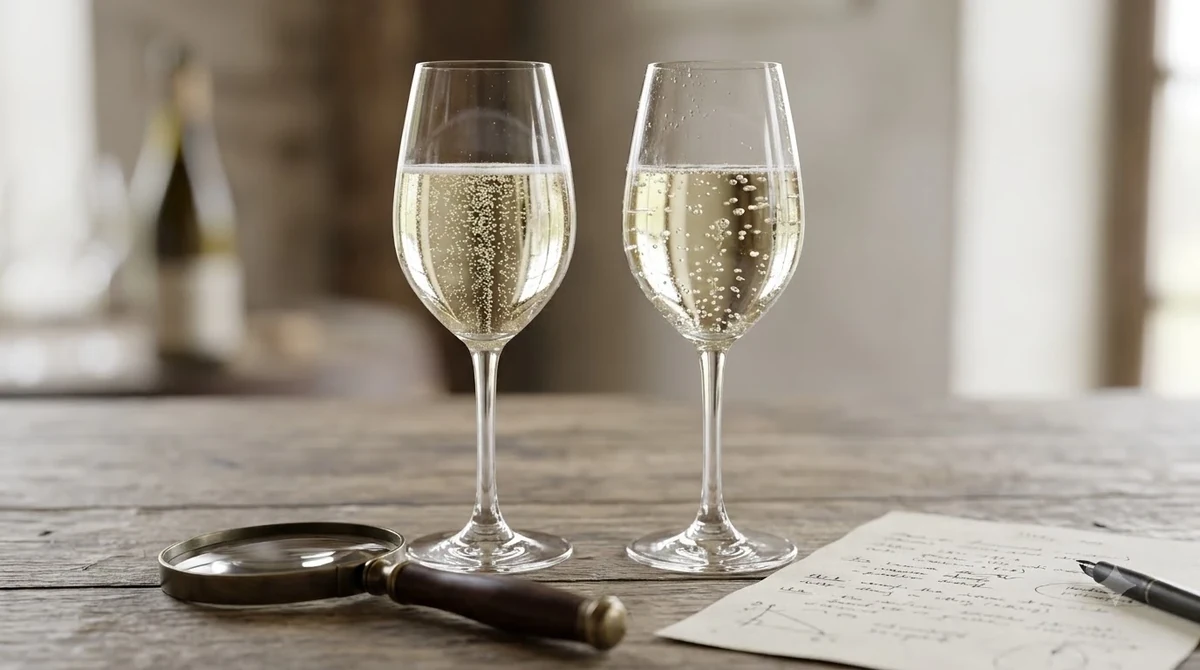
Moscato Bianco—known elsewhere as Muscat Blanc à Petits Grains—is one of Piedmont’s oldest indigenous grapes and the sole white variety permitted in Asti DOCG. In Moscato d’Asti DOCG, winemakers chill the fermenting must near freezing to halt fermentation around 4.5% to 5.5% ABV, trapping natural grape sugars alongside a gentle, creamy prickle (frizzante) bursting with acacia flower, wisteria, sage, orange blossom, and white peach. By contrast, Asti Spumante DOCG ferments to full Champagne-level pressure (5 to 7 bars) across every sweetness tier—from bone-dry Brut Nature and Extra Dry to classic sweet Dolce—and since 2026 also includes Asti Rosé, blending Moscato Bianco with 10% to 30% red Brachetto grapes.
On the red side, Barbera d’Asti DOCG—elevated to DOCG status in 2008—puts Piedmont’s most widely planted red grape on prime south-facing hillsides rather than relegating it to secondary slopes. Naturally high in mouthwatering acidity and low in astringent tannin, Barbera d’Asti delivers juicy Morello cherry, blackberry, and violet notes in stainless-steel bottlings, while oak-aged Superiore and Nizza DOCG expressions (aged at least 18 months, including 6 months in wood) gain dark spice, cocoa, and polished structure. Adventurous drinkers can also seek out Ruchè di Castagnole Monferrato DOCG, an aromatic indigenous red prized for rose-petal and black-pepper perfume, much like exploring lesser-known European regions such as the marche wine region or Spain’s bierzo wine region.
| Appellation | Primary Grape(s) | Style & Sweetness | Typical ABV & Structure |
|---|---|---|---|
| Moscato d’Asti DOCG | 100% Moscato Bianco | Gently sparkling (frizzante), sweet, aromatic | 4.5%–5.5% ABV; low pressure, lush peach and sage notes |
| Asti Spumante DOCG | 100% Moscato Bianco | Fully sparkling (5–7 bars), Brut Nature to Dolce | 7%–12% ABV depending on residual sugar (0–110 g/L) |
| Asti Rosé DOCG | Moscato Bianco with 10%–30% Brachetto | Fully sparkling pink wine, fresh and floral | Crisp berry and blossom aromatics with lively mousse |
| Canelli DOCG | 100% Moscato Bianco (17 communes) | Gently sparkling sweet white from historic hills | Low alcohol, concentrated honeyed stone fruit and herbal lift |
| Barbera d’Asti DOCG | Minimum 90% Barbera | Still dry red (classic and oak-aged Superiore) | High natural acidity, low tannin, dark cherry and spice |
| Nizza DOCG | 100% Barbera (18 communes) | Still dry red, aged 18+ months (6+ in oak) | Full-bodied, structured blackberry, violet, and toast |
Notable Producers
Both historic sparkling houses and pioneering red-wine estates define quality across the asti wine region. Below are benchmark names consistently cited by wine publications and regional consortia:
- Gancia: Founded in Canelli, Carlo Gancia’s historic house produced Italy’s first sparkling Moscato in 1865 and remains an emblem of Asti Spumante heritage.
- Coppo: Based in Canelli, this multi-generational estate is celebrated for both aromatic Moscato wines and structured Barbera d’Asti and Nizza DOCG bottlings aged in its UNESCO-listed cellars.
- Contratto and Bosca: Two storied Canelli sparkling producers whose nineteenth-century cellars helped establish Asti as Italy’s sparkling wine capital.
- Braida (Giacomo Bologna): Located in Rocchetta Tanaro, Giacomo Bologna sparked the 1980s “Barbera revolution” with his 1982 Bricco dell’Uccellone, proving Barbera d’Asti could rival Piedmont’s greatest ageworthy reds, alongside standout Moscato d’Asti like Vigna Senza Nome.
- Michele Chiarlo, Fontanafredda, Marenco, and Tosti1820: Widely distributed producers offering reliable benchmarks across Moscato d’Asti, Asti Spumante, and hillside Barbera d’Asti.
Visiting Tips
Planning a trip to the asti wine region is straightforward because the vineyards sit just an hour east of Turin and roughly 30 minutes from Alba’s famous white truffle markets. Base yourself in the towns of Asti, Canelli, or Nizza Monferrato to keep driving distances short along winding ridge roads.
The architectural highlight of any itinerary is a tour of Canelli’s “Underground Cathedrals”—vast nineteenth-century cellars dug up to 105 to 130 feet (32 to 40 meters) beneath the town into porous calcareous tufa rock. Maintained naturally at a constant 54°F to 57°F (12°C to 14°C) year-round, these vaulted brick-and-stone tunnels at historic houses like Coppo, Bosca, Contratto, and Gancia stretch for miles and are protected as a UNESCO World Heritage Site. Because most historic cellars remain active working facilities rather than drop-in tasting rooms, advance appointments are essential, especially on weekends.
Autumn—particularly October and November—offers peak vineyard foliage alongside white truffle season and harvest festivities, while late spring brings mild weather and quieter tasting rooms. Plan no more than two or three winery appointments per day, leaving room at lunch for local tajarin pasta, hazelnut desserts made with Piedmont’s prized Tonda Gentile hazelnuts, and a mid-day glass of low-alcohol Moscato d’Asti.
Tip: When visiting Canelli’s Underground Cathedrals, pack a light jacket even in July—the tufa tunnels stay a brisk 54°F to 57°F (12°C to 14°C) all year.
How to Buy and Serve Asti Wines
Shopping for bottles from the asti wine region comes down to checking two details on the front label: the specific DOCG appellation and the sweetness indicator. Because the region makes everything from bone-dry sparklers to dessert wines, reading the label prevents unwanted surprises at dinner.
For Moscato d’Asti DOCG and sweet Asti Spumante, always check the vintage date on the neck or back label and buy the youngest release available, ideally within one year of harvest, so the fresh grape and orange-blossom aromas stay vibrant. If you prefer crisp, dry sparkling wine, look specifically for “Brut Nature,” “Brut,” or “Extra Dry” on Asti Spumante labels—these drier bottlings drink well for up to three years and pair effortlessly with salty appetizers, oysters, or spicy Thai and Cantonese dishes. Serve all Asti sparkling wines well chilled at 43°F to 46°F (6°C to 8°C) in a tulip-shaped sparkling glass rather than a narrow flute, which traps the floral bouquet.
When buying Barbera d’Asti DOCG, choose unoaked or stainless-steel versions for weeknight pizza, tomato-based pasta, and charcuterie, and step up to Barbera d’Asti Superiore or Nizza DOCG when pairing with braised meats or aged cheeses—much as you would choose structured reds from Spain’s jumilla wine region. Serve Barbera slightly cool at around 60°F to 65°F (15°C to 18°C) to keep its signature bright acidity crisp and refreshing.
Frequently Asked Questions
What is the difference between Asti Spumante and Moscato d’Asti?
Both wines are made from 100% Moscato Bianco grapes grown in the same Piedmontese DOCG, but they differ in pressure, alcohol, and sweetness options. Moscato d’Asti is gently sparkling (frizzante), always sweet, and low in alcohol at 4.5% to 5.5% ABV, whereas Asti Spumante is fully sparkling at Champagne-like pressure (5 to 7 bars), carries higher alcohol, and is produced in styles ranging from bone-dry Brut Nature to sweet Dolce.
Is all wine from the Asti wine region sweet?
No, the asti wine region produces a wide range of dry wines alongside its famous sweet bottlings. Asti Spumante is made in Brut Nature, Brut, and Extra Dry styles with zero to minimal residual sugar, and the region’s major red appellations—including Barbera d’Asti DOCG, Nizza DOCG, and Ruchè di Castagnole Monferrato DOCG—are completely dry table wines.
Why are Canelli’s cellars called Underground Cathedrals?
During the nineteenth century, winemakers in the town of Canelli excavated miles of soaring vaulted tunnels up to 130 feet (40 meters) deep into the hillside tufa stone to age sparkling wines. Their monumental brick arches, quiet acoustics, and natural year-round temperature of 54°F to 57°F (12°C to 14°C) earned them the nickname Underground Cathedrals and UNESCO World Heritage recognition.
How long can you age bottles from the Asti wine region?
Moscato d’Asti and sweet Asti Spumante are crafted for immediate freshness and are best enjoyed within one year of the vintage date, while dry Brut Asti Spumante holds up well for up to three years. By contrast, oak-aged red wines from the region—such as Barbera d’Asti Superiore and Nizza DOCG—can develop gracefully in the cellar for 10 to 15 years.
Whether you uncork a chilled, blossom-scented bottle of Moscato d’Asti for Sunday brunch or decant a velvety Nizza DOCG alongside a hearty dinner, the asti wine region offers remarkable range within a compact corner of Piedmont. Paying close attention to sub-appellations and sweetness levels on the label makes it easy to match the right Asti bottle to any course at the table.
More in Wine Regions
 Willcox Wine Trail: Discover Arizona’s High-Elevation Wine CountryUpdated Nov 20, 2026
 Yakima Valley Wine Region: Find the Best Styles to TryUpdated Nov 20, 2026
 Vosne Romanee Wine Tasting: Identify Aromas and Choose Better PairingsUpdated Nov 20, 2026
 Yakima Valley Wine Festival: Find the Best Seasonal Wine EventsUpdated Nov 20, 2026
 Wales Vineyards: Discover Cool-Climate Wines and Where to VisitUpdated Nov 20, 2026
 Yountville Wine Festival: Discover Napa Wines and Local FoodUpdated Nov 20, 2026