


We may earn a commission when you buy through links on this page, at no extra cost to you. Learn more.
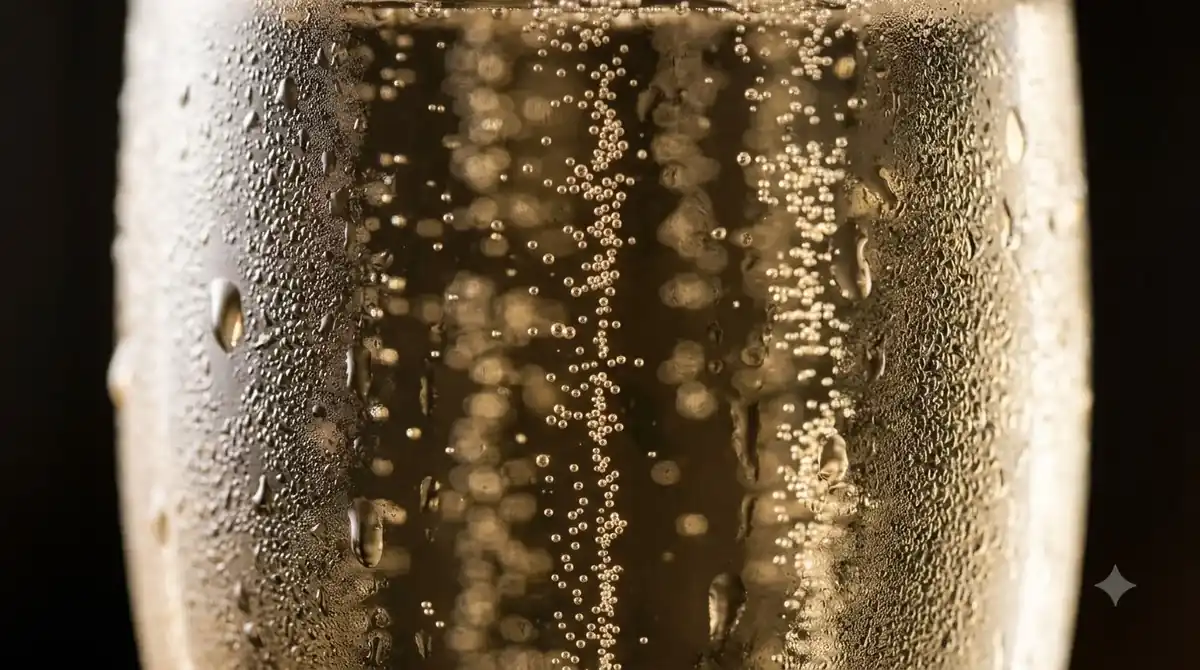
Asti wine is a sweet, aromatic sparkling wine from the Asti area of Piedmont in northwestern Italy, made from Moscato Bianco grapes. The name covers two closely related styles: Asti, which is fully sparkling, and Moscato d’Asti, which is gently fizzy and lower in alcohol. Both are sweet, floral, and easy to drink, with notes of peach, apricot, and orange blossom. They are usually served well chilled as a dessert or brunch wine rather than as an everyday table wine.
This guide explains what Asti wine is, how the two styles differ, how the wine is made, and how to serve and pair it. It also covers how to read a label so you know which bottle you are buying.
What Asti Wine Is
Asti wine comes from a defined area around the town of Asti in Piedmont, the same northwestern Italian region known for Barolo and Barbaresco. The wines are protected under the Asti DOCG designation, which was awarded in 1993 and sets rules for grape variety, yields, and production methods. Every wine sold under the name is made from Moscato Bianco, a white grape with a strong perfume that is recognizable even to people who do not usually taste wine.
Because the grape is so aromatic, the wine tastes like fresh fruit and flowers before it tastes like anything else. That is why Asti is often described as a crowd-pleaser, and why it has become one of the most widely sold sweet sparkling wines in the world.
Asti Versus Moscato d’Asti
The two wines share a grape and a region, but they are made in different styles. Knowing the difference helps you pick the right bottle for a particular occasion.
| Feature | Moscato d’Asti | Asti (Asti Spumante) |
|---|---|---|
| Bubbles | Gently fizzy (frizzante) | Fully sparkling (spumante) |
| Typical alcohol | About 5 to 5.5% ABV | Higher than Moscato d’Asti, varying by producer |
| Sweetness | Sweet, with residual sugar often between 100 and 140 g/L | Range from very dry (Brut Nature) to sweet |
| Typical character | Delicate, refined, food-friendly | Lively, celebratory, more pronounced bubbles |
| Best for | Desserts, brunch, a slow afternoon | Parties, toasts, a bright aperitivo |
Moscato d’Asti is generally the more delicate and sought-after style, while Asti is more exuberant. Both should be checked on the label, since the sweetness level is usually stated there.
How Asti Wine Is Made
Asti wines are made through a sparkling process that keeps the grape’s aromatic character intact. According to the official Asti DOCG consortium, the grape juice is chilled to near freezing until the second fermentation, which creates the bubbles. That fermentation happens either in large pressurized tanks, the Martinotti or Charmat method, or in the bottle in the classic method.
After fermentation is stopped by cooling, the yeast is removed and the wine is filtered before bottling. This stops the fermentation at the right point, leaving natural sweetness in the glass. The consortium lists a maximum yield of 10 tonnes per hectare, which limits how much fruit each vineyard can produce and helps keep the flavor concentrated.
Flavor Profile and Aromas
Expect a wine that smells of fresh grapes, peach, apricot, and white flowers such as acacia and orange blossom. The bubbles are fine and persistent in a well-made bottle, which adds lift without making the wine feel heavy. The sweetness is balanced by bright acidity, so the finish feels clean rather than syrupy.
Because the alcohol is low, Asti is one of the lighter sparkling wines to drink in the afternoon. A bottle of Moscato d’Asti can be shared among several people without feeling as strong as a standard sparkling wine.
How to Serve Asti Wine
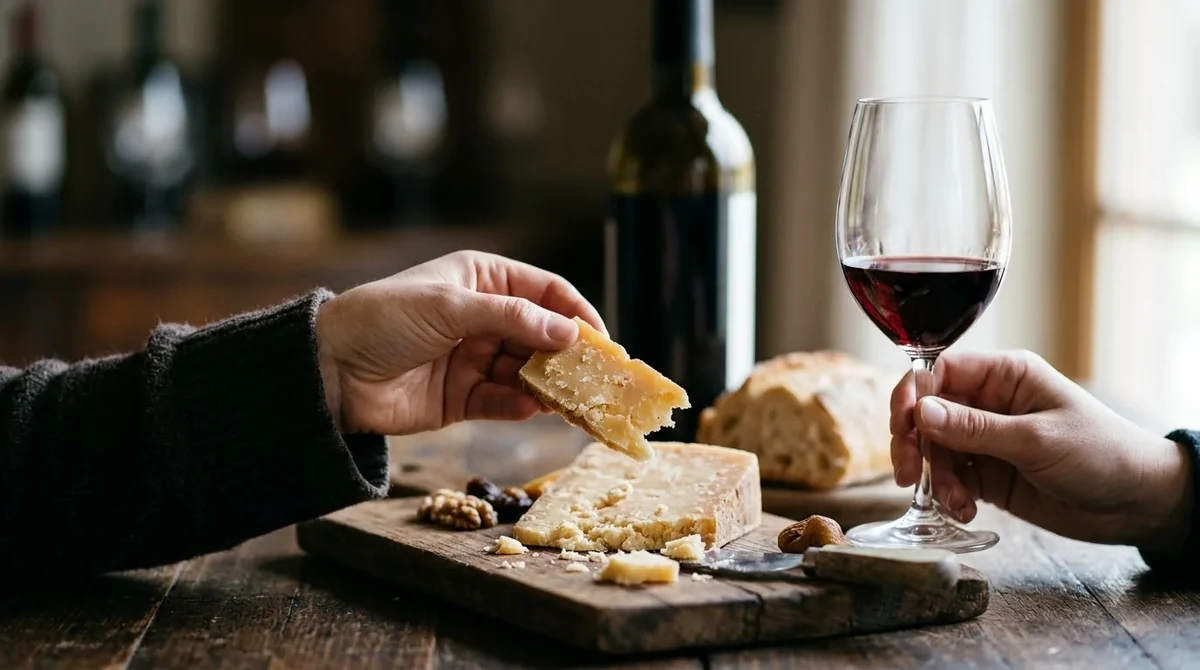
Serve Asti well chilled, at around 40 to 45 degrees Fahrenheit (4 to 7 degrees Celsius). At this temperature the aromas are fresh and the sweetness feels balanced. A wine served too warm will taste flat and sugary.
Use a tall, narrow flute or a white wine glass. The shape keeps the bubbles lively and concentrates the aroma. Open the bottle close to serving time, since the fizz fades once the bottle is opened, and it is best finished within a day.
Tip: Asti works well as a mixer for brunch drinks. Combine it with fresh fruit or a splash of juice, but keep the portions small so the wine stays the star.
Food Pairings for Asti
Sweet wines need food with enough richness or spice to stand up to them. Asti is a natural match for fruit tarts, almond cookies, and panettone, the Italian holiday bread. Moscato d’Asti also pairs well with soft, creamy cheeses such as gorgonzola dolce, where the sweetness contrasts with the salty, tangy cheese.
Some cooks reach for Asti with spicy Asian dishes, since the wine’s sweetness and low alcohol help cool the heat. Avoid pairing it with savory dishes that are heavy on salt or fat without a sweet element, because the wine can taste thin in that context.
How to Choose a Bottle
Start with the label. Look for the word Moscato d’Asti if you want the gentler, more refined style, or simply Asti if you want more sparkle. Check the alcohol percentage, which is usually printed on the label and is a good guide to the style. Producers from the Asti area are a reliable place to start, and the official Asti DOCG consortium site describes the wines recognized under the designation.
Bottles that carry the word Canelli come from a smaller, historic area within the Asti zone where Moscato has been grown for generations. Because the Canelli zone is small and its vineyards are often worked by hand on steep slopes, producers there tend to make limited quantities. They are a good way to taste what the region is best known for, and they show how much the hillside site shapes the finished wine.
Storage matters as much as the label. Keep unopened bottles in a cool, dark place and drink them within a year or two of release, since the fresh fruit character fades with age. Once a bottle is open, reseal it with a proper sparkling wine stopper and keep it cold, but expect the bubbles to soften quickly. Many people find that a half bottle is the right size for two people who want dessert with a glass of Asti.
If you are hosting, plan on about one bottle of Asti for every two or three guests when it is served as a dessert wine alongside sweets and fruit. For a toast before a meal, plan on a bottle for every two guests, since small pours are usually enough.
Frequently Asked Questions
Is Asti wine the same as Moscato d’Asti?
Not exactly. Both come from the Asti area of Piedmont and are made from Moscato Bianco, but Moscato d’Asti is gently fizzy and lower in alcohol, while Asti is fully sparkling and can be drier or sweeter depending on the bottle.
Is Asti wine sweet?
Most bottles are sweet, and Moscato d’Asti in particular has a clear sweetness balanced by bright acidity. Asti can range from very dry styles to sweet ones, so check the label for the sweetness level before you buy.
How long does an opened bottle of Asti last?
An opened bottle loses its fizz quickly. Keep it tightly sealed in the refrigerator and finish it within a day for the best flavor and texture.
What is a good first Asti wine to try?
A Moscato d’Asti is a gentle introduction. Its low alcohol and fresh fruit character make it easy to enjoy with dessert or on a relaxed afternoon, and it shows the grape at its most expressive.
Asti wine is one of the easiest sweet sparkling wines to enjoy once you know the difference between the two styles. Start with a chilled Moscato d’Asti for dessert, then try a sparkling Asti for a celebration. If you are building a broader sense of Italian wine, the guide to Italy wine covers the other regions and grapes you will see on shop shelves, and the Wine Regions section explains how place shapes flavor across the wine world.
More in Wine Regions
 Willcox Wine Trail: Discover Arizona’s High-Elevation Wine CountryUpdated Nov 20, 2026
 Yakima Valley Wine Region: Find the Best Styles to TryUpdated Nov 20, 2026
 Vosne Romanee Wine Tasting: Identify Aromas and Choose Better PairingsUpdated Nov 20, 2026
 Yakima Valley Wine Festival: Find the Best Seasonal Wine EventsUpdated Nov 20, 2026
 Wales Vineyards: Discover Cool-Climate Wines and Where to VisitUpdated Nov 20, 2026
 Yountville Wine Festival: Discover Napa Wines and Local FoodUpdated Nov 20, 2026