

We may earn a commission when you buy through links on this page, at no extra cost to you. Learn more.
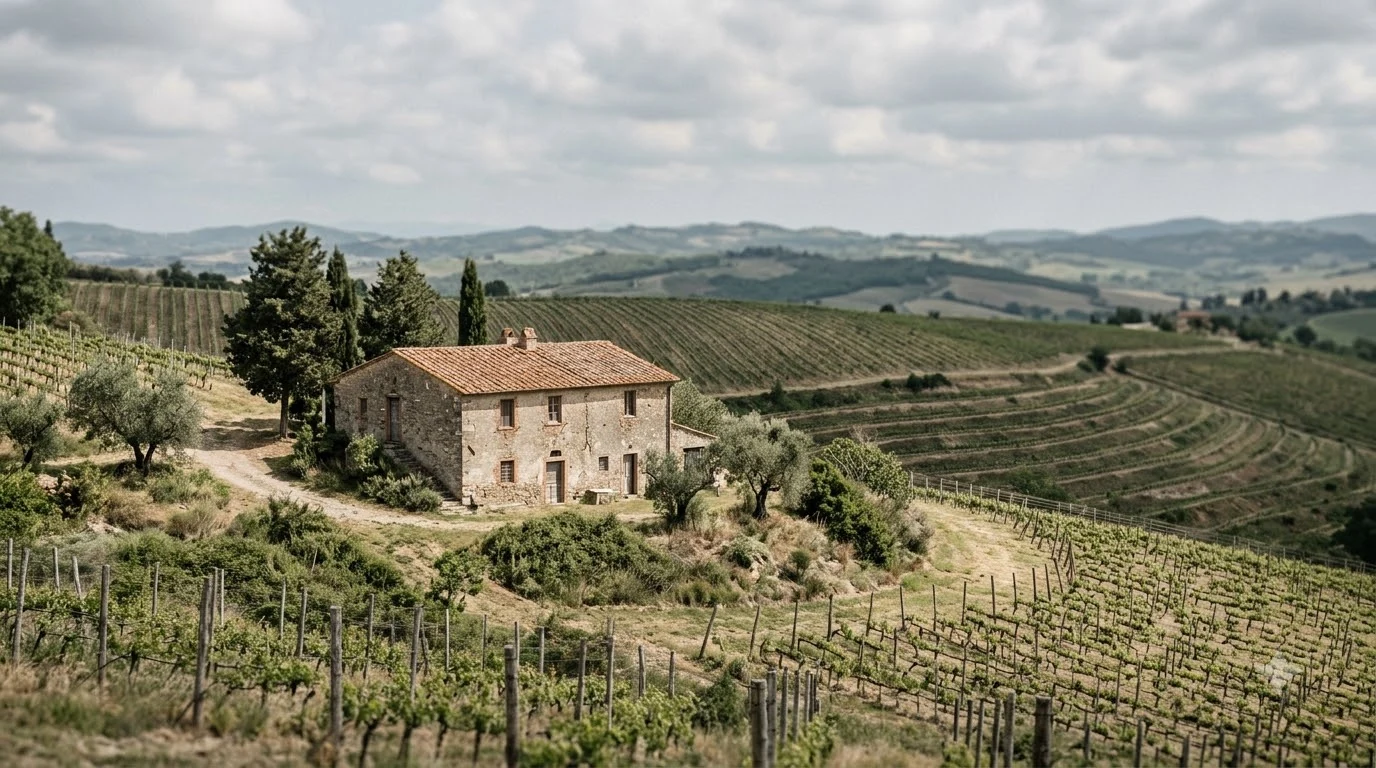
The bierzo wine region is a mountain-ringed Denominación de Origen (DO) in northwestern Spain’s Castilla y León province, celebrated for bright, aromatic red wines made from the native Mencía grape and crisp, mineral white wines crafted from Godello. Sitting in a microclimate where cool Atlantic moisture meets dry continental warmth, the appellation spans steeply sloped slate and granite hillsides alongside clay river valleys. Recognized as an official DO in 1989, Bierzo has transformed from a cooperative bulk-wine district into one of Spain’s premier sources of old-vine, site-specific bottles.
Tucked into the western edge of León just before the border with Galicia, this isolated basin feels worlds away from the sun-baked plains of central Spain. While famous Spanish appellations further east rely heavily on Tempranillo, winemakers here work with indigenous northwestern varieties that thrive on fragmented, high-elevation plots, yielding wines prized for floral lift, savory spice, and refreshing natural acidity.
Overview of the Bierzo Wine Region
Protected on all sides by mountain ranges—including the Sierra de los Ancares to the north and the Montes de León to the south—the bierzo wine region occupies a fertile river basin carved by the Sil River and its tributaries. This natural amphitheater creates what the local regulatory council classifies as a continentalized Atlantic climate, balancing generous sunshine with cool night temperatures and moderate rainfall.
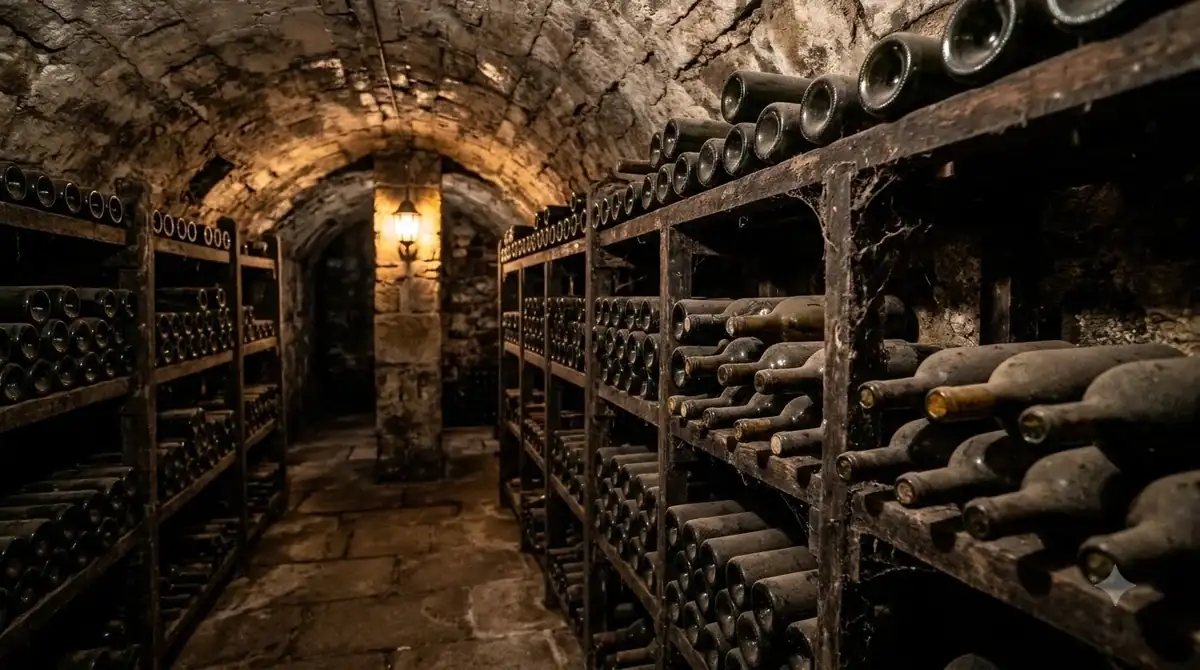
Winemaking in the area dates back to the Roman Empire, when legions established massive gold-mining operations at nearby Las Médulas and planted vines to supply local garrisons. Through the Middle Ages, Cistercian monks expanded vineyard plantings along the Camino de Santiago pilgrimage route, embedding viticulture into the cultural fabric of local villages.
After phylloxera devastated vineyards in the late nineteenth century, the region spent decades dominated by large local cooperatives producing light, everyday table wine. A modern renaissance began in the late 1990s when visionary winemakers recognized the potential of Bierzo’s surviving 50- to 100-year-old bush vines, leading to lower yields, gentler oak aging, and international acclaim among serious Wine Regions.
Sub-Regions and Terroir Classification
Geographically, the appellation divides into two distinct zones—mountainous Alto Bierzo and lower-lying Bajo Bierzo—while legally pioneering Spain’s first Burgundy-inspired hierarchy of village and single-vineyard classifications. Rather than relying solely on barrel-aging labels like Crianza or Reserva, producers can now bottle wines tied strictly to geographic origin and reduced crop yields.
Alto Bierzo encompasses rugged, high-altitude slopes reaching up to 1,000 meters above sea level, where steep gradients force growers to farm tiny, fragmented plots by hand. Here, acidic soils rich in decomposed slate (known locally as pizarra), quartzite, and granite restrict vine vigor, resulting in small berries with concentrated flavor and vibrant tension. By contrast, Bajo Bierzo occupies a wider, flatter depression along the Sil River floor, featuring deeper alluvial clay and stony loam soils that produce rounder, softer-textured wines.
In 2019, the Consejo Regulador ratified a four-tier territorial pyramid that requires 100 percent of the grapes to come from the stated origin, exceeding standard European Union traceability minimums. Understanding these label terms helps shoppers pinpoint the exact style and concentration inside the bottle:
| Classification Tier | Geographic Origin Requirement | Maximum Yield Reduction | Typical Wine Profile |
|---|---|---|---|
| Vino de la D.O. Bierzo | Anywhere within the registered Bierzo DO | Standard regional baseline | Fresh, fruit-forward, and approachable for early drinking |
| Vino de Villa | 100% from a single named municipality (such as Corullón or Valtuille) | At least 20% below regional max | Reflects distinct village soil and elevation nuances |
| Vino de Paraje | 100% from a single named vineyard site or estate parcel | At least 25% below regional max | Greater concentration, mineral grip, and cellaring potential |
| Viña Clasificada / Gran Viña Clasificada | Single classified vineyard (Gran requires 5+ years at Viña tier) | 30% to 35% below regional max | Flagship old-vine bottlings with profound depth and longevity |
Key winegrowing municipalities to look for on Vino de Villa labels include Corullón, Villafranca del Bierzo, Valtuille de Abajo, Cacabelos, and Ponferrada. While Corullón is famed for steep, high-elevation slate slopes that yield perfumed, structured reds, Valtuille de Abajo sits on sandy clay and rolling hills that lend plush red fruit and silky tannins.
Key Grapes and Wine Styles
Mencía dominates roughly 75 percent of Bierzo’s vineyard acreage, supported by a tight roster of authorized native red and white varieties led by Godello. Under DO regulations, growers may also cultivate red Garnacha Tintorera, Merenzao, and Estaladiña alongside white Doña Blanca, Palomino, and Malvasía.
As detailed in Wine Folly’s guide to Mencía, Bierzo’s flagship red grape delivers an enticing combination of bright red berries—raspberry, tart cherry, and pomegranate—layered with crushed violets, white pepper, dried herbs, and a signature stony minerality. Though once thought to be related to Cabernet Franc due to its savory, slightly leafy aromatic profile, DNA profiling established that Mencía is native to the western Iberian Peninsula. Depending on vineyard elevation and winemaking choices, it ranges from unoaked, juicy joven bottlings meant for casual sipping to structured, old-vine releases aged in neutral French oak that rival fine Pinot Noir or Northern Rhône Syrah in complexity.
On the white side, Godello accounts for nearly 17 percent of plantings and has emerged as one of Spain’s most compelling white grapes. Bierzo Godello typically offers orchard fruit flavors of green apple and Bartlett pear backed by citrus zest, white blossoms, and a textured, lees-aged palate that carries brisk acidity. Winemakers also blend small amounts of Doña Blanca for floral lift, while rare heritage red grapes like Merenzao (known elsewhere as Trousseau) and Estaladiña are increasingly bottled on their own for light-bodied, aromatic expressions.
Compared to richer, sun-drenched Spanish appellations like the jumilla wine region in the south, Bierzo wines feel noticeably lighter on their feet, trading jammy power for aromatic precision and mouthwatering freshness.
Notable Producers to Know
Bierzo’s modern reputation rests on a blend of pioneering family estates, visionary local winemakers, and dynamic newcomers championing old-vine preservation. According to regional trade profiles and wine critics, several standout producers define the appellation’s quality benchmark today:
- Descendientes de J. Palacios: Founded in 1999 by Rioja native Álvaro Palacios and his nephew Ricardo Pérez Palacios in Corullón, this biodynamic estate sparked Bierzo’s modern renaissance with single-parcel bottlings like La Faraona and village wines that showcase steep slate terroir.
- Raúl Pérez Bodegas y Viñedos: Born into a winemaking family in Valtuille de Abajo, Raúl Pérez is widely regarded as one of Spain’s most influential winemakers, crafting acclaimed wines under his Ultreia label while consulting for several local estates.
- Castro Ventosa: The Pérez family’s historic home estate, tracing its vine-growing roots in Valtuille back to 1752, produces benchmark old-vine Mencía including El Castro de Valtuille and Cepas Centenarias.
- Bodegas Mengoba: Led by Bordeaux-born vigneron Grégory Pérez, Mengoba farms steep, high-altitude slate and clay slopes above 600 meters in Espanillo, turning out expressive Mencía, Godello, and rare Estaladiña bottlings.
- Dominio de Tares and Bodegas Godelia: Established in 2000 and 2009 respectively, both wineries helped raise regional standards through old-vine Cepas Viejas Mencía and refined, mineral-driven Godello.
Alongside these established names, younger vignerons like César Márquez (Raúl Pérez’s nephew) and Nacho Álvarez of Pago de los Abuelos are recovering forgotten century-old plots in outlying villages, ensuring Bierzo’s genetic heritage of gnarled bush vines remains intact.
Visiting Tips for Wine Travelers
Located roughly four hours northwest of Madrid along the A-6 highway, Bierzo rewards travelers who combine cellar tastings with scenic drives through medieval villages and historic pilgrimage landmarks. The region sits directly along the French Way of the Camino de Santiago, bringing steady international foot traffic to historic wine towns like Villafranca del Bierzo, Cacabelos, and Molinaseca.
Because many of Bierzo’s top producers are small, family-run operations where the winemaker also works the vineyards, advance appointments are essential for winery visits. Travelers can coordinate itineraries through the official Consejo Regulador de la Denominación de Origen Bierzo or the local Ruta del Vino del Bierzo network, which links tasting rooms with rural hotels and traditional restaurants.
Between tastings, plan time to hike the dramatic red-earth cliffs of Las Médulas, a UNESCO World Heritage Site sculpted by Roman hydraulic gold mining, or explore the twelfth-century Templar Castle in Ponferrada. For lunch, pair a glass of old-vine Mencía with botillo del Bierzo—the region’s signature smoked pork sausage slow-cooked with cabbage and potatoes—or roasted chestnuts during autumn magosto festivals.
How to Buy and Serve Bierzo Wines
When shopping for Bierzo bottles in the United States, pay close attention to vine age, village names, and oak treatment on the label to match the wine to your occasion. Entry-level joven or regional DO Mencía bottles offer vibrant, berry-driven refreshment for weeknight meals, whereas bottles labeled Cepas Viejas (old vines), Vino de Villa, or Vino de Paraje deliver deeper spice, firmer tannins, and age-worthy complexity.
Tip: Serve young, unoaked Mencía slightly chilled at 55 to 60°F to highlight its bright raspberry fruit and floral aromatics, while giving old-vine single-parcel bottlings 30 to 45 minutes in a decanter at 60 to 65°F.
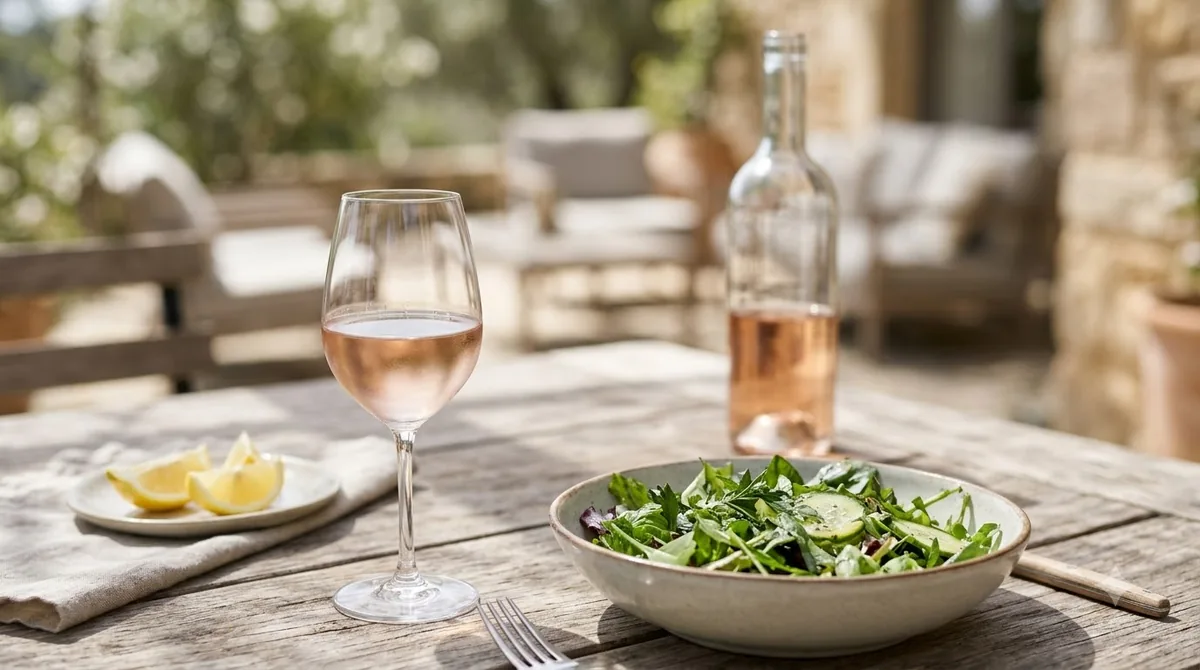
At the dinner table, Mencía’s moderate tannins and brisk acidity make it remarkably versatile—bridging the gap between delicate reds from the marche wine region and structured classics from the margaux wine region. Try it alongside herb-roasted pork tenderloin, grilled lamb chops, mushroom risotto, or charcuterie boards. Meanwhile, serve Bierzo Godello well-chilled around 45 to 50°F with pan-seared scallops, roast chicken, or creamy sheep’s-milk cheeses.
Frequently Asked Questions
What does Bierzo wine taste like?
Red Bierzo wines made from Mencía typically feature vibrant flavors of tart red cherry, wild raspberry, and pomegranate layered with notes of crushed violets, black pepper, and earthy minerality. White Bierzo wines made from Godello offer crisp green apple, pear, and citrus notes balanced by a textured, mineral-driven finish.
Is Bierzo wine similar to Rioja or Ribera del Duero?
No, Bierzo produces a noticeably lighter, fresher, and more aromatic style of red wine than Rioja or Ribera del Duero. Because Bierzo sits in a cooler, Atlantic-influenced mountain basin and relies on Mencía rather than Tempranillo, its wines emphasize floral lift and natural acidity over heavy oak spice and dark fruit power.
Can Bierzo Mencía age in the cellar?
Yes, while unoaked young Mencía is best enjoyed within two to four years of vintage for its fresh fruit, old-vine Vino de Villa and Vino de Paraje bottlings regularly age gracefully for eight to fifteen years. Over time, their bright berry notes evolve into savory aromas of leather, dried herbs, forest floor, and truffles.
What is the difference between Vino de Villa and Vino de Paraje in Bierzo?
Vino de Villa means 100 percent of the grapes were harvested within a single named municipality, with yields capped at least 20 percent below the regional limit. Vino de Paraje narrows that origin down to a single named vineyard site or estate parcel and enforces an even stricter 25 percent yield reduction for greater terroir precision.
Whether you are exploring crisp, mineral-driven Godello or discovering the perfumed elegance of century-old Mencía vines, Bierzo offers an unforgettable window into northwestern Spain’s mountain winemaking. Start with a village-designated bottle from Corullón or Valtuille de Abajo to experience firsthand why this once-overlooked valley has captured the attention of sommeliers worldwide.
More in Wine Regions
 Willcox Wine Trail: Discover Arizona’s High-Elevation Wine CountryUpdated Nov 20, 2026
 Yakima Valley Wine Region: Find the Best Styles to TryUpdated Nov 20, 2026
 Vosne Romanee Wine Tasting: Identify Aromas and Choose Better PairingsUpdated Nov 20, 2026
 Yakima Valley Wine Festival: Find the Best Seasonal Wine EventsUpdated Nov 20, 2026
 Wales Vineyards: Discover Cool-Climate Wines and Where to VisitUpdated Nov 20, 2026
 Yountville Wine Festival: Discover Napa Wines and Local FoodUpdated Nov 20, 2026