

We may earn a commission when you buy through links on this page, at no extra cost to you. Learn more.
The marche wine region is a central Italian coastal wine area bordered by the Apennine Mountains to the west and the Adriatic Sea to the east, best known for crisp, age-worthy Verdicchio white wines and savory Montepulciano-based reds. Located directly east of Tuscany and Umbria, it encompasses five DOCG appellations and fifteen DOC zones spread across rolling mid-slope hills and river valleys. While its white wines pair naturally with Adriatic seafood, its coastal and inland red appellations offer structured, medium-to-full-bodied alternatives to neighboring Tuscan bottles.
For decades, wines from Marche (often called Le Marche in Italian) remained quietly on local trattoria tables while international buyers focused on Tuscany and Piedmont. Today, dedicated family estates and biodynamic pioneers have turned this stretch of eastern Italy into one of the most compelling destinations among European Wine Regions for curious drinkers seeking character, native grapes, and cellar-worthy whites.
Overview
Geography defines nearly every bottle produced in the marche wine region, where short river valleys run west to east from the Apennine foothills down to the Adriatic coastline. This topography creates a mosaic of exposures, elevations, and microclimates where cooling sea breezes collide with mountain air.
Because vineyards sit predominantly along hilly mid-slope zones rather than flat valley floors, constant air circulation keeps the vines healthy and slows ripening. Along the coast around Ancona and the limestone bluffs of Monte Conero, the climate is distinctly Adriatic-maritime, moderating summer heat and lending a subtle sea-salt freshness to both white and red wines.
Further inland toward the Apennine ridge, conditions shift to a cooler, more continental climate marked by sharp day-to-night temperature swings. Warm afternoons build aromatic ripeness in the grapes, while cold mountain nights lock in natural acidity. That tension between ripe fruit and brisk acidity explains why Marche produces white wines capable of aging gracefully for a decade or more alongside balanced, food-friendly reds.
Sub-regions
Marche organizes its diverse terrain into five top-tier DOCG designations and fifteen DOC appellations, stretching from the northern border near Emilia-Romagna down to Abruzzo in the south. Each zone reflects its distance from the Adriatic Sea and its underlying soil composition, which shifts from coastal limestone and clay to stonier, chalky inland slopes.
In the central hills west of Ancona lies Verdicchio dei Castelli di Jesi, the region’s largest and best-known white wine appellation, where maritime influence shapes floral, citrus-driven wines. Just inland, situated in a north-south mountain valley, Verdicchio di Matelica occupies a smaller, higher-altitude zone that yields tauter, more mineral-driven bottlings with notable longevity. Both zones hold separate Riserva DOCG titles for their longest-aged, most structured releases.
South of Ancona, the dramatic headland of Monte Conero anchors Conero DOCG and Rosso Conero DOC, where limestone cliffs overlooking the sea produce deeply colored, structured red wines. Further south in the province of Ascoli Piceno, Offida DOCG and Rosso Piceno DOC highlight warm-climate reds alongside distinctive southern white grapes. Meanwhile, the tiny central mountain zone of Vernaccia di Serrapetrona DOCG produces a rare, triple-fermented sparkling red wine.
| Appellation | Status | Primary Grape(s) | Signature Wine Style |
|---|---|---|---|
| Castelli di Jesi Verdicchio Riserva | DOCG | Verdicchio (minimum 85%) | Structured, age-worthy dry white with orchard fruit and bitter almond |
| Verdicchio di Matelica Riserva | DOCG | Verdicchio (minimum 85%) | High-altitude, mineral-driven, full-bodied dry white |
| Conero | DOCG | Montepulciano (minimum 85%, up to 15% Sangiovese) | Rich, savory, oak-aged dry red with firm tannins |
| Offida | DOCG | Pecorino, Passerina, Montepulciano | Crisp mineral whites and barrel-aged southern reds |
| Vernaccia di Serrapetrona | DOCG | Vernaccia Nera | Triple-fermented dry or sweet sparkling red |
| Rosso Piceno | DOC | Montepulciano and Sangiovese | Supple, medium-bodied everyday red with bright red fruit |
| Lacrima di Morro d’Alba | DOC | Lacrima | Intensely aromatic red with rose petal and dark berry notes |
Key grapes and styles
Indigenous varieties carry the identity of marche wine, led overwhelmingly by Verdicchio on the white side and Montepulciano and Sangiovese on the red. Rather than relying on international grapes, local winemakers lean into native cultivars that thrive in limestone, clay, and sandstone hills.
Verdicchio—whose name nods to the greenish-gold tint of its berries—is one of Italy’s most versatile white grapes. Young stainless-steel bottlings show crisp green apple, white peach, lemon peel, and a signature savory finish reminiscent of bitter almond and crushed stone. Aged Riserva expressions spend at least 18 months maturing before release, developing honeyed, nutty complexity while retaining vibrant acidity. In the southern hills around Offida, two other native white grapes shine: Pecorino, which offers textured citrus and herbal depth, and Passerina, prized for snappy, high-acid freshness.
On the red side, Montepulciano takes center stage, especially along the limestone cliffs of Monte Conero, where it delivers dark plum, blackberry, Mediterranean herbs, and firm tannins. Further south in Rosso Piceno, Montepulciano is blended with Sangiovese to create supple, approachable reds suited to roasted meats and pasta. For something distinctly aromatic, Lacrima di Morro d’Alba produces ruby-purple reds bursting with rose petals, violets, and wild berries.
Tip: Do not confuse Marche’s Montepulciano grape with Tuscany’s Vino Nobile di Montepulciano—the Tuscan town makes wine from Sangiovese, whereas Marche bottles actual Montepulciano grapes.
Notable producers
Starting in the 1980s and 1990s, a wave of quality-focused estates lowered vineyard yields and modernized cellar practices to prove Verdicchio and Montepulciano could rival Italy’s finest wines. Many of these benchmark wineries remain family-owned and continue to define the region’s reputation today.
In Castelli di Jesi, Villa Bucci stands as a benchmark for age-worthy white wine, crafting its acclaimed Verdicchio Riserva from low-yielding vineyards and aging it in large Slavonian oak casks. Nearby, Umani Ronchi produces widely respected expressions across both Jesi and Conero, while Sartarelli focuses exclusively on Verdicchio across five distinct styles. Reviewers at Decanter also highlight biodynamic estates like Pievalta and La Staffa for showcasing how Jesi’s clay, limestone, and sandstone soils translate into mineral precision.
In the inland Matelica valley, Bisci and Collestefano lead the charge with taut, high-altitude Verdicchio bottlings that reward several years in the cellar. Down in the southern hills around Offida, certified organic producer Ciù Ciù crafts vegan-friendly expressions of Pecorino, Passerina, and Montepulciano, while Velenosi has earned broad recognition for both its Offida DOCG whites and structured red blends.
Visiting tips
Exploring the marche wine region rewards travelers who enjoy quiet medieval hill towns, uncrowded coastal roads, and direct conversations with winemakers. Unlike heavily commercialized wine routes in northern and central Italy, most cellars here operate as working family farms rather than drop-in tasting rooms.
Planning ahead is essential because many estates—including Villa Bucci, Pievalta, Marotti Campi, and Ciù Ciù—require advance appointments by email or phone before welcoming visitors. Base yourself in walled towns like Jesi, Cupramontana, or Staffolo to explore the central white wine hills, or stay near Sirolo in the Conero Natural Park to combine vineyard visits with Adriatic beaches and coastal hiking.
Pair winery appointments with regional culinary stops to experience how local dishes shape the wines. Along the coast around Ancona, crisp Verdicchio is the classic match for brodetto all’Anconetana, a traditional Adriatic fish stew. Inland toward Acqualagna and Matelica, aged Verdicchio Riserva pairs effortlessly with handmade tagliatelle topped with local truffles, much like how structured reds from Spain’s bierzo wine region or jumilla wine region anchor hearty regional tables.
How to buy
Shopping for bottles from Marche becomes much easier once you know how to read two key clues on the front label: aging tier and sub-zone. Whether you are browsing a local wine shop or ordering online, matching the label designation to your meal prevents surprises at the table.
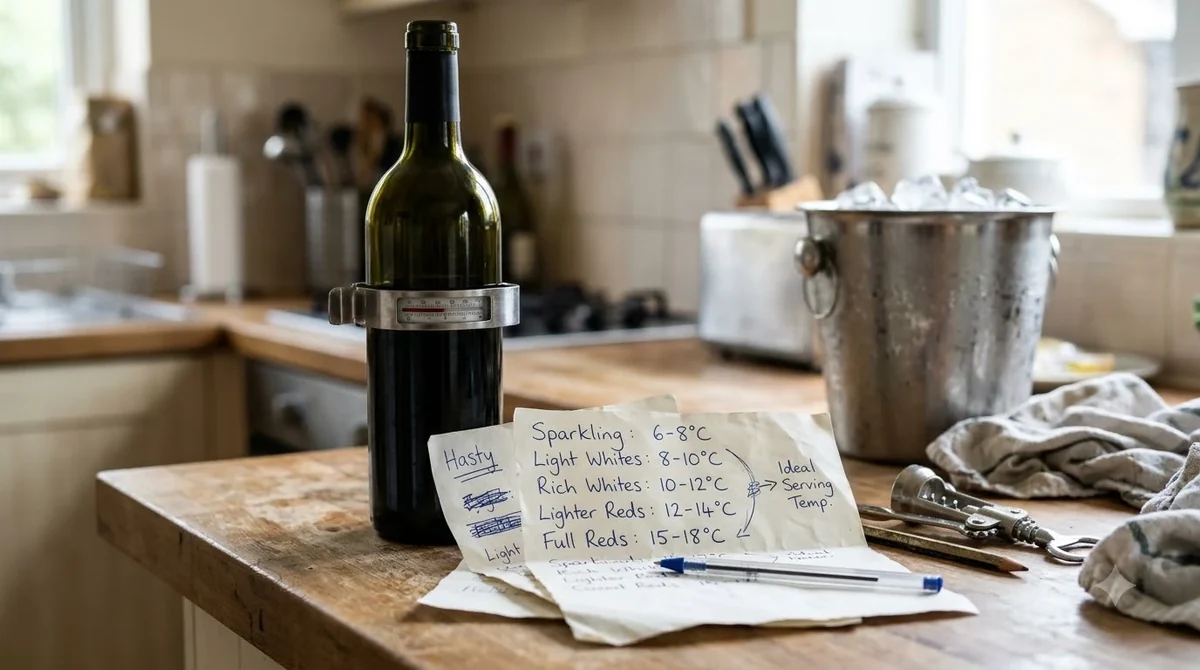
For weeknight seafood, salads, or light antipasti, look for standard Verdicchio dei Castelli di Jesi DOC, Offida Pecorino DOCG, or Offida Passerina DOCG from a recent vintage. These bottles are typically fermented in stainless steel or concrete, hover around 12 percent to 13 percent ABV, and taste best served well chilled between 46 and 50 degrees Fahrenheit.
If you want a richer white wine for roasted poultry, creamy pasta, or truffle dishes, step up to a Classico Superiore or Riserva DOCG from Castelli di Jesi or Matelica. Serve these barrel- or lees-aged whites slightly warmer, around 54 to 57 degrees Fahrenheit, so their nutty, herbal, and orchard-fruit layers open up. For reds, choose Rosso Piceno DOC for softer, everyday drinking, or pick Conero DOCG and Offida Rosso DOCG—which generally sit around 13 percent to 14 percent ABV and require two years of aging before release—served at 61 to 64 degrees Fahrenheit alongside grilled meats or ragù. As writers at Wine Enthusiast point out, Marche remains one of Italy’s most dependable regions for quality-driven bottles without inflated prestige markups.
Frequently Asked Questions
What wine is the Marche region in Italy best known for?
Marche is best known for dry white wines made from Verdicchio, particularly from the Castelli di Jesi and Matelica appellations. On the red side, the region is prized for bold, savory Montepulciano-based wines such as Conero DOCG and Rosso Piceno DOC, alongside aromatic Lacrima di Morro d’Alba.
Is Verdicchio a sweet or dry wine?
Nearly all Verdicchio exported from Marche is completely dry, crisp, and medium-to-full-bodied. While local producers do make small amounts of sparkling spumante and sweet passito dessert wines under the DOC rules, standard Castelli di Jesi and Matelica bottles are dry whites with bright acidity and a subtle bitter-almond finish.
How long can Verdicchio from Marche age?
Entry-level Verdicchio is designed to be enjoyed fresh within two to four years of the vintage date for its zesty citrus and green apple character. However, top Classico Superiore and Riserva DOCG bottlings from producers in Jesi and Matelica possess high natural acidity that allows them to age and evolve for ten years or longer.
Where is the Marche wine region located?
Marche sits in central Italy along the eastern Adriatic coast, tucked between the Apennine Mountains and the sea. It borders Emilia-Romagna to the north, Tuscany and Umbria to the west, and Abruzzo to the south, with the port city of Ancona serving as its regional capital.
Whether you start with a crisp bottle of Verdicchio dei Castelli di Jesi or a savory glass of Conero Riserva, exploring Marche offers a rewarding look at central Italy’s native grapes. Keep an eye out for its five DOCG designations next time you browse an Italian wine shelf, and you will find versatile bottles built for the dinner table.
More in Wine Regions
 Willcox Wine Trail: Discover Arizona’s High-Elevation Wine CountryUpdated Nov 20, 2026
 Yakima Valley Wine Region: Find the Best Styles to TryUpdated Nov 20, 2026
 Vosne Romanee Wine Tasting: Identify Aromas and Choose Better PairingsUpdated Nov 20, 2026
 Yakima Valley Wine Festival: Find the Best Seasonal Wine EventsUpdated Nov 20, 2026
 Wales Vineyards: Discover Cool-Climate Wines and Where to VisitUpdated Nov 20, 2026
 Yountville Wine Festival: Discover Napa Wines and Local FoodUpdated Nov 20, 2026