

We may earn a commission when you buy through links on this page, at no extra cost to you. Learn more.
Marche wine comes from the central-eastern Italian region of Le Marche, where coastal Adriatic breezes and steep Apennine foothills produce crisp, age-worthy white wines from Verdicchio and structured, savory reds from Montepulciano and Sangiovese. Situated east of Tuscany and Umbria, this coastal strip pairs maritime salinity with brisk mountain acidity across 15 DOC and 5 DOCG appellations. Whether you are pouring a mineral-driven Verdicchio dei Castelli di Jesi or a dark-fruited Rosso Conero, the region delivers classic central Italian character without the steep markup of its western neighbors.
Pronounced mar-kay, Le Marche stretches between the Apennine mountains and roughly 180 kilometers of Adriatic shoreline. While travelers often pass through on their way to better-known Wine Regions across Italy, sommeliers and serious collectors quietly prize its hillside vineyards for high-acid whites and food-friendly reds that shine at the dinner table.
Overview of the Marche Wine Region
The marche wine region covers over 41,000 acres of vines planted along river valleys that run west to east from the Apennines down to the sea. That geography creates a dramatic tug-of-war between mild maritime air along the coast and sharp day-to-night temperature swings in the inland hills.
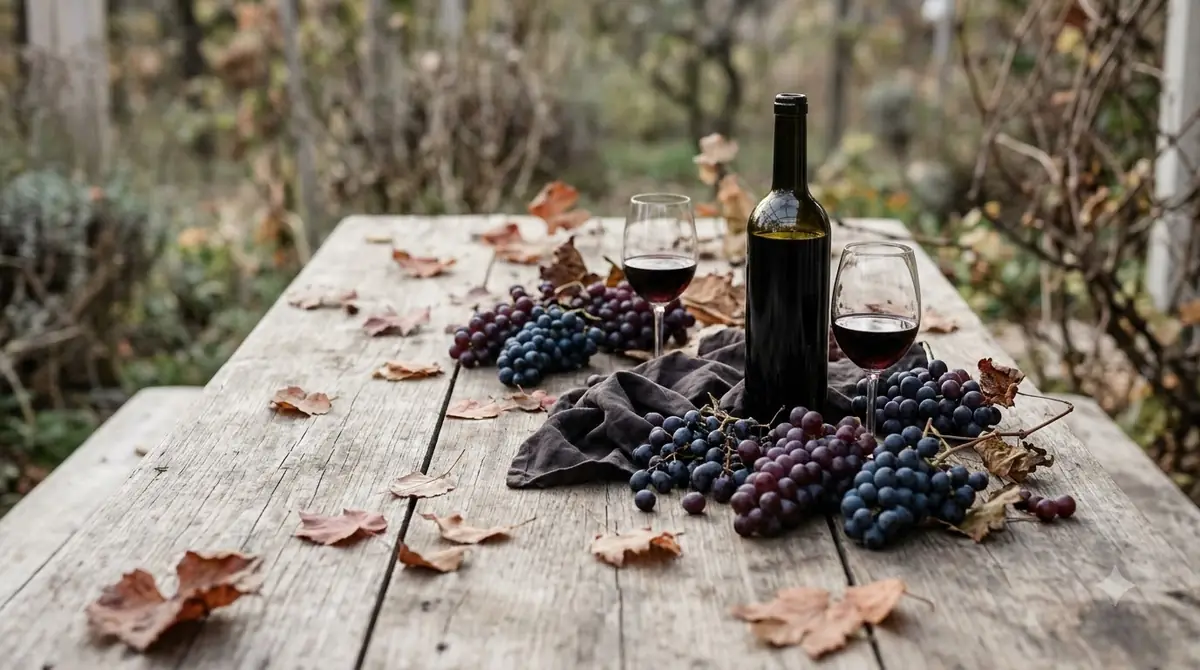
Unlike the rolling, contiguous hills of neighboring Tuscany, Marche is carved into parallel valleys separated by steep ridges. Vineyards sit mostly on mid-slope hillsides composed of limestone, clay, sandstone, and ancient marine sediments. Those chalky, mineral-rich subsoils give the wines a firm structural backbone and natural acidity that keep both whites and reds lively on the palate.
Winemaking history here stretches back before the Roman Empire, yet modern quality surged during the 1980s and 1990s. Local growers slashed vineyard yields, invested in temperature-controlled fermentation, and shifted away from mass-market amphora bottles toward single-vineyard and Riserva bottlings. As noted in VinePair’s guide to the wines of Le Marche, the region also holds an unexpected link to American wine history as the birthplace of Cesare Mondavi before his family settled in California.
Sub-Regions and Top Appellations
Marche organizes its wine production around 15 DOC and 5 DOCG denominations, with the most celebrated zones clustered around Ancona’s coastline, the inland Esino valley, and the southern hills near Ascoli Piceno. Each zone reflects its distance from the Adriatic Sea and its elevation above the valley floor.
For white wine lovers, two appellations stand at the top of the hierarchy. Verdicchio dei Castelli di Jesi is the larger, broader zone west of Ancona, where rolling hills open toward the Adriatic. Its clay and skeletal soils yield generous, citrus-driven wines with subtle sea-spray salinity. Further inland, Verdicchio di Matelica sits in a narrow, north-south valley walled off from marine breezes by mountain ridges. The cooler continental climate and stony, chalky soils there produce tauter, higher-acid whites with pronounced minerality. Both zones carry Riserva DOCG status for aged top bottlings.
Red wine production centers on two distinct coastal and southern territories. Just south of Ancona, limestone slopes around Monte Conero form the home of Rosso Conero DOC and Conero DOCG, where vineyards sit in a natural amphitheater above the water. Further south, spanning from the Metauro River toward the Tronto River, Rosso Piceno DOC covers Marche’s largest red appellation, with its finest hill vineyards concentrated around Ascoli Piceno under the Superiore designation.
| Appellation | Primary Grape(s) | Typical Style | Aging Potential |
|---|---|---|---|
| Verdicchio dei Castelli di Jesi DOC / Riserva DOCG | Verdicchio (minimum 85%, often 100%) | Crisp, medium-bodied white with lemon, green apple, and bitter almond | 2 to 3 years (standard); 5 to 10+ years (Riserva) |
| Verdicchio di Matelica DOC / Riserva DOCG | Verdicchio (minimum 85%, often 100%) | Taut, high-acid, mineral-driven white with white peach and chalk | 3 to 5 years (standard); 10 to 15 years (Riserva) |
| Rosso Conero DOC / Conero DOCG | Montepulciano (minimum 85%, up to 15% Sangiovese) | Full-bodied, structured red with black cherry, wild herbs, and firm tannins | 3 to 8 years (DOC); 10+ years (Conero DOCG) |
| Rosso Piceno DOC / Superiore | Montepulciano (35–70%) and Sangiovese (30–50%) | Medium- to full-bodied red with ripe plum, cherry, violets, and supple tannins | 1 to 5 years (DOC); 5 to 10 years (Superiore) |
| Lacrima di Morro d’Alba DOC | Lacrima (minimum 85%) | Aromatic, medium-bodied red bursting with rose petal, violet, and blackberry | 1 to 3 years |
Key Grapes and Wine Styles
Native Italian varieties dominate Marche’s vineyards, led by Verdicchio on the white side and a partnership of Montepulciano and Sangiovese on the red side. International grapes play only a minor supporting role in IGT blends.
Verdicchio takes its name from verde, a nod to the greenish-gold tint visible in its skins and young juice. On the palate, it combines brisk acidity, medium body, and an unmistakable bitter-almond finish. Entry-level bottles fermented in stainless steel taste crisp and zesty with green apple, lemon peel, and fresh herbs, typically sitting between 12 and 13.5 percent ABV. When matured on fine lees or aged in oak as a Classico Superiore or Riserva, Verdicchio develops creamy texture alongside honey, toasted almond, and savory mineral depth. Producers also craft traditional-method sparkling Verdicchio and sweet passito wines.
Among red grapes, Montepulciano thrives along the coastal slopes of Monte Conero, which marks the northernmost zone where the late-ripening variety reaches full maturity. Conero bottlings display deep ruby color, dark cherry and blackberry fruit, Mediterranean scrub herbs, and fine, chalky tannins. In Rosso Piceno, winemakers blend Montepulciano with Sangiovese, softening the structure and lifting the aromatics with bright red cherry, dried herbs, and lively acidity.
Adventurous drinkers should also look for Marche’s smaller indigenous specialties. Pecorino and Passerina yield dry, citrus-bright whites in the south, while northern Bianchello del Metauro offers a light, crisp coastal pour. For red oddities, Lacrima di Morro d’Alba delivers an intensely floral bouquet of violets and roses over soft tannins, and Vernaccia di Serrapetrona DOCG stands as a rare sparkling red made from partially dried grapes.
Notable Producers to Know
Several family estates and quality-minded cooperatives have driven Marche’s modern reputation, proving that local grapes can rival Italy’s most collectible bottles.
In the Verdicchio zones, Villa Bucci set the benchmark for oak-aged white wine with its long-lived Castelli di Jesi Riserva, while Umani Ronchi helped modernize both Verdicchio and Rosso Conero with bottlings like Plenio, Vecchie Vigne, and Cumaro. Garofoli, one of the region’s oldest family wineries, produces acclaimed expressions across both Castelli di Jesi and Conero, including its Grosso Agontano Riserva.
Smaller terroir-focused estates have earned equal praise from critics. Reviewers in Decanter’s tasting of top Verdicchio wines from Marche highlight single-vineyard and cellar-worthy releases from Sartarelli, Andrea Felici, La Staffa, Colonnara, Bisci, and Collestefano. On the limestone slopes of Monte Conero, Fattoria Le Terrazze and Moroder stand alongside Umani Ronchi and Garofoli as defining names for structured Montepulciano.
Serving Temperature and Food Pairing
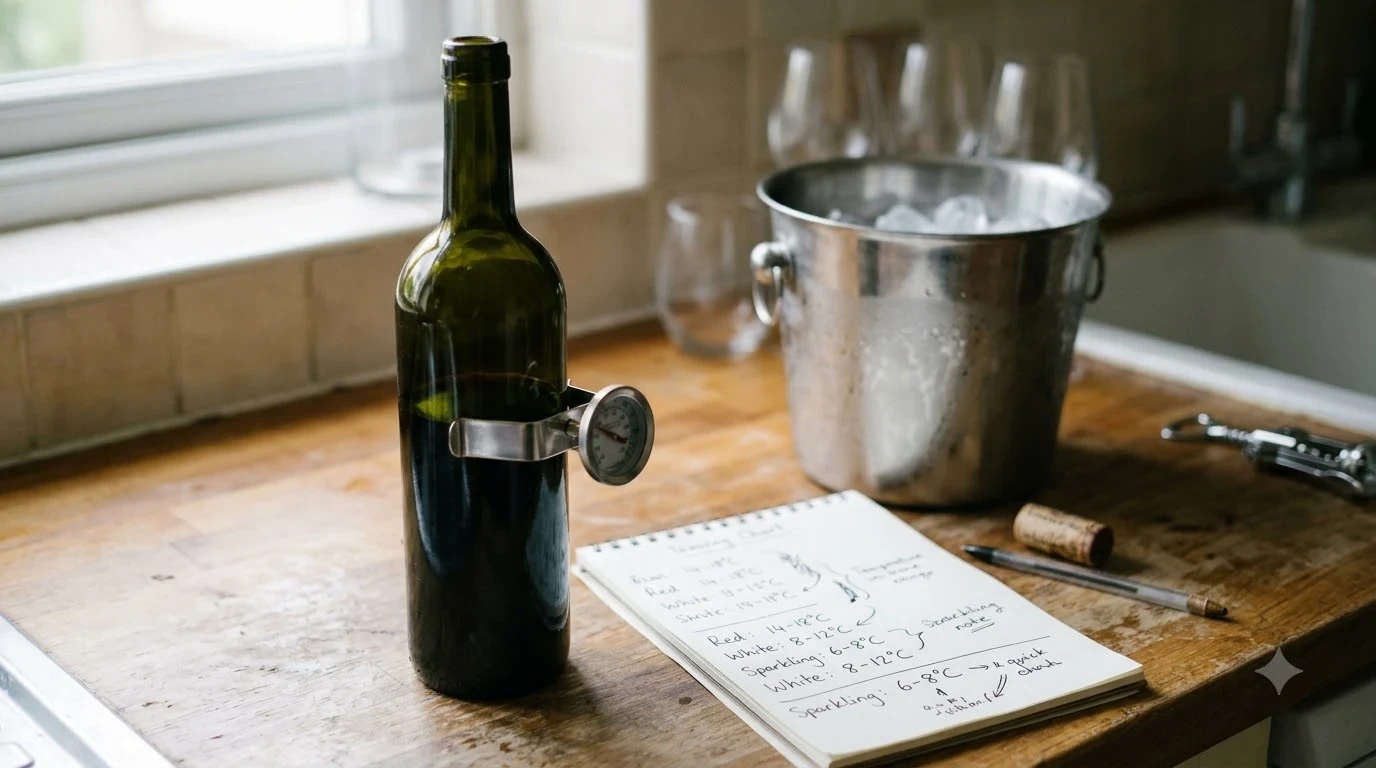
Because Marche wines rely on crisp natural acidity and savory minerality rather than heavy oak or high sugar, serving them at the proper temperature keeps their aromas sharp and balanced.
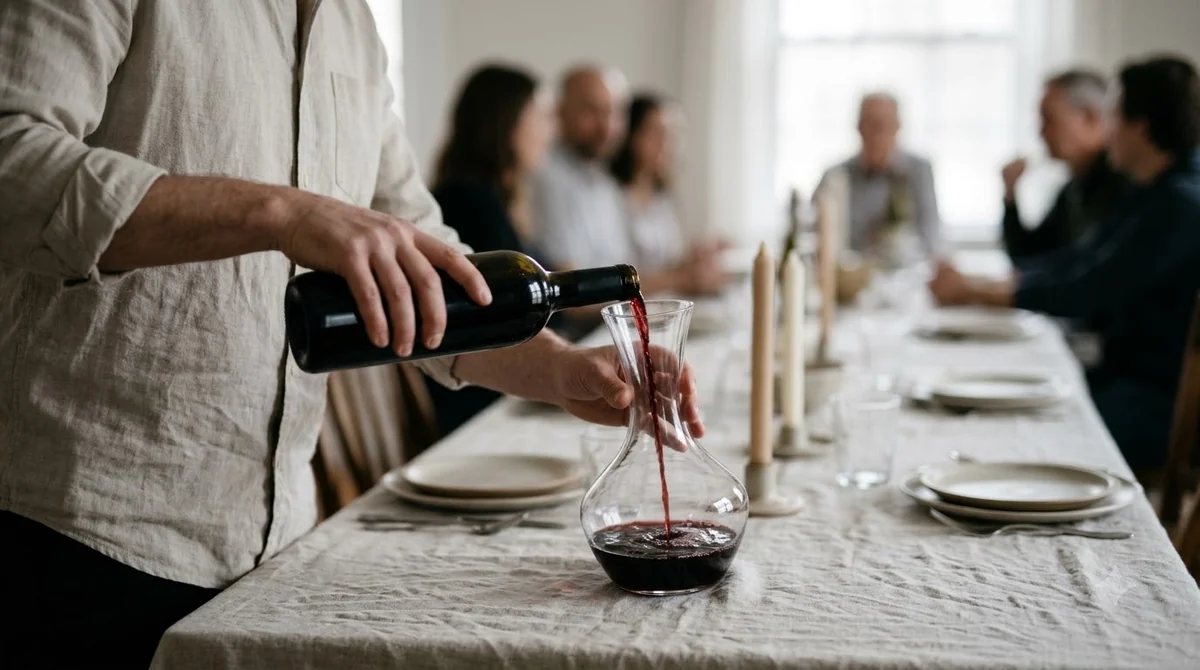
Chill young stainless-steel Verdicchio, Passerina, and Bianchello del Metauro to 46 to 50 degrees Fahrenheit (8 to 10 degrees Celsius). For richer Classico Superiore or oak-aged Riserva Verdicchio, serve slightly warmer at 50 to 54 degrees Fahrenheit (10 to 12 degrees Celsius) so the lees texture and almond complexity open up in the glass. Red wines like Rosso Piceno and Rosso Conero show best slightly below room temperature at 61 to 64 degrees Fahrenheit (16 to 18 degrees Celsius), and older Conero DOCG bottles benefit from 30 to 60 minutes in a decanter.
At the table, Marche wines reflect a culinary culture split between Adriatic seafood and hearty mountain cooking. Crisp Verdicchio pairs naturally with raw oysters, grilled calamari, spaghetti alle vongole, fried mixed fish, and Ancona’s signature tomato-and-fish stew, brodetto. Aged Riserva Verdicchio has enough weight for roast chicken, mushroom risotto, and aged sheep’s-milk Pecorino. Medium-bodied Rosso Piceno works effortlessly with tomato-based pasta, roasted pork, and cured meats, while dense Conero DOCG stands up to grilled lamb, braised beef, and wild boar ragù.
Tip: Don’t over-chill aged Verdicchio Riserva. Pulling it out of the refrigerator 15 to 20 minutes before pouring unlocks its toasted almond, beeswax, and herbal notes.
How to Buy Marche Wine in the US
While Marche wines remain far less common on American retail shelves than Pinot Grigio or Chianti, specialty wine shops and Italian restaurants consistently stock top producers. Knowing a few label cues helps you pick the right style for your meal.
When shopping for white wine, look for the words Classico or Superiore on Verdicchio dei Castelli di Jesi labels, which signal grapes grown in the historic hillside core with stricter yield limits and greater concentration. If you prefer leaner, stony whites similar to Chablis or dry Riesling, choose bottles labeled Verdicchio di Matelica. Check vintage dates carefully: basic stainless-steel Verdicchio is best within two to three years of harvest, whereas Riserva bottlings can develop gracefully for a decade.
For red wines, choose Rosso Piceno when you want an everyday, medium-bodied dinner wine with bright cherry fruit and gentle grip. Step up to Rosso Conero or Conero DOCG when you want deeper dark fruit, spice, and firm tannins built for richer meat dishes. If you enjoy exploring distinct regional profiles—much like comparing aloxe corton wine in Burgundy or boutique estates such as augusta vineyards—buying mixed bottles from Marche is one of the smartest ways to explore authentic Italian terroir.
Frequently Asked Questions
Is Marche wine red or white?
Marche produces both red and white wines in roughly balanced prominence, anchored by indigenous grapes. White wine production is led by Verdicchio, Pecorino, and Passerina, while red wines center on Montepulciano and Sangiovese in appellations like Rosso Conero and Rosso Piceno.
What does Verdicchio from Marche taste like?
Young Verdicchio is dry and medium-bodied with crisp acidity, bright lemon and green apple flavors, and a signature bitter-almond note on the finish. Aged Classico Superiore and Riserva versions gain a creamier palate with notes of white peach, herbs, honey, and toasted almonds.
What is the difference between Verdicchio dei Castelli di Jesi and Verdicchio di Matelica?
Verdicchio dei Castelli di Jesi grows closer to the Adriatic coast on clay-rich hills, yielding rounder, citrus- and almond-scented wines with subtle sea-breeze salinity. Verdicchio di Matelica comes from a smaller, high-altitude inland valley shielded from the sea, resulting in tauter, higher-acid wines with pronounced chalky minerality.
Can Marche wine age well?
Yes, top wines from Marche are among Italy’s most underrated cellar candidates. While entry-level Verdicchio and Rosso Piceno are meant to be enjoyed within two to five years, Riserva bottlings from Castelli di Jesi, Matelica, and Conero DOCG can evolve for 10 to 15 years.
From saline coastal Verdicchio to structured Montepulciano off the limestone slopes of Monte Conero, Marche wine captures the geographic contrast between the Adriatic Sea and the Apennines. Picking up a bottle of Classico Superiore white or Rosso Conero is an easy way to bring authentic central Italian character to your next dinner.
More in Wine Regions
 Willcox Wine Trail: Discover Arizona’s High-Elevation Wine CountryUpdated Nov 20, 2026
 Yakima Valley Wine Region: Find the Best Styles to TryUpdated Nov 20, 2026
 Vosne Romanee Wine Tasting: Identify Aromas and Choose Better PairingsUpdated Nov 20, 2026
 Yakima Valley Wine Festival: Find the Best Seasonal Wine EventsUpdated Nov 20, 2026
 Wales Vineyards: Discover Cool-Climate Wines and Where to VisitUpdated Nov 20, 2026
 Yountville Wine Festival: Discover Napa Wines and Local FoodUpdated Nov 20, 2026