

We may earn a commission when you buy through links on this page, at no extra cost to you. Learn more.
St francis red wine refers to the portfolio of Sonoma County red wines produced by St. Francis Winery & Vineyards, a certified sustainable California winery founded in 1971. The lineup is anchored by its signature Sonoma County Red Blend alongside varietal bottlings of Cabernet Sauvignon, Merlot, Old Vines Zinfandel, and Pinot Noir. Known for ripe dark-berry character, French oak aging, and balanced acidity, these wines reflect diverse mountain and valley microclimates across Sonoma County.
Whether you encounter a bottle of St. Francis on a restaurant wine list or at a neighborhood bottle shop, understanding how the winery divides its red program makes selecting the right style straightforward. From approachable everyday blends to small-lot single-vineyard reserves, each bottling highlights a distinct corner of Northern California wine country.
Who Makes St Francis Red Wine
St. Francis Winery & Vineyards is a family-owned Sonoma County producer rooted in Santa Rosa and the heart of Sonoma Valley, operating as a 100% Certified California Sustainable winery. Founder Joe Martin established the original St. Francis Vineyard in 1971 after falling in love with Sonoma Valley, planting 22 acres of Chardonnay and the first 60 acres of Merlot in the valley before opening the winery itself in 1979 with business partner Lloyd Canton.
In its early decades, founding winemaker Tom Mackey built the estate’s reputation on generous, fruit-driven reds that showcased Sonoma’s warm sunshine without losing balance. Today, winemakers Katie Madigan and Chris Louton oversee cellar operations, guiding fruit from estate properties such as Wild Oak, Behler, Lagomarsino, and Río Este alongside long-term partner growers across the county. For readers exploring established Wine Brands in California, St. Francis built its reputation as an early champion of Sonoma Valley Merlot and heritage Zinfandel.
Environmental stewardship shapes both vineyard and cellar decisions at the Santa Rosa estate. Vineyard blocks are divided for targeted low-flow irrigation, cover crops and raptor nesting boxes support natural pest control, and a 457-kilowatt solar array supplies over 40% of the winery’s annual electricity. Even the winery’s packaging relies on over 45% recycled glass and natural cork closures, reinforcing a long-term commitment to Sonoma County agriculture.
The Core Lineup of St. Francis Red Wines
The St. Francis red wine portfolio spans five primary grape expressions across Classic, Appellation, and Artisan single-vineyard tiers. While the Sonoma County Red Blend serves as the house’s multi-varietal flagship, single-varietal bottlings of Cabernet Sauvignon, Merlot, Old Vines Zinfandel, and Pinot Noir each spotlight specific appellations and aging regimens.
The St. Francis Sonoma County Red Blend brings together Bordeaux and Rhône varieties in a single cuvée rather than relying on a fixed formula. In recent vintages such as 2021, the blend combined 31% Cabernet Sauvignon, 22% Merlot, 20% Syrah, 18% Mourvèdre, and 9% Malbec, with Syrah and Mourvèdre fermented in open-top tanks and Malbec co-fermented with Cabernet Sauvignon before aging in French oak barrels. That multi-lot approach gives the wine dark cherry and roasted plum depth layered with savory spice.
Alongside the blend, St. Francis bottles classic Sonoma County varietals tailored to their ideal microclimates. Cabernet Sauvignon—often blended with small amounts of Merlot and Cabernet Franc and aged 18 months in French oak (20% new)—brings structured cassis and dried sage character. Merlot draws heavily from estate vineyards in Sonoma Valley and spends roughly 15 to 18 months in French oak, honoring Joe Martin’s 1971 plantings. Old Vines Zinfandel sources fruit from dry-farmed, head-pruned vines planted 50 to over 100 years ago across Sonoma Valley, Russian River Valley, Dry Creek Valley, and Alexander Valley, aging 16 months in French oak for concentrated raspberry, blackberry, and baking-spice intensity. Meanwhile, Pinot Noir—including the estate Río Este bottling—comes from the fog-cooled Russian River Valley and Sonoma Coast, fermented in open-top vessels for bright red-berry aromatics and brisk acidity.
| Wine | Primary Grapes | Key Sonoma Sourcing | Oak Aging & Typical ABV |
|---|---|---|---|
| Sonoma County Red Blend | Cabernet Sauvignon, Merlot, Syrah, Mourvèdre, Malbec | Wild Oak & Behler Estate vineyards, Sonoma County | French oak barrels; ~14.7% ABV |
| Sonoma County Cabernet Sauvignon | Cabernet Sauvignon (with Merlot & Cab Franc) | Sonoma County mountain & valley sites | 18 months French oak (20% new); ~14.2%–14.8% ABV |
| Sonoma County Merlot | Merlot | Wild Oak & Behler Estate, Sonoma Valley | 15–18 months French oak (20% new) |
| Old Vines Zinfandel | Zinfandel (with Petite Sirah & mixed blacks) | Sonoma, Russian River, Dry Creek & Alexander Valleys | 16 months French oak; ~14.7%–14.8% ABV |
| Russian River Valley Pinot Noir | Pinot Noir | Río Este & cool Russian River Valley sites | 15–16 months French oak (30%–40% new); ~12.5%–14.2% ABV |
Taste Profile and Sonoma Terroir
Across the board, St. Francis red wines share a signature house style defined by plush dark-berry fruit, supple tannins, and a thread of coastal acidity that keeps higher-alcohol bottlings lively on the palate. That balance comes directly from Sonoma County’s geography, where warm inland sunshine meets cool evening fog and breezes rolling in from the Pacific Ocean.
In warmer zones like Alexander Valley, Dry Creek Valley, and inland Sonoma Valley, daytime heat develops concentrated flavors of blackberry, black currant, roasted plum, and cherry compote. As temperatures drop at night, coastal fog preserves natural acidity so the finished wines avoid feeling heavy or jammy. Reviewers at Wine Enthusiast and Wine Spectator frequently highlight this tension, noting ripe berry richness framed by pepper, dried sage, cocoa powder, and toasted oak spice.
Cellar techniques reinforce that clarity of fruit. Grapes are gently de-stemmed and cold-soaked for two days prior to fermentation to extract deep color and soft tannins without harsh bitterness. By fermenting vineyard lots separately—using open-top fermenters with gentle punch-downs for aromatic varieties like Pinot Noir, Syrah, and Mourvèdre, and closed-top tanks for structural Cabernet Sauvignon—the winemaking team builds complexity before final barrel blending. If you enjoy fruit-forward California reds such as apothic brew or approachable everyday pours like main and vine wine, St. Francis offers a step into classic Sonoma County appellation character with dry, oak-aged structure.
How to Serve and Pair St Francis Red Wine
Serving temperature and modest aeration play a noticeable role in bringing out the aromatics and silky texture of St. Francis reds. While fuller-bodied bottlings like Cabernet Sauvignon, Merlot, and Old Vines Zinfandel shine at cool cellar temperature, lighter Russian River Valley Pinot Noir benefits from a gentle chill.
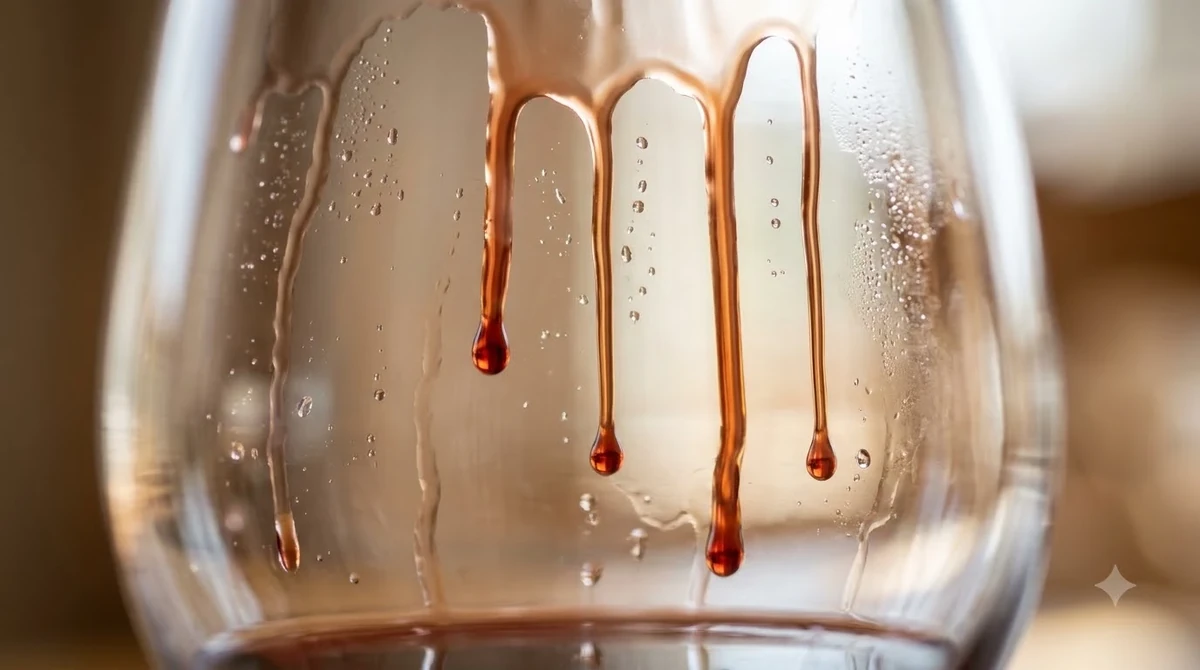
Aim to serve the Sonoma County Red Blend, Cabernet Sauvignon, Merlot, and Old Vines Zinfandel between 60°F and 65°F. At this slightly cool temperature, alcohol warmth stays tucked beneath notes of dark cherry, cassis, and clove. For the estate Río Este or Russian River Valley Pinot Noir, the producer specifically recommends serving with a gentle chill—around 55°F to 58°F—to highlight delicate floral notes, Tart Bing cherry, and bright acidity. Pouring fuller-bodied bottles into a decanter or wide-bowled glass 20 to 30 minutes before dinner softens tannins and opens up savory herb and espresso nuances.
At the dinner table, the portfolio’s combination of ripe fruit and savory spice makes pairing remarkably flexible. According to winemaker notes and Kobrand Wine & Spirits tasting profiles, the Sonoma County Red Blend pairs naturally with herb-crusted rack of lamb, mushroom risotto, and aged cheddar or Gouda. Old Vines Zinfandel’s black pepper and cinnamon accents complement slow-smoked barbecue ribs, spiced sausage, or grilled burgers, while Cabernet Sauvignon handles ribeye steak, roast venison, and blue cheese. For Russian River Valley Pinot Noir, try roast duck breast, cedar-plank salmon, or wild mushroom pasta.
Tip: Put your bottle of St. Francis red wine in the refrigerator for 15 to 20 minutes before opening if your kitchen sits at warm room temperature (70°F or higher)—a brief chill sharpens the fruit and keeps the finish crisp.
Who St. Francis Red Wine Suits Best
St. Francis red wine appeals most to drinkers who appreciate classic Northern California fruit generosity paired with traditional French oak craftsmanship and dry, food-friendly balance. Rather than chasing extreme minimalism or overly sweet mass-market styles, the winery occupies a dependable middle ground rooted in Sonoma County heritage.
Collectors and weekend hosts alike can find a fitting tier within the lineup. Those exploring Sonoma County for the first time often gravitate toward the Classic Collection Sonoma County Red Blend or Merlot for weeknight dinners and casual gatherings, where soft tannins and layered berry flavors please a crowd. Drinkers seeking deeper concentration, single-vineyard specificity, or cellaring potential over five to eight years can look toward the Appellation and Artisan Reserve bottlings from Behler Vineyard, Moon Mountain District, Rockpile, or Dry Creek Valley. Readers who also appreciate structured, traditional Old World reds like zenato wine will recognize a similar commitment to regional authenticity and table versatility in St. Francis’s vineyard-driven approach.
Frequently Asked Questions
Is St. Francis red wine dry or sweet?
St. Francis red wines are fermented dry, meaning virtually all grape sugar is converted into alcohol during fermentation. Because Sonoma County’s warm sunshine produces ripe blackberry, plum, and cherry flavors alongside French oak vanilla notes, the wines can give an impression of lush fruit sweetness on the mid-palate while finishing crisp and dry.
What grapes are in St. Francis Sonoma County Red Blend?
The blend varies slightly each vintage based on harvest conditions, anchored by Bordeaux varieties alongside Rhône grapes. For example, the 2021 vintage combined 31% Cabernet Sauvignon, 22% Merlot, 20% Syrah, 18% Mourvèdre, and 9% Malbec, aged in French oak barrels for a balance of structure, dark fruit, and savory spice.
Where is St. Francis Winery located?
St. Francis Winery & Vineyards is located in Santa Rosa in California’s Sonoma Valley, within Sonoma County. Founded in 1971 by Joe Martin, the estate sources grapes from its own certified sustainable vineyards—including Wild Oak, Behler, Lagomarsino, and Río Este—as well as partner growers across Sonoma’s appellations.
How long can you age St. Francis red wine?
Classic Collection bottlings such as the Sonoma County Red Blend, Merlot, and Old Vines Zinfandel are crafted for immediate enjoyment upon release and generally drink well for 3 to 6 years. Reserve and single-vineyard Appellation bottlings—particularly Sonoma Valley Reserve Merlot, Rockpile or Moon Mountain Cabernet Sauvignon, and Reserve Zinfandel—possess the tannin and acid structure to age gracefully for 6 to 10 years.
From Joe Martin’s pioneering 1971 Merlot plantings to today’s sustainably farmed blends and old-vine Zinfandels, St. Francis red wine offers a clear window into Sonoma County’s diverse vineyards. Choosing the right bottle comes down to matching the grape’s weight—from chilled Russian River Pinot Noir to full-bodied Cabernet Sauvignon—to the meal on your table.
More in Wine Brands
 Underwood Wine Price: Compare Bottles, Cans, and Pack SizesUpdated Nov 21, 2026
 Zenato Wine Price: Compare Styles and Choose the Right BottleUpdated Nov 21, 2026
 Zuccardi Wine Price: Compare Bottles and Find the Right RangeUpdated Nov 21, 2026
 Yellow Tail Moscato Review: Taste, Sweetness and Serving TipsUpdated Nov 21, 2026
 Wolf Blass Yellow Label Review: Choose Your Best StyleUpdated Nov 21, 2026
 Wolffer Estate Rose Review: Choose the Right Bottle for Your TableUpdated Nov 21, 2026