

We may earn a commission when you buy through links on this page, at no extra cost to you. Learn more.
Mionetto rose is an Extra Dry Italian sparkling wine from the Prosecco DOC appellation, crafted from a blend of 90 percent Glera and 10 percent Pinot Noir. Produced by the historic Valdobbiadene winery Mionetto, it gains its peach-blossom pink hue from brief red-wine skin contact and undergoes 60 days of Charmat-method lees aging in pressurized tanks. Bottled at 11 percent ABV, this vintage-dated sparkler delivers crisp notes of wild strawberry, red berries, pink grapefruit, and subtle brioche.
When Italian regulators officially approved the Prosecco DOC Rosé category in 2020, legacy producers in northeastern Italy quickly embraced the style. Among the most widely distributed bottles in the United States is Mionetto’s pink sparkler, recognizable on retail shelves by its signature slanted label and pale salmon-pink tint. Understanding how it is made, what it tastes like, and how it fits into the broader sparkling wine landscape helps buyers know what to expect before popping the cork.
Who Makes It
Mionetto was founded in 1887 by winemaker Francesco Mionetto in the steep, picturesque hills of Valdobbiadene, located in Italy’s Veneto region. Over more than a century, the house grew from a local family cellar into one of the world’s leading Prosecco producers, eventually joining the international sparkling wine group Henkell Freixenet.
According to Mionetto’s official producer specifications, the winery emphasizes on-demand bottling so that stock reaches markets at peak aromatic freshness. While its headquarters remain rooted in the Conegliano Valdobbiadene hillsides, Mionetto sources fruit across the broader Prosecco DOC zone—spanning nine provinces in Veneto and Friuli-Venezia Giulia—to craft its accessible Prestige Collection.
That scale places Mionetto alongside other household names explored in our broader guide to Wine Brands. Despite its global reach, the winery’s production of Prosecco Rosé remains bound by strict Italian appellation rules that dictate everything from grape proportions to minimum cellar aging time.
How Prosecco DOC Rosé Rules Shape the Bottle
Unlike still pink wines that can be blended casually in many regions, every bottle of Prosecco DOC Rosé must satisfy a specific set of legal requirements established by the Consorzio di Tutela del Prosecco DOC. These regulations ensure consistency across producers and separate authentic Prosecco Rosé from generic Italian sparkling pink blends.
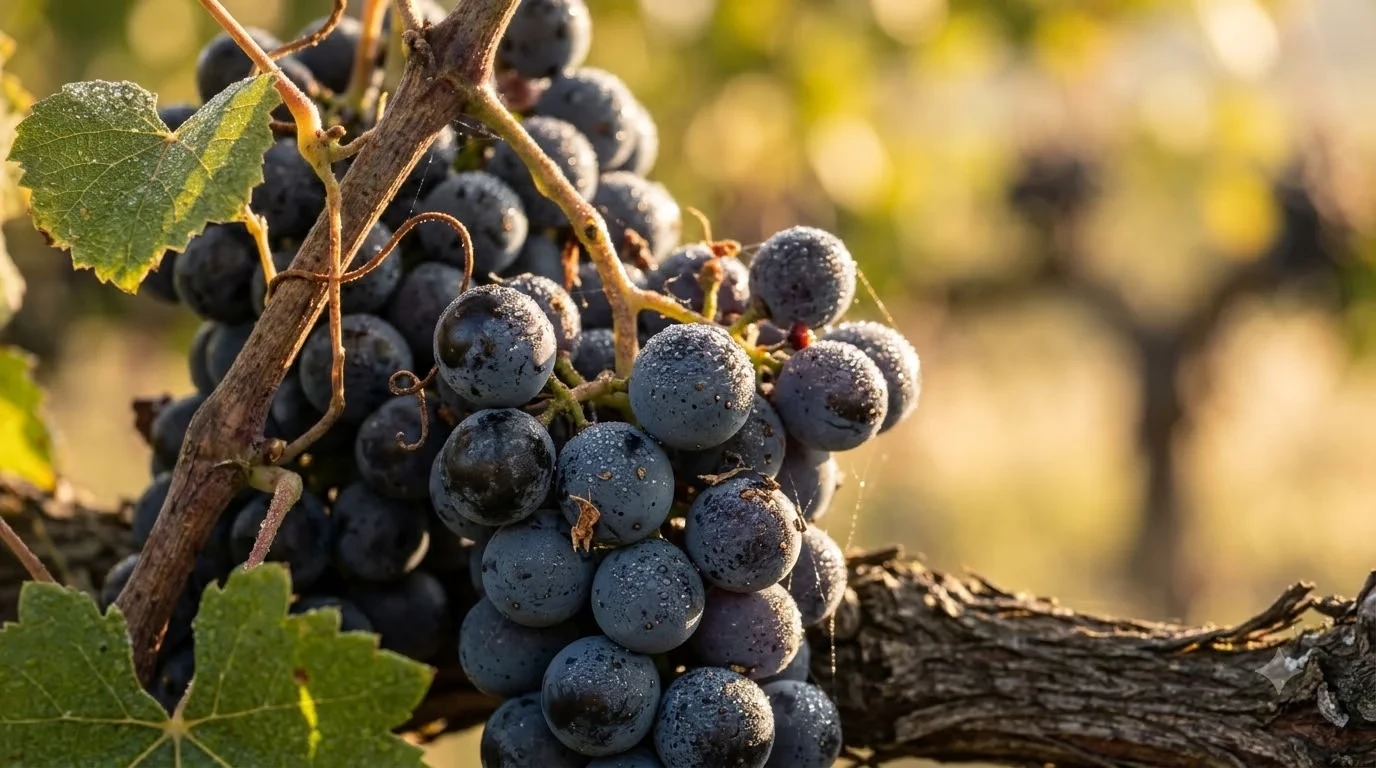
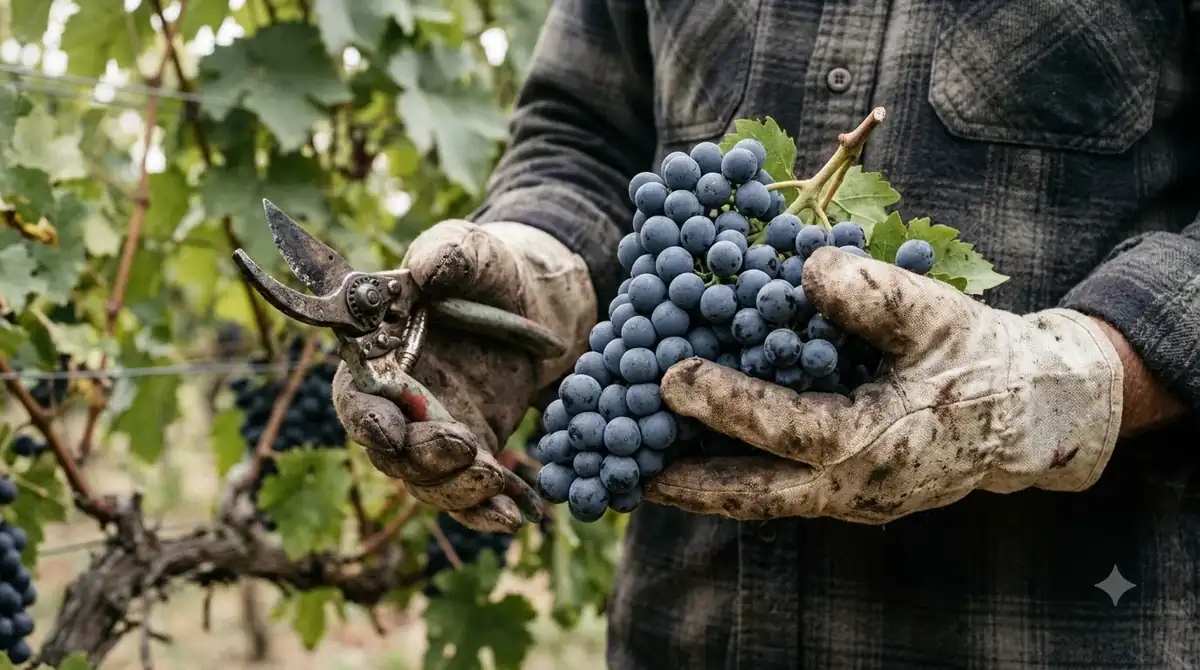
As detailed in Wine Folly’s Prosecco guide, the appellation mandates a base of Glera—the traditional white grape of Prosecco—combined with 10 to 15 percent Pinot Noir (known locally as Pinot Nero) vinified as a red wine. Mionetto uses a 90 percent Glera and 10 percent Pinot Noir ratio, macerating the red grapes on their skins for several days to extract color without heavy tannins.
Two additional rules distinguish Prosecco Rosé from standard white Prosecco. First, secondary fermentation in pressurized stainless-steel autoclaves (the Martinotti or Charmat method) must last at least 60 days on the lees, compared to no mandatory minimum for white Prosecco spumante. Second, every bottle must carry the term Millesimato alongside its harvest year, certifying that at least 85 percent of the grapes came from that single vintage.
The Lineup and Technical Profile
In the American market, Mionetto’s flagship pink sparkler sits inside its Prestige Collection—the line distinguished by a matte-black neck wrap and an oblique front label. The house also produces a separate, non-DOC sparkling blend called Vivo Rosé, made from red varieties like Raboso, Merlot, and Cabernet Sauvignon, so checking the neck collar for the official DOC band helps confirm which bottle you are holding.
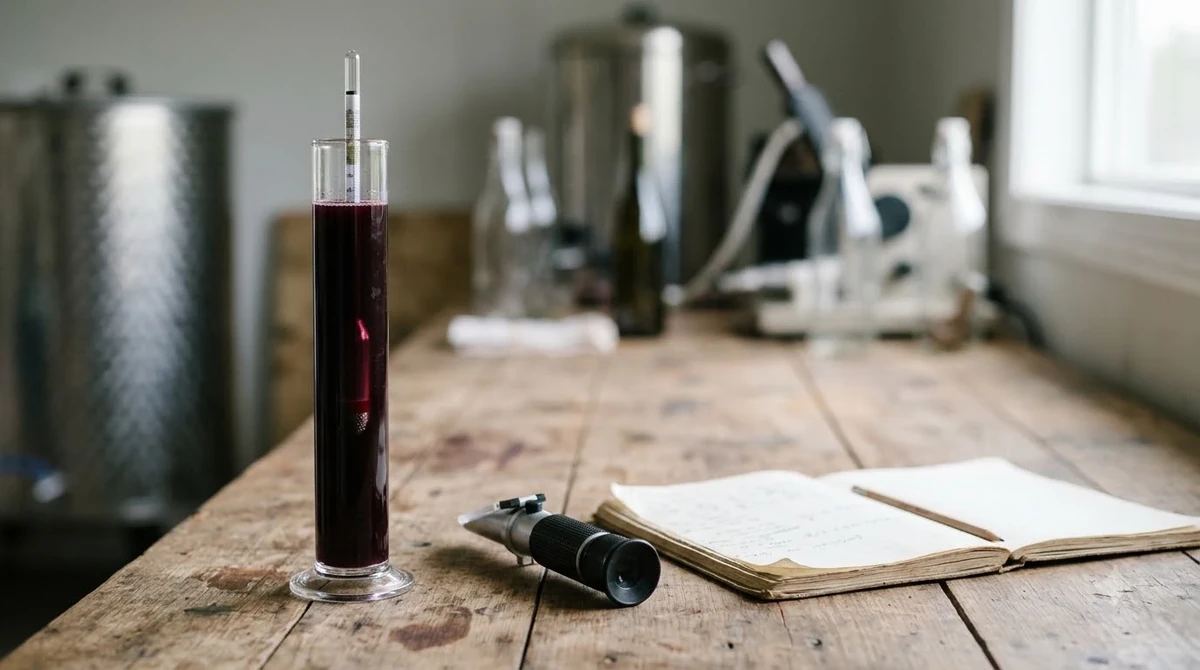
The Prestige Collection Prosecco Rosé DOC is finished in the Extra Dry style. In sparkling wine terminology, Extra Dry actually carries slightly more residual sugar than Brut—sitting between 12 and 17 grams per liter under European rules. Mionetto’s technical sheet lists residual sugar at 14 to 17 grams per liter balanced against 5.5 to 6.5 grams per liter of total acidity, creating a soft, rounded mouthfeel rather than a sugary finish.
| Specification | Mionetto Prestige Prosecco Rosé DOC | Prosecco DOC Rosé Appellation Standard |
|---|---|---|
| Appellation | Prosecco DOC | Prosecco DOC (Veneto and Friuli-Venezia Giulia) |
| Grape Blend | 90% Glera, 10% Pinot Noir | 85%–90% Glera, 10%–15% Pinot Noir |
| Sweetness Level | Extra Dry (14–17 g/L residual sugar) | Brut Nature to Extra Dry (0–17 g/L) |
| Secondary Fermentation | 60 days in Charmat autoclave | Minimum 60 days in pressurized tank |
| Alcohol by Volume | 11% ABV | Minimum 11% ABV |
| Vintage Labeling | Millesimato (vintage-dated) | Mandatory Millesimato (85% single vintage) |
Alongside standard 750-milliliter bottles, Mionetto distributes the Prestige Prosecco Rosé in 187-milliliter single-serve splits and larger magnum formats. Because the wine relies on primary fruit vibrancy and fresh effervescence, the producer recommends enjoying it within one year of bottling rather than cellaring it long-term.
Taste Profile and Aromatics
In the glass, Mionetto rose pours a luminous peach-blossom pink with subtle copper-violet highlights and a steady stream of fine bubbles. The visual presentation leans delicate and pale rather than deep magenta, reflecting its 10 percent Pinot Noir proportion.
On the nose, the Glera base contributes bright green apple, white peach, and floral lift, while the Pinot Noir introduces wild strawberry, raspberry, and red currant notes. Pink grapefruit zest adds a clean citrus edge that keeps the bouquet lively. Because the wine rests on spent yeast cells for two full months during secondary fermentation, gentle secondary aromas of wildflower honey and fresh bread crust emerge underneath the fruit.
On the palate, the effervescence feels creamy and gentle rather than aggressively prickly. The 14 to 17 grams per liter of residual sugar rounds out the tartness of the red berries and citrus, leading into a clean, crisp finish. Wine reviewers frequently describe the style as approachable, fruit-driven, and balanced—offering more aromatic depth than basic entry-level bubbles while remaining light on its feet at 11 percent alcohol.
How to Serve and Pair
Temperature and glassware play a noticeable role in how Mionetto rose expresses its aromatics. Mionetto recommends serving the wine chilled between 43 and 46 degrees Fahrenheit (6 to 8 degrees Celsius). Serving it straight from an ice-cold freezer mutes the delicate strawberry and brioche notes, whereas serving it too warm emphasizes the Extra Dry sweetness and makes the bubbles dissipate faster.
While narrow flutes preserve visual effervescence, tulip-shaped sparkling glasses or standard white wine stems give the bouquet room to open up. The slightly wider bowl of a tulip glass allows the floral Glera aromatics and yeast-derived honey notes to collect near the rim without sacrificing carbonation.
Tip: Chill the bottle in a bucket filled with half ice and half cold water for 20 minutes rather than leaving it in the freezer, and pour into a tulip glass so the red-berry and brioche aromatics can open up.
At the table, the wine’s combination of crisp acidity, gentle mousse, and touch of residual sugar makes it adaptable across courses. Mionetto highlights seafood pairings in particular, including raw shellfish, shrimp cocktail, crab cakes, and creamy seafood risotto. Its hint of sweetness also tames salty cured meats like prosciutto-wrapped melon, soft cheeses such as burrata, and mildly spiced Asian or brunch dishes. Beyond standalone pouring, bartenders frequently use it as a berry-scented base for a Rosé Aperol Spritz or a Venetian Bellini made with white peach purée.
Who It Suits
Mionetto rose suits wine drinkers looking for an approachable, crowd-pleasing pink sparkling wine that bridges the gap between bone-dry Brut bottles and sweeter Moscato styles. Because Extra Dry sits right in the middle of the sparkling sweetness spectrum, guests who normally find traditional Champagne too sharp often enjoy its soft red-berry fruit, while dry-wine fans appreciate its crisp citrus finish.
It also appeals to shoppers who want recognizable Italian regional authenticity without navigating complex vintage charts or high-end cellar bottles. Readers who enjoy accessible Italian labels like zenato wine or everyday American staples such as main and vine wine will recognize the same focus on consistency, fruit clarity, and casual versatility. Conversely, if you strictly prefer zero-dosage, bone-dry sparkling wines or traditional-method bottles with years of toast-heavy lees aging, a Brut Nature Franciacorta or vintage Champagne will align better with your palate.
Frequently Asked Questions
Is Mionetto rose sweet or dry?
Mionetto Prosecco Rosé DOC is classified as Extra Dry, which means it sits in a balanced middle ground with a hint of soft fruitiness rather than heavy sweetness. It contains 14 to 17 grams of residual sugar per liter, balanced by brisk natural acidity so the finish tastes crisp and refreshing.
What is the alcohol content of Mionetto rose?
Mionetto Prestige Prosecco Rosé DOC has an alcohol by volume (ABV) of 11 percent. This moderate alcohol level keeps the wine light-bodied and easy to enjoy as an aperitif, at weekend brunch, or mixed into sparkling cocktails.
What grapes are used to make Mionetto rose?
The wine is crafted from a blend of 90 percent Glera and 10 percent Pinot Noir. Glera provides green apple, white peach, and floral freshness, while red-vinified Pinot Noir contributes the peach-blossom pink color and wild strawberry notes.
How long can you store an unopened bottle of Mionetto rose?
Mionetto recommends drinking its Prosecco Rosé within one year of bottling. Because Charmat-method sparkling wines are designed to showcase fresh primary fruit and lively bubbles rather than bottle-aged complexity, storing a bottle for several years will dull its vibrancy.
From its regulated blend of Glera and Pinot Noir to its 60-day Charmat lees aging, Mionetto rose offers a clear, reliable introduction to Italy’s Prosecco DOC Rosé category. Chilled properly and poured into a tulip glass, it brings bright red-berry fruit and gentle effervescence to casual aperitivo hours and seafood-focused meals alike.
More in Wine Brands
 Underwood Wine Price: Compare Bottles, Cans, and Pack SizesUpdated Nov 21, 2026
 Zenato Wine Price: Compare Styles and Choose the Right BottleUpdated Nov 21, 2026
 Zuccardi Wine Price: Compare Bottles and Find the Right RangeUpdated Nov 21, 2026
 Yellow Tail Moscato Review: Taste, Sweetness and Serving TipsUpdated Nov 21, 2026
 Wolf Blass Yellow Label Review: Choose Your Best StyleUpdated Nov 21, 2026
 Wolffer Estate Rose Review: Choose the Right Bottle for Your TableUpdated Nov 21, 2026