


We may earn a commission when you buy through links on this page, at no extra cost to you. Learn more.
Mionetto Prosecco is made by Mionetto, a producer founded in 1887 in Valdobbiadene, the heart of the Prosecco hills north of Venice. The winery’s sparkling wines are made from Glera grapes, and its range includes dry Prosecco for everyday drinking and Superiore styles from the historic hillside zone. It is one of the best-known Prosecco brands on store shelves, and it suits aperitivo, brunch and celebrations alike.
Prosecco is now one of the most popular sparkling wines in the world, and the brand name on the bottle matters because producers differ in their style, their sources and their level of quality. This guide explains who makes Mionetto Prosecco, how the wine is produced, which styles to look for and how to serve it well.
Who makes Mionetto and where it comes from
Mionetto was founded in 1887 by Francesco Mionetto in Valdobbiadene, a town in the Veneto region that sits at the center of the Prosecco production area. The winery’s own page presents it as a Prosecco house rooted in that landscape, and it still names Valdobbiadene on its bottles and marketing.
The brand’s history is long enough to have shaped the category. The winery says it adopted the Charmat method, which ferments the wine in pressurized tanks, in 1982. That choice made sparkling wine easier to produce in quantity while keeping the fresh, fruity character that Prosecco is known for.
The grape behind the wine is Glera, which is grown across the hills of Conegliano and Valdobbiadene. Those hillside vineyards are central to the category’s identity, because the slopes give the grapes a different balance of sugar and acidity than fruit grown on the flat plains. That is one reason the Superiore designation carries weight on the label and why many buyers look for it.
| Detail | What to know |
|---|---|
| Founded | 1887, Valdobbiadene, Veneto, Italy |
| Grape | Glera, the main grape of Prosecco |
| Method | Charmat (tank) method, adopted in 1982 by the family’s account |
| Styles | Dry Prosecco and Superiore bottlings |
How Prosecco is made and why the method matters
Most Prosecco is made with the Charmat method, in which the second fermentation takes place in a large pressurized tank rather than in each bottle. The process keeps the wine fresh and aromatic, with bright apple, pear and floral notes, which is why Prosecco tends to taste lighter than traditional-method sparkling wines.
The method is a key point when you compare labels. A Prosecco made by tank fermentation will usually be younger in style and easier to drink, while traditional-method sparkling wines take longer and often show more toast and bread character. If you want to see a different approach, our guide to josh prosecco compares another popular bottle from the same category.
Mionetto Prosecco styles and what to buy
The category has several levels, from the classic dry Prosecco on most shelves to Superiore bottles from the hillside zone around Valdobbiadene and Conegliano. The Superiore name signals a designated area and specific production rules, so it is a useful clue when you are comparing bottles in the same price band.
Within the brand’s range, the dry style is the easiest entry point. Extra Dry and Brut labels show the sweetness level on the bottle, and a drier style pairs better with savory food, while a softer style suits fruit desserts and casual sipping.
Labels also carry the appellation, and it is worth reading it alongside the style. Most bottles are sold under the Prosecco DOC, which covers a wide area of the Veneto and Friuli-Venezia Giulia. The Conegliano Valdobbiadene DOCG covers the hillside zone where Superiore bottles are made, and it is a narrower map. When a back label names a village or a single vineyard, it tells you more about where the grapes grew than the brand name does, so it is a useful thing to check before you choose.
| Style | Taste direction | Good for |
|---|---|---|
| Dry Prosecco | Crisp, fresh, lightly fruity | Aperitivo, everyday glasses, seafood |
| Extra Dry | Softer and a touch sweeter | Brunch, fruit dishes, casual gatherings |
| Superiore | Fuller, more structured from the hillside zone | Dinner parties and celebrations |

How to serve Mionetto Prosecco
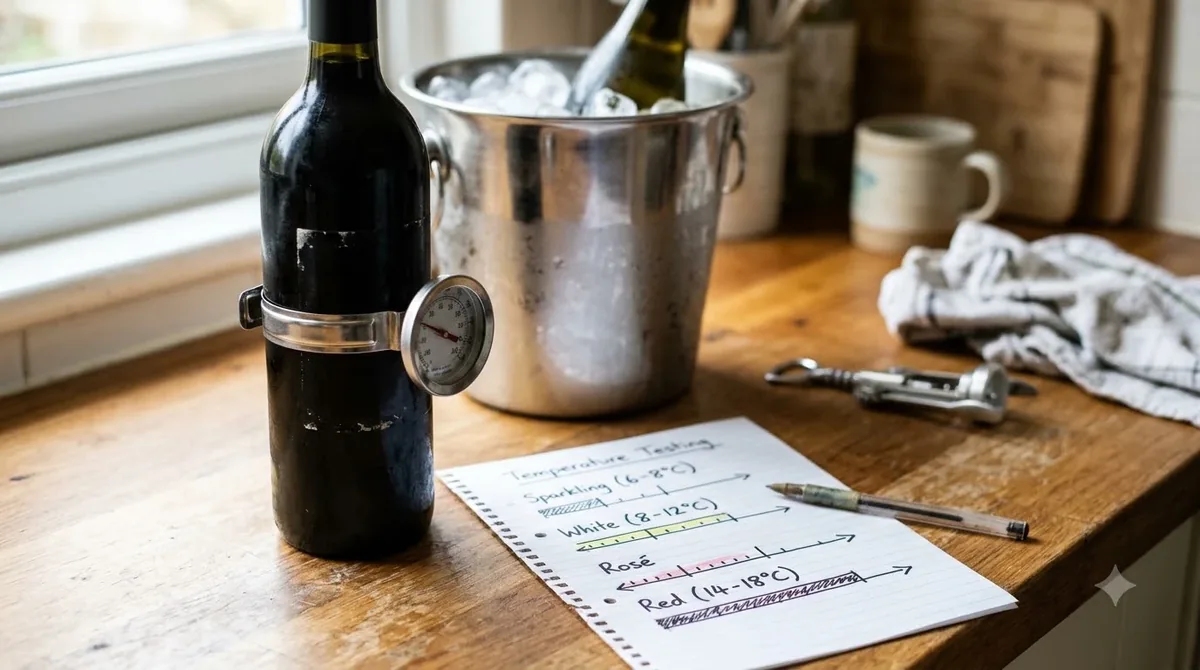
Chill the bottle thoroughly and serve it in a flute or a tall white-wine glass. Prosecco is meant to be drunk young and fresh, so avoid long storage once the bottle is opened, and reseal it with a stopper in the refrigerator if you cannot finish it.
Glass choice has a small but real effect. A flute holds the bubbles together for longer, while a tall white-wine glass lets more of the floral and pear aromas reach your nose. Many people prefer the second for a dry Superiore, and the flute for a simple everyday Prosecco where the fizz is the main pleasure.
Prosecco works well as an aperitif, in a spritz with bitter aperitivo and soda, or alongside light appetizers. It is also a good match for fried snacks, soft cheeses and bright salads, because its acidity cuts through rich food without overpowering it.
Classic Venetian pairings are a good place to start. A dry Prosecco works with fried seafood, grilled shrimp and cicchetti, the small snacks served with drinks in Venice. It also complements risotto with peas or asparagus, where the bubbles lift the creamy rice. For a simple home meal, a platter of prosciutto and melon is a dependable choice that lets the fruit in the wine shine.
Tip: For a spritz, a dry Prosecco keeps the drink balanced. A sweeter label can make the glass taste heavy once you add a bitter aperitivo.
Mionetto Prosecco compared with other sparkling wines
Prosecco is often compared with Champagne, but the two are made differently and taste different. Champagne is produced in France with a longer, bottle-fermented process, while Prosecco is made mostly in Italy with the tank method and a fresher, fruitier profile. Neither is better in every case, so the right choice depends on the meal and the occasion.
If you want a similar style from another Italian producer, see la marca prosecco, and compare it with the bottle you are considering. Reading the label for the designation and the sweetness level will help you decide faster than relying on the brand name alone.
Price is a poor guide on its own. Two bottles from the same producer can sit at different points in the range, so compare the designation, the sweetness level and the bottling year before you decide. A bottle meant to be drunk young should be bought fresh, because Prosecco is at its best within a short time of release.
The tank method also shapes how the wine should be judged. Because the second fermentation is quick and controlled, the wine is bottled while its fruit is still fresh, and the best bottles show clean apple, pear and blossom notes rather than the yeasty character of longer-aged sparkling wine. Tasting a few styles side by side is the easiest way to see the difference, and most shops will let you compare a dry bottle with an Extra Dry on the same shelf.
Frequently Asked Questions
Where is Mionetto Prosecco made?
Mionetto is based in Valdobbiadene in the Veneto region of northern Italy, the town at the center of the Prosecco production area. The brand’s own materials give the Valdobbiadene address as its home.
Is Mionetto Prosecco the same as Prosecco Superiore?
Not exactly. Prosecco is the wine style, while Superiore refers to a designated hillside zone with stricter production rules. Check the label to see whether a bottle is a standard Prosecco or a Superiore.
Is Mionetto Prosecco dry?
Many Prosecco bottles are labeled dry, while others are Extra Dry or sweeter. The sweetness level appears on the label, so read it before you buy if you have a preference.
Can you keep an opened bottle of Prosecco?
Only for a short time. Prosecco loses its fizz quickly once opened, so reseal the bottle, keep it cold and finish it within a day or two for the best flavor.
Mionetto Prosecco is a dependable choice for an aperitif, a spritz or a relaxed dinner. Pick the style that fits your food, serve it cold and give it the freshness it is made for.
More in Wine Brands
 Underwood Wine Price: Compare Bottles, Cans, and Pack SizesUpdated Nov 21, 2026
 Zenato Wine Price: Compare Styles and Choose the Right BottleUpdated Nov 21, 2026
 Zuccardi Wine Price: Compare Bottles and Find the Right RangeUpdated Nov 21, 2026
 Yellow Tail Moscato Review: Taste, Sweetness and Serving TipsUpdated Nov 21, 2026
 Wolf Blass Yellow Label Review: Choose Your Best StyleUpdated Nov 21, 2026
 Wolffer Estate Rose Review: Choose the Right Bottle for Your TableUpdated Nov 21, 2026