
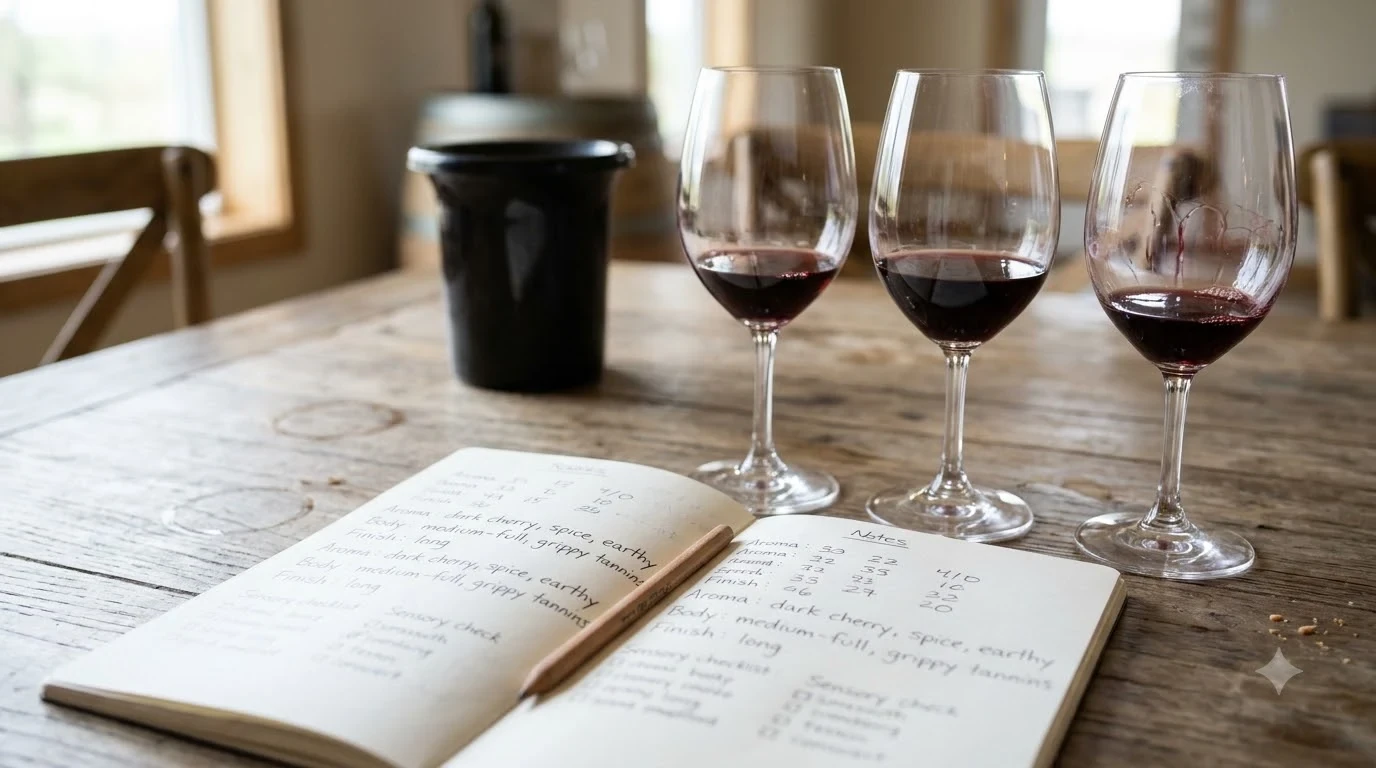

We may earn a commission when you buy through links on this page, at no extra cost to you. Learn more.
K Vintners wine is the flagship, small-lot winery founded by winemaker Charles Smith in Walla Walla, Washington, best known for single-vineyard Syrahs and Rhône-inspired red blends. Producing its inaugural 1999 vintage of just 330 cases before officially opening its doors in December 2001, the label remains the centerpiece of the House of Smith portfolio. Every bottling relies on hand-picked Washington State fruit, native yeast fermentation, and traditional basket pressing to express distinct vineyard sites.
While casual drinkers often recognize Charles Smith from his high-volume supermarket labels, K Vintners operates on an entirely different philosophy rooted in site specificity and minimal intervention. Understanding how this label fits into the broader landscape of Pacific Northwest Wine Brands helps clarify why collectors and sommeliers treat these black-and-white labeled bottles as benchmarks for Washington Syrah.
Who Makes K Vintners Wine
K Vintners was created by self-taught winemaker Charles Smith, a former rock-band manager who transitioned into the wine trade before settling in Walla Walla at the base of the Blue Mountains. Today, the winery anchors House of Smith, a multi-label portfolio that farms over 600 acres across Washington State.
Before releasing his first vintage, Smith spent a decade managing bands in Denmark and touring Europe, where restaurant and hospitality work sparked his interest in Northern Rhône wines. After returning to the Pacific Northwest and opening a wine shop on Bainbridge Island, a 1999 road trip to Walla Walla convinced him that eastern Washington’s arid climate and varied soils could produce world-class Syrah. He released 330 cases of 1999 K Syrah and officially opened the K Vintners winery on Mill Creek Road in December 2001.
Over the next fifteen years, Smith built several accessible, widely distributed labels—such as Kung Fu Girl Riesling and Velvet Devil Merlot—which he sold to Constellation Brands in October 2016. Crucially, he retained K Vintners alongside sister projects like SIXTO, CasaSmith, and Wines of Substance. As noted in Wine Enthusiast’s coverage of House of Smith, retaining these estate-driven projects allowed Smith and VP of Winemaking Brennon Leighton to focus on high-elevation vineyards, native fermentations, and terroir-driven winemaking.
Winemaking Philosophy and Vineyard Sources
According to the official House of Smith winery profile, every K Vintners wine is made from 100 percent Washington fruit, hand-picked, fermented exclusively with naturally occurring yeasts, and basket pressed. The winery manages farming across its sourced vineyards rather than relying solely on open-market bulk grapes.
Eastern Washington’s rain-shadow desert climate plays a foundational role in how these grapes ripen. Warm, sunny days build rich dark-fruit concentration, while cool desert nights preserve natural acidity. Because rainfall is scarce, vineyard managers use controlled irrigation to regulate vine vigor and berry size, producing concentrated skins and structured tannins.
In the cellar, K Vintners avoids heavy-handed manipulation in favor of traditional techniques. Whole-cluster fermentation is frequently employed on top Syrahs—such as co-fermenting Syrah with a small percentage of Viognier in concrete tanks—to add aromatic lift, savory spice, and fine-grained texture. By skipping commercial yeast strains and mechanical pressing, the winemaking team aims to let individual vineyard blocks across Walla Walla Valley, Wahluke Slope, Royal Slope, and Snipes Mountain speak distinctly in the glass.
The K Vintners Lineup
The K Vintners portfolio centers on single-vineyard Syrahs and Cabernet Sauvignon-Syrah blends, supported by small-lot bottlings of Grenache, Tempranillo, Sangiovese, Merlot, and Viognier. Most releases carry distinctive, minimalist black-and-white typography rather than traditional château illustrations.
Syrah serves as the backbone of the brand, with individual bottlings highlighting contrasting Washington microclimates. Royal City Syrah, first bottled in 2006 from Stoneridge Vineyard in the Royal Slope AVA, stands as the flagship bottling. Other notable single-vineyard Syrahs include The Beautiful (often co-fermented with Viognier from Powerline Vineyard), Motor City Kitty (sourced from Dick Boushey’s vineyard), The Hidden (from Wahluke Slope), The Cattle King (from Snipes Mountain), Rockgarden, Klein, Milbrandt, and Phil Lane—the two-acre estate block Smith planted just east of downtown Walla Walla.
Beyond varietal Syrah, K Vintners produces serious red blends and non-Rhône varietals. King Coal, The Creator, Ovide (from Jack’s Vineyard), and Roma pair Cabernet Sauvignon with Syrah to merge Bordeaux structure with Rhône savoriness. Rounding out the catalog are varietal bottlings such as The Boy Grenache, El Jefe Tempranillo, Broncho Malbec, and Powerline Viognier.
| Bottling Name | Primary Grape(s) | Key Appellation / Vineyard | Notable Style Trait |
|---|---|---|---|
| Royal City | Syrah | Royal Slope AVA (Stoneridge Vineyard) | Flagship single-vineyard Syrah; dense, mineral-driven, age-worthy |
| The Beautiful | Syrah with Viognier | Walla Walla Valley (Powerline Vineyard) | Co-fermented in concrete; floral aromatics and silky tannins |
| Motor City Kitty (MCK) | Syrah | Yakima Valley (Boushey Vineyard) | Savory, expressive Syrah from cool-climate vines |
| The Hidden | Syrah | Wahluke Slope | Full-bodied, dark-fruited profile with firm structure |
| King Coal | Cabernet Sauvignon & Syrah | Columbia Valley (Stoneridge Vineyard) | Bold blend balancing cassis depth with peppery spice |
| The Creator | Cabernet Sauvignon & Syrah | Walla Walla Valley | Structured, dark-fruited red blend built for cellaring |
| The Boy | Grenache | Walla Walla Valley | Focused, aromatic Rhône-style red |
| Powerline Viognier | Viognier | Walla Walla Valley (Powerline Vineyard) | Concentrated stone-fruit white without cloying sweetness |
Taste Profile and Critical Style
Reviewers at Wine Advocate, Wine Spectator, and Wine Enthusiast consistently describe K Vintners wines as deeply concentrated, savory, and structurally assertive rather than jammy or overly sweet. Bottlings typically carry moderate-to-high alcohol—around 14.5 percent ABV on flagship releases like Royal City Syrah—balanced by brisk natural acidity and zero residual sugar.
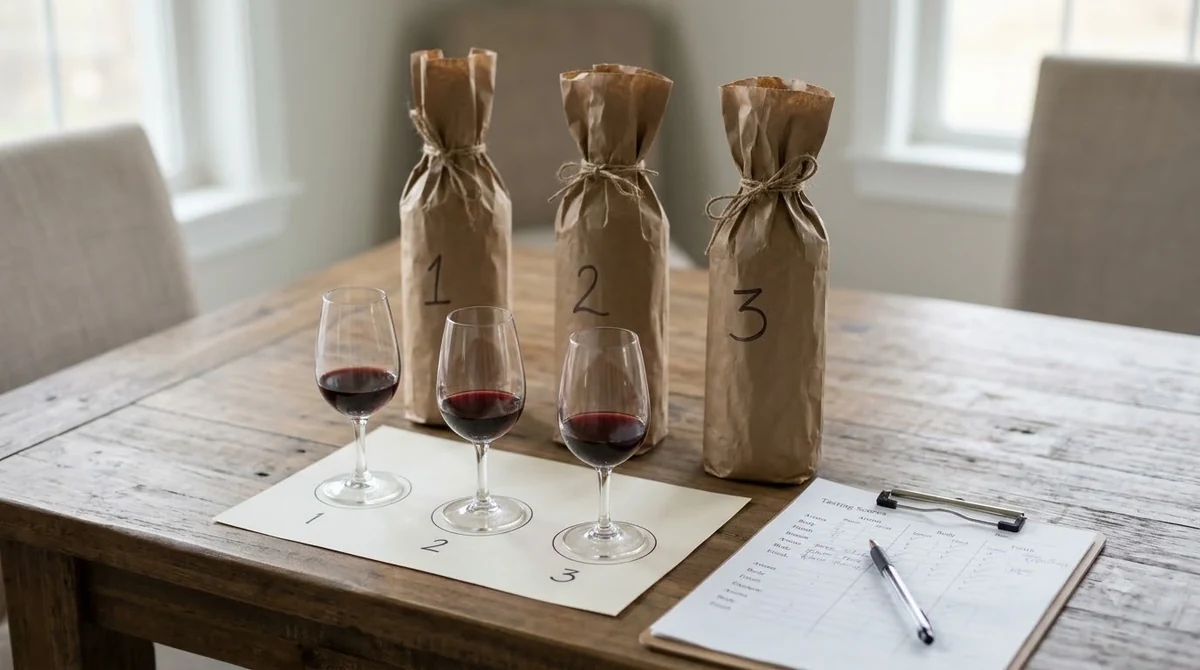
On the nose and palate, K Vintners Syrahs lean toward Old World Northern Rhône complexity. Instead of simple candied berry flavors, tasters frequently note blackberry, black cherry, cured meat, crushed rock, lavender, wet earth, and black pepper. Whole-cluster fermentation and native yeasts contribute an earthy, saline, and herbaceous edge that sets these wines apart from sweeter, fruit-bomb styles like apothic brew.
The Cabernet Sauvignon-Syrah blends deliver a broader mid-palate, layering cassis, plum, tobacco, and graphite over firm, chalky tannins. Meanwhile, Powerline Viognier offers rich notes of apricot, peach, and mango while maintaining a dry, focused finish. Because these wines prioritize tannic backbone and mineral tension, young vintages often benefit from decanting or several years of cellar rest.
How to Serve, Store, and Pair
Serve K Vintners red wines slightly below room temperature, ideally between 60°F and 65°F, in large-bowled Bordeaux or Syrah glasses that allow complex savory aromatics to open up. For Powerline Viognier, chill the bottle to roughly 50°F to 55°F so its stone-fruit richness remains crisp rather than heavy.
Because K Vintners bottles unfiltered or minimally processed, whole-cluster reds with substantial tannin, decanting young releases for one to two hours before pouring softens their grip and releases secondary notes of smoke, garrigue, and dark fruit. Collectors looking to age top cuvées like Royal City, The Hidden, or King Coal can cellar properly stored bottles at 55°F for a decade or longer, as critics routinely note their ten-year aging window.
Tip: If you open a young K Vintners Syrah within three years of its vintage date, pour it into a wide decanter at least 90 minutes before dinner to let the savory, peppery aromatics unfurl.
At the dining table, the savory, gamey, and peppery profile of these wines calls for richly seasoned, high-protein dishes. Grilled ribeye, braised lamb shanks, smoked brisket, venison, and roasted duck mirror the meaty undertones of Washington Syrah. Vegetarians can pair these bottles with charred portobello mushrooms, lentil ragù, or aged hard cheeses like Comté and Manchego. If your cellar leans toward softer everyday reds like main and vine wine or classic Italian styles such as zenato wine, reserving K Vintners for hearty roasted meats creates an immediate step up in intensity and structure.
Who K Vintners Suits Best
K Vintners is tailor-made for wine drinkers who appreciate bold, savory reds with unmistakable regional character and authentic winemaking craftsmanship. Fans of Northern Rhône Syrah—such as Côte-Rôtie or Cornas—will recognize the smoky, floral, and mineral traits in bottles like The Beautiful and Royal City, paired with Washington State’s ripe dark fruit.
It also appeals to collectors seeking cellar-worthy American wines outside Napa Valley. With single-vineyard releases that routinely earn 94- to 99-point scores from major wine publications, the lineup rewards enthusiasts who enjoy tracking how different vineyard elevations, basalt soils, and microclimates shape the exact same grape variety across a single vintage. Conversely, drinkers who prefer light-bodied, low-tannin, or off-dry reds will likely find K Vintners too intense and earthy for casual sipping.
Frequently Asked Questions
Is K Vintners owned by Constellation Brands?
No. While founder Charles Smith sold five high-volume labels—including Kung Fu Girl Riesling and Velvet Devil Merlot—to Constellation Brands in 2016, he retained K Vintners. K Vintners remains part of his independent House of Smith portfolio alongside SIXTO, CasaSmith, and Wines of Substance.
What grape is K Vintners best known for?
K Vintners is best known for single-vineyard Syrah grown across Washington State. Charles Smith launched the winery in 1999 with 330 cases of Walla Walla Syrah, and single-vineyard Syrahs like Royal City, The Beautiful, and Motor City Kitty remain the core of the lineup.
Where is K Vintners located and can you visit?
The original K Vintners winery is located at 820 Mill Creek Road at the base of the Blue Mountains in Walla Walla, Washington, where it operates seasonally. Visitors can also taste K Vintners wines year-round at the downtown House of Smith tasting room in Walla Walla or at House of Smith Jet City in Seattle’s Georgetown neighborhood.
Do K Vintners wines need to be aged before drinking?
While you can enjoy K Vintners wines upon release with proper decanting, most single-vineyard Syrahs and Cabernet-Syrah blends are built to age. Critics routinely recommend cellaring top bottlings for two to four years after release, with prime drinking windows extending ten years or more.
From its humble 330-case debut in Walla Walla to its standing as a benchmark for Pacific Northwest Rhône varieties, K Vintners wine showcases what happens when Washington vineyards are farmed with precision and fermented with minimal intervention. Whether you are exploring single-vineyard Syrah for the first time or adding structured Washington blends to your cellar, these bottles offer a distinctly savory expression of American winemaking.
More in Wine Brands
 Underwood Wine Price: Compare Bottles, Cans, and Pack SizesUpdated Nov 21, 2026
 Zenato Wine Price: Compare Styles and Choose the Right BottleUpdated Nov 21, 2026
 Zuccardi Wine Price: Compare Bottles and Find the Right RangeUpdated Nov 21, 2026
 Yellow Tail Moscato Review: Taste, Sweetness and Serving TipsUpdated Nov 21, 2026
 Wolf Blass Yellow Label Review: Choose Your Best StyleUpdated Nov 21, 2026
 Wolffer Estate Rose Review: Choose the Right Bottle for Your TableUpdated Nov 21, 2026