

We may earn a commission when you buy through links on this page, at no extra cost to you. Learn more.
Substance wine is a line of Washington State bottles made by Charles Smith, and its flagship red is a 100% Cabernet Sauvignon from the Columbia Valley. The wine combines fruit from two contrasting vineyards. Producers and retailers describe it as full-bodied, with cassis, dark fruit and savory notes, plus firm tannins that suit a rich meal. It is a bold, structured red for buyers who like big flavor.
This guide explains what the Substance bottles are, who makes them, and what the Cabernet tastes like. It also covers serving, food pairings and how to think about value. The details come from producer descriptions and retailer listings, so check the label on the bottle you find.
What Is Substance Wine?
Substance is a wine brand, and its best-known bottle is a Cabernet Sauvignon. The brand sits within the wider Wines of Substance range from Charles Smith, a Washington winemaker. Retailers list the 2022 vintage as a red wine with an alcohol level of 14 percent, which is typical for a full-bodied Cabernet.
Many shoppers search for substance wine because they see it on restaurant lists or retail shelves and want to know if it is a safe pick. The short answer is that it is a serious, varietal Cabernet with a clear house style. It is not a sweet, easy-drinking wine, so it suits people who already enjoy red wines with structure.
If you are new to Washington reds, it helps to know that the state’s Cabernets often show ripe fruit and a firm frame. Substance follows that pattern. The bottle is designed for dinner rather than casual sipping, and it rewards a little time in the glass before you judge it.
Who Makes Substance Wine and Where the Grapes Grow
Substance is made by Charles Smith, whom producer materials describe as a self-taught winemaker. One retailer note says he moved from managing a rock band into the wine business. His brands are known for bold styles and a modern approach, and Substance is one of several labels he runs.
The Cabernet is labeled as coming from the Columbia Valley in Washington. According to the Wines of Substance Cabernet Sauvignon product page at Surdyks, the blend draws on two vineyards. Goose Ridge is described as warm and dry, producing ripe, rich grapes. Frenchman Hills is described as cooler, higher in elevation and rockier, with fruit that keeps more acidity.
That contrast matters because it explains the wine’s structure. Warm-site fruit adds richness and body, while cooler-site fruit adds freshness and tension. Winemakers use both to build a red that is generous but not heavy. Buyers who want to learn more about the region can browse the Wine Brands section for context on how producers shape their styles.
Grapes, Vineyards and Blend Styles
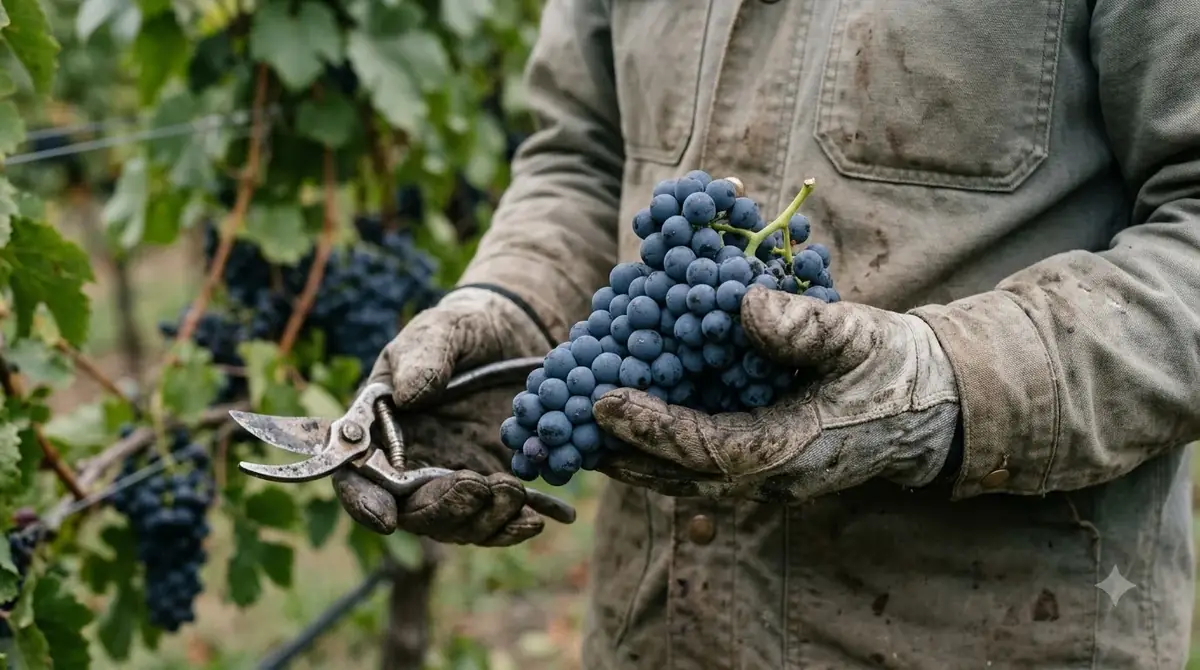
The Cabernet Sauvignon in the Substance line is a single-grape wine. Producer materials say it is 100% Cabernet Sauvignon, so the flavor comes from one variety rather than a mix. That makes it a useful bottle for learning what Cabernet tastes like in a warm, modern Washington style.
Cabernet Sauvignon is known for thick skins, deep color and firm tannins. In this wine, those traits show up as a grippy finish that softens as the bottle opens. The vineyard mix of ripe and cooler fruit helps the wine avoid a flat, overcooked profile, which is a common complaint with warmer regions.
Substance is not the only Charles Smith bottle. Retail listings also show a Chardonnay under the Wines of Substance name, so the brand covers more than one grape. If you are comparing styles, remember that the red and white bottles are very different in body, acidity and serving temperature. Read the back label to confirm the grape before you buy.
Tasting Notes and Flavor Profile
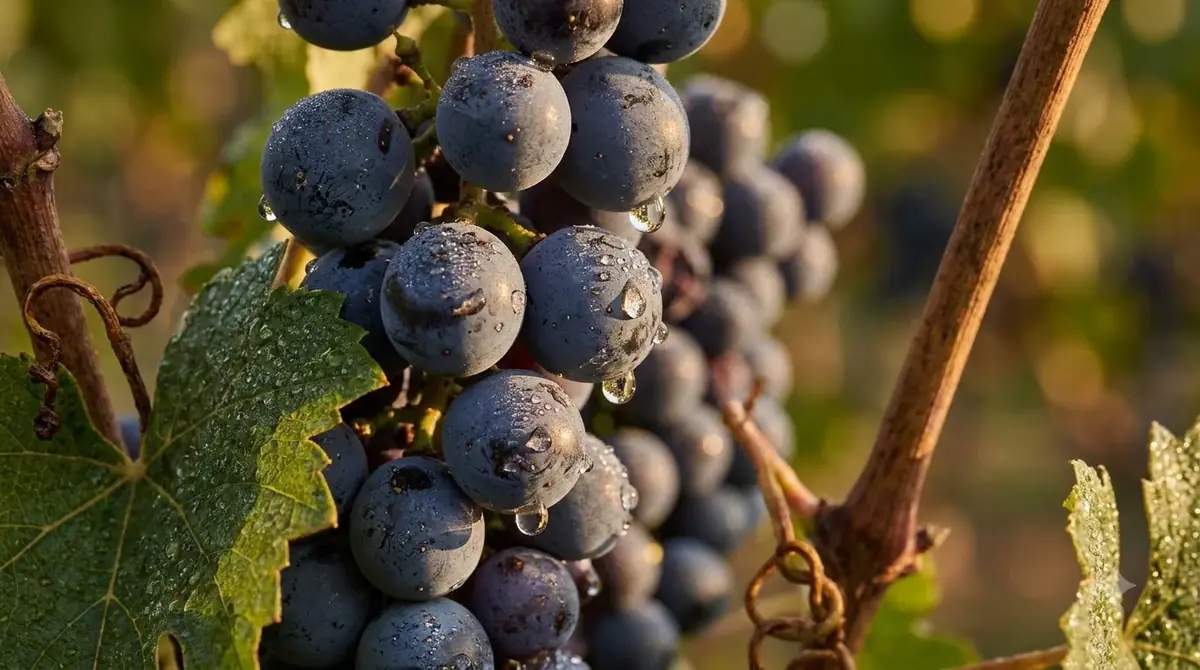
Tasting notes for substance wine point to dark fruit, spice and a savory edge. Retailers describe the 2022 vintage with aromas of black cherry, cassis and black currant. On the palate, the wine is listed with dark chocolate, espresso and a hint of vanilla, which suggests oak influence.
Producer notes for the same wine add blueberry, plum and spice, along with tobacco, earth and mineral notes. Those descriptions are not contradictory, since different vintages and tasters pick up different layers. What they share is a dark, concentrated profile with a long finish. Expect more fruit on the nose and more structure on the palate.
The table below summarizes the main points reported by the sources. Treat these as guidance, not a guarantee, because each vintage can taste a little different.
| Feature | What sources report |
|---|---|
| Grape | 100% Cabernet Sauvignon |
| Region | Columbia Valley, Washington |
| Alcohol (2022) | 14% ABV, as listed by a retailer |
| Aromas | Black cherry, cassis, black currant, blueberry, plum |
| Palate | Dark chocolate, espresso, vanilla, tobacco, earth |
| Body and tannins | Full-bodied with firm, smooth tannins |
| Critic note | James Suckling rated one listed vintage 92 points |
Some reviewers on retail sites say the wine is good but not extraordinary for its category. Others praise its perfume and balance. Those mixed views are common for widely distributed bottles, so it helps to read more than one source before you decide.
Serving, Storage and Food Pairings
Serve substance wine at a cool room temperature rather than warm, since warmth can make a full-bodied red taste hot and heavy. Open the bottle about 30 minutes before pouring, or decant it if you want the tannins to soften. Use a large glass so the aromas have room to open.
Producer and retailer notes both suggest the wine pairs with grilled steak or ribs. Hearty stews, roasted vegetables and aged cheeses are also sensible choices. The firm tannins cut through fat and smoke, while the dark fruit complements barbecue sauces and roasted meats.
For storage, keep unopened bottles in a cool, dark place away from heat. The wine is labeled as suitable to drink now or to hold, so some bottles may improve with a few years of cellaring. Check your bottle’s date and the current recommendations from the producer or retailer before you decide to age it.
Tip: If you have leftover red, reseal it tightly and refrigerate it for a day or two. Let it warm slightly before serving so the flavors come back into balance.
Buying Substance Wine: Prices and Value
Substance wine is widely sold, but prices change by retailer, state and season, so check current listings before you buy. Some retailers offer case discounts for larger orders, which can make a single bottle cheaper per unit. Stock also changes quickly, and as of Nov 2026 some listings showed limited or out-of-stock status.
To judge value, compare the bottle with other full-bodied Washington Cabernets in the same range. Look at the grape, the region, the alcohol level and the critic scores that retailers display. A bottle that matches your taste for dark fruit and firm structure is worth more to you than one that looks impressive but tastes thin.
The Charles Smith Cabernet listing at ZYN shows how retailers present stock levels and in-store availability. Read those notes carefully, since online availability and pickup timing can differ. If you want a similar style at a different price point, a shop assistant can suggest other Washington Cabernets that fit your budget.
Frequently Asked Questions
Is substance wine a Cabernet Sauvignon?
Yes, the flagship bottle is 100% Cabernet Sauvignon from the Columbia Valley in Washington. Always check the label, because the Wines of Substance range also includes other varieties such as Chardonnay.
What does substance wine taste like?
Retailers describe black cherry, cassis and black currant on the nose, with dark chocolate, espresso and a hint of vanilla on the palate. The wine is full-bodied, with firm, smooth tannins and a long finish.
What food goes well with substance wine?
Grilled steak and ribs are the pairings most often suggested by producers. Hearty stews, roasted vegetables and aged cheeses also work well. The tannins help balance rich, fatty foods and smoky barbecue.
Can I age substance wine?
Some listings say the wine can be enjoyed now or held for a period. Check the producer’s guidance and your bottle’s vintage before you decide to age it. Store bottles in a cool, dark place away from heat and light.
Substance wine is a good choice if you want a bold Washington Cabernet with clear dark fruit and firm structure. Compare the vintage, check current availability and try it with a rich meal. If you are exploring more brands, the Ariel wine and 14 hands hot to trot wine pages offer other styles to compare.
More in Wine Brands
 Underwood Wine Price: Compare Bottles, Cans, and Pack SizesUpdated Nov 21, 2026
 Zenato Wine Price: Compare Styles and Choose the Right BottleUpdated Nov 21, 2026
 Zuccardi Wine Price: Compare Bottles and Find the Right RangeUpdated Nov 21, 2026
 Yellow Tail Moscato Review: Taste, Sweetness and Serving TipsUpdated Nov 21, 2026
 Wolf Blass Yellow Label Review: Choose Your Best StyleUpdated Nov 21, 2026
 Wolffer Estate Rose Review: Choose the Right Bottle for Your TableUpdated Nov 21, 2026