

We may earn a commission when you buy through links on this page, at no extra cost to you. Learn more.
Unshackled Red Wine is a California red blend from The Prisoner Wine Company, made with six grape varieties and shaped around ripe fruit, soft texture, and lively acidity. The 2023 bottling combines Zinfandel, Malbec, Syrah, Petite Sirah, Grenache, and Cabernet Sauvignon. Expect cherry, plum, raspberry, and warm spice notes, with a 15% alcohol level that makes sensible serving temperature and food choices especially useful.
Unshackled is a label within The Prisoner Wine Company portfolio, but the red blend is not simply a smaller version of The Prisoner’s namesake wine. Its own recipe and California appellation give it a distinct identity. This guide explains what the 2023 blend contains, how its aromas and structure tend to come across, how to serve it, and which dishes make the most of its fruit-forward style.
What Is Unshackled Red Wine?
Unshackled Red Wine is a multi-grape California blend rather than a Cabernet Sauvignon or Zinfandel bottling. The producer’s 2023 release is labeled California, comes in a 750-milliliter bottle, and lists 15% alcohol by volume.
The name belongs to the Unshackled range from The Prisoner Wine Company. In a VinePair interview, the company’s director of winemaking, Chrissy Wittman, described Unshackled as a way to make approachable, full-flavored wines under a label connected with The Prisoner. That context helps explain the wine’s accessible direction: it is built around an expressive, generous profile rather than a narrow, highly austere style.
The category matters, too. A red blend combines juice from more than one red grape variety, and there is no single universal formula for one. As Liquor.com explains in its overview of how red blends are made and how their styles vary, a wine’s character depends on the grape mix and the winemaking choices. Unshackled’s 2023 recipe brings together six varieties that contribute different fruit, structure, and aromatic qualities.
The Six Grapes in the 2023 Blend
The 2023 Unshackled Red Blend lists Zinfandel, Malbec, Syrah, Petite Sirah, Grenache, and Cabernet Sauvignon. The producer identifies six varieties in the 2023 blend.
That mix gives the winemaker more than one way to shape the final wine. Zinfandel and Grenache are often associated with ripe berry and cherry flavors, while Malbec commonly brings dark-fruit character. Syrah can contribute savory spice and darker fruit, Petite Sirah is known for substantial color and tannic structure, and Cabernet Sauvignon can add firm structure and black-fruit depth. These are familiar tendencies of the grapes, not a claim that one ingredient dominates this particular bottle.
The blend is useful to understand as a whole instead of trying to taste each grape separately. A glass will not present six neat flavor compartments. Rather, the fruit, spice, acidity, and tannin overlap, with the proportions and cellar work determining how clearly any one element stands out. That is one of the reasons red blends can offer a more layered profile than a simple list of grape names might suggest.
| 2023 bottle detail | Published information |
|---|---|
| Appellation | California |
| Vintage | 2023 |
| Bottle format | 750 ml |
| Alcohol by volume | 15.0% |
| Number of listed grape varieties | 6 |
| Grapes | Zinfandel, Malbec, Syrah, Petite Sirah, Grenache, Cabernet Sauvignon |
Use the vintage when researching the recipe. An older Unshackled release should not automatically be assumed to share the same grapes or proportions as the 2023 blend. The published 2023 information is specific about the six varieties, but its tasting identity is best understood through the combined fruit, structure, and spice rather than by trying to assign one aroma to a single grape.
Tasting Notes, Body, and Texture
The producer describes the 2023 wine with red cherry, plum, raspberry compote, and subtle brown spice, alongside a softer, round palate and lively acidity. Its aromatic profile also includes strawberry jam, prunes, and hints of vanilla.
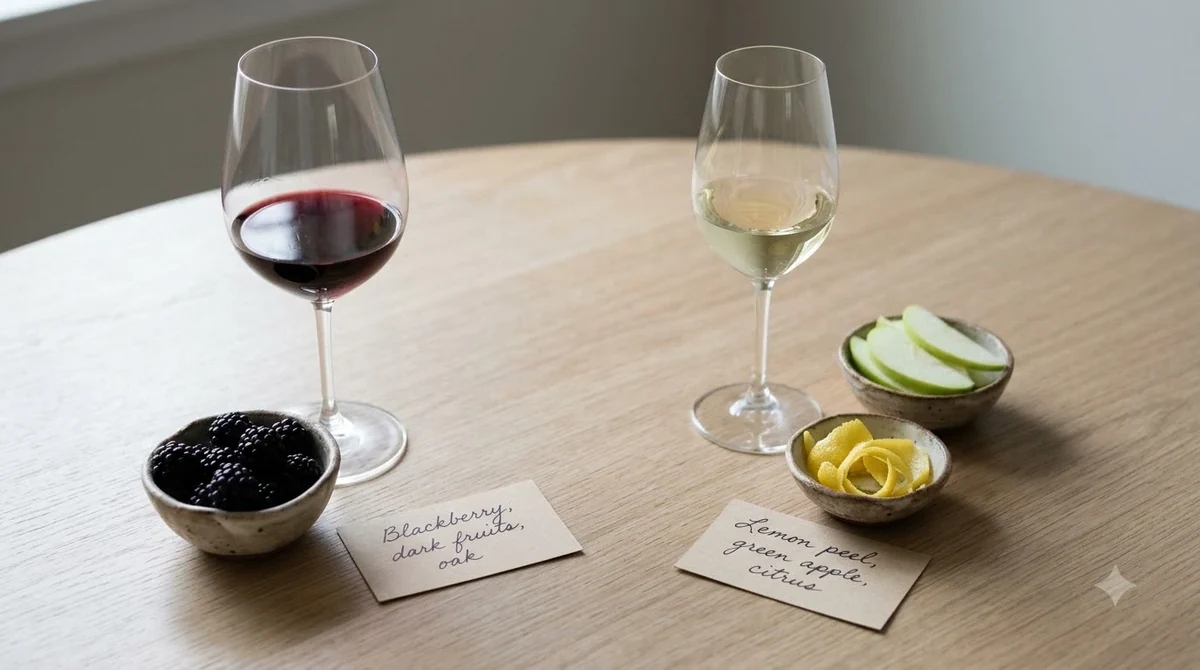
Those notes point toward ripe, fruit-led red wine rather than a lean, sharply herbal style. Strawberry jam and raspberry compote suggest concentrated red-fruit aromas; plum and prune move the impression toward darker, richer fruit. Vanilla and brown spice add a warmer impression, while the listed acidity helps keep the fruit from seeming entirely heavy. The description is a useful guide, not a promise that every taster will identify every note in the same order.
Independent tasting provides another angle. Wine Enthusiast’s 2023 review describes plum and elderberry aromas with damp violet, followed by earthy flavors that include chaparral, crushed rock, and dark red fruit. Those savory details add dimension to the producer’s more fruit-centered description; they suggest the wine may show more than jammy sweetness in the glass.
It is also important to separate fruitiness from sweetness. Ripe fruit aromas can make a dry wine smell generous, but they do not by themselves establish that the wine contains noticeable residual sugar. The published producer notes emphasize fruit, spice, and acidity rather than a sweetness category. In practical terms, approach it as a dry-style red for savory food, not as a sweet red intended to replace dessert wine.
How to Serve and Store the Wine
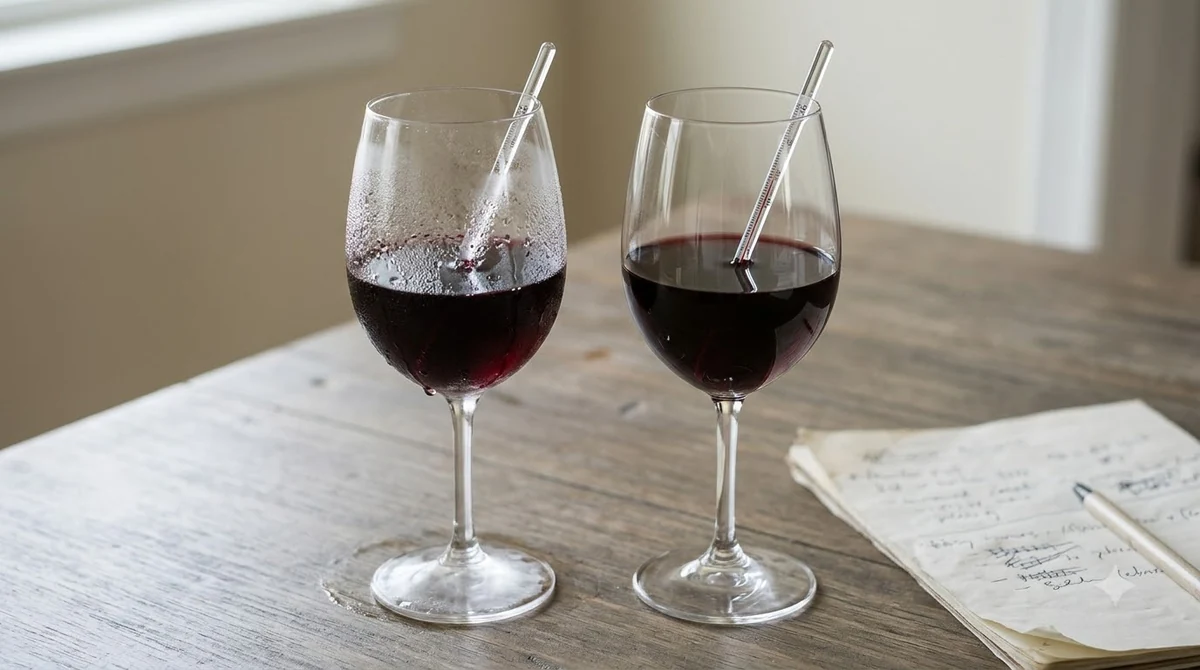
Serve this blend slightly cool rather than warm, with a target of about 60–65°F for a fuller-bodied red. The 15% ABV listed for the 2023 bottling can make warmth in the alcohol more noticeable, so a brief chill helps the fruit, acidity, and texture feel more balanced.
A practical approach is to place the bottle in the refrigerator for around 20–30 minutes before opening, then pour a small taste and allow the wine to warm in the glass if it seems muted. Avoid serving it straight from a warm kitchen or beside a hot oven. If the bottle has become too cold, give it 10 minutes at room temperature and taste again. Temperature changes the way aroma and alcohol register, so small adjustments are more useful than treating a serving number as an inflexible rule.
Use a standard five-ounce pour as a reference. A 750 ml bottle holds about five such glasses, which makes it straightforward to plan a dinner for four while allowing a little extra for a second taste. For a young red with a generous structure, opening it 30–60 minutes before dinner can give it time to breathe; decanting is optional rather than a requirement. If the wine seems closed at first, let it sit in the glass for several minutes before deciding that it lacks aroma.
Tip: Chill the 750 ml bottle briefly, then serve near 60–65°F. If the alcohol feels prominent on the first sip, give the wine another 5–10 minutes in the glass before serving the next pour.
After opening, close the bottle with its original cork or a reusable stopper and refrigerate it. For still red wine, a practical window is about three to five days, although the fruit and freshness may fade gradually after the first day. Bring the remaining wine back toward serving temperature before pouring. For longer storage, keep an unopened bottle on its side in a cool, dark place near 55°F, away from sunlight, vibration, and large temperature swings.
Food Pairings for a Fruit-Forward Red Blend
Pair Unshackled with savory dishes that have enough flavor and richness to meet its ripe fruit and 15% alcohol. Grilled burgers, tomato-based pasta, barbecue pork, roasted mushrooms, and firm cheeses are useful starting points because their savory, smoky, or umami qualities can complement the wine’s cherry, plum, and spice profile.
For a straightforward dinner, try a cheeseburger with caramelized onions, grilled sausages with peppers, or meatballs in a tomato sauce. The wine’s fruit can sit comfortably alongside browned meat and roasted flavors, while acidity gives the palate a fresher impression between bites. With tomato-based food, keep the sauce savory rather than intensely sweet; acidity in the food needs wine with equal or higher acidity to avoid making the wine seem flat. The producer describes the 2023 bottling as lively in acidity, making tomato sauce a reasonable option when the seasoning is balanced.
Barbecue works best when the sauce is not dramatically sweeter than the wine. Smoked pork shoulder, dry-rubbed ribs, grilled flank steak, and charred chicken offer spice and savory depth without requiring a sugary glaze. If the dish uses a sweet barbecue sauce, choose a version with restrained sugar or add a sharp element such as vinegar slaw. The general pairing principle is to serve wine at least as sweet as the dessert or sweet component; an intensely sweet sauce can make a dry red taste harder and more acidic.
Vegetarian dishes can work just as well. Try grilled portobello mushrooms, lentil-and-tomato stew, eggplant Parmesan, or a roasted red pepper and mushroom pizza. Browning gives vegetables a savory edge that helps them stand up to a red blend, and tomato or pepper ingredients connect naturally with the wine’s red-fruit character. Aged cheddar, Gouda, and other firm cheeses are also good options because salt and fat can soften the perception of tannin. There are a few pairings to approach with care: very spicy chili can make a wine with 15% alcohol feel hotter, and tannin can intensify that sensation, so keep chile heat moderate or choose a lower-alcohol wine for a fiery dish. Oily fish such as salmon or mackerel is usually a tougher match for tannic reds; a crisp white or lighter red is often more successful, while delicate seafood and raw fish may be overwhelmed by this blend’s ripe fruit and alcohol.
How It Fits Among Other Red Blends
Unshackled sits in the broad California red-blend category, where producers can combine varieties to pursue a house style rather than follow one fixed regional recipe. Its six-grape 2023 blend is more varied than a single-variety Cabernet Sauvignon, and its fruit-forward notes make it approachable alongside casual meals.
Do not confuse the name with The Prisoner’s flagship red blend. The labels are related through The Prisoner Wine Company, but they have separate identities and published blend descriptions. In the 2023 Unshackled listing, the grapes are Zinfandel, Malbec, Syrah, Petite Sirah, Grenache, and Cabernet Sauvignon. The producer describes The Prisoner red blend with a different combination that includes Zinfandel, Cabernet Sauvignon, Petite Sirah, Syrah, and Charbono. Those distinct recipes are a reminder that the word “blend” does not identify a single style.
It can be useful to compare Unshackled with other branded wines by style rather than assuming that labels with bold names taste alike. For an Italian producer-focused contrast, our overview of zenato wine explains a different regional approach. Readers interested in approachable everyday blends can also compare the style notes in our coverage of main and vine wine and apothic brew. Those links are starting points for comparison, not claims that the wines share grapes, origin, or production methods.
More broadly, red blends can range from lighter and high-acid to concentrated and full-bodied. Liquor.com notes that grape selection and winemaking create that range, while familiar regional blends offer examples: Bordeaux blends often center on Cabernet Sauvignon or Merlot, Rioja commonly uses Tempranillo, and Portugal’s Douro region has its own varied blends. To explore more producers and labels, browse our wider guide to Wine Brands. The useful question is not whether a wine is a blend, but what its particular grapes, weight, acidity, and tannin make it suited to.
Frequently Asked Questions
These answers cover details that are easy to miss when comparing bottles and vintages. The exact recipe, score, and production notes should always be tied to a named release rather than generalized across every Unshackled red.
What score did the 2023 Unshackled Red Blend receive?
Wine Enthusiast rated the 2023 California Red Blend 90 points. The review was written by Matt Kettmann and appeared in the publication’s buying guide. Wine Enthusiast says its reviews are based on blind tastings, generally arranged in peer groups of five to eight wines.
Did an earlier Unshackled vintage use the same grapes?
Not necessarily. A Wine.com listing for the 2018 bottling names Zinfandel, Malbec, Petite Sirah, Syrah, and Grenache, while the producer’s 2023 listing adds Cabernet Sauvignon to its six-grape description. The 2018 listing also says that wine was aged for 10 months in French and American oak, a detail that should not be assumed for the 2023 release.
Does the producer publish the percentage of each grape?
The public 2023 product description names six grape varieties but does not state their individual percentages. That means a reader can identify the components but cannot reliably rank them by proportion from the published description alone. A precise percentage breakdown should not be inferred from the order in which the grapes are listed.
Are there other wines in the Unshackled range?
Yes. The producer’s portfolio pages list separate Unshackled Cabernet Sauvignon and Pinot Noir bottlings alongside the red blend, as well as Sauvignon Blanc and sparkling wine elsewhere in the range. These are distinct wines, so the red blend’s six-grape formula does not describe the Cabernet or Pinot Noir.
Does The Prisoner use the same grape proportions in every vintage?
In a VinePair interview, Chrissy Wittman explained that the varietal proportions in The Prisoner flagship could shift by a few percentage points from vintage to vintage to preserve consistency. She also described harvesting varieties at different ripeness levels and making bench blends after the wines have aged. Those comments concerned The Prisoner red blend, not a published formula for Unshackled.
Unshackled’s 2023 Red Blend is best approached as a ripe, generous California red with enough acidity to work at the table. Serve it slightly cool, pair it with savory rather than very sweet food, and use the vintage-specific grape list when comparing it with other bottles in the range.
More in Wine Brands
 Underwood Wine Price: Compare Bottles, Cans, and Pack SizesUpdated Nov 21, 2026
 Zenato Wine Price: Compare Styles and Choose the Right BottleUpdated Nov 21, 2026
 Zuccardi Wine Price: Compare Bottles and Find the Right RangeUpdated Nov 21, 2026
 Yellow Tail Moscato Review: Taste, Sweetness and Serving TipsUpdated Nov 21, 2026
 Wolf Blass Yellow Label Review: Choose Your Best StyleUpdated Nov 21, 2026
 Wolffer Estate Rose Review: Choose the Right Bottle for Your TableUpdated Nov 21, 2026