

We may earn a commission when you buy through links on this page, at no extra cost to you. Learn more.
Prisoner wine comes from The Prisoner Wine Company, a Napa Valley brand created in 2000 by winemaker Dave Phinney. Its best-known bottle is a red blend led by Zinfandel, and the label features a Goya etching that gave the wine its name. The brand later grew into a national name and is now part of Constellation Brands, so you will find its bottles in many wine shops and restaurants.
Prisoner is one of the more talked-about red blends on the American market, and the name gets searched often by people who have seen the bottle but want to know what is inside it. This guide covers the brand’s origins, its main blends, how the wine is usually described and how to serve it.
Where Prisoner wine comes from
The Prisoner Wine Company was founded in 2000 by Dave Phinney, who began with a small first vintage and a Zinfandel-led red blend. According to the account in a VinePair history of the brand, Phinney found the image for the label in an art book, a Goya etching from 1820 called “The Little Prisoner,” and the name and artwork stuck. The bottle became known for its distinctive look as much as for what was inside it.
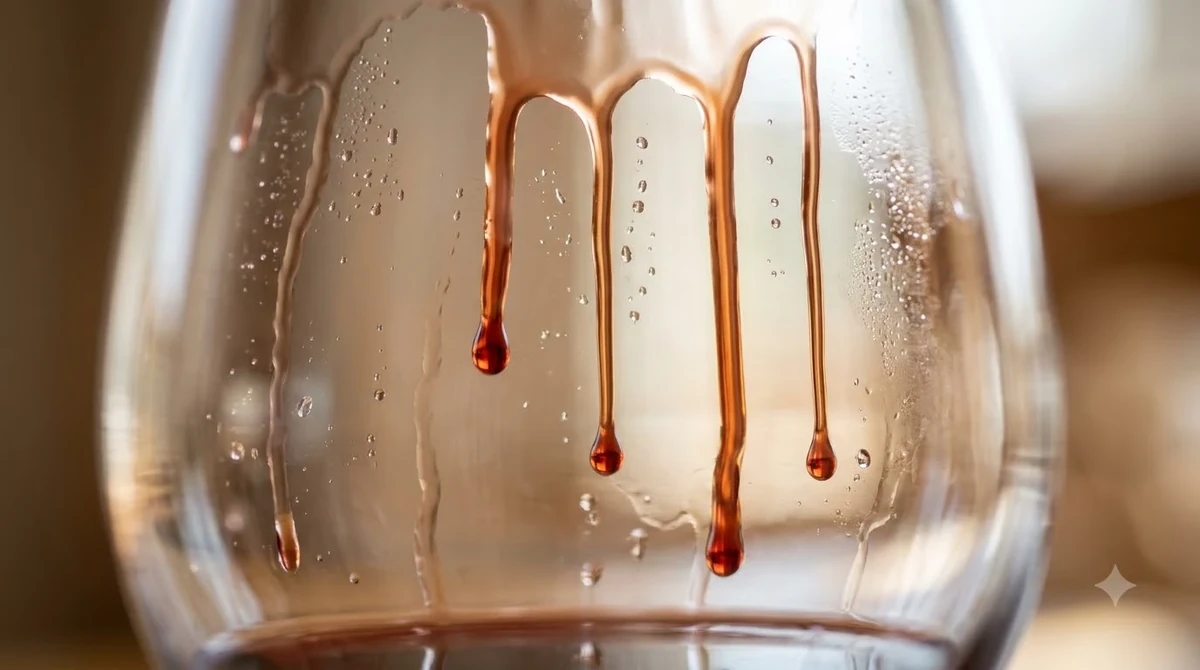
Phinney’s early career was built around Napa Valley fruit, and that regional focus still defines the brand. Napa Valley is known for warm days and cool nights, which let grapes ripen fully while keeping enough acidity for balance. For a Zinfandel-led blend, that climate helps produce the ripe, generous fruit that the brand is known for.
Growth came quickly. The brand expanded from a small release into a much larger national label, and Phinney later sold The Prisoner to other owners while he continued with his own projects. The brand is now one of many labels owned by Constellation Brands, which is why it is widely distributed.
Wider distribution has a practical benefit for shoppers. A familiar bottle is easy to find in most regions, and its consistent house style means that a second purchase will usually taste close to the first. For hosts who want a red that most guests will recognize, that predictability is a real advantage.
| Detail | What to know |
|---|---|
| Founded | 2000, Napa Valley, California |
| Founder | Dave Phinney, winemaker |
| Signature wine | The Prisoner, a Zinfandel-led red blend |
| Current owner | Constellation Brands |
The Prisoner red blend and its style
The Prisoner is a blend rather than a single-varietal wine, so the exact mix of grapes can change from vintage to vintage. Zinfandel gives the wine its ripe, jammy fruit, while other red varieties add structure and depth. Bottles are usually described as rich and full-bodied, with dark fruit, spice and a soft finish.
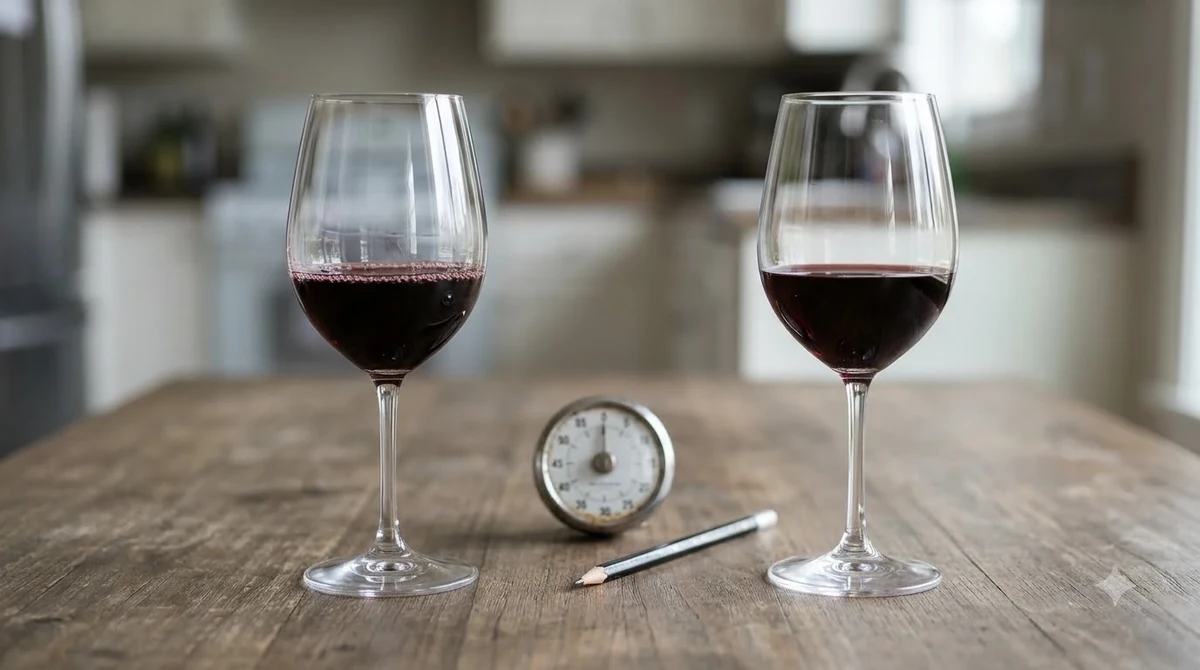
Because the blend is designed to show a consistent house style, most drinkers will find the same general character from one bottle to the next. The label and the producer’s current technical information will tell you the grapes and vintage in your bottle.
Blends are useful for winemakers who want to combine the strengths of several varieties. Zinfandel offers fruit and body, while other red grapes can add color, tannin and length on the palate. When the blend is well balanced, no single grape dominates, and the wine reads as one coherent style from the first sip to the finish.
Other Prisoner bottlings to know
The brand has expanded beyond its original red. Newer bottlings include Dérangé, a red blend, and Blindfold, a white blend, which give shoppers a choice for lighter meals or different preferences. Each bottle has its own profile, so it helps to read the label before you assume the red and white share a style.
Phinney’s other wines, including those under his Orin Swift label, are separate brands. If you see a name similar to Prisoner on a shelf, check the producer on the label to make sure you are comparing the right wine.
Reading the back label is the quickest way to confirm what you have. Look for the producer name, the vintage, the appellation and the grape list if it is printed. Bottlings change over time, so a name you remember from an older vintage may now be a different blend, and the current label is the reliable guide.
| Bottling | Style | Good with |
|---|---|---|
| The Prisoner | Full-bodied red blend, Zinfandel-led | Grilled meats, hearty pasta, burgers |
| Dérangé | Red blend | Roast dishes, mushrooms, aged cheeses |
| Blindfold | White blend | Seafood, roast chicken, lighter pasta |
How to serve Prisoner red
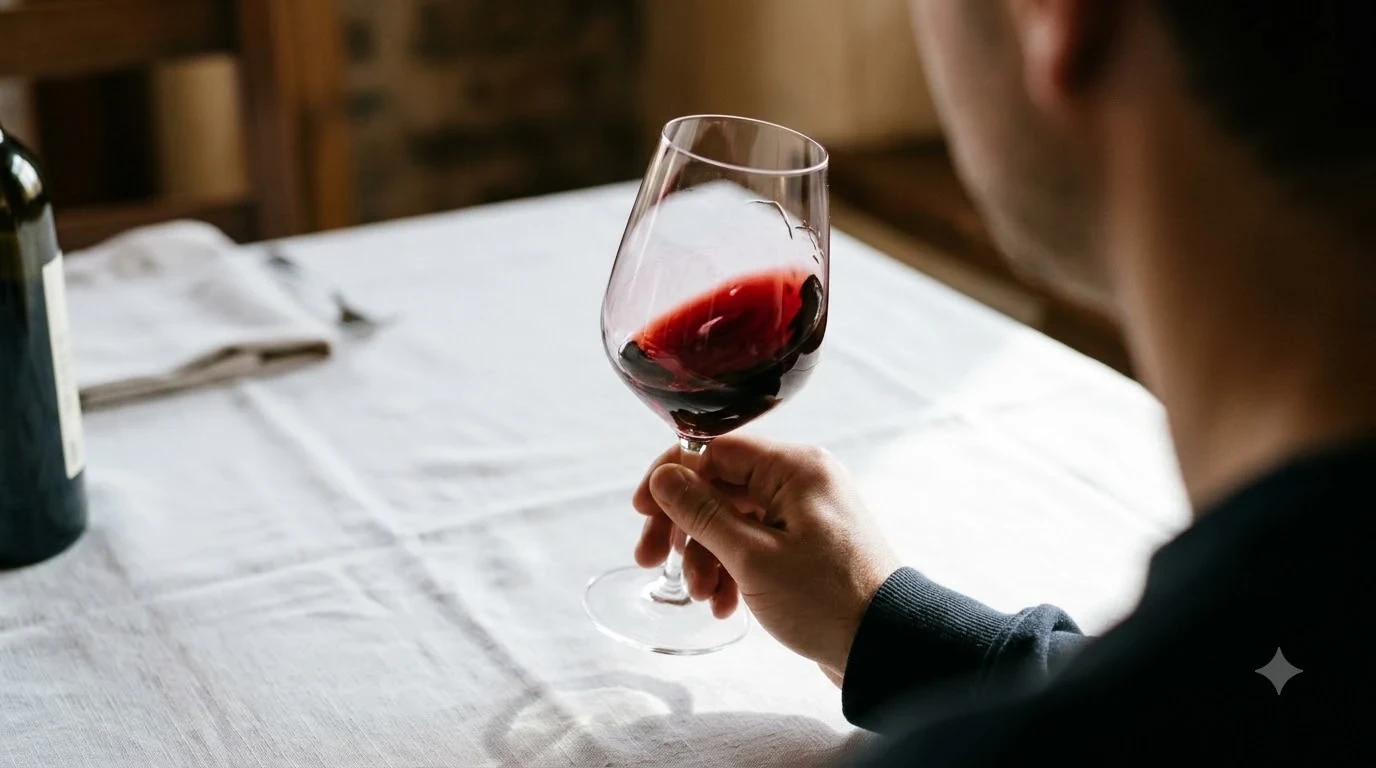
Serve the red slightly cooler than room temperature, and let it sit in the glass for a few minutes so the fruit and spice can open up. A large glass gives the wine room to show its aromas, and a short decant can soften a young bottle that tastes tight.
Full-bodied reds like this one pair well with grilled steak, lamb, barbecue and rich tomato sauces. Their fruit and tannin can overpower delicate fish or light salads, so choose a lighter wine for those dishes.
If you plan to hold a bottle for a few years, store it on its side in a cool, steady place, away from kitchen heat. Most bottles of this style are meant to be enjoyed within a few years of release, so buy for the next few months rather than for a long cellar plan. Decanting for an hour before dinner can help a younger red show more of its fruit.
Full-bodied reds usually keep reasonably well for a day or two after opening, though the fruit fades gradually. Recork the bottle, keep it out of direct sun, and pour again after it has had a few minutes to settle in the glass.
Tip: Keep the bottle in a cool, dark place before opening. Heat and light are the main reasons a red wine tastes dull or flat before its time.
Who Prisoner suits and who may want something else
Prisoner suits drinkers who enjoy bold, fruit-forward reds and want a bottle that is easy to find at dinner parties and casual gatherings. It is a practical choice when several guests will be drinking red and you want a wine that most people already know.
Guests who usually drink white can start with a smaller pour, since a full-bodied red can feel heavy at first. Serving the bottle alongside a meal, rather than on its own, usually makes the wine easier to enjoy.
It may not suit drinkers who prefer lean, dry reds with high acidity or a restrained, savory profile. For a lighter red, look at other blends or single-varietal bottles from cooler regions. Our barefoot wine guide covers another widely sold brand, and the stella rosa wine page compares a very different style.
Frequently Asked Questions
Who makes Prisoner wine?
The Prisoner Wine Company makes Prisoner wine. It was founded in 2000 by Dave Phinney in Napa Valley and is now owned by Constellation Brands.
What grapes are in The Prisoner?
The Prisoner is a red blend with Zinfandel as its leading grape. The exact mix can change from vintage to vintage, so check the label or the producer’s information for your bottle.
Is Prisoner wine dry?
The red is generally described as dry, with ripe fruit and a full body. Dry does not mean lean, so expect a fuller mouthfeel than a light Pinot Noir or a crisp white.
What is the difference between Prisoner and Orin Swift?
Orin Swift is a separate wine label created by Dave Phinney, while The Prisoner is the brand he founded in 2000. The two produce different wines, so read the label to confirm which one you are buying.
Prisoner wine is a strong choice for anyone who wants a bold, fruit-driven red from Napa Valley with a recognizable label. Serve it cool, pair it with hearty food and check the label to know exactly which bottling you are pouring.
More in Wine Brands
 Underwood Wine Price: Compare Bottles, Cans, and Pack SizesUpdated Nov 21, 2026
 Zenato Wine Price: Compare Styles and Choose the Right BottleUpdated Nov 21, 2026
 Zuccardi Wine Price: Compare Bottles and Find the Right RangeUpdated Nov 21, 2026
 Yellow Tail Moscato Review: Taste, Sweetness and Serving TipsUpdated Nov 21, 2026
 Wolf Blass Yellow Label Review: Choose Your Best StyleUpdated Nov 21, 2026
 Wolffer Estate Rose Review: Choose the Right Bottle for Your TableUpdated Nov 21, 2026