

We may earn a commission when you buy through links on this page, at no extra cost to you. Learn more.
Kim Crawford red wine is a Marlborough Pinot Noir from New Zealand, with ripe berry and plum flavors, gentle spice, and a medium-bodied feel. It is a fruit-forward red for people who enjoy Pinot Noir with enough structure for steak, duck, and mushroom dishes without the firm grip of Cabernet Sauvignon. Serve it slightly cool, around 55–60°F, to keep the fruit lively and the texture balanced.
Kim Crawford is widely associated with New Zealand Sauvignon Blanc, so shoppers sometimes miss the label’s red option. The Pinot Noir offers a different side of Marlborough: red and dark fruit, savory accents, measured oak, and a food-friendly shape. Here is what to expect from the wine, how the regional style informs it, and how to serve it confidently.
What Kim Crawford Red Wine Means on the Shelf
For shoppers looking for a red bottle under the Kim Crawford name, the producer’s U.S. Pinot Noir product page lists a Marlborough Pinot Noir. That identification matters because “red wine” covers very different grapes and structures; this bottle is not presented as Cabernet Sauvignon or as a generic red blend.
Pinot Noir is known for red-fruit character, lively acidity, and comparatively restrained tannin. In practical terms, that usually means a more delicate grip than Cabernet Sauvignon and a less dense impression than many Syrah wines. The Kim Crawford bottling brings some darker fruit into that familiar Pinot framework, so it can feel generous without turning into a heavy, highly tannic red.
The style is useful for anyone who wants one red that can move between a casual dinner and a more carefully prepared meal. A bottle can sit comfortably beside roasted poultry, pork, duck, mushrooms, or a simple steak, while its fruit profile remains easy to recognize without a long tasting vocabulary. It is also a helpful introduction for drinkers who have mostly chosen white wines from New Zealand: the country’s identity is not limited to Sauvignon Blanc, and Pinot Noir shows how the same broad maritime setting can support a red with a different balance of fruit, acidity, and texture. When comparing bottles, start with the grape and region printed on the label, then consider whether you want lighter red-fruit notes or a darker, more structured style. Readers comparing red styles from different regions can also explore Zenato wine for an Italian point of reference, or see how a different label approaches everyday reds in our Main and Vine wine overview.
Marlborough Climate and the Pinot Noir Style
Marlborough’s combination of cool conditions, strong sunshine, relatively low rainfall, and free-draining soils helps explain the freshness and clear fruit associated with its Pinot Noir. The region can produce reds with ripe cherry and plum flavors while retaining enough acidity to keep the palate from feeling flat.
New Zealand Wine describes Marlborough Pinot Noir as mid-weight, with dark cherry, plum, a red-fruited spicy background, and fine tannins. That profile is a useful regional reference for Kim Crawford’s bottle, whose producer notes also mention plum, baking spices, forest berries, blackberry, and ripe plum. It does not mean every Marlborough Pinot tastes exactly the same: Southern Valleys, Wairau Valley, and Awatere Valley have different soils, exposures, and growing conditions.
Those differences are important when comparing New Zealand reds. Decanter’s New Zealand Pinot Noir guide characterizes Marlborough Pinot Noir as tending toward a juicy, redder fruit spectrum, while Central Otago is more associated with concentrated darker fruit and Martinborough with savory structure. These distinctions are useful when browsing a shelf: a Marlborough label points toward freshness and red-fruit lift, while another South Island region may offer a darker, firmer expression. They are broad regional tendencies, not guarantees about an individual bottle, and vintage conditions can shift ripeness and structure. The broader lesson is to read Marlborough as a region with its own range, not as one fixed flavor recipe. Kim Crawford’s product is identified as Marlborough, but the producer page does not name a specific subregion for this bottling.
Aroma, Flavor, Body, and Finish
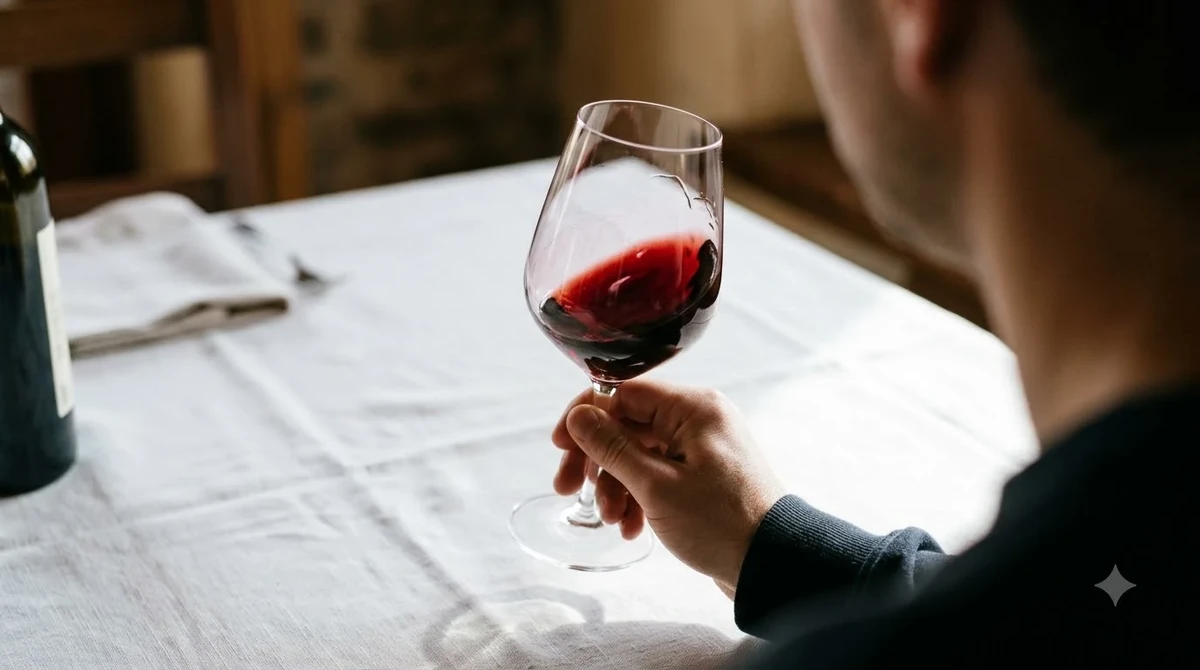
Expect a fruit-led nose with plum and berry aromas, followed by baking spice and warmer notes as the wine opens. The producer describes forest berries on the nose and blackberry pie, warm spices, and ripe plum on the palate, with rounded acidity. That combination points to a red that balances ripe fruit with enough freshness for another sip. As you smell the wine, look first for the fruit impression, then for the secondary notes that follow: baking spice may become clearer after the first few minutes in the glass, while savory or earthy hints can show as the wine warms slightly. The exact balance can vary with vintage and bottle condition, so these are useful reference points rather than a promise that every glass will show the same intensity.
Pinot Noir generally sits in the light-to-medium body range, with high acidity and low-to-medium tannin compared with bigger red varieties. Kim Crawford’s version can appear darker in fruit character than a very delicate, pale Pinot, but its grape variety still suggests a more moderate structure than a young Cabernet Sauvignon. The practical distinction is texture: expect a softer, finer tannin impression rather than a drying, mouth-coating finish. This also affects how the wine behaves alongside food. A moderate tannin level makes it less demanding with poultry and vegetables than a powerful Cabernet, while bright acidity helps it stay lively beside dishes with butter, olive oil, or a savory pan sauce. It is a red that can support a meal without needing the dish to be especially rich.
Oak contributes another layer, but it should be understood as a supporting detail rather than the entire identity of the wine. The producer’s stated method uses both barrel maturation and oak staves in tank, so the wine can gain spice and roundness while retaining its plum and berry character. Bottle age, vintage conditions, and storage can shift the balance, so one bottle may seem more fruit-forward while another shows more savory or oak-derived notes.
How the Wine Is Made: Cold Soak, Fermentation, and Oak
The producer outlines several specific steps for this Pinot Noir: the grapes are machine harvested and destemmed in the field, cold-soaked for three days, and kept on their skins for an average of 12 days. Those choices help extract color, aroma, and flavor while giving the winemaking team control over the wine’s texture.
After fermentation, the wine is pressed off the skins. Kim Crawford says part of the blend then spends eight months in oak barrels, while the remainder gets oak staves in tank during malolactic fermentation. In plain terms, the lots are handled differently before being brought together, allowing the final wine to combine barrel influence with a fresher fruit component.
These details help explain why the wine can show both ripe fruit and warm spice. Skin contact during fermentation builds the red color and contributes tannin; oak can add spice and a broader feel, while malolactic fermentation changes the wine’s acidity and mouthfeel. The producer does not publish every technical detail on the retail page, so it is better to stick to the stated steps than to assume a particular percentage of new oak, a specific barrel origin, or an exact blend composition. The term “cold soak” refers to a period before active fermentation when grape skins and juice remain together at a cool temperature. It can help draw out color and aroma without relying only on the heat and activity of fermentation. The subsequent skin-contact period and two oak treatments are separate parts of the process, each contributing to the final balance.
Serving Temperature, Glassware, and Storage
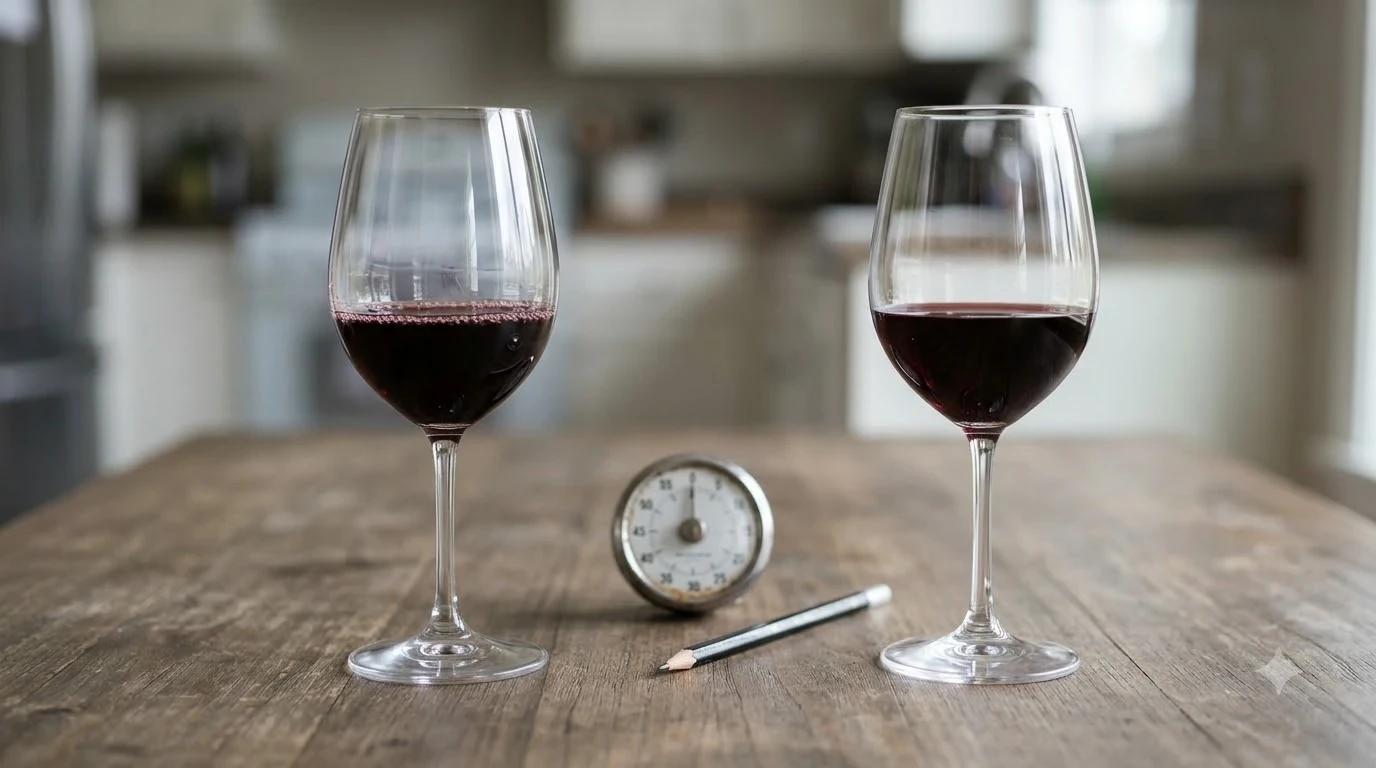
Serve this Pinot Noir at about 55–60°F, the usual range for lighter-bodied reds. A little chill helps preserve its berry and cherry character and keeps the alcohol from seeming too prominent; serving it warm can make the fruit feel heavier and the finish less refreshing.
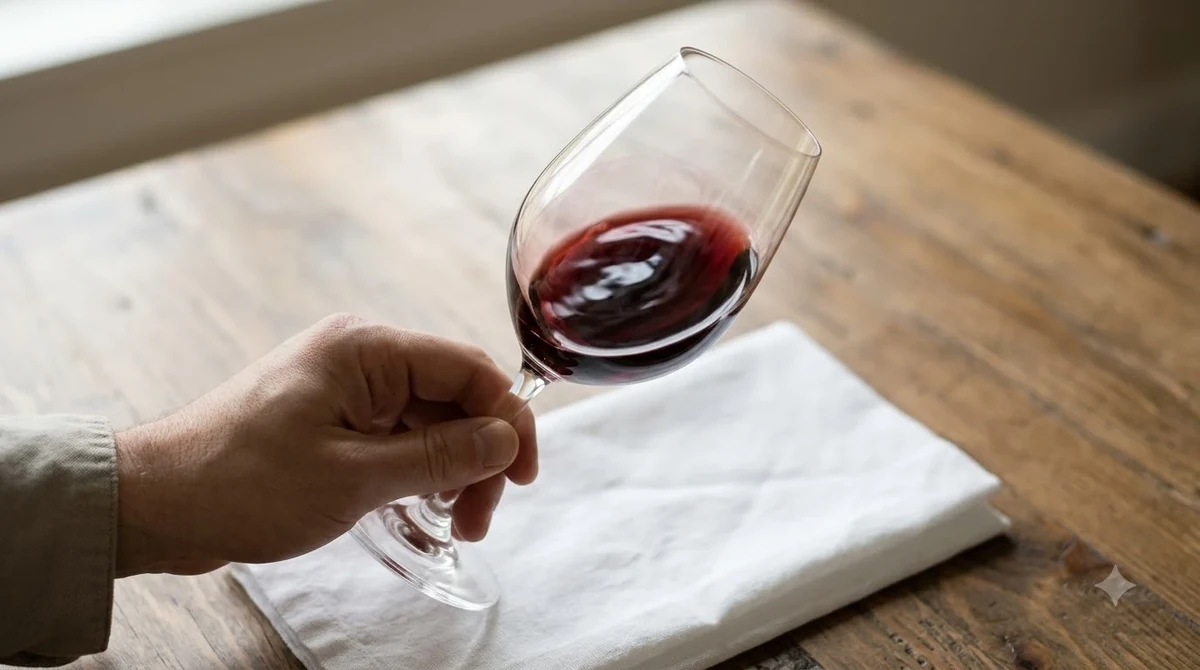
For a standard 750 ml bottle, a five-ounce pour gives approximately five glasses. Use a medium-bowled red wine glass, pour below the widest part of the bowl, and let the wine sit for a few minutes before judging its aroma. You do not need a long decant for a typical medium-bodied Pinot Noir; opening the bottle while preparing dinner and allowing the wine to breathe in the glass is usually enough. A large balloon glass is not essential, either. Choose a clean glass with a bowl wide enough to collect aromas, and avoid filling it to the rim. The open space above the wine gives you room to swirl gently and notice how fruit and spice develop as the temperature changes.
| Serving detail | Practical guide | Why it helps |
|---|---|---|
| Serving temperature | 55–60°F | Keeps red-fruit aromas bright and the finish fresh |
| Pour size | 5 oz | Leaves room in the glass to swirl and smell |
| Glasses per bottle | About 5 from 750 ml | Useful for planning a dinner table |
| Opened bottle | 3–5 days in the refrigerator | Cold storage slows oxidation; recork between pours |
| Storage before opening | Near 55°F, away from light | Steady, cool conditions limit premature aging |
Tip: If the bottle has been stored at room temperature, place it in the refrigerator for a short period before serving, then check the temperature with a wine thermometer or taste. It is easier to let a cool red warm slightly in the glass than to rescue one that is being served too warm. After opening, replace the closure and keep the bottle refrigerated; the three-to-five-day window is a guideline, not a guarantee. If fruit becomes muted, the aroma turns stale, or the finish tastes flat, the wine has likely passed its best.
Food Pairings for Weeknight Meals and Dinner Parties
Pinot Noir’s acidity and relatively gentle tannin make it flexible at the table. Kim Crawford specifically suggests roasted red meat with duck-fat potatoes, barbecued steak, fresh salads, and warm chocolate pudding with ice cream. Those suggestions show the wine’s range, but the most reliable matches are savory dishes with moderate richness and herbs or earthy flavors.
Start with roast chicken, pork tenderloin, duck breast, grilled salmon, or mushroom risotto. The fruit works with browned meat and roasted vegetables, while the wine’s acidity helps refresh the palate between bites. For steak, choose a cut that is not excessively fatty or heavily charred, and keep sauces balanced rather than very sweet; a mushroom pan sauce or rosemary seasoning is a natural fit.
Pay attention to seasoning. Salt and fat can soften tannin, which is helpful with a red that has some structure, but chili heat can feel stronger alongside alcohol and tannin. Very hot pepper sauces are therefore less dependable pairings than herbs, garlic, mushrooms, or moderate smoke. Also consider the weight of the preparation: grilled or roasted meat is generally a better fit than a dish dominated by a very sweet glaze, while an herb salad can be a good match if it includes enough savory ingredients to meet the wine’s fruit. When serving several courses, pour the Pinot Noir with the main course rather than asking it to cover every flavor from a salty starter to a sweet finish. The producer also names chocolate pudding and ice cream, but sweetness matters: a dry Pinot Noir can taste sharper beside a very sweet dessert, so choose a lightly sweet preparation or serve the wine before dessert. If you prefer a fuller, darker red blend with a more pronounced coffee note, compare the style with our Apothic Brew overview; that is a different direction from the red-fruit and finer-tannin profile associated with Pinot Noir. For broader context on choosing among labels and grapes, the site’s Wine Brands resource can help put the bottle in a wider category.
Frequently Asked Questions
These answers add context about the label’s history, the people behind it, and the scale of its Marlborough home. They also separate brand milestones from facts that apply only to one Pinot Noir bottling.
When did the Kim Crawford wine label begin?
The producer says the label launched in 1996. Its early story began in a small cottage in Auckland, New Zealand, before the brand developed a wider presence in the country’s wine regions.
Which Marlborough valley appears in the brand’s early history?
Kim Crawford’s history page says the founders rented a winery and purchased vineyards in the Waihopai Valley in 2000. That is a brand-history detail; the current Pinot Noir product page identifies Marlborough as the region but does not name Waihopai as the specific source for this wine.
Who is named as Kim Crawford’s chief winemaker?
The brand’s U.S. story page identifies Dave Edmonds as chief winemaker. It describes him as a New Zealand national with more than 20 years of winemaking experience, and notes his particular connection with Marlborough Sauvignon Blanc.
Across which latitudes do Kim Crawford’s New Zealand growing regions extend?
The brand says its growing regions extend between 34º and 47º latitude across a distance of about 1,000 miles. That broad span gives the producer access to varied climates and soils rather than one uniform growing condition.
How large is the Marlborough wine region?
New Zealand Wine reports almost 31,000 hectares of vines in Marlborough, around two-thirds of the country’s national total. That scale helps explain why the region includes several subregions and a wider range of wines than Sauvignon Blanc alone.
Kim Crawford red wine is best understood as a Marlborough Pinot Noir with ripe berry and plum fruit, gentle spice, and a medium-bodied profile. Serve it slightly cool and pair it with roast poultry, duck, pork, mushrooms, or a simply prepared steak for a balanced match.
More in Wine Brands
 Underwood Wine Price: Compare Bottles, Cans, and Pack SizesUpdated Nov 21, 2026
 Zenato Wine Price: Compare Styles and Choose the Right BottleUpdated Nov 21, 2026
 Zuccardi Wine Price: Compare Bottles and Find the Right RangeUpdated Nov 21, 2026
 Yellow Tail Moscato Review: Taste, Sweetness and Serving TipsUpdated Nov 21, 2026
 Wolf Blass Yellow Label Review: Choose Your Best StyleUpdated Nov 21, 2026
 Wolffer Estate Rose Review: Choose the Right Bottle for Your TableUpdated Nov 21, 2026