

We may earn a commission when you buy through links on this page, at no extra cost to you. Learn more.
For a holiday centerpiece, pinot noir with turkey is a classic pairing because the wine’s bright acidity, gentle tannins, red-fruit flavors, and savory notes complement roast turkey without overwhelming its mild meat. It also works with many of the foods served beside the bird, including herb stuffing, mushroom dishes, gravy, roasted vegetables, and cranberry sauce. The best bottle is usually light- to medium-bodied, fresh rather than heavily oaked, and served slightly cool.
Turkey is often described as a simple centerpiece, but a holiday plate can bring together several very different flavors: salty gravy, buttery potatoes, sweet squash, tart cranberries, and aromatic herbs. Pinot Noir has enough freshness to keep each bite lively, while its moderate structure gives it more presence than many white wines. The key is matching the wine’s weight and fruit profile to the preparation and the sides rather than choosing by grape name alone.
Why Pinot Noir Works with Turkey
Pinot Noir suits turkey because it combines lively acidity with relatively restrained tannin and a light- to medium-bodied texture. Those features complement lean white meat and leave room for the savory, sweet, and tart elements that usually share the plate.
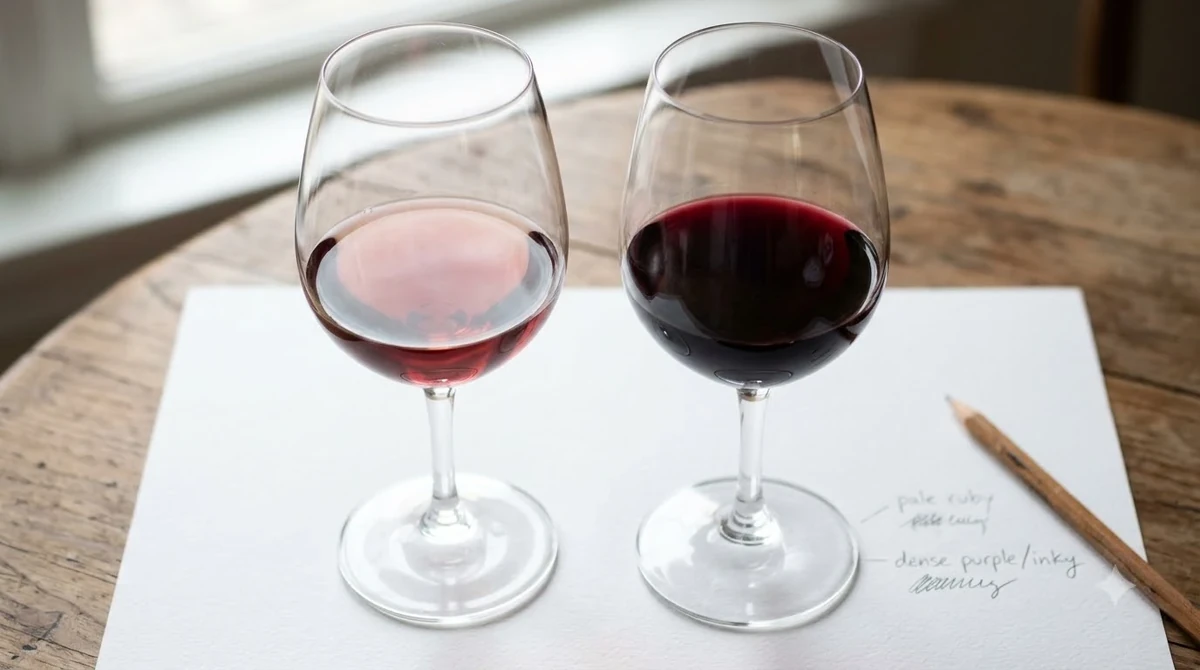
Turkey has a mild flavor and is generally lower in fat than richer meats such as beef rib roast or duck confit. A heavily tannic red can feel drying beside lean breast meat, especially when the plate includes a sweet glaze or cranberry relish. Pinot Noir is typically less tannic than Cabernet Sauvignon or Syrah, so it is less likely to dominate the bird or make the meal feel heavy. Its acidity also refreshes the palate after buttery potatoes, pan gravy, and stuffing.
Pinot Noir can show cherry, raspberry, cranberry, rose, spice, mushroom, tea, or forest-floor notes. Red fruit echoes cranberry sauce without requiring sweetness, while earthy notes connect with mushrooms, thyme, sage, and roasted poultry. A wine with cherry fruit and subtle savory character can link several dishes on one plate.
That balance is why Pinot Noir is often a better all-round red than a young, powerful Cabernet Sauvignon for a traditional turkey dinner. Cabernet’s higher tannin can be striking with lean meat and sweet sides; Pinot’s softer structure leaves the food in the foreground. Decanter’s turkey and wine pairing advice likewise favors medium-bodied reds with relatively understated tannins and refreshing acidity.
Choosing a Pinot Noir Style for Roast Turkey
Choose a fresh, balanced Pinot Noir with enough fruit to meet the roasted flavors, but avoid a wine whose oak, alcohol, or concentration makes it feel heavy. Cool-climate and moderate-bodied examples are dependable starting points, while riper styles can suit deeply browned turkey and richer accompaniments.

Pinot Noir changes noticeably with climate and cellar choices. Wine Enthusiast describes cooler-climate examples from places such as Burgundy and Germany as more likely to show cranberry, dark cherry, mushroom, and forest-floor character, often with vivid acidity. Wines from warmer areas can show riper raspberry, cherry, and pomegranate, plus a fuller texture and more noticeable tannin. Neither style is automatically better; the meal determines which profile is more useful.
For roast turkey with herb stuffing, try a Burgundy, Oregon, or German Pinot Noir with bright acidity and restrained oak. These wines bring floral and earthy detail without burying the meat. A cooler-coastal California or New Zealand Pinot Noir can suit deeply browned turkey, crisp skin, bacon, sausage, or assertive mushroom stuffing because its riper fruit meets those richer flavors.
Alcohol level and oak are clues, not guarantees. Pinot Noir commonly falls around 12% to 15% alcohol by volume; cooler-region examples often sit near 12% to 13.5%, while warmer-region wines can reach 13.5% to 15%. More alcohol, concentrated fruit, and new oak can make a bottle taste broader. Favor freshness for turkey breast; a little more body can suit dark meat, crisp skin, and mushroom gravy. Wine Enthusiast’s Pinot Noir overview explains how growing climate shapes the grape’s fruit, acidity, and texture.
Pairing Pinot Noir with Thanksgiving Sides
The side dishes often determine whether a Pinot Noir feels perfectly matched or slightly out of place. Aim for a wine with enough acidity for rich foods, fruit for tart cranberry, and modest tannin for the sweeter vegetables and sauces.
| Dish on the plate | What to look for in the wine | Why the match works |
|---|---|---|
| Roast turkey breast | Light- to medium-bodied Pinot Noir; 12%–13.5% ABV is a useful style cue | Fresh acidity and soft tannin support the lean meat without masking it |
| Turkey thigh and browned skin | Medium-bodied Pinot Noir; roughly 13.5%–15% ABV can suit a richer style | Riper cherry or raspberry fruit meets the darker, roasted flavors |
| Herb stuffing | Earthy, savory Pinot Noir with moderate oak | Mushroom, thyme, sage, and forest-floor notes echo the herbs |
| Cranberry sauce | Bright, fruit-forward Pinot Noir with clear acidity | Cherry and cranberry flavors connect with the tart fruit; freshness keeps the pairing lively |
| Gravy and mashed potatoes | Medium-bodied Pinot Noir with fresh acidity | Acidity refreshes the palate after butter and gravy; softer tannin avoids a drying finish |
| Maple or brown-sugar sweet potatoes | Ripe-fruited Pinot Noir, or a slightly off-dry white wine alongside it | Riper fruit handles the roasted sweetness better than a very lean, austere red |
| Brussels sprouts with pancetta | Pinot Noir with a little extra structure and savory spice | Fruit complements caramelized edges while salt and fat soften the wine’s tannin |
Stuffing is one of Pinot Noir’s most natural partners, especially when it includes mushrooms, onions, celery, sage, thyme, or roasted chestnuts. Those ingredients add savory depth that mirrors the wine’s earthy side. A sausage-based stuffing can support a slightly fuller Pinot Noir because its fat and seasoning make the wine seem less delicate. Very sweet cornbread stuffing calls for a riper, more fruit-driven bottle rather than a lean, stern example.
Cranberry sauce creates a useful contrast. Dry Pinot Noir does not need to taste like cranberry sauce; it simply benefits from enough fruit and acidity to stand beside the sauce’s sharpness. If the cranberry dish is heavily sweetened, choose a wine with ripe fruit rather than a very austere, high-acid bottle. The same logic applies to glazed carrots and sweet potatoes: sweetness in the food can make a dry wine seem more tart, so fuller fruit helps the pairing remain balanced.
For creamy and buttery sides, acidity is more important than sheer body. A lively Pinot Noir can refresh the palate after mashed potatoes, creamed onions, or rich gravy. Salt and fat can also soften the sensation of tannin, which is one reason a slightly more structured Pinot may work with pancetta, bacon, or sausage. For more ideas on combining wines with a varied meal, the site’s Grape x Food pairing basics can help you compare acidity, body, and texture.
Cooking Methods, Seasonings, and Sauces
Roast turkey is a natural match, but smoke, herbs, and sweet glazes can shift the best Pinot Noir style.
A straightforward roast turkey seasoned with salt, black pepper, sage, thyme, rosemary, and lemon pairs well with a medium-bodied Pinot Noir that has red-cherry fruit and restrained oak. The herbs reinforce the wine’s savory aromas, and lemon or other bright elements make acidity feel natural beside the meat. If the bird is basted with butter, the wine’s freshness can keep each bite from feeling too rich.
For a smoked turkey, choose a Pinot Noir with ripe fruit and a little more body. Smoke adds a persistent flavor that can overwhelm a very delicate wine, while cherry, raspberry, and gentle spice provide a bridge to the browned exterior. Avoid assuming that more oak is always the answer: heavy toast can add another strong flavor rather than create balance. A fruit-forward Oregon or California Pinot Noir can be a practical middle ground.
Glazes need special attention. A maple, honey, or brown-sugar glaze makes the meal sweeter, which can make a dry, austere red taste sharper. Look for a ripe-fruited Pinot Noir and keep the glaze moderate. With a strongly sweet glaze, consider serving a second wine with a touch of residual sugar, such as Riesling, rather than forcing one dry red to cover every dish. A tart cherry or cranberry pan sauce, by contrast, can be excellent with Pinot Noir because its fruit and acidity echo the wine.
Tip: Taste the cranberry sauce and gravy before opening the bottle. If the sauce is very sweet, lean toward a riper, fruit-forward Pinot Noir; if the meal is herb-heavy and savory, choose a fresher, earthier style.
Serving Temperature, Glassware, and Timing
Serve Pinot Noir slightly cool, generally around 55°F to 60°F for a lighter style and closer to 60°F to 65°F for a fuller-bodied bottle. A modest chill keeps the wine fresh while allowing its red-fruit and savory aromas to develop in the glass.
Room temperature is often warmer than ideal, especially in a busy kitchen or dining room. If the bottle has been stored at a typical indoor temperature, place it in the refrigerator for about 20 to 30 minutes before serving, then pour and let it warm gradually. A lighter Burgundy or German Pinot Noir can be pleasant near 55°F to 60°F; a richer California or New Zealand example may show better nearer 60°F to 65°F. Avoid serving it so cold that the aromas seem muted. Use a medium or large-bowled red-wine glass with enough room to swirl, and pour about 5 ounces per glass; a standard 750-milliliter bottle provides roughly five servings.
Most young Pinot Noir does not need a long decant. Open the bottle while the turkey rests, or give a tight, youthful example 15 to 30 minutes of air and taste it again. A particularly concentrated young red can benefit from 30 to 60 minutes, but delicate Pinot Noir can lose some of its freshness if exposed to air for too long. Older bottles should be handled gently, since extended aeration can diminish fragile aromas. If wine remains after dinner, recork it and refrigerate it; opened still wine is generally best enjoyed within 3 to 5 days, with delicate Pinot Noir often showing its best over the first 1 to 3 days.
When Another Wine May Work Better
Pinot Noir is versatile, but no single wine is ideal for every holiday plate. A sweeter side, intensely spiced preparation, or guest preference may make another grape or style a better partner for part of the meal.
If the table is dominated by sweet potatoes with marshmallows, honey-glazed carrots, or a sugary cranberry relish, an off-dry Riesling can be more comfortable than a dry red. The wine’s sweetness can balance the food’s sweetness, while its acidity keeps it fresh beside savory dishes. A fuller-bodied Chardonnay can work with turkey and creamy sides, particularly when it has enough acidity to balance butter and gravy. This is also a sensible option for guests who simply prefer white wine.
Gamay, especially Cru Beaujolais from areas such as Fleurie or Brouilly, is another red option: it is fresh and fruit-driven, with a light body and modest tannin that suits turkey and cranberry flavors. Grenache can work with dark meat, warm spices, or a smoky glaze; choose a fresher, less alcoholic expression if turkey is the main focus. The guide to Grenache food pairing helps compare that grape’s riper fruit and spice with the meal. For a table with several distinct dishes, serve Pinot Noir with turkey and stuffing, then add Riesling or Chenin Blanc for sweeter vegetables and fruit-forward sauces. The site’s Chenin Blanc food pairing ideas offer another fresh white-wine option. If the menu leans toward lemony vegetables, olives, or oregano rather than gravy and stuffing, the suggestions in best wine with Greek food may point toward a different combination.
Frequently Asked Questions
These quick answers cover practical questions that come up when planning a turkey dinner with Pinot Noir, including bottle quantities, leftovers, and choices for guests who prefer a different style.
How many bottles of Pinot Noir should I buy for 10 guests?
For a dinner where wine is the main alcoholic drink, a planning baseline is about half a 750-milliliter bottle per adult guest, or roughly five bottles for 10 adults. That estimate is not a drinking target; adjust for the length of the meal, other beverages, and the number of guests who do not drink alcohol. A standard bottle provides about five 5-ounce pours.
Can I pair Pinot Noir with fried turkey?
Yes. Fried turkey has a crisp, rich exterior, so choose a Pinot Noir with fresh acidity and enough fruit to meet the browned coating. A medium-bodied example from Oregon or coastal California is a useful starting point, especially when the seasoning includes black pepper, herbs, or paprika.
Does Pinot Noir pair with turkey sandwiches the next day?
Yes, particularly with sandwiches that include roasted turkey, cranberry, mushroom, or mild cheese. A fruit-forward Pinot Noir from California, Oregon, or New Zealand can handle the more concentrated flavors of cold leftovers. For a sandwich with very sweet cranberry spread, serve a small glass alongside rather than expecting the wine to taste sweet.
Should Pinot Noir be decanted before a holiday meal?
For an older bottle, stand it upright for several hours before dinner so natural sediment can settle, then pour slowly and stop when sediment approaches the neck. Young, unoaked Pinot Noir rarely needs a wide-bottomed decanter. A small taste before guests sit down is a better guide than a fixed rule.
Can I serve Pinot Noir to guests who usually drink white wine?
Often, yes, because Pinot Noir is lighter in body and less tannic than many familiar red wines. Pour a small sample first and offer it in a white-wine glass if that is what the guest prefers; the bowl shape matters less than a comfortable serving size. A chilled Pinot Noir rosé is another bridge between red-fruit character and the freshness white-wine drinkers often seek.
Pinot Noir is a dependable match for roast turkey because its acidity, red-fruit character, and moderate tannin connect the meat with the savory and tart flavors around it. Choose a lighter, earthier bottle for herb-roasted turkey and a riper, fuller style for smoked meat or richer sides. Serve it slightly cool, taste the sauces before choosing, and let the food—not the label alone—guide the final pairing.
More in Food & Wine Pairing
 Risotto With White Wine Recipe: Make a Creamy Dinner at HomeUpdated Nov 20, 2026
 Wassail With Wine Recipe for a Festive Spiced Holiday DrinkUpdated Nov 20, 2026
 Spritz Veneziano Recipe: Make a Classic Venetian Aperitivo at HomeUpdated Nov 20, 2026
 Summer Wine Punch Recipe for Easy Homemade EntertainingUpdated Nov 20, 2026
 Bishop Recipe: How to Make a Bright, Citrus-Forward Red Wine CocktailUpdated Nov 20, 2026
 Wine Cupcakes Recipe: Bake Rich Chocolate Cupcakes at HomeUpdated Nov 20, 2026