
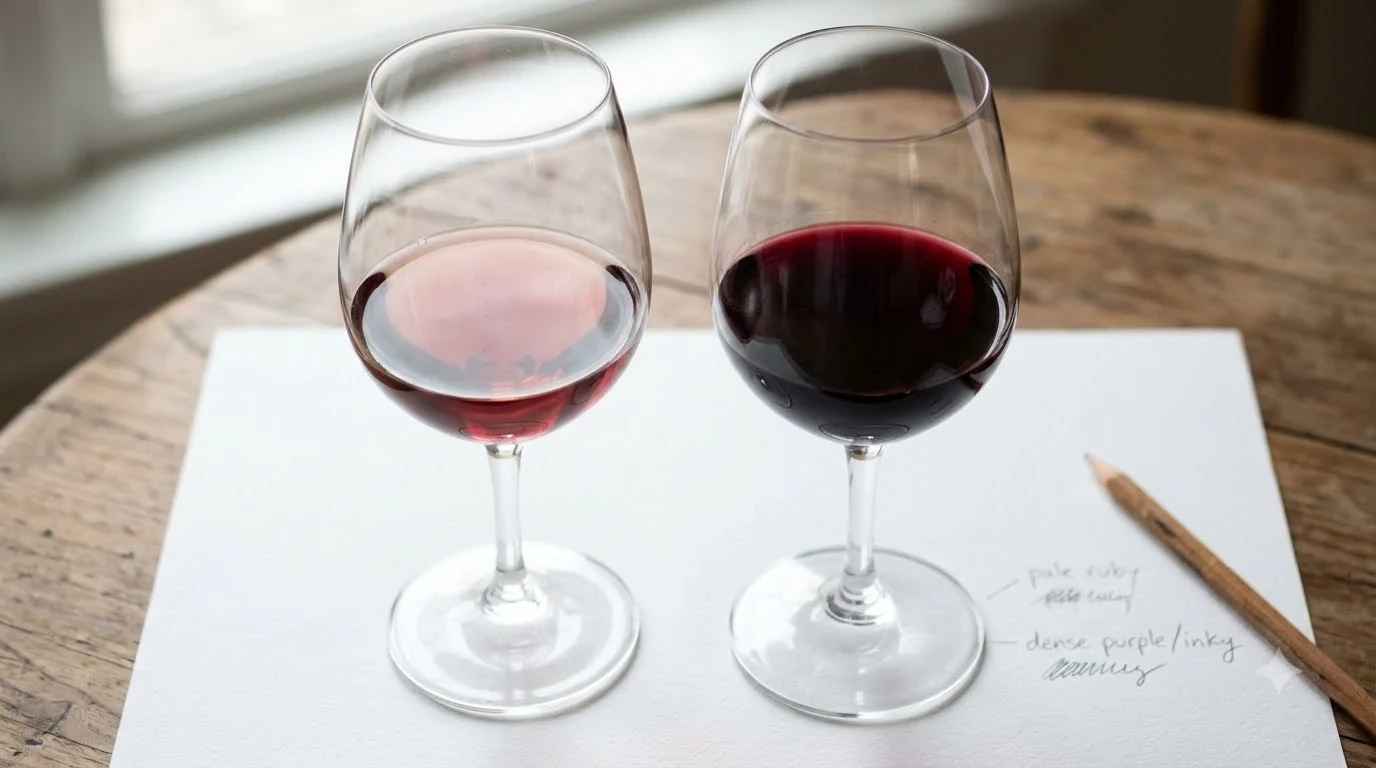

We may earn a commission when you buy through links on this page, at no extra cost to you. Learn more.
To learn how to serve pinot noir, chill the bottle to about 55–60°F (12–15°C), pour it into a wide-bowled glass, and decant younger bottles for around 30 minutes. Wine Folly gives the 55–60°F (12–15°C) range as the ideal serving window for this red. Those three steps cover most of what changes the wine at the table, from temperature to aroma to the way the fruit opens up.
Pinot noir is one of the most food-friendly red wines, but it is also one of the easiest to serve badly. A bottle that is too warm can taste heavy and flat, while one poured straight from a glass-door fridge can hide its fruit. This guide explains the serving temperature, glassware, decanting, and food matches that help pinot noir show its best side.
The right serving temperature
Pinot noir is a light-to-medium red, and its best range sits cooler than many people expect. According to Wine Folly’s pinot noir guide, the wine is best served “ideally between 55-60°F (12-15°C).” The same range appears in the guide’s sidebar, which makes it easy to check at a glance.
A practical way to reach that range is to chill the bottle for about 15 to 20 minutes before opening, especially if it has been sitting on the counter in a warm room. A cool room or a cellar temperature works too. Avoid leaving the bottle in direct sun or next to the oven, since heat makes the wine taste heavier and can mute its fresh red fruit.
Serving a little cool is not the same as serving it cold. A bottle at 40°F will hide the aromas, while one at 55–60°F keeps the fruit clear and lets the tannins feel smooth rather than harsh.
Choosing the right glass
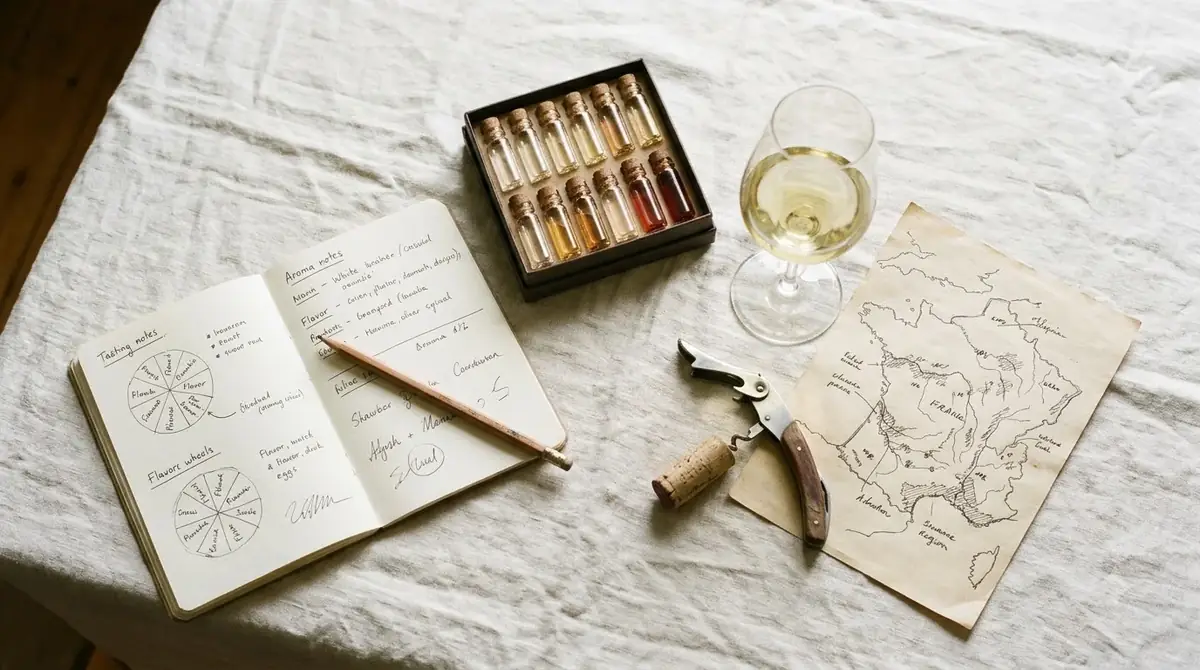
Glassware matters more with pinot noir than with many other reds because the wine’s aromas are delicate. Wine Folly recommends “an aroma collector wine glass,” which has a wide bowl and a narrower rim. The shape gathers the scent and sends it toward the nose, so the raspberry and cherry notes come through more clearly.
A standard large red wine glass also works well for everyday meals. The main goal is to have room in the bowl so you can swirl the wine without spilling, and a rim that is not too wide so the aromas do not disperse before you smell them.
Decanting younger pinot noir
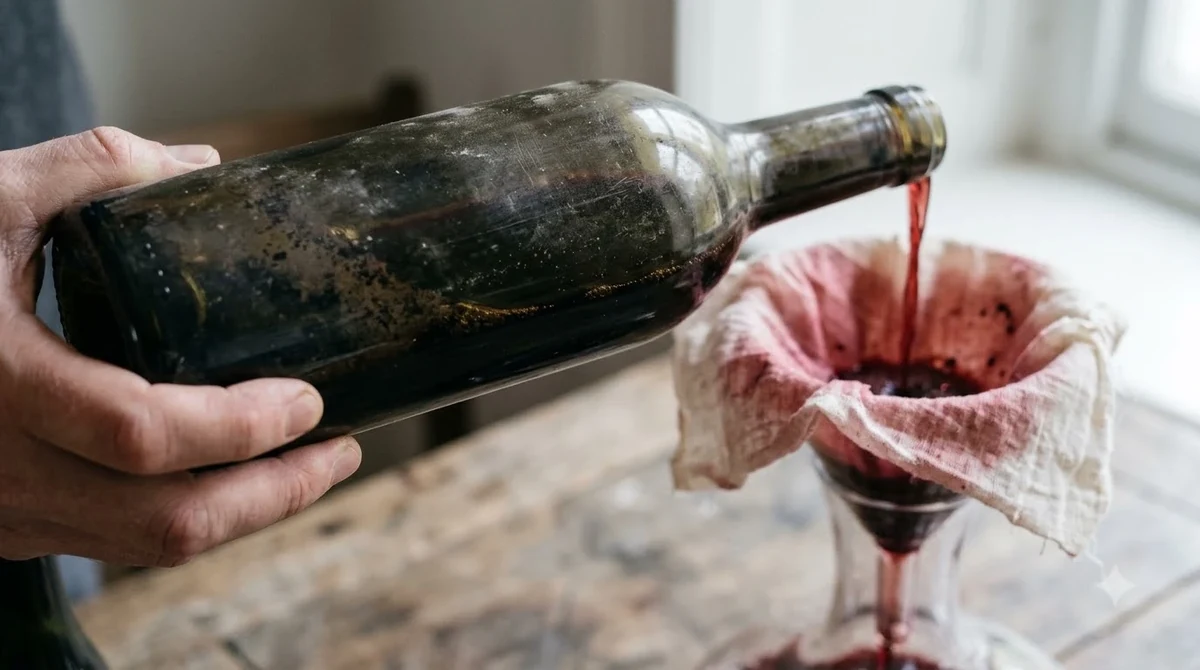
Decanting can soften a young pinot noir and let its aromas open. Wine Folly suggests decanting “about 30 minutes” for many young Pinot Noirs. Pour the wine into a decanter or a wide pitcher, let it sit for that time, and then serve it. This step is most useful for bottles that feel tight or closed when first poured.
Older pinot noir often needs less time. Very old bottles can develop sediment, so decanting them carefully, and sometimes pouring them straight into the glass, is the safer choice. If you are unsure, pour a small taste first and decide from there.
Decanting is not a rule, though. Many pinot noir drinkers pour straight from the bottle and enjoy the wine just as much. The decanter is a tool for bottles that seem closed, and it matters less for a fresh, fruit-forward bottle that already tastes open. Give the wine a few minutes in the glass before deciding whether it needs more air.
If you do decant, pour gently and stop before the last of the wine if the bottle has sediment. A candle or a bright light behind the bottle helps you see the sediment line, and it keeps the clearer wine in the decanter.
What you will taste when it is served well
Wine Folly lists raspberry, cherry, mushroom, vanilla, and hibiscus as primary flavors for pinot noir. Ripe cherry and raspberry form the core fruit notes, with forest floor, tea leaves, and sometimes clove in the background. Oak aging adds vanilla and smoke, and time in the bottle adds mushroom and leather.
When the wine is at the right temperature and has had a short rest in the glass, these notes become easier to separate. The fruit comes forward first, followed by the earthier and spicier notes on the finish. Serving the wine too warm makes the fruit taste jammy and the alcohol more noticeable, which hides the detail that makes pinot noir special.
| Serving step | Guideline | Why it matters |
|---|---|---|
| Temperature | 55–60°F (12–15°C) | Keeps fruit clear and tannins smooth |
| Glass | Aroma collector wine glass | Concentrates raspberry and cherry notes |
| Decanting | About 30 minutes for many young bottles | Opens tight aromas |
| Pouring | Half to two-thirds of the glass | Leaves room to swirl and smell |
Tip: If the wine tastes flat or dull, it may be too cold. Let the glass sit on the table for a few minutes and taste again to see whether the fruit opens up.
Food pairings that suit pinot noir
Pinot noir is often called a catch-all food pairing wine. Wine Folly suggests it works with lighter fish such as salmon and with richer meats, which makes it a flexible choice for dinners where the menu includes more than one protein. Its acidity helps cut through rich dishes without overwhelming delicate flavors.
Duck is a classic match. The page notes that the wine’s acidity “will cut through the fat and gamey flavors of duck.” Earthy, mushroom-based dishes also pair well, especially with Old World-style pinot noir. Roast chicken, roasted vegetables, and mild cheeses are simple options that let the wine’s fruit and earth stand out.
Serving pinot noir for a group
When you serve pinot noir to several guests, plan the temperature around the first pour. Bottles tend to warm up in the glass during a long dinner, so a bottle chilled to the low end of the range can stay in balance for an hour or more. If you open several bottles, decant only the one you plan to drink first, since decanted wine loses its freshness sooner than a sealed bottle.
It also helps to pour a little less per glass than you would for a lighter white. A smaller pour lets the wine stay cool and gives guests room to swirl and smell before drinking.
Frequently Asked Questions
What is the best temperature to serve pinot noir?
Wine Folly recommends serving pinot noir between 55–60°F (12–15°C). That range keeps the fruit clear and the tannins smooth without making the wine taste heavy or warm.
Is it necessary to decant pinot noir?
Decanting helps many young bottles open up. Wine Folly suggests about 30 minutes for many young Pinot Noirs. Very old bottles may have sediment, so pour them carefully or skip the decanter.
Is pinot noir served chilled like white wine?
Not exactly. Pinot noir is served cooler than most reds, but not as cold as white wine. A range of 55–60°F keeps the wine lively without hiding the aromas.
What food goes best with pinot noir?
Salmon, duck, roast chicken, and mushroom dishes are all strong matches. The wine’s acidity helps it work with rich food, and its earthy notes suit savory ingredients.
Once the serving basics feel natural, the next step is learning the flavors that make each bottle unique. The pinot noir tasting notes guide breaks down the fruit and earth you are likely to find. For a broader look at how red wines are served, the Wine by Type section covers the styles that sit alongside pinot noir, and the how to serve port guide shows how a richer, fortified red follows different rules.
More in Wine Types & Grapes
 Zinfandel Sugar Content: Dry Red vs. White Zinfandel GramsUpdated Nov 21, 2026
 Best Zinfandel Substitute Options for Sipping and CookingUpdated Nov 21, 2026
 Zweigelt Food Pairing: Best Dishes, Cheeses, and Serving TipsUpdated Nov 21, 2026
 Zinfandel Tannins Explained: How Structure Shapes Every BottleUpdated Nov 21, 2026
 Zinfandel Sweetness Level: Dry Red vs. Sweet White Zin ExplainedUpdated Nov 21, 2026
 Xinomavro Food Pairing: Best Dishes, Styles, and Serving TipsUpdated Nov 21, 2026