

We may earn a commission when you buy through links on this page, at no extra cost to you. Learn more.
Chablis vs Sauvignon Blanc is a choice between Chardonnay’s cool, mineral restraint and Sauvignon Blanc’s herbal, citrus-driven brightness. Chablis is a protected wine appellation in northern Burgundy, while Sauvignon Blanc is a grape variety grown in many regions. Both are usually dry, high-acid whites, but grape, climate, texture, aroma, and food performance make them distinct.
Use this comparison to choose a bottle for seafood, salads, poultry, goat cheese, or a dinner that needs a crisp white wine. The typical answer is Chablis for a quieter, stony and saline profile; choose Sauvignon Blanc when you want more obvious herbs, grapefruit, or tropical fruit.
Identity, Grape, And Place
Chablis names a place and an appellation, not a grape. Every Chablis wine is made from Chardonnay under the Chablis appellation system in Burgundy, France, with four levels: Petit Chablis, Chablis, Chablis Premier Cru, and Chablis Grand Cru. The official regional body describes one white color, one varietal, and four appellation levels. That geographic definition is the first major difference in this comparison.
Sauvignon Blanc names the grape. It can be made in the Loire Valley, Bordeaux, Marlborough, Napa Valley, Casablanca Valley, and many other regions. Wine Enthusiast identifies Sauvignon Blanc as a green-skinned variety with a broad climate range, so a bottle labeled Sauvignon Blanc can vary more in fruit ripeness, alcohol, body, and winemaking than a bottle labeled Chablis.
The label therefore gives different information. “Chablis” tells you the protected origin and the Chardonnay grape by implication. “Sauvignon Blanc” tells you the grape but not one single region or style. A Loire Valley Sancerre, a New Zealand Sauvignon Blanc, and a Napa example may share acidity while tasting noticeably different.
Tip: Start with the label’s place and grape before reading tasting notes. Place predicts Chablis style; grape plus place predicts Sauvignon Blanc style.
Climate And Terroir Shape The Glass
Chablis sits in a cool, semi-continental part of Burgundy where spring frost and autumn rain can make ripening difficult. The official Chablis site places the vineyards across a relatively compact area of about 20 kilometers from north to south and 15 kilometers from east to west. Its cool climate helps preserve acidity, while the local Kimmeridgian and Portlandian limestone settings contribute to the region’s mineral and saline impression. The official Chablis wine site describes this combination as a cooler climate and distinctive subsoil that support pure, elegant wines.
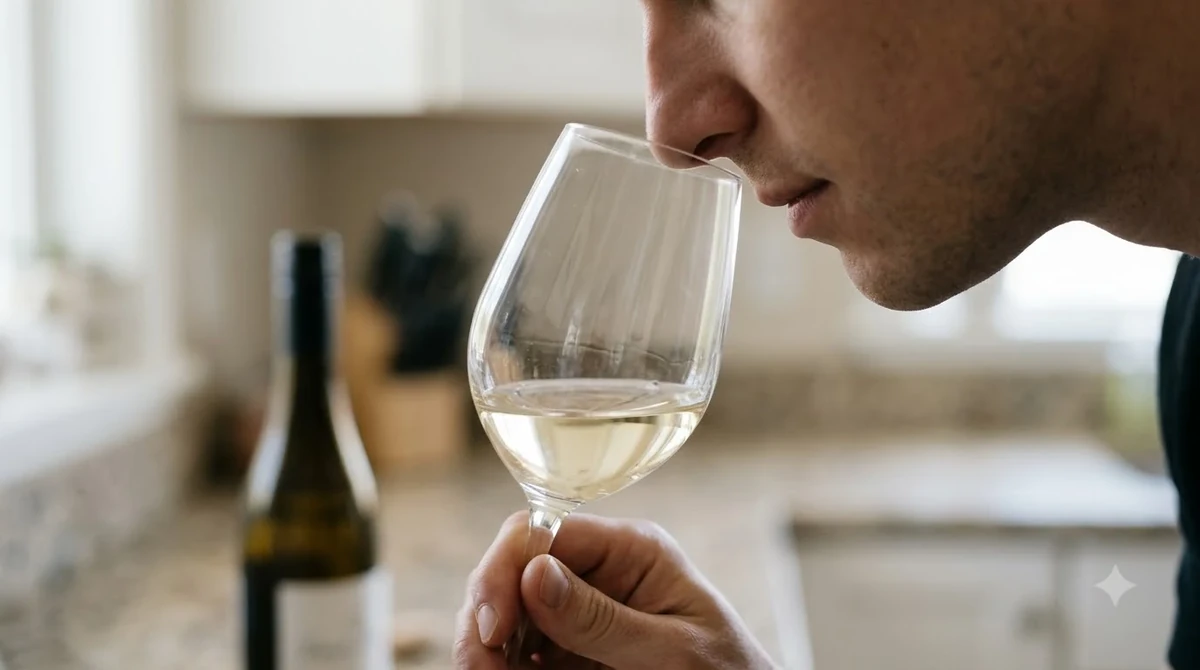
The most useful way to interpret “minerality” is as a tasting description rather than a claim that rocks dissolve directly into wine. Chablis commonly shows lemon, green apple, white flowers, chalky or flinty sensations, and a salty finish. Wine Folly describes the style as lean, light-bodied, citrus-led, and high in acidity, with little of the buttery character associated with heavily oaked Chardonnay.
Sauvignon Blanc responds strongly to climate and harvest timing. Wine Enthusiast explains that cooler sites or earlier picking preserve pyrazine-driven green notes such as grass, herbs, and bell pepper. Warmer sites or later picking shift the profile toward grapefruit, passion fruit, guava, and other ripe fruit. The Loire can contribute flinty and smoky notes, while warmer regions can feel rounder and more aromatic.
Terroir matters to both wines, but it appears differently. Chablis gives a relatively narrow regional signature across its four appellations, though vineyard tier and producer change the weight. Sauvignon Blanc has a wider global range, so the country, region, harvest climate, and cellar choices are essential clues.
That difference also explains why two bottles with similar acidity can create different first impressions. Chablis often feels linear: the flavor moves from citrus or apple into a stony, salty finish without a large aromatic jump. Sauvignon Blanc often feels more expansive at the nose: green herbs, grapefruit, or passion fruit appear before the palate confirms the wine’s brisk acidity. Neither pattern is a quality ranking; they are useful style signals.
Climate can change the balance within each category. A cool Chablis vintage may be especially taut, while a warmer one can give more ripe fruit and a broader mid-palate. A cool Sauvignon Blanc can emphasize jalapeño-like green notes, while a warm example may seem softer, riper, and more tropical. This is why serving temperature, food, and producer style matter alongside the grape or appellation.
Flavor, Acidity, Body, And Finish
Chablis typically tastes dry, lean, and focused. Expect lemon peel, green apple, pear, white flowers, wet-stone or flint-like impressions, and a saline edge. Its acidity is high, but the wine often feels less aromatic than Sauvignon Blanc because the emphasis is on line, texture, and finish rather than overt perfume. Basic Chablis can be brisk and simple; Premier Cru and Grand Cru versions can add length, depth, and sometimes a restrained oak influence.
Sauvignon Blanc usually leads with aroma. Common notes include lime, grapefruit, gooseberry, fresh herbs, cut grass, bell pepper, passion fruit, and guava. Its high acidity gives a sharp, refreshing shape, but the palate may be more expressive and immediately recognizable than Chablis. New Zealand styles often make the herbal and citrus character especially clear, while ripe California or Chilean examples can show more fruit weight.
Neither wine is normally tannic. Both are commonly served dry and chilled, and both can work as aperitifs. The key sensory split is aromatic intensity: Chablis usually feels quieter and more mineral; Sauvignon Blanc usually feels more fragrant and green or fruit-forward.
| Feature | Chablis | Sauvignon Blanc |
|---|---|---|
| What the name identifies | Appellation and place | Grape variety |
| Main grape | Chardonnay | Sauvignon Blanc |
| Typical acidity | High | High |
| Typical body | Light to medium | Light to medium |
| Common aromas | Lemon, pear, white flower, flint | Grapefruit, grass, herbs, passion fruit |
| Serving range | 42–50°F | 50–55°F |
| Best early pairing clues | Oysters, sushi, scallops, trout | Goat cheese, herbs, asparagus, shellfish |
Winemaking And Aging Choices
Most Chablis is made to preserve freshness rather than to emphasize oak. Stainless steel and neutral vessels allow Chardonnay’s acidity and regional character to remain clear. Wine Folly notes that Chablis rarely shows butter from oak aging, although some Premier Cru and Grand Cru wines can gain savory, smoky, or rounded texture through oak fermentation or aging.
Sauvignon Blanc is also commonly fermented and aged in stainless steel, especially when the goal is a fresh, youthful style. That approach protects citrus, herbal, and tropical aromas. Some Bordeaux Sauvignon Blanc is blended with Sémillon and fermented or aged in oak, creating a fuller texture and more layered flavor. Fumé Blanc is a United States synonym associated with Sauvignon Blanc, not a separate grape.
Lees contact can add a little roundness to either white without making it taste overtly oaky. Malolactic fermentation is another choice that can soften acidity and add creamy or buttery impressions, although the crispest examples generally preserve more of their natural bite. These details are not always printed on the front label, so tasting notes and producer information can be useful when you want a specific texture.
For storage, keep either wine away from heat and light. A closed bottle can lie on its side near 55°F, while a serving bottle should be chilled before pouring. Young full-bodied reds may need decanting, but these whites generally do not. Open still wine belongs in the refrigerator and is best consumed within 3–5 days; an especially aromatic Sauvignon Blanc may lose its brightest notes sooner.
Serve Chablis around 42–50°F when you want maximum tension and salinity. Serve Sauvignon Blanc around 50–55°F so its aromas remain open. If either is served too cold, the nose becomes muted; if too warm, alcohol and softness become more noticeable.
Food Pairing By Dish And Sauce
Chablis is the usual pick for oysters, clams, sushi, sashimi, scallops, trout, cod, halibut, and other delicate seafood. Its high acidity refreshes the palate, while its lean body does not overwhelm raw or simply cooked fish. It also suits chicken with tarragon, light cream sauces, escargot, and dishes with a saline component.
Sauvignon Blanc is the usual pick when the dish contains fresh herbs, green vegetables, goat cheese, or citrus. Sancerre-style examples suit chèvre, oysters, shellfish, trout, cod, and halibut. More pungent styles can match parsley, mint, basil, asparagus, green beans, and salad dressings. Riper examples have enough fruit weight for grilled chicken or pork with lemon-based sauces.
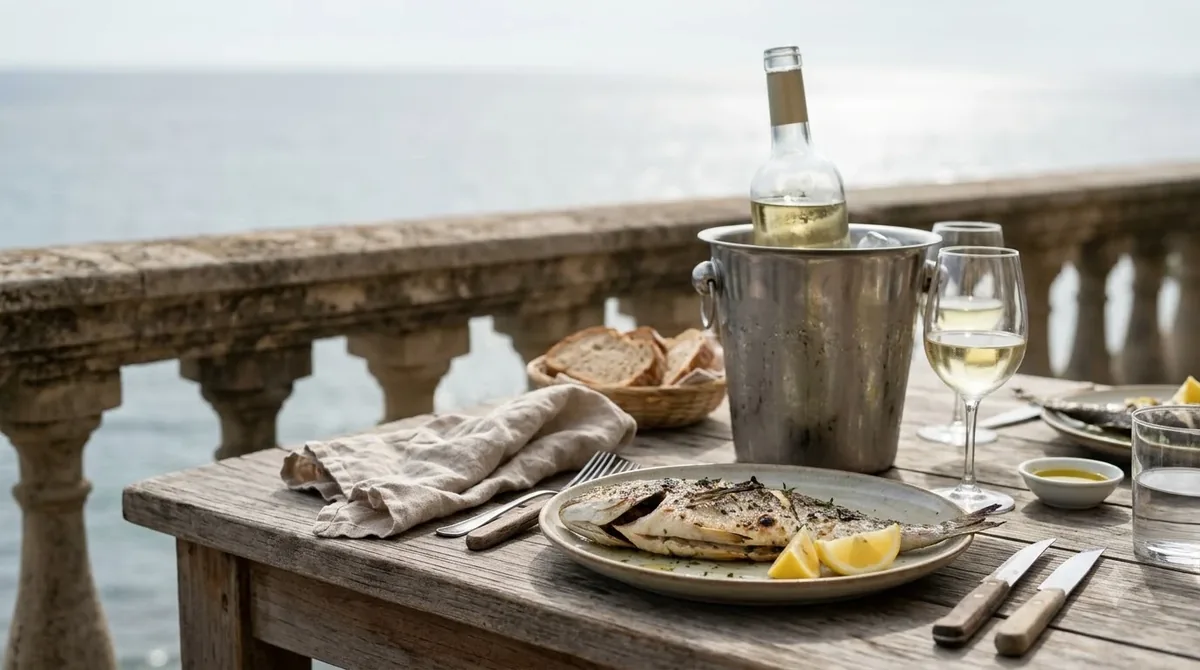
Match acidity to the food’s acidity. A lemon sauce needs a wine at least as lively as the sauce, while salt and fat can soften a wine’s structure. Avoid pairing a strongly tannic red with oily fish, but neither Chablis nor Sauvignon Blanc presents meaningful tannin. Chili heat can feel sharper with high alcohol, so a moderate-alcohol, crisp white is safer than a warm, heavy style for very spicy food.
For a shared table, choose Chablis when seafood is the central dish and the seasoning is restrained. Choose Sauvignon Blanc when green herbs, goat cheese, asparagus, salsa verde, or citrus dominate. If the meal combines both, begin with a lighter Chablis and move to a riper Sauvignon Blanc with the main course.
How To Choose A Bottle And Serve It
Choose Chablis when you want Chardonnay without an obvious buttery or vanilla profile. Petit Chablis often leans brisk and citrusy. Chablis AOC offers the standard regional expression. Premier Cru can bring more concentration and named-site character, while Grand Cru may offer greater depth and a more noticeable oak or aging influence. The official regional classification has four appellation levels, so the label can guide the expected intensity.
Choose Sauvignon Blanc by region and flavor target. Loire Valley examples tend toward citrus, herbs, flint, and a lean frame. Marlborough commonly emphasizes bright grapefruit, passion fruit, and green aromatics. Napa and other warm areas can show riper fruit, higher alcohol, and a broader palate. This makes regional labeling especially important for Sauvignon Blanc.
Pour about 5 ounces from a 750 ml bottle, which yields approximately five glasses. Chill the bottle gradually rather than freezing it. A simple refrigerator chill can take about two hours; an ice-water bath can take roughly 30–40 minutes for a white wine. Opened still wines generally keep 3–5 days in the refrigerator with the closure replaced, though freshness and aroma decline over time.
For a blind comparison, use two identical glasses and pour the wines at similar temperatures. Smell first, then compare acidity, body, fruit, herbal character, and finish. Do not use the word “minerality” as a shortcut for every dry white: decide whether the wine actually feels stony, chalky, saline, smoky, or simply crisp.
Useful comparisons can also clarify the choice. Readers considering albarino vs sauvignon blanc will see a similar question about acidity and seafood, while Wine vs Wine offers a broader way to compare grape, place, and dish.
Frequently Asked Questions
Is Chablis always unoaked?
No. Most basic Chablis is made to preserve a clean, fresh profile, but some Premier Cru and Grand Cru wines may use oak. The amount and age of the vessel vary by producer, so the same appellation can include both stainless-steel-focused and subtly oak-shaped examples.
Does Chablis taste like lemon water?
Not exactly. Lemon and green apple are common, but quality Chablis can also show white flowers, pear, saline texture, and a long flinty finish. Bottle age may add savory or lightly honeyed notes that are not present in a very young bottle.
Can Sauvignon Blanc be aged?
Yes, although many fresh styles are intended for early drinking. Structured examples from Bordeaux, Sancerre, or selected warm regions can develop waxy, nutty, smoky, or honeyed notes over several years. The producer’s cellar method and the wine’s acidity are better aging clues than the grape name alone.
Which wine is better with a creamy pasta dish?
A medium-bodied Chablis can work well with a light cream sauce, especially when the dish includes chicken, scallops, or herbs. A fuller Sauvignon Blanc can work when the sauce has lemon, basil, or a strong green herb element. Very rich cream and heavily oaked whites can make the meal feel heavier, so keep the wine’s body aligned with the sauce.
Why does Sauvignon Blanc sometimes smell like bell pepper?
The aroma comes from methoxypyrazines, compounds associated with green, herbal, and bell-pepper notes. Cooler growing conditions and earlier harvest often preserve more of that character. Riper fruit and warmer sites generally shift the profile toward grapefruit, passion fruit, guava, and softer tropical aromas.
Choose Chablis for Chardonnay’s cool, mineral, saline precision, especially with raw shellfish and delicate fish. Choose Sauvignon Blanc for more pronounced herbs, grapefruit, green vegetables, or tropical fruit, then serve either wine cold enough to preserve its acidity without hiding its aroma.
For a second Italian comparison, see chianti vs malbec or chianti vs merlot to apply the same grape, place, structure, and food-pairing method to red wines.
More in Wine vs Wine
 Nero d’Avola vs Pinot Noir: Taste, Body, and Pairing DifferencesUpdated Nov 21, 2026
 Chenin Blanc vs Pinot Blanc: Key Differences in Taste, Acidity, and PairingsUpdated Nov 21, 2026
 Chardonnay vs Shiraz: Key Differences in Taste, Serving, and PairingUpdated Nov 21, 2026
 Chardonnay vs Verdejo: How Spain’s Crisp White Compares to the World’s ChameleonUpdated Nov 21, 2026
 Chardonnay vs Sancerre: Key Differences in Taste, Grapes, and PairingUpdated Nov 21, 2026
 Chardonnay vs Malbec: Key Differences in Taste, Body, and PairingUpdated Nov 21, 2026