

We may earn a commission when you buy through links on this page, at no extra cost to you. Learn more.
The godello grape is an indigenous white wine variety native to Galicia in northwestern Spain, prized for producing dry, textured wines with bright acidity and distinct mineral character. Grown primarily in Valdeorras, Monterrei, and Bierzo—as well as Portugal’s Douro Valley, where it is known as Gouveio—it bridges the gap between crisp, zesty whites and fuller, lees-aged styles. Typical bottles range from 12% to 14% ABV and shine when served chilled around 46°F to 50°F (8°C to 10°C).
For decades, Albariño dominated the conversation around white wines from northwestern Spain, leaving inland Galician varieties in the shadows. Today, wine drinkers looking for the textural weight of White Burgundy paired with coastal salinity and citrus lift are increasingly turning to Godello as a versatile, food-friendly staple.
What Is the Godello Grape?
Pronounced “go-day-yo,” Godello is a thin-skinned, early-ripening white grape variety with small berries arranged in tight, compact clusters. It belongs to the historic viticultural heritage of the Iberian Peninsula, producing dry wines that combine brisk natural acidity with an oily, generous mid-palate weight.
Despite centuries of cultivation in northwestern Spain, the variety nearly vanished during the twentieth century. After phylloxera devastated European vineyards in the late nineteenth century, many local growers replanted with higher-yielding varieties like Palomino, pushing native vines to the margins. By the 1970s, only a few hundred vines remained scattered across old hillside plots in Galicia.
A dedicated regional recovery initiative launched in the late 1970s—often called the REVIVAL project—rescued surviving cuttings and replanted them on steep slate and granite slopes. By 1986, pioneering wineries such as Bodegas Godeval released the first modern single-varietal bottlings, proving that the grape could yield age-worthy, terroir-driven white wines rather than simple table blends. According to Wine Folly, plantings now cover roughly 2,031 acres in Spain alongside 1,443 acres in Portugal, where the grape goes by the name Gouveio.
Flavor Profile and Winemaking Styles
Godello delivers a distinctive balance of orchard and citrus fruit layered over a saline, stony backbone and a subtle, pleasant almond-like bitterness on the finish. Depending on how a winemaker handles fermentation and aging, the grape expresses itself across two primary stylistic directions.
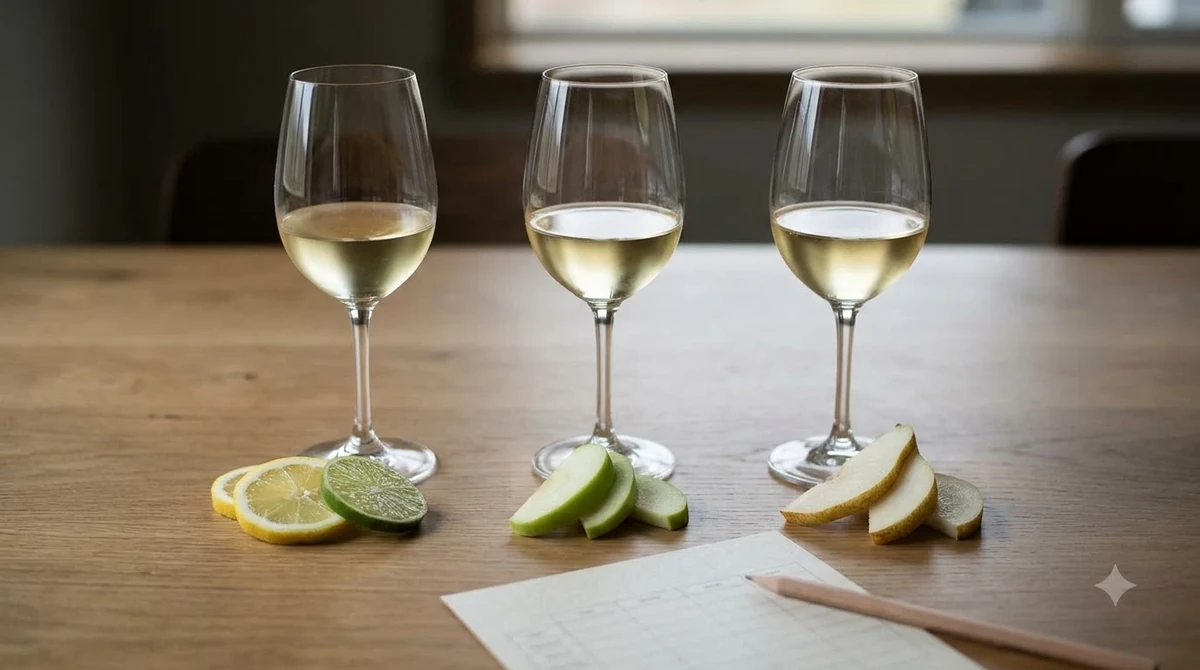
Unoaked and stainless-steel styles emphasize precision, freshness, and aromatic lift. Fermented in temperature-controlled steel tanks without wood contact, these bottles showcase green apple, pear, white peach, and briny grapefruit notes. They feel crisp, lively, and linear on the palate, making them an effortless alternative to Chablis, dry Chenin Blanc, or crisp carricante grape bottlings from volcanic slopes.
Lees-aged and barrel-fermented styles lean into Godello’s natural textural richness. Many producers age the wine sur lie (on dead yeast cells) in stainless steel, concrete eggs, or large 500-liter French oak barrels, stirring the lees to build creaminess without masking the fruit. These fuller-bodied expressions develop notes of toasted hazelnut, chamomile, baked apple, and smoky flint while retaining the grape’s signature backbone of acidity.
| Style Category | Aging Vessel | Primary Aromas & Flavors | Body & Texture | Ideal Drinking Window |
|---|---|---|---|---|
| Young & Unoaked | Stainless steel tank | Green apple, Meyer lemon, white peach, wet slate | Light-to-medium body, crisp and linear | 1 to 3 years from vintage |
| Lees-Aged (Sobre Lías) | Steel or concrete on fine lees | Ripe pear, briny grapefruit, fennel, blanched almond | Medium body, silky mid-palate weight | 2 to 5 years from vintage |
| Barrel-Fermented / Oaked | Large French oak (e.g., 500L) | Yellow stone fruit, chamomile, hazelnut, smoky mineral | Medium-to-full body, creamy and structured | 4 to 8+ years from vintage |
Where the Godello Grape Grows
Godello thrives in the rugged valleys and river canyons of northwestern Iberia, where Atlantic moisture meets warmer continental influences. Because its tight clusters are susceptible to fungal pressure in overly damp sites, the finest vineyards sit on well-drained, nutrient-poor hillsides with ample air circulation.
Valdeorras DO (Galicia, Spain) is the spiritual homeland and benchmark appellation for the variety. Located in eastern Galicia along the Sil River valley, Valdeorras features steep terraced vineyards rooted in decomposed slate, granite, and alluvial gravel. Under regional appellation rules, any white wine labeled as Godello from Valdeorras must be made from 100% of the grape, resulting in pure, mineral-driven bottlings with notable concentration.
Bierzo DO and Monterrei DO represent two neighboring strongholds with distinct microclimates. Just across the Galician border in Castilla y León, Bierzo pairs cool mountain nights with warm daytime sunshine on clay and slate soils, yielding structured, aromatic whites alongside vibrant Mencía reds. South of Valdeorras near the Portuguese border, Monterrei experiences a warmer, drier continental climate that gives its Godello wines riper stone-fruit character and generous body.
Douro Valley and Dão (Portugal) cultivate the exact same grape under the local name Gouveio (and occasionally Verdelho do Dão, though it is unrelated to Madeira’s Verdelho). In Portugal’s schistous Douro terraces, winemakers frequently blend Gouveio with indigenous varieties like Viosinho and Rabigato to bring high acidity and aromatic structure to dry white table wines as well as White Port.
How to Serve Godello
Serving Godello at the right temperature ensures its brisk acidity stays refreshing while allowing its subtle herbal and mineral nuances to open up in the glass. Serving it straight from an ice bucket can mute its aromatics, while serving it too warm can make fuller-bodied bottlings feel heavy.
Aim for a serving temperature between 46°F and 50°F (8°C to 10°C) for unoaked and lightly lees-aged examples. Roughly two hours in a standard home refrigerator brings a bottle right into this zone. For barrel-fermented or single-vineyard reserve bottlings, letting the wine warm slightly toward 50°F to 54°F (10°C to 12°C) enhances its creamy mouthfeel and nutty complexity.
Pour the wine into a standard medium-bowled white wine glass rather than a narrow flute or an oversized red goblet. Most young Godellos do not require decanting, though swirling the glass helps release floral and stony aromatics. If you open an oak-aged bottling from a top single-parcel producer, 20 to 30 minutes of air in a decanter can soften tight reduction and bring out layered stone-fruit notes.
Tip: Look for the phrase sobre lías on Spanish wine labels—it indicates the wine was aged on its fine lees, signaling a rounder, creamier texture without heavy oak flavors.
Food Pairing Ideas
With its combination of mouth-watering acidity, saline minerality, and medium-to-full body, Godello bridges the culinary gap between lean seafood whites and richer poultry or pork dishes. As Wine Enthusiast notes, its distinctive brininess makes it a natural partner for coastal cuisine.
Shellfish and grilled seafood are classic matches, especially traditional Galician dishes like pulpo a la gallega (octopus dressed with olive oil, sea salt, and smoked paprika), razor clams, seared scallops, and grilled shrimp. The wine’s citrus snap cuts through rich olive oil and butter sauces, while its natural salinity echoes the ocean flavors on the plate.
Roast poultry, pork, and creamy dishes work especially well with lees-aged or lightly oaked bottles. Try pairing a structured Valdeorras or Bierzo Godello with herb-roasted chicken, pork tenderloin with apples, mushroom risotto, or creamy polenta. For cheese boards, reach for semi-firm sheep’s milk cheeses like Manchego or Idiazábal, whose nutty richness mirrors the wine’s subtle almond finish.
How to Choose a Bottle
Navigating retail shelves for Godello becomes straightforward once you know how to read regional designations and winemaking cues on the front and back labels. Because production remains relatively small compared to mainstream white grapes, most bottles imported into the United States come from quality-focused estates.
Start by checking the appellation on the label to match your preferred flavor profile:
- Choose Valdeorras for benchmark purity, slate-driven minerality, and 100% varietal authenticity across both crisp and barrel-aged styles.
- Choose Bierzo for structured, vibrant wines with high-altitude tension and nuanced herbal aromatics.
- Choose Monterrei or Ribeira Sacra for expressive fruit character, floral aromatics, and approachable mid-palate roundness.
- Choose Douro white blends if you enjoy Portuguese table wines where Gouveio adds crisp backbone alongside other native grapes.
Check the vintage date and alcohol percentage for final clues about style. Bottles bottled at 12% to 13% ABV from the most recent one to three vintages typically deliver bright, zesty refreshment, whereas bottlings closer to 13.5% or 14% ABV often come from older hillside vines fermented in oak for added depth. Exploring this grape alongside other expressive Wine by Type options—or comparing its saline freshness against aromatic Mediterranean whites like the malvasia grape—is an easy way to expand your white wine rotation.
Frequently Asked Questions
How do you pronounce Godello?
Godello is pronounced “go-day-yo” in Spanish, with the double-L sounding like a soft “y” and the stress on the second syllable. In Portugal, where the exact same grape variety is widely grown, it is called Gouveio and pronounced “goh-vay-oo.”
Is Godello a sweet or dry white wine?
Godello is virtually always vinified as a completely dry white wine. Although ripe orchard fruit, white peach, and floral aromas can give an impression of sweetness on the nose, the palate finishes crisp, savory, and refreshing with brisk acidity.
How does Godello compare to Albariño and Chardonnay?
Compared to fellow Galician favorite Albariño, Godello has a fuller, rounder mid-palate texture and slightly softer, broader acidity rather than sharp lime zest. Compared to Chardonnay, unoaked and lees-aged Godellos resemble crisp White Burgundy or Chablis, offering stony minerality and orchard fruit without heavy buttery oak.
Can Godello wines age in the bottle?
Unoaked, stainless-steel Godellos are best enjoyed young within one to three years of harvest to capture their vibrant fruit and floral freshness. However, old-vine, lees-aged, and barrel-fermented examples from top Valdeorras and Bierzo producers can age gracefully for five to eight years or longer, developing complex nutty and honeyed notes.
Once nearly lost to history, the godello grape has earned its reputation as one of Spain’s most compelling white wine varieties. Whether you open a crisp, stainless-steel bottle for weeknight seafood or a barrel-fermented single-vineyard release for a special dinner, it offers a memorable balance of coastal freshness and cellar-worthy texture.
More in Wine Types & Grapes
 Zinfandel Sugar Content: Dry Red vs. White Zinfandel GramsUpdated Nov 21, 2026
 Best Zinfandel Substitute Options for Sipping and CookingUpdated Nov 21, 2026
 Zweigelt Food Pairing: Best Dishes, Cheeses, and Serving TipsUpdated Nov 21, 2026
 Zinfandel Tannins Explained: How Structure Shapes Every BottleUpdated Nov 21, 2026
 Zinfandel Sweetness Level: Dry Red vs. Sweet White Zin ExplainedUpdated Nov 21, 2026
 Xinomavro Food Pairing: Best Dishes, Styles, and Serving TipsUpdated Nov 21, 2026