

We may earn a commission when you buy through links on this page, at no extra cost to you. Learn more.
When comparing albarino vs sauvignon blanc, both are crisp, dry, high-acid white wines, yet Albariño leans into stone fruit, citrus blossom, and a salty coastal finish while Sauvignon Blanc is sharper, greener, and overtly herbal. Albariño typically offers a slightly rounder mid-palate from lees contact and pairs naturally with sweet shellfish, whereas Sauvignon Blanc delivers laser-focused lime, gooseberry, and fresh-cut grass notes that shine alongside goat cheese and green herbs. Both bottles are best enjoyed young and well-chilled, making either an easy warm-weather pour depending on whether you prefer orchard fruit or zesty herbaceousness.
Standing in the white wine aisle, it is easy to confuse these two bottles because both promise bright acidity, unoaked purity, and refreshing citrus character. Once poured into a glass, however, their personalities diverge quickly in aroma, texture, and how they interact with food. If you enjoy exploring crisp white wine comparisons like chablis vs sauvignon blanc, understanding the subtle structural gap between Spain’s signature coastal grape and France’s famous herbal white will help you pick the right bottle every time.
What Is the Difference Between Albariño and Sauvignon Blanc?
Albariño is a thick-skinned white grape native to the cool Atlantic coast of Spain and Portugal, while Sauvignon Blanc is a globally planted French variety prized for its pungent, green-fruited aromatics. Both produce dry, unoaked wines with brisk acidity, yet they belong to completely separate genetic families and express different sides of the citrus-and-mineral spectrum.
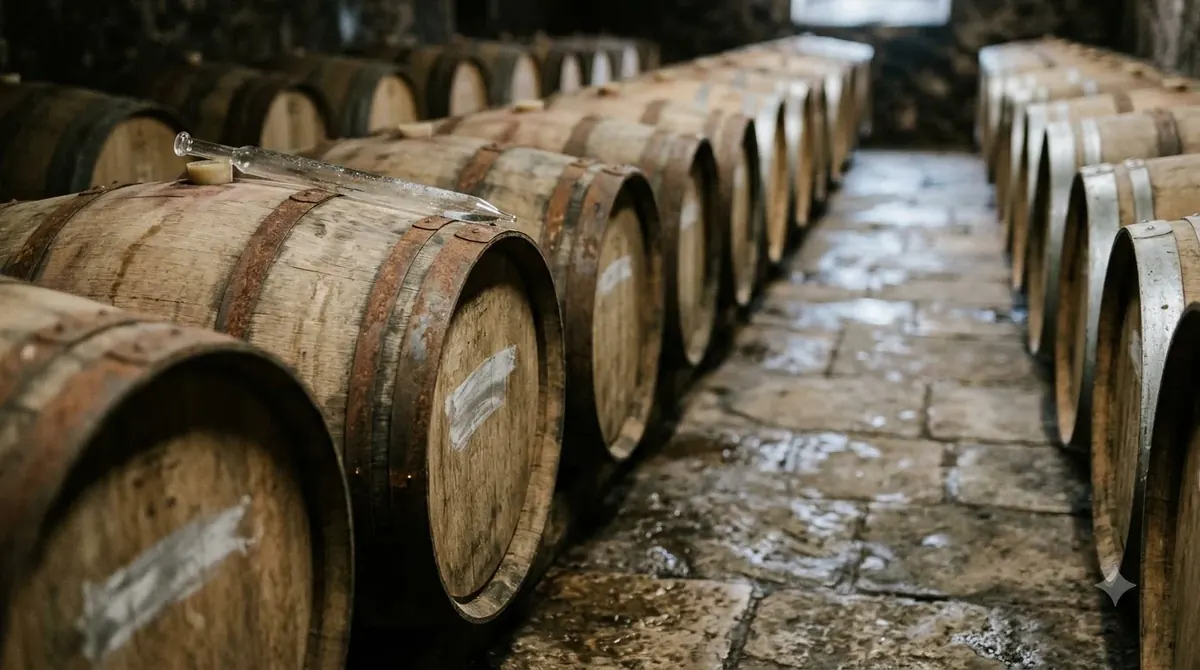
In the glass, Albariño—known as Alvarinho across the border in Portugal—often surprises first-time drinkers with its textural weight. Although its natural acidity is high, the wine rarely feels thin or austere. Winemakers frequently rest the wine on its fine lees (spent yeast cells) in stainless steel tanks, which builds a gentle, creamy roundness across the mid-palate. Reviewers at Wine Folly note that this combination of stone fruit richness, mouthwatering acidity, and a distinct saline, slightly bitter green-almond finish sets Albariño apart from other light-bodied whites.
Sauvignon Blanc, originating in the Loire Valley and Bordeaux regions of France, takes a much more direct and linear path on the palate. Rather than soft blossom and peach notes, its calling card is aromatic intensity driven by natural compounds called methoxypyrazines and thiols. Depending on where the grapes are grown, those compounds translate into freshly cut grass, jalapeño, bell pepper, gooseberry, or punchy passionfruit. Where Albariño feels cushioned and coastal, Sauvignon Blanc feels razor-sharp, immediate, and unapologetically zesty.
| Attribute | Albariño | Sauvignon Blanc |
|---|---|---|
| Primary Origins | Rías Baixas (Spain), Vinho Verde (Portugal) | Loire Valley & Bordeaux (France), Marlborough (New Zealand) |
| Core Fruit Notes | White peach, nectarine, apricot, lemon zest, honeydew | Lime, grapefruit, green apple, gooseberry, passionfruit |
| Secondary Aromas | Honeysuckle, citrus blossom, sea spray, green almond | Cut grass, fresh herbs, green bell pepper, wet stone |
| Body & Texture | Light-to-medium body with a rounder, slightly creamy mid-palate | Light-bodied, lean, crisp, and linear |
| Typical ABV | 11% to 13.5% | 11.5% to 13.5% |
| Ideal Serving Temp | 38°F to 45°F (or up to 50°F for lees-aged styles) | 45°F to 55°F |
Flavor and Styles
The clearest way to separate these two wines in a blind tasting is to look for a floral-and-saline profile in Albariño versus a green-and-herbal profile in Sauvignon Blanc. While both share bright lemon and grapefruit notes, their secondary flavors and winemaking styles push them into distinct sensory territory.
Classic Albariño smells like an orchard near the ocean: white peach, ripe nectarine, apricot, and honeysuckle layered over a subtle hint of sea spray. The vast majority of bottles are fermented in temperature-controlled stainless steel with zero oak influence, keeping the fruit pure and vibrant. A small subset of ambitious producers ages Albariño on the lees for six months or longer—or ferments it in neutral oak foudres—creating a richer, more structured white capable of developing honeyed, nutty complexity over three to five years.
Sauvignon Blanc displays a much wider stylistic split depending on climate and winemaking choices. Cool-climate examples from Sancerre or Pouilly-Fumé in the Loire Valley emphasize tart lime, chalky minerality, and subtle green herbs. New Zealand expressions, particularly from Marlborough, turn the volume all the way up with explosive aromas of passionfruit, crushed tomato leaf, and grapefruit pith. Meanwhile, winemakers in Bordeaux and California often blend Sauvignon Blanc with Sémillon or age it in oak barrels—a style popularized in Napa Valley as Fumé Blanc—which softens the sharp edges and adds notes of vanilla, brioche, and toasted almond.
Where It Grows
Albariño remains closely tied to its rainy, granite-rich homeland on the northwestern Iberian Peninsula, whereas Sauvignon Blanc thrives across virtually every major wine-producing country on earth. Climate and soil play a decisive role in shaping the acidity and ripeness of both grapes.
Roughly 90 percent of the world’s Albariño grows in northwestern Spain and northern Portugal. In Spain’s Galicia region, Denominación de Origen (D.O.) Rías Baixas spans five coastal and river-valley sub-zones, including Val do Salnés—widely considered the grape’s birthplace—and the warmer inland Condado do Tea. Because Atlantic storms bring heavy rainfall and humidity, growers traditionally train vines overhead on stone pergolas to maximize airflow and prevent mildew. Just south across the Minho River in Portugal’s Vinho Verde region, the grape goes by Alvarinho and stars in single-varietal bottlings from Monção e Melgaço. Outside Iberia, cool coastal pockets in Uruguay’s Maldonado region and California’s San Luis Obispo Coast have also earned acclaim for mineral-driven expressions.
Sauvignon Blanc is one of the world’s most widely planted white wine varieties, adapting readily to both maritime and continental climates. France remains its spiritual home, where Loire Valley appellations like Sancerre and Touraine produce crisp single-varietal wines, while Bordeaux’s Graves and Pessac-Léognan regions craft age-worthy white blends. In the Southern Hemisphere, New Zealand’s Marlborough region transformed the grape’s global reputation with pungent, sun-drenched styles, while Chile’s Casablanca Valley, South Africa’s Stellenbosch, and California’s Napa and Sonoma counties offer everything from brisk, grassy bottlings to plush, barrel-fermented whites.
How to Serve
Both wines reward proper chilling and straightforward glassware, though serving either bottle straight from an ice-cold refrigerator can mute its best aromatics. Giving each wine a slight temperature adjustment helps highlight Albariño’s stone fruit or Sauvignon Blanc’s delicate herbal lift.
Standard stainless-steel Albariño shows best chilled to between 38°F and 45°F, which keeps its crisp acidity snappy and emphasizes its refreshing coastal salinity. If you open a lees-aged or single-vineyard Albariño, letting the bottle warm slightly to around 50°F allows its white peach, floral, and almond nuances to open up in the glass. Sauvignon Blanc generally prefers a slightly gentler chill of 45°F to 55°F; if served too cold, its expressive aromatics recede and the high acidity can taste overly sharp.
Neither wine requires decanting for everyday drinking, though pouring a structured, lees-aged Rías Baixas or an oaked white Bordeaux into a standard white wine glass with a medium-narrow bowl helps concentrate aromas while preserving freshness. Once opened, recork either bottle and store it in the refrigerator, where the bright acidity will keep the flavors lively for two to three days.
Tip: Pull your bottle out of the refrigerator 10 to 15 minutes before pouring—fridge temperatures hover around 35°F to 38°F, which is cold enough to lock away Albariño’s peach aromatics and flatten Sauvignon Blanc’s herbal complexity.
Food Pairing
Both bottles are among the most versatile food wines on the table, yet matching the right bottle to your menu comes down to whether your dish leans toward sweet seafood or sharp, herbaceous ingredients. Think of Albariño as a natural partner for the ocean and Sauvignon Blanc as a complement to green vegetables and tangy cheeses.
Albariño’s nickname in Spain is “the wine of the sea,” and for good reason: its stone-fruit roundness and salty finish mirror the natural sweetness of briny shellfish without overwhelming delicate flavors. It shines alongside raw oysters, steamed mussels, garlic shrimp, grilled octopus, scallops, and flaky white fish tacos. Beyond seafood, its moderate alcohol—usually 11% to 13.5% ABV—and generous mid-palate handle gently spiced dishes like Thai green papaya salad, sushi, burrata with heirloom tomatoes, and salty sheep’s-milk cheeses such as Manchego.
Sauvignon Blanc excels whenever a dish features bright acidity, fresh green herbs, or tangy dairy that would make a softer white wine taste flat. Its signature pairing is fresh chèvre (goat cheese), where the wine’s lime and grassy notes cut right through the creamy, tart paste. Reach for Sauvignon Blanc when serving citrus-cured ceviche, asparagus risotto, salads dressed with vinaigrette, pesto pasta, or dishes loaded with cilantro, dill, mint, and green chilies. If you are planning a multi-course dinner and want more pairing ideas across styles, browse our Wine vs Wine guides for additional side-by-side comparisons.
How to Choose a Bottle
Choosing between these two crisp whites comes down to your personal tolerance for grassy, vegetal aromas and the weight you prefer on your palate. Reading the regional clues on the front label makes it easy to predict which style is inside the bottle before you pull the cork.
Pick Albariño if you love refreshing, high-acid white wines but find New Zealand Sauvignon Blanc too pungent or aggressively grassy. As editors at Wine Enthusiast point out, Albariño delivers all the zippy citrus energy Sauvignon Blanc fans crave while trading green bell pepper notes for peach, jasmine blossom, and a clean mineral finish. Look for bottles labeled D.O. Rías Baixas (especially the Val do Salnés sub-zone for maximum salinity) or Portuguese Alvarinho from Monção e Melgaço.
Choose Sauvignon Blanc when you want an unmistakable burst of citrus, fresh herbs, and mouth-watering snap. If you prefer subtle minerality and restraint over bold tropical fruit, look for French labels from Sancerre, Pouilly-Fumé, or Touraine. If you want vibrant passionfruit, grapefruit, and crushed-herb intensity, reach for Marlborough, New Zealand. For those who enjoy a richer texture with gentle oak spice, seek out white Bordeaux blends or California Fumé Blanc—or compare how oak shapes white wines in our breakdown of chablis vs sauvignon blanc.
Frequently Asked Questions
Is Albariño sweeter than Sauvignon Blanc?
No, both Albariño and Sauvignon Blanc are almost always fermented completely dry with minimal residual sugar. Albariño can sometimes create an impression of sweetness because of its ripe white peach, apricot, and melon flavors, as well as its slightly rounder mid-palate, while Sauvignon Blanc’s tart lime and herbal notes emphasize its crisp, dry edge.
Which wine has higher acidity, Albariño or Sauvignon Blanc?
Both grapes naturally retain high levels of tartaric and malic acidity, making them equally lively and refreshing on the palate. Sauvignon Blanc often feels sharper and more immediate because its lean body and green citrus flavors accentuate the acid, whereas Albariño’s lees-derived texture and stone fruit soften the perception of sharpness.
Are Albariño and Alvarinho the exact same grape?
Yes, Albariño and Alvarinho are two regional names for the exact same white grape variety. It is called Albariño in Spain’s Galicia region (most famously in Rías Baixas) and Alvarinho across the border in northern Portugal’s Vinho Verde region, where it produces similarly crisp, aromatic, and mineral-driven white wines.
Can you substitute Albariño for Sauvignon Blanc in cooking or pairing?
Yes, Albariño works effortlessly as a substitute for Sauvignon Blanc in both recipes and food pairings, especially in seafood dishes, pan sauces, and light vinaigrettes. Because both wines share high acidity and bright citrus notes, Albariño provides the same refreshing lift without introducing strong green bell pepper or grassy flavors to the dish.
Ultimately, both wines deliver vibrant acidity and effortless drinkability, making it hard to go wrong with either bottle on a warm afternoon. Reach for Albariño when you want coastal salinity, stone fruit, and a rounder finish beside seafood, and pour Sauvignon Blanc when your meal calls for zesty lime, fresh herbs, and electric citrus snap.
More in Wine vs Wine
 Nero d’Avola vs Pinot Noir: Taste, Body, and Pairing DifferencesUpdated Nov 21, 2026
 Chenin Blanc vs Pinot Blanc: Key Differences in Taste, Acidity, and PairingsUpdated Nov 21, 2026
 Chardonnay vs Shiraz: Key Differences in Taste, Serving, and PairingUpdated Nov 21, 2026
 Chardonnay vs Verdejo: How Spain’s Crisp White Compares to the World’s ChameleonUpdated Nov 21, 2026
 Chardonnay vs Sancerre: Key Differences in Taste, Grapes, and PairingUpdated Nov 21, 2026
 Chardonnay vs Malbec: Key Differences in Taste, Body, and PairingUpdated Nov 21, 2026