

We may earn a commission when you buy through links on this page, at no extra cost to you. Learn more.
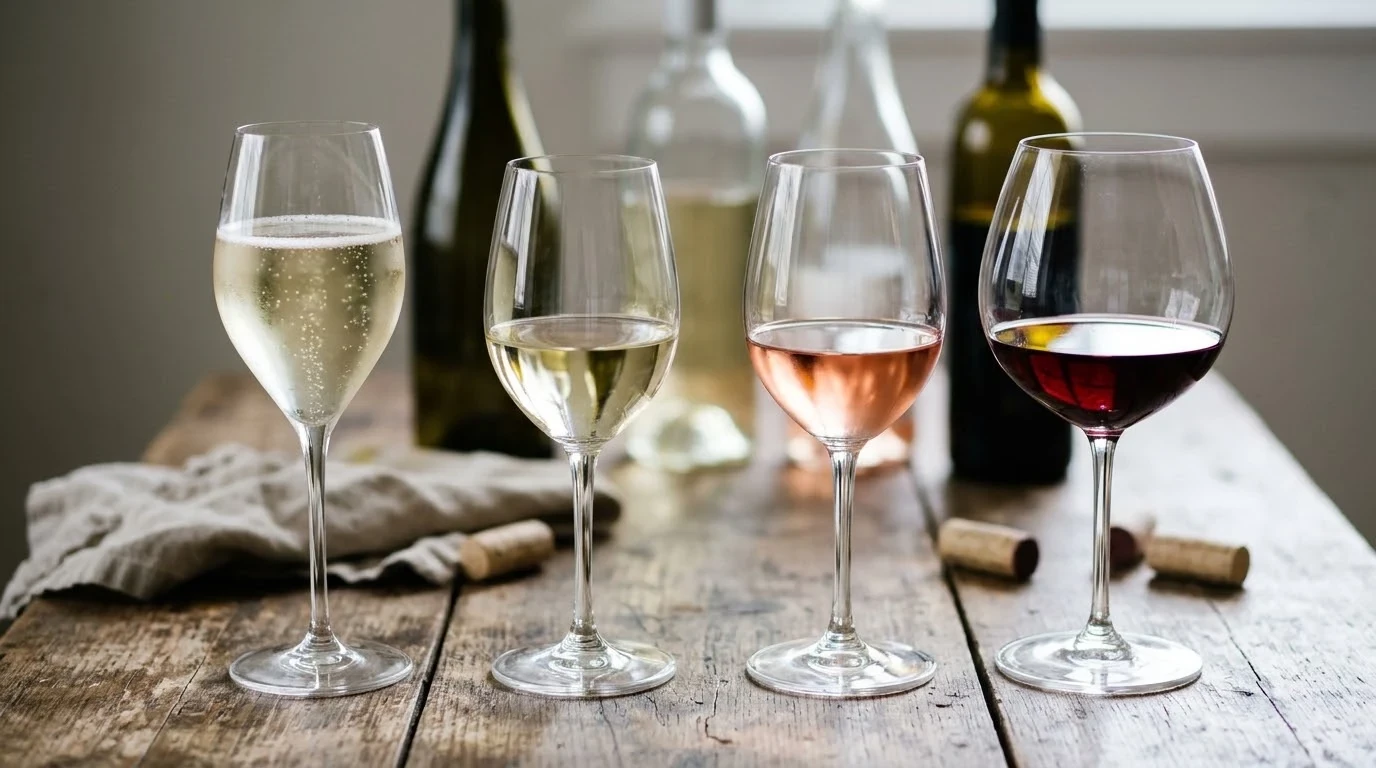
A madeira wine tasting works best when you pour small two- to three-ounce measures in progression from driest to sweetest, starting with lightly chilled Sercial and finishing with slightly warmer Malmsey. Because Madeira is a fortified wine between 17 and 22 percent ABV that has been deliberately heated and exposed to oxygen, every glass combines high acidity with savory notes of roasted nuts, burnt caramel, and citrus peel. Whether you are visiting historic lodges in Funchal or setting up a flight at home, understanding the four noble grape styles and the difference between tank-heated and cask-aged bottlings will make every pour easy to read.
Most table wines spoil when exposed to heat and air, yet Madeira relies on both to achieve its signature complexity and multi-decade lifespan. Approaching a tasting flight with the right glass, temperature, and pour order turns what can seem like a complicated fortified category into one of the most rewarding flights in the wine world.
What Is Madeira Wine?
Madeira is a fortified Portuguese wine produced on the volcanic island of Madeira in the Atlantic Ocean, roughly 600 kilometers west of Morocco and nearly 1,000 kilometers southwest of Lisbon. Winemakers fortify the base wine with neutral 96 percent ABV grape spirit to halt fermentation at a chosen sweetness level, then age the wine with controlled warmth and oxygen.
Unlike conventional wines that must be protected from heat and oxidation, Madeira undergoes intentional maderization, a process born centuries ago when barrels shipped across the tropics improved dramatically on long sea voyages. Today, producers recreate that transformation through two regulated methods overseen by the island’s wine institute, IVBAM. Entry-level wines typically pass through the estufagem method, where stainless steel tanks warm the wine to roughly 113 to 122 degrees Fahrenheit for at least three months to caramelize residual sugars.
Higher-tier and vintage bottlings mature under the traditional canteiro method, resting in wooden casks stored on the sun-warmed upper floors of aging lodges for a minimum of two years—and often for several decades. According to Wine Folly’s Madeira guide, this slow, repeated cycle of warming, cooling, and evaporation concentrates both flavors and natural acidity, creating a wine capable of aging for over a century without losing freshness.
Flavor Profile and the Four Noble Styles
During a classic madeira wine tasting, flights are organized along a strict sweetness ladder defined by four traditional noble white grapes, ranging from bone-dry Sercial to luscious Malmsey. Even in the sweetest bottlings, Madeira’s volcanic soils and maritime climate preserve piercing natural acidity that keeps the wine brisk rather than heavy.
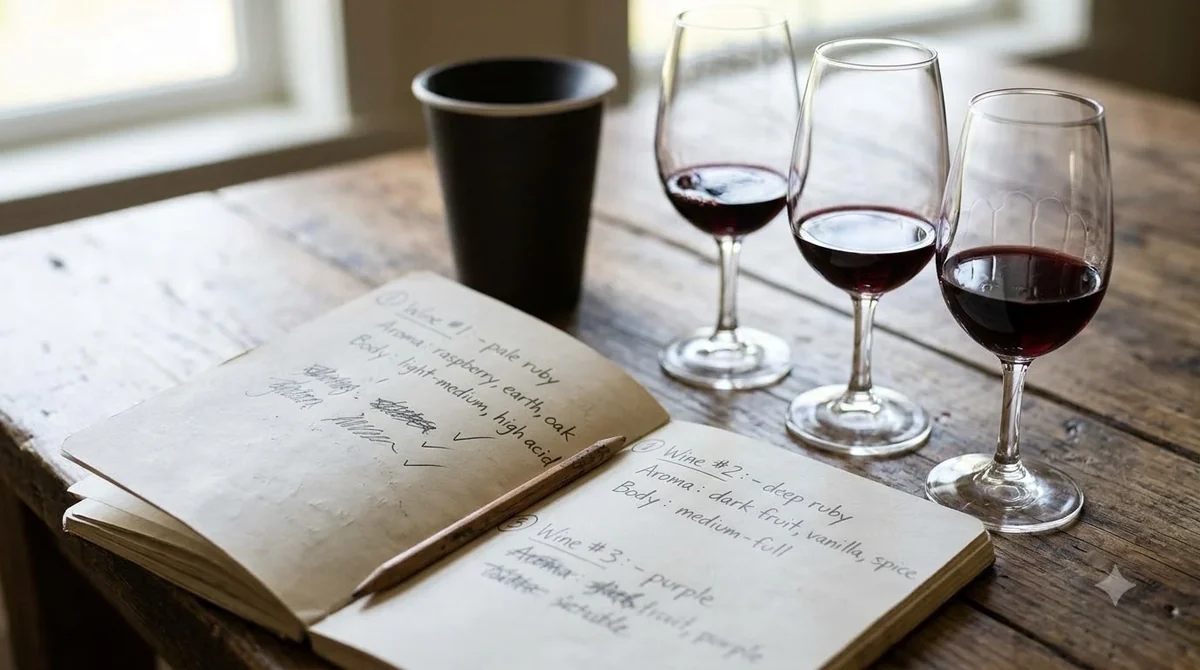
Across the board, tasters encounter shared secondary aromas of toasted walnut, hazelnut, burnt caramel, orange peel, dried apricot, and brown butter. How those notes express themselves depends on when fermentation is stopped with grape spirit. Halting fermentation late leaves very little sugar and highlights saline, almond, and citrus-zest flavors, whereas stopping fermentation early preserves rich grape sugars that caramelize into coffee, toffee, and fig notes over time.
While the four noble varieties anchor the island’s finest single-varietal bottlings, a red grape called Tinta Negra accounts for roughly 85 percent of Madeira’s vineyard production. Because Tinta Negra adapts easily across elevations, winemakers vinify it in every sweetness tier, labeling those bottles simply as Dry, Medium-Dry, Medium-Sweet, or Sweet. Tasting a Tinta Negra blend beside a single-varietal bottling is one of the fastest ways to appreciate how grape pedigree adds aromatic lift and precision.
| Style / Grape | Sweetness Level | Core Tasting Notes | Ideal Serving Temp |
|---|---|---|---|
| Sercial | Extra Dry to Dry | Lemon peel, green apple, toasted almond, sea spray, sharp acidity | 54–57°F (12–14°C) |
| Verdelho | Medium-Dry | Smoky spice, dried apricot, candied citrus, roasted hazelnut | 54–57°F (12–14°C) |
| Bual (Boal) | Medium-Sweet | Toffee, roasted coffee, dark raisin, walnut oil, cocoa | 57–61°F (14–16°C) |
| Malmsey (Malvasia) | Sweet | Burnt caramel, fig paste, honeycomb, espresso, orange marmalade | 61–64°F (16–18°C) |
| Rainwater | Medium-Dry | Soft baked apple, light caramel, gentle toasted nuttiness | 54–57°F (12–14°C) |
Where It Grows and Where to Taste in Funchal
Madeira’s vineyards cling to dramatic, terraced basalt slopes carved into an extinct Atlantic volcano, where cool ocean breezes and steep elevations sustain crisp acidity. Because mechanized harvesting is nearly impossible on these narrow mountain terraces, known locally as poios, growers still tend and pick the vines by hand.
Cooler, high-altitude vineyards on the north coast around São Vicente and Seixal favor late-ripening Sercial and Verdelho, giving those grapes their racy tension. Warmer, sun-drenched south-coast slopes near Câmara de Lobos and Campanário ripen richer Bual and Malvasia berries, while Tinta Negra thrives across both sides of the island. Exploring how terrain shapes bottle character is a theme shared across classic wine regions, though few places match Madeira’s vertical ocean cliffs.
If you travel to the island for an in-person tasting, nearly all major historic lodges cluster in or just outside the capital city of Funchal. Reviewers at Wine Enthusiast describe Funchal’s storied lodges—such as Blandy’s Wine Lodge on Avenida Arriaga, Pereira D’Oliveira, H.M. Borges, and Vinhos Barbeito in nearby Câmara de Lobos—as living wine museums. Most tasting rooms welcome walk-ins for by-the-glass flights across age tiers, while advance reservations grant access to cellar tours through warm attic cask rooms.
How to Serve and Taste Madeira Properly
Proper Madeira service relies on small tulip-shaped glasses, moderate chilling rather than room-temperature pours, and a strict dry-to-sweet tasting order. Serving Madeira too warm emphasizes its 17 to 22 percent alcohol, while serving it ice-cold mutes its complex nutty and smoky aromatics.
Start by choosing a small ISO tasting glass or a traditional Port glass with a slightly tapered rim that concentrates aromas without trapping alcohol vapors. Pour only two to three ounces (about 75 milliliters) per glass; Madeira is intensely concentrated, and small pours allow you to compare three or four styles comfortably in one sitting. Chill dry Sercial and medium-dry Verdelho to roughly 54 to 57 degrees Fahrenheit, and serve sweeter Bual and Malmsey slightly warmer at 57 to 64 degrees Fahrenheit.
When evaluating each glass, look at the rim first: young three-year blends show pale amber or tawny hues, whereas 15-year and vintage Frasqueira bottlings deepen to mahogany with a signature olive-green rim caused by decades of oxidative aging. Swirl gently, take short sniffs rather than deep inhalations to avoid alcohol fatigue, and pay attention to the mid-palate balance between sugar and electric acidity. Unlike old Vintage Port, most Madeira does not need decanting, though bottles older than 30 or 40 years can benefit from an hour of aeration or careful straining to remove fine cask sediment.
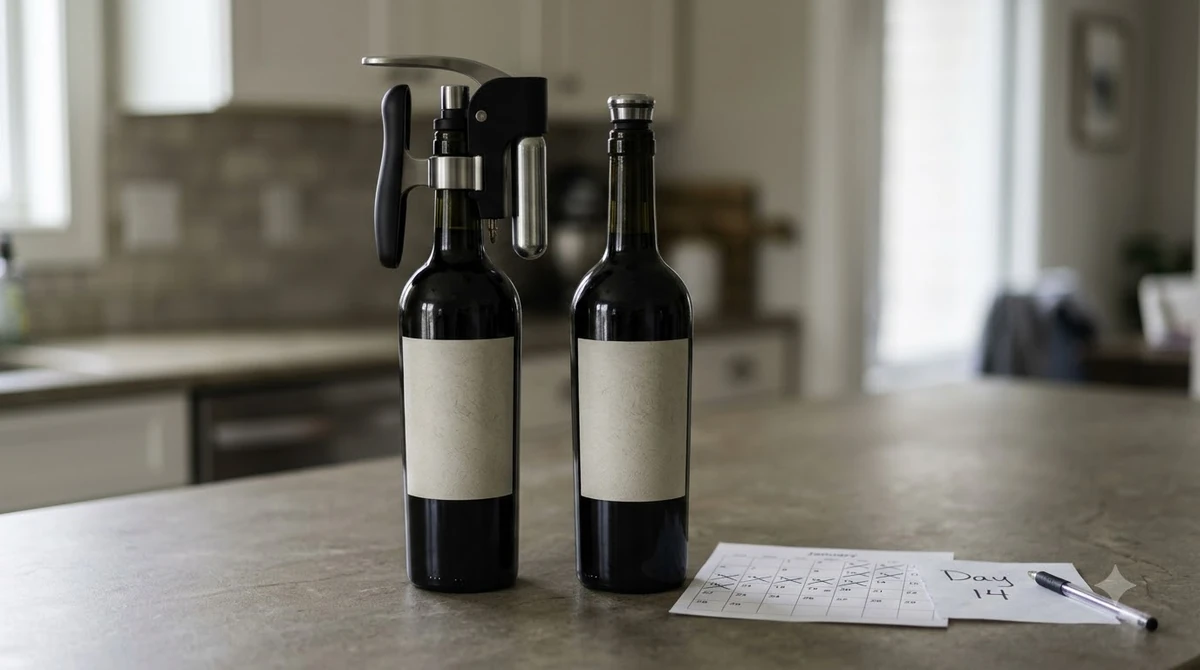
Tip: Because Madeira is already stabilized through heat and oxidation, an opened bottle stays fresh for six months to a year when recorked and stored upright in a cool, dark cabinet.
Food Pairing Across the Sweetness Spectrum
Madeira’s rare combination of savory umami depth and razor-sharp acidity makes it one of the most food-friendly wines at the dinner table, capable of bridging everything from briny appetizers to dark chocolate. Matching the sweetness level of the wine to the richness of the dish prevents either element from overpowering the other.
Dry Sercial acts like a crisp, nutty aperitif and pairs naturally with salted Marcona almonds, green olives, smoked fish, sushi, and clear mushroom consommé. It also handles notoriously difficult vegetables—such as roasted asparagus and artichokes—far better than most dry still white wines. Medium-dry Verdelho steps comfortably into main-course territory alongside seared scallops, roast pork, sautéed wild mushrooms, and semi-firm cow’s-milk cheeses.
As sweetness climbs, medium-sweet Bual shines with aged sheep cheeses, duck confit, spiced walnut tarts, and roasted squash dishes. Full-bodied Malmsey belongs at the end of the meal with bittersweet chocolate truffles, espresso desserts, blue cheese, or a slice of Madeira’s traditional spiced sugarcane honey cake, bolo de mel. Just as planning a focused burgundy wine tasting highlights how subtle shifts in terroir change food affinity, tasting sweet and dry Madeiras side by side at dinner shows how acidity keeps fortified wines lively with food.
How to Choose a Bottle for Your Tasting
Reading a Madeira label comes down to checking three details: the grape or sweetness style, the age designation, and whether the wine was aged in heated tanks or wooden casks. Once you decode those terms, assembling a balanced three-bottle flight at home becomes straightforward.
For an introductory tasting flight, start with a 5-year-old or 10-year-old bottle rather than an entry-level 3-year blend, as extra barrel time softens the spirit and builds genuine roasted-nut complexity. Bottles labeled with a noble grape—Sercial, Verdelho, Bual, or Malmsey—must contain at least 85 percent of that variety and represent the classic varietal benchmark. If a label lists only a sweetness level such as Medium-Dry or Sweet without a grape name, it is almost always crafted from Tinta Negra, which offers reliable value for casual sipping or pan sauces.
Collectors and curious tasters looking for single-harvest character should look for two vintage categories: Colheita, a single-year wine aged in cask for at least five years, and Frasqueira (also labeled Garrafeira), a rare single-vintage wine aged via the traditional canteiro method for a minimum of 20 years before bottling. If you enjoy comparing historic European cellar traditions—whether planning a beaune wine tasting or exploring ancient clay-vessel traditions during a georgia wine tasting—adding one 10-year noble varietal alongside a single-harvest Colheita offers an unforgettable side-by-side comparison.
Frequently Asked Questions
In what order should you taste Madeira wines?
Always taste Madeira from driest to sweetest so residual sugar does not dull your palate for lighter styles. A standard flight begins with Sercial, moves to Verdelho or Rainwater, continues with medium-sweet Bual, and finishes with rich Malmsey. If you are comparing different ages of the same grape, pour younger five-year bottlings before older 15-year or vintage wines.
Do you need to decant Madeira wine before serving?
Young and mid-tier Madeiras up to 15 years old do not require decanting and can be poured straight from the bottle. However, single-vintage Colheita or Frasqueira bottles that have spent decades in cask and bottle may throw fine sediment and benefit from standing upright for 24 hours before pouring through a fine strainer. Opening a very old bottle an hour or two ahead of tasting also helps blow off any initial volatile notes.
How long does an open bottle of Madeira last?
Thanks to fortification and deliberate oxidative aging during production, Madeira is virtually indestructible once opened. A recorked bottle stored upright away from direct sunlight and heat will stay fresh for at least six months, and many producers note that fine casks-aged styles hold their character for over a year. Always use a tight-fitting stopper rather than leaving the bottle uncorked.
What is the difference between Port and Madeira wine?
Both are fortified Portuguese wines, but Port comes from the Douro Valley on the mainland and is aged cool without deliberate heat, preserving primary dark-berry fruit and tannins. Madeira is produced on an Atlantic island and intentionally warmed and exposed to oxygen, transforming bright fruit into flavors of caramel, toasted nuts, and dried citrus backed by higher acidity.
Whether you pour a single chilled glass of Sercial before dinner or line up all four noble grapes with friends, Madeira rewards slow, attentive tasting. Because open bottles last for months without spoiling, you can explore the island’s entire sweetness spectrum at your own pace, one small glass at a time.
More in Wine Regions
 Willcox Wine Trail: Discover Arizona’s High-Elevation Wine CountryUpdated Nov 20, 2026
 Yakima Valley Wine Region: Find the Best Styles to TryUpdated Nov 20, 2026
 Vosne Romanee Wine Tasting: Identify Aromas and Choose Better PairingsUpdated Nov 20, 2026
 Yakima Valley Wine Festival: Find the Best Seasonal Wine EventsUpdated Nov 20, 2026
 Wales Vineyards: Discover Cool-Climate Wines and Where to VisitUpdated Nov 20, 2026
 Yountville Wine Festival: Discover Napa Wines and Local FoodUpdated Nov 20, 2026