

We may earn a commission when you buy through links on this page, at no extra cost to you. Learn more.
When asking is madeira sweet or dry, the accurate answer is that Madeira wine spans the entire spectrum from crisp and dry to rich and lusciously sweet, depending on the specific style on the label. Rather than a single uniform flavor, this Portuguese fortified wine is produced across four primary tiers named after its noble grape varieties—Sercial (dry), Verdelho (medium-dry), Bual (medium-sweet), and Malmsey (sweet). Regardless of where a bottle falls on the sugar scale, every style is unified by bracing natural acidity and signature roasted, nutty, and caramelized aromas created through intentional heat aging.
Many shoppers assume all fortified wines belong strictly on the dessert trolley, a misconception that causes them to overlook some of the most food-friendly bottles in the cellar. Understanding how winemakers control sugar levels during fortification allows you to pick the right bottle for an aperitif, a savory reduction sauce, or an after-dinner pour alongside dark chocolate.
What It Is and How Fortification Shapes Sweetness
Madeira is an oxidized, fortified wine crafted exclusively on the Portuguese archipelago of Madeira in the Atlantic Ocean. Winemakers determine whether a bottle finishes dry or sweet by deciding the exact moment during fermentation to add neutral grape spirit, which halts yeast activity and locks in remaining natural grape sugars.
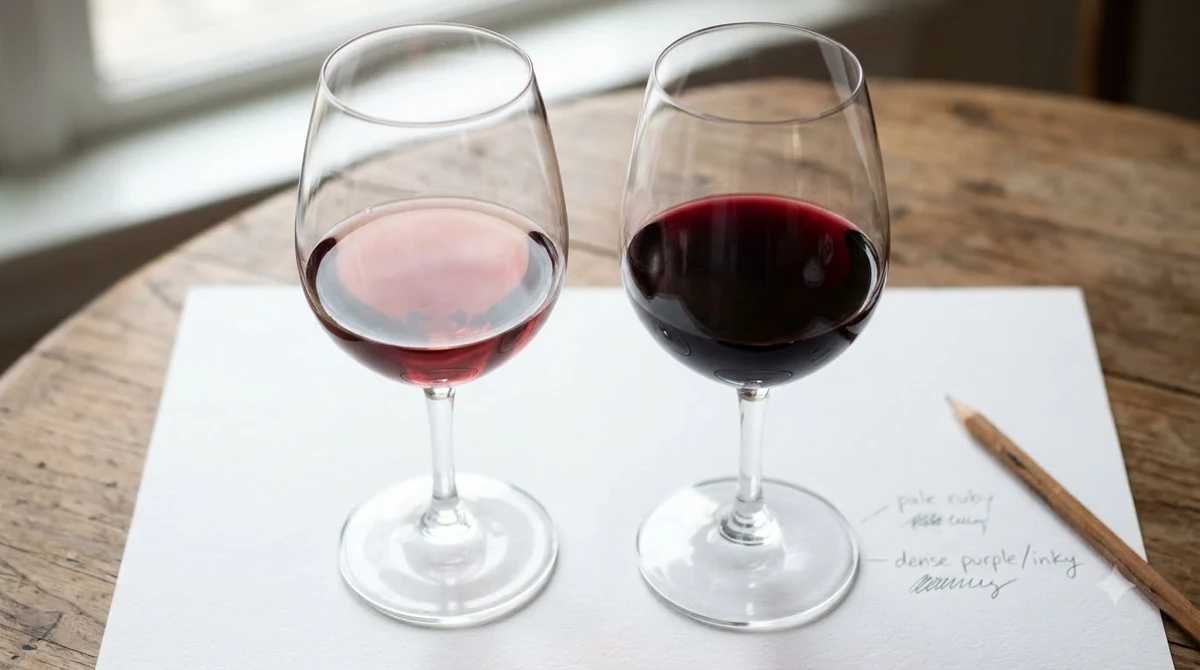
When a winemaker lets yeast ferment almost all the juice before adding the fortifying spirit—typically a clear, flavorless vinous alcohol at 96 percent ABV—the resulting wine contains minimal residual sugar and tastes crisp and savory. Conversely, stopping fermentation early preserves high concentrations of natural grape sugar, producing the velvety, dessert-ready styles that historical figures favored for centuries. Once fortified, final bottles generally sit between 17 and 22 percent ABV.
What separates Madeira from other fortified wines like Port or Sherry is its deliberate exposure to heat and oxygen during maturation. Historically, barrels of wine developed remarkable complexity while enduring tropical temperatures inside the hulls of cargo ships crossing the equator. Modern producers replicate those conditions using either the estufa method—heating wine in stainless steel tanks up to 50 degrees Celsius (122 degrees Fahrenheit) for three months—or the traditional canteiro method, where oak casks warm naturally in sunlit attic lofts for years.
Flavor and Styles: From Bone-Dry to Lusciously Sweet
The easiest way to predict a bottle’s sweetness is to check which of the four classic noble grape varieties appears on the front label. By regional regulation, if a bottle carries a grape name, at least 85 percent of the blend must come from that variety.

Sercial produces the driest, brightest expression of Madeira. Fermented nearly to dryness, it delivers searing acidity alongside notes of lemon peel, green apple, crushed almonds, and a distinct saline edge. Young examples can feel austere, though ten or more years in cask softens the sharp edges into a refined, nutty aperitif.
Verdelho bridges the gap between savory and sweet in a medium-dry style. Stopping fermentation slightly earlier leaves gentle residual sweetness that balances the grape’s natural tartness. Expect layers of dried apricot, toasted walnuts, candied citrus peel, and subtle woodsmoke.
Bual (often spelled Boal) shifts clearly into medium-sweet territory with a deeper amber hue and fuller body. Reviewers at Berry Bros. & Rudd note that Bual showcases rich flavors of fruitcake, dried apricot, caramel, and toasted nuts, developing complex hints of tobacco, orange marmalade, and beeswax with extended barrel age.
Malmsey, made from Malvasia grapes, stands as the richest and sweetest style on the island. Brimming with dark treacle, roasted coffee, dried mission figs, black walnut, and butterscotch, it coats the palate yet never feels cloying because Madeira’s trademark volcanic acidity cuts straight through the sugar.
| Style / Grape | Sweetness Tier | Typical Residual Sugar | Primary Tasting Notes | Best Occasion |
|---|---|---|---|---|
| Sercial | Extra Dry to Dry | Under 59 g/L | Lemon peel, green apple, almond, sea salt | Chilled pre-dinner aperitif |
| Verdelho | Medium-Dry | 54 to 78 g/L | Dried apricot, smoke, toasted nuts, spice | Versatile food pairing |
| Bual (Boal) | Medium-Sweet | 78 to 100 g/L | Toffee, roasted coffee, fig, marmalade | Cheese course or nut tarts |
| Malmsey (Malvasia) | Sweet | Over 100 g/L | Molasses, dark chocolate, dates, butterscotch | After-dinner dessert pour |
You will also encounter a popular blended style called Rainwater, typically crafted from the Tinta Negra grape in a light, pale, medium-dry profile. If you are exploring how sweetness levels work across different categories in our Wine by Type guide, Madeira stands out because even its sweetest tier maintains far higher tartness than standard late-harvest table wines.
Where It Grows
Every authentic bottle of Madeira originates on a small, mountainous volcanic island located roughly 400 miles off the northwest coast of Morocco in the Atlantic Ocean. Steep basalt cliffs, subtropical rainfall, and nutrient-rich volcanic soils shape the character of the island’s vineyards.
Because the terrain rises dramatically from sea level to rugged mountain peaks, growers carve narrow stone terraces called poios into the hillsides to plant vines. Elevation plays a direct role in determining grape selection and ultimate sweetness. High-altitude, cooler plots favor late-ripening Sercial, preserving the razor-sharp acidity needed for dry styles, whereas warmer, lower-elevation slopes near the coast allow Malvasia and Bual grapes to accumulate higher natural sugars before harvest.
This maritime climate also explains why Madeira wines carry a subtle salinity alongside their baked fruit character. Atlantic breezes sweep across the terraced vineyards year-round, while high humidity in the island’s coastal lodges slows evaporation during decades-long aging.
How to Serve and Store Madeira
Serving temperature depends heavily on the sweetness level in your glass, though all styles benefit from being served slightly cooler than a warm living room. Pouring at the right temperature keeps the alcohol integrated and highlights the wine’s bright acidity.
According to Wine Folly, the ideal general serving range for Madeira falls between 55 and 60 degrees Fahrenheit (12 to 15 degrees Celsius), with standard pours measuring around 3 ounces (75 milliliters) due to the elevated alcohol content. Dry Sercial and medium-dry Verdelho shine brightest when chilled toward the lower end of that spectrum—roughly 50 to 55 degrees Fahrenheit—so their citrus and saline notes pop. Richer Bual and Malmsey show their full aromatic layers of roasted coffee, fig, and cacao closer to 60 degrees Fahrenheit.
Use a standard white wine glass or a tulip-shaped tasting glass rather than a tiny cordial thimble, giving the complex roasted aromas room to open up. Unlike delicate dry table wines—or sparkling bottles covered in our guide on is brut champagne sweet or dry—younger Madeira requires no decanting. Only rare, decades-old single-harvest bottles (known as Frasqueira) benefit from standing upright a day before opening to let fine sediment settle.
Tip: Because Madeira is already fully oxidized during production, an opened bottle will stay fresh at room temperature or in a cool cupboard for months—or even over a year—without losing its vibrancy.
Food Pairing Across the Sweetness Scale
Madeira’s combination of savory nuttiness and electric acidity makes it one of the most versatile partners at the dinner table, handling ingredients that clash with ordinary table wines. Matching the wine’s residual sugar to the richness of your dish is the secret to a memorable pairing.
Dry Sercial acts like a squeeze of lemon over salty starters. Pair a chilled glass with roasted Marcona almonds, green olives, smoked salmon, prosciutto, or notoriously tricky green vegetables like grilled asparagus and steamed artichokes.
Medium-dry Verdelho excels alongside savory main courses and rich broths. Its smoky caramel edge complements wild mushroom risotto, roasted chicken, seared pork chops, and split pea or roasted butternut squash soups. If you normally enjoy off-dry pours discussed in our breakdown of is rose sweet or dry, Verdelho offers a similar food-friendly bridge with far deeper toasted complexity.
Medium-sweet Bual and sweet Malmsey belong alongside pungent cheeses and baked desserts. Bual cuts cleanly through salty blue cheese, aged cheddar, and toasted pecan tarts, while Malmsey stands up to dark chocolate ganache, espresso-infused desserts, spiced fruitcake, and crème brûlée.
How to Choose the Right Bottle
Shopping for Madeira becomes simple once you know how to read two details on the label: the style or sweetness indicator and the age statement. Checking both prevents you from accidentally buying a bone-dry aperitif when you wanted an after-dinner sipper.
First, look for either a noble grape name (Sercial, Verdelho, Bual, Malmsey) or an explicit Portuguese sweetness term. Bottles labeled Seco (Dry) or Meio Seco (Medium-Dry) suit savory drinking, whereas Meio Doce (Medium-Sweet) and Doce (Sweet) signal dessert styles. Those who love aromatic, fruit-forward pours—much like readers exploring is moscato sweet or dry—usually gravitate toward Malmsey or a Rainwater blend for their approachable warmth.
Second, check the age tier. Entry-level 3-year-old blends are lighter, fresher, and ideal for deglazing pans to make classic Madeira mushroom sauce. For sipping neat, look for 5-year (Reserve) or 10-year (Special Reserve) bottlings, where extended cask aging integrates the alcohol and layers in deeper notes of roasted hazelnut, orange peel, and warm spice.
Frequently Asked Questions
Is Madeira wine sweet or dry?
Madeira wine is produced in both dry and sweet styles, ranging from bone-dry to lusciously sweet. You can tell which style is inside the bottle by looking for the grape variety on the label: Sercial is dry, Verdelho is medium-dry, Bual is medium-sweet, and Malmsey is sweet.
Does Madeira taste sweeter than Port?
Even the sweetest style of Madeira (Malmsey) tastes noticeably fresher and less syrupy than Ruby or Tawny Port. While both wines contain high levels of residual sugar, Madeira grapes grow on cool volcanic slopes that produce piercing natural acidity, balancing the sweetness on the palate.
What is the best Madeira wine for cooking?
A 3-year-old Rainwater or medium-dry Verdelho blend works best for savory pan sauces, sautéed mushrooms, and braised meats. Avoid using expensive 10-year-old or vintage bottles in the skillet, as high stove heat cooks away the delicate aromatic nuances you pay extra for.
How long does Madeira last after opening?
An opened bottle of Madeira easily lasts six months to over a year without spoiling or turning to vinegar. Because winemakers deliberately expose the wine to heat and oxygen during aging, exposure to air in your kitchen will not degrade its flavor.
Whether you prefer a chilled, saline glass of Sercial before dinner or a velvety pour of Malmsey beside dark chocolate, checking the grape name on the label puts you in complete control of sweetness. Keep a bottle of medium-dry Verdelho in your pantry as an all-purpose staple—it stays fresh for months after opening and transitions effortlessly from a Tuesday night mushroom sauce to an impromptu cheese board.
More in Wine Types & Grapes
 Zinfandel Sugar Content: Dry Red vs. White Zinfandel GramsUpdated Nov 21, 2026
 Best Zinfandel Substitute Options for Sipping and CookingUpdated Nov 21, 2026
 Zweigelt Food Pairing: Best Dishes, Cheeses, and Serving TipsUpdated Nov 21, 2026
 Zinfandel Tannins Explained: How Structure Shapes Every BottleUpdated Nov 21, 2026
 Zinfandel Sweetness Level: Dry Red vs. Sweet White Zin ExplainedUpdated Nov 21, 2026
 Xinomavro Food Pairing: Best Dishes, Styles, and Serving TipsUpdated Nov 21, 2026