

We may earn a commission when you buy through links on this page, at no extra cost to you. Learn more.
A hill country wine tasting centers on the Texas Hill Country AVA, the third-largest American Viticultural Area in the United States, where over 100 wineries pour Mediterranean-style reds and aromatic whites across limestone plateaus and granite hills. Located roughly an hour west of Austin and ninety minutes north of San Antonio, the region centers on U.S. Highway 290 between Johnson City and Fredericksburg. Visitors typically experience seated, educational flights of four to five wines lasting 45 to 90 minutes, with weekend reservations strongly recommended.
Spanning roughly 9 million acres across central Texas, this appellation combines warm, dry growing conditions with rocky limestone and granite soils that favor heat-tolerant varieties over traditional cool-climate grapes. Whether planning a first weekend trip along the corridor or comparing Texas bottlings against other domestic wine regions, understanding how local vineyards, sub-appellations, and tasting rooms operate will help you get the most out of every pour.
Overview of the Texas Hill Country Wine Region
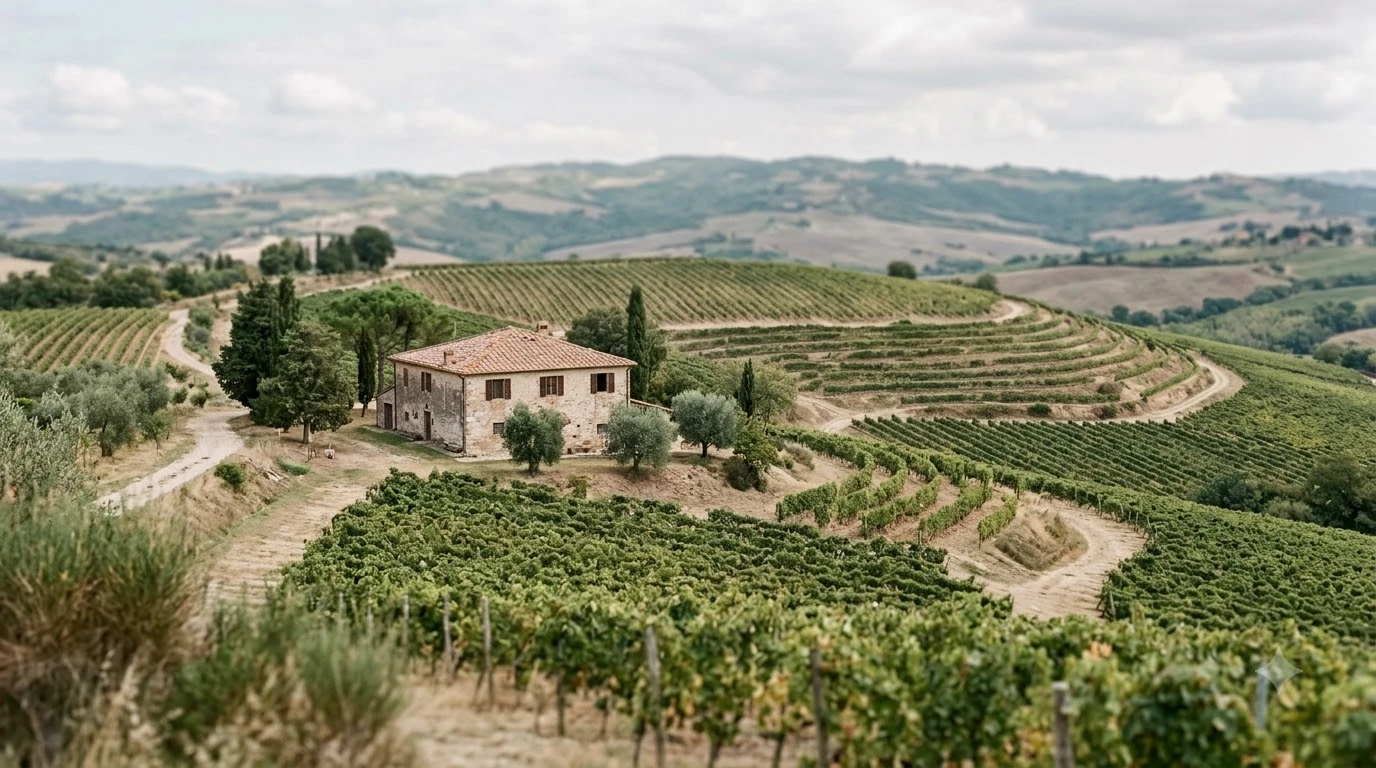
Officially established in 1991, the Texas Hill Country AVA covers approximately 9 million acres—making it the largest appellation in Texas and the third largest in the country, though only around 2,200 acres are actively planted to vines. According to Wine Folly’s Texas Hill Country region guide, elevations range from 800 to 2,200 feet across rolling plateaus, limestone canyons, and river tributaries.
The landscape is shaped by distinct geological transitions, meeting the granite outcroppings of the Llano Uplift and Enchanted Rock to the north and west while shifting toward the limestone-rich Edwards Plateau and Balcones Fault to the east. Annual rainfall averages between 15 and 34 inches, considerably drier than coastal wine growing areas, while free-draining limestone soils naturally restrict vine vigor and concentrate flavor in the berries.
Because vineyard acreage inside the appellation cannot yet meet total tasting room demand, many local producers also source fruit from the Texas High Plains AVA further northwest, where higher altitudes provide cooler nights. When visiting for a Texas Hill Country wine tasting, guests frequently encounter both 100 percent estate-grown Hill Country bottlings and multi-region Texas cuvées side by side on the same flight menu.
Sub-Regions and Tasting Corridors
While the broader appellation stretches across 22 counties, tasting room activity concentrates along a few distinct geographic corridors and two nested sub-appellations. Most visitors anchor their itinerary along U.S. Highway 290, locally known as Wine Road 290, which links Johnson City, Hye, Stonewall, and Fredericksburg.
Within the larger boundary sit two smaller, federally recognized American Viticultural Areas that highlight specific micro-terroirs:
- Bell Mountain AVA: Designated in 1986 as the first AVA entirely within Texas, this compact area north of Fredericksburg features decomposed granite and sandstone soils on elevated slopes suited to structured red varieties.
- Fredericksburg in the Texas Hill Country AVA: Established in 1988, this sub-AVA surrounds the historic German-settled town of Fredericksburg, encompassing sandy loam and limestone benchlands where both production estates and walkable Main Street tasting rooms operate.
- Highway 290 Corridor (Hye and Stonewall): Sitting between Johnson City and Fredericksburg, this stretch hosts the densest cluster of estate vineyards, barrel cellars, and scenic vineyard-view patios.
- Northern Lakes and Burnet Area: Further north near Burnet and the Highland Lakes, granite-heavy soils and lakeside breezes support boutique estates that draw fewer crowds than the central 290 strip.
Each pocket offers a noticeably different pace. Main Street in Fredericksburg allows travelers to walk between several urban tasting lounges without driving, whereas the rural stretches of Hye, Stonewall, and Burnet pair wine flights with open vineyard views and slower-paced estate tours.
Key Grapes and Wine Styles
Texas Hill Country winemakers focus primarily on Mediterranean grape varieties from Spain, southern France, and Italy because they retain natural acidity and develop ripe fruit character in warm, sunny climates. Rather than chasing cool-climate Pinot Noir, growers have found consistent success with thick-skinned reds and textured, aromatic whites.
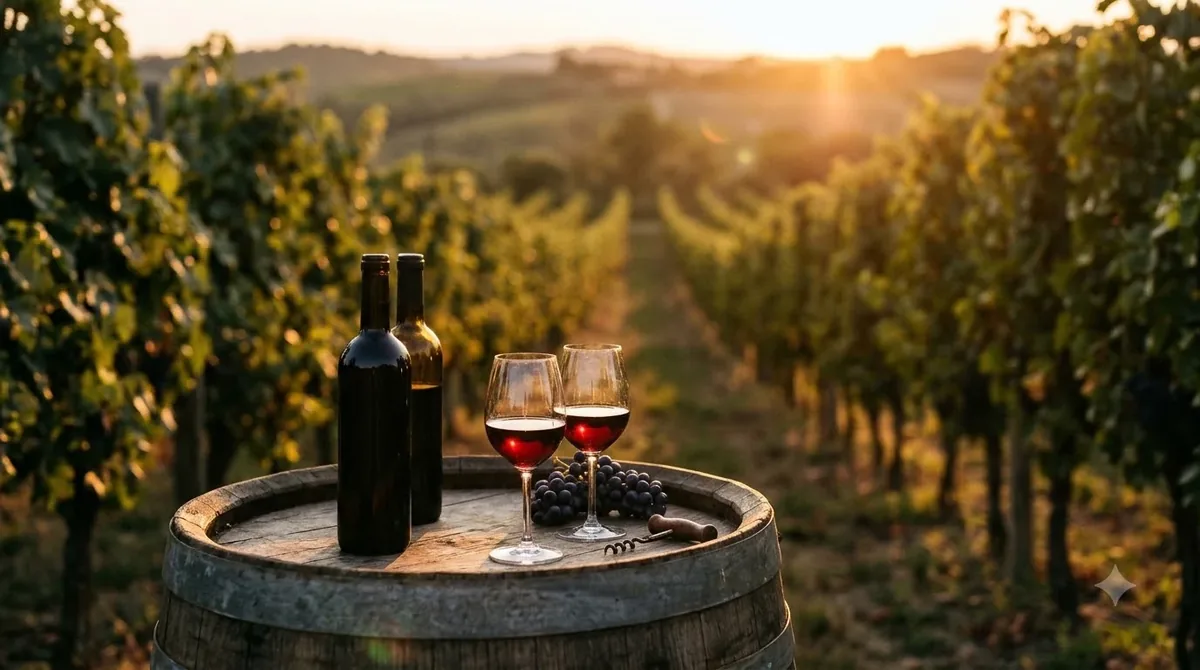
Reviewers at Wine Enthusiast highlight how local warm-climate bottlings balance ripe dark fruit and floral aromatics with savory herb, cracked pepper, and mineral notes driven by limestone and granite soils. Sparkling wines made via the traditional method and dry rosés crafted from Mourvèdre or Grenache also play a major role on warm-weather tasting menus.
| Grape Variety | Origin Heritage | Typical Hill Country Flavor Profile | Common Styles |
|---|---|---|---|
| Tempranillo | Spain | Black cherry, dried fig, violet, cedar, savory herbs | Single-varietal oak-aged reds, Iberian blends |
| Tannat | Southwest France | Blackberry, black plum, cocoa, roasted meat, firm tannins | Full-bodied cellar reds, structured blends |
| Mourvèdre | Southern France / Spain | Dark raspberry, cracked black pepper, game, wild herbs | GSM blends, dry Provençal-style rosé |
| Viognier | Northern Rhône, France | Honeysuckle, white peach, tangerine peel, ginger | Aromatic dry whites, lightly oaked cuvées |
| Picpoul Blanc | Languedoc, France | Key lime, tart pineapple, green apple, saline minerality | Crisp stainless-steel whites, sparkling bases |
| Sangiovese & Aglianico | Italy | Roasted cherry, cranberry, licorice, leather, bright acidity | Food-friendly reds, rustic Italian-style blends |
Dryness levels span the full spectrum across the region. Serious estate producers specialize in bone-dry varietal wines and Rhône-style blends, while several historic venues also pour off-dry and sweet fruit-forward wines aimed at casual travelers.
Notable Producers and Tasting Experiences
Across the region’s more than 100 wineries, estates range from pioneering legacy operations to small-lot, terroir-driven cellars emphasizing 100 percent Texas-grown fruit. Checking producer philosophies ahead of time helps match your itinerary to the style of wine and hospitality you prefer.
Pioneering names such as Becker Vineyards in Stonewall and Messina Hof in Fredericksburg helped establish early viticulture and large-scale hospitality in the area, offering expansive grounds, lavender fields, and broad portfolios. Meanwhile, producers like William Chris Vineyards in Hye, Pedernales Cellars in Stonewall, and Bending Branch Winery in Comfort have earned widespread critical attention for single-vineyard Tempranillo, Tannat, and Rhône blends.
Other noteworthy stops frequently recognized by regional wine publications include Perissos Vineyard and Winery in Burnet—known for estate-grown Aglianico, Petite Sirah, and Picpoul Blanc—alongside Calais Winery in Hye for intimate French-style barrel tastings, Kuhlman Cellars for structured food-and-wine pairings, and Heath Sparkling Wines for dedicated sparkling flights.
Practical Tips for Planning Your Tasting Route
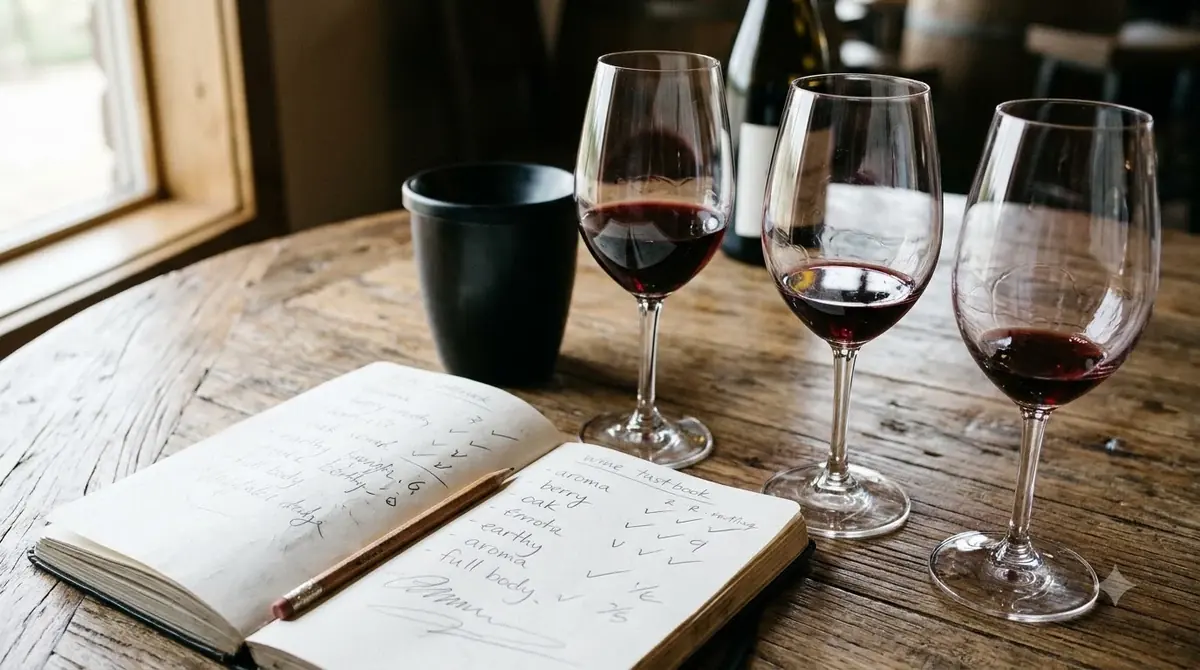
Most Hill Country tasting rooms have shifted away from stand-up bar pours in favor of seated, guided flights that last 45 to 90 minutes. Planning your route around reservation policies, drive times, and midweek schedules prevents the most common scheduling bottlenecks.
Because Highway 290 stretches roughly 30 miles between Johnson City and Fredericksburg with busy weekend traffic, limiting your schedule to three wineries per day leaves enough time to enjoy each flight, eat lunch, and travel safely. Many tasting rooms close on Mondays and Tuesdays, while Wednesdays and Thursdays offer relaxed seating and easier access to winemakers or senior educators.
Tip: Book Saturday tastings at least two to three weeks ahead, and alternate between vineyard estates along Highway 290 and walkable tasting rooms in downtown Fredericksburg to minimize driving between pours.
If you are traveling with a group of six or more, nearly every winery requires advance group reservations and may offer a dedicated private tasting menu. When mapping out stops along the Hill Country wine trail, scheduling a food-paired tasting around midday helps pace your palate before afternoon red flights.
How to Buy and Bring Hill Country Wines Home
Many small-production Texas Hill Country bottlings never enter national retail distribution, meaning the tasting room is often the only place to acquire single-vineyard reserves and limited releases. Understanding local club perks, shipping rules, and travel options makes bringing bottles home straightforward.
Tasting rooms routinely waive or credit a portion of your tasting fee when you purchase a set number of bottles or join their wine club. Wine clubs in the region typically ship two to four times per year—scheduled during cooler spring and autumn months to protect bottles from summer heat—and include complimentary tastings on return visits.
For visitors flying into Austin or San Antonio, padded wine check-in suitcases or winery-provided twelve-bottle pulp shippers allow you to transport purchases safely as checked luggage. Unlike classic European destinations such as a Beaune wine tasting where négociants export widely to U.S. shops, buying directly from Texas producers remains the most reliable way to cellar top vintages.
Frequently Asked Questions
How many wineries should you visit in one day in the Texas Hill Country?
Three wineries is the ideal daily limit for most visitors. Because tastings are predominantly seated experiences lasting 45 to 90 minutes each, fitting in three stops plus lunch creates a comfortable six-hour itinerary without rushing or palate fatigue.
Do you need reservations for a hill country wine tasting?
Reservations are strongly recommended for Friday through Sunday visits and are strictly required at many boutique estates on Saturdays. Walk-ins are much easier to accommodate on Wednesdays and Thursdays, though booking ahead guarantees seated patio or cellar service.
What types of wine is Texas Hill Country best known for?
The region is best known for warm-climate Mediterranean red wines—especially Tempranillo, Tannat, Mourvèdre, and Sangiovese—alongside aromatic whites like Viognier and crisp Picpoul Blanc. Dry rosés and traditional-method sparkling wines are also widely produced across the appellation.
When is the best time of year to visit Texas Hill Country wineries?
Spring (March through May) and autumn (October through November) offer the most pleasant daytime temperatures, blooming wildflowers, and active vineyard scenery. October is especially popular because it coincides with Texas Wine Month and post-harvest celebrations across local tasting rooms.
Exploring Texas wine country rewards curious drinkers who look beyond traditional Bordeaux and Burgundy grapes in favor of sun-loving Mediterranean varieties. With a little advance planning around reservations and sub-regions, a hill country wine tasting delivers memorable hospitality and a clear taste of central Texas terroir.
More in Wine Regions
 Willcox Wine Trail: Discover Arizona’s High-Elevation Wine CountryUpdated Nov 20, 2026
 Yakima Valley Wine Region: Find the Best Styles to TryUpdated Nov 20, 2026
 Vosne Romanee Wine Tasting: Identify Aromas and Choose Better PairingsUpdated Nov 20, 2026
 Yakima Valley Wine Festival: Find the Best Seasonal Wine EventsUpdated Nov 20, 2026
 Wales Vineyards: Discover Cool-Climate Wines and Where to VisitUpdated Nov 20, 2026
 Yountville Wine Festival: Discover Napa Wines and Local FoodUpdated Nov 20, 2026