

We may earn a commission when you buy through links on this page, at no extra cost to you. Learn more.
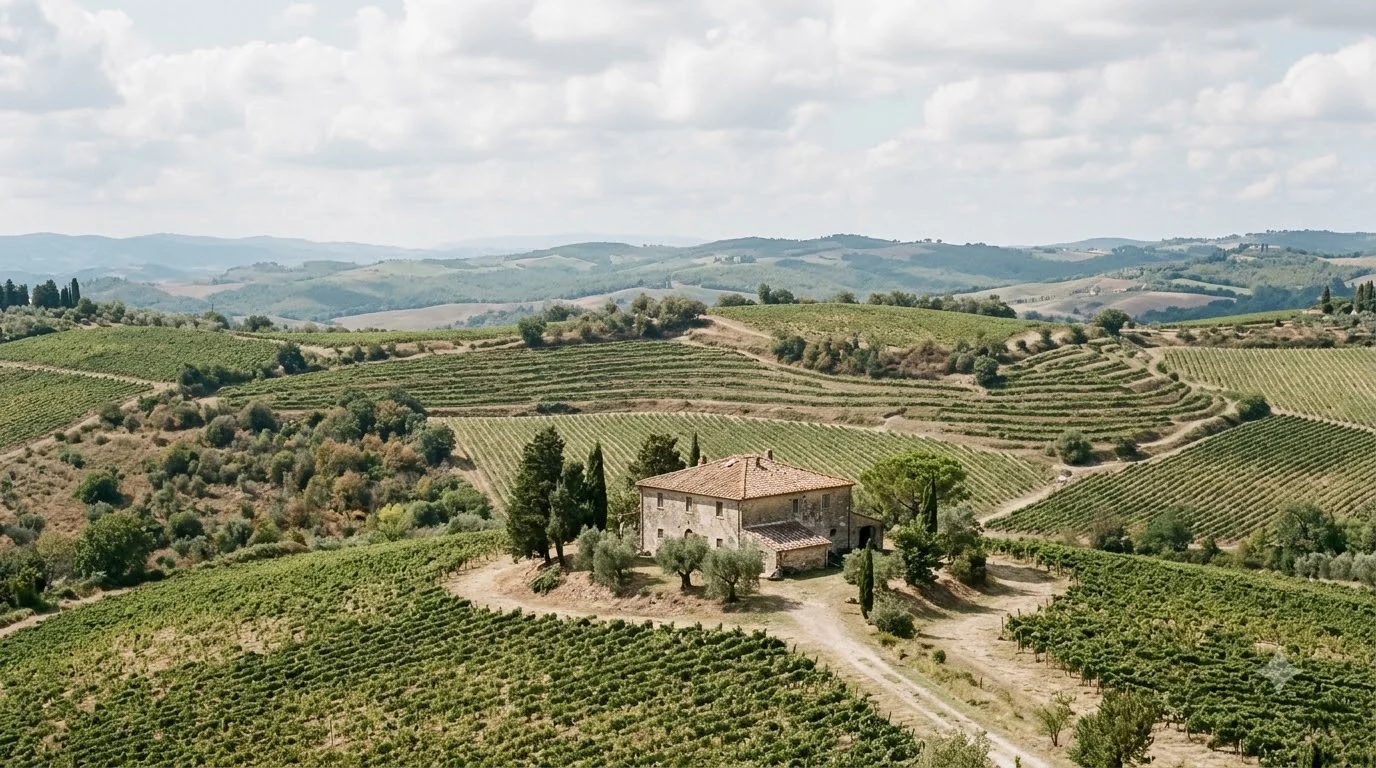
Texas hill country wine tasting centers on more than 100 wineries and tasting rooms spread across Central Texas between Austin and San Antonio, where warm, sunny days and limestone-rich soils produce bold Mediterranean and Rhône-style wines. Established in 1991, the Texas Hill Country American Viticultural Area (AVA) spans roughly nine million acres across elevations from 800 to 2,200 feet, making it the third-largest AVA in the United States. Visitors primarily explore along the U.S. Highway 290 corridor near Fredericksburg, Johnson City, and Stonewall to sample expressive reds like Tempranillo, Tannat, and Mourvèdre alongside aromatic whites such as Viognier and Roussanne.
Once dismissed by wine traditionalists as an improbable frontier for fine viticulture, Central Texas has matured into one of the most active wine tourism destinations in North America. Whether you are planning a weekend along Highway 290 or trying to understand what sets these bottles apart on a restaurant list, knowing the region’s geography, grape varieties, and tasting room culture makes every pour far more rewarding.
Overview of the Texas Hill Country AVA
Located immediately north of San Antonio and west of Austin, the Texas Hill Country AVA is the largest viticultural area in Texas and a hub for wine hospitality. Although the boundary encompasses around nine million acres of rolling karst hills, rivers, and plateaus, roughly 2,220 acres are currently planted to grapevines, with new vineyard acreage added annually.
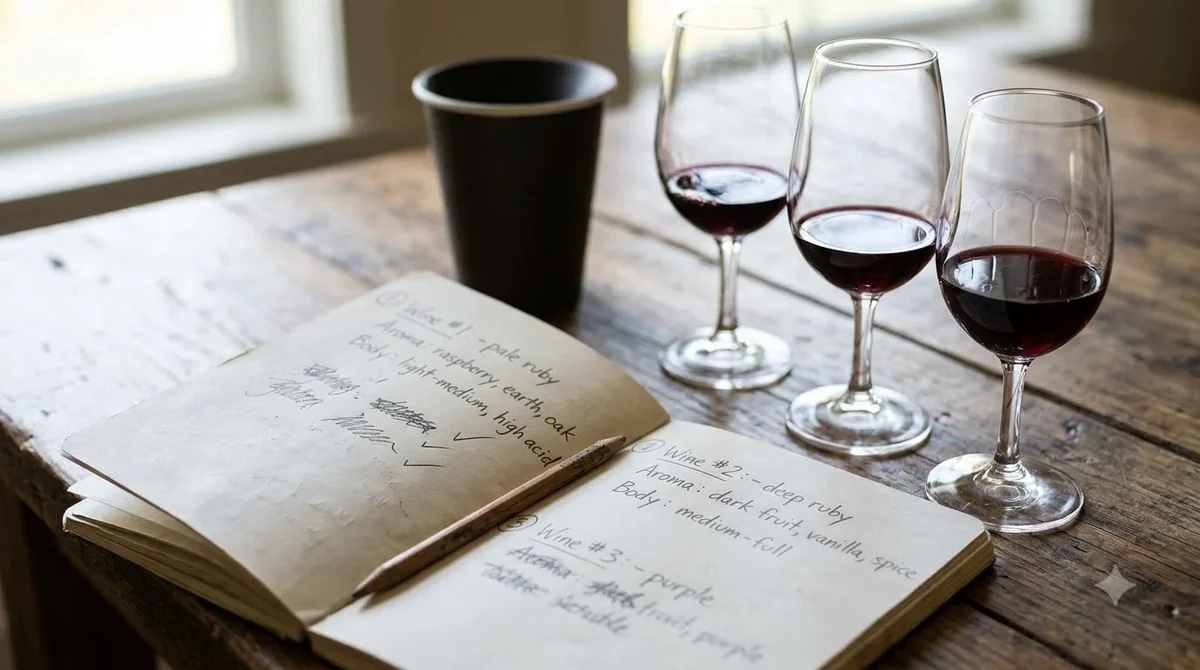
To understand the Wine Regions of Texas, it helps to separate grape growing from cellar hospitality. While the Texas High Plains AVA hundreds of miles to the northwest supplies a substantial share of the state’s commercial wine grapes, the Hill Country serves as the focal point for winemaking facilities, estate vineyards, and visitor tasting rooms. Because of this dynamic, a typical tasting flight in Fredericksburg or Driftwood showcases bottles crafted from estate Hill Country fruit right alongside single-vineyard releases sourced from the High Plains.
Climate and geology dictate nearly every decision in local vineyards. Annual rainfall ranges between 15 and 34 inches, significantly drier than coastal regions, while ancient marine limestone, sandy loam, and fractured granite enforce natural drainage and keep vine vigor in check. Pronounced day-to-night temperature swings help grapes hold onto natural acidity during a long, warm growing season, yielding wines that balance ripe dark fruit with an earthy, mineral finish.
Sub-Regions and Tasting Corridors
Within the broader Texas Hill Country boundary sit two distinct nested sub-AVAs alongside several well-traveled tasting corridors centered around historic towns. Each pocket reflects subtle shifts in elevation, bedrock, and airflow that influence both vineyard performance and the visitor experience.
Fredericksburg in the Texas Hill Country AVA: Established in 1988 across 70,400 acres in Gillespie County, this sub-region sits between 1,200 and 1,900 feet above sea level. Gentle slopes encourage steady air circulation that mitigates spring frost risk, while alluvial flint, clay loam, and sandy loam soils support structured reds and crisp whites. Fredericksburg itself serves as the commercial anchor for hill country wine tasting, offering dozens of tasting rooms on Main Street and along the adjacent stretch of U.S. Highway 290.
Bell Mountain AVA: Designated in 1986, Bell Mountain holds the distinction of being the first official AVA located entirely within Texas. Situated north of Fredericksburg at elevations reaching 1,600 to 2,000 feet, its rugged granite-dominated terrain drains rapidly and imparts firm structure and pronounced minerality to Cabernet Sauvignon, Merlot, and Viognier.
Eastern Gateway and Highway 290 Corridor: Heading west out of Austin, visitors encounter clusters of wineries around Dripping Springs, Driftwood, and Spicewood before connecting to Johnson City, Hye, and Stonewall. Farther south, Comfort and New Braunfels round out the region’s southern edge, allowing travelers to structure multi-day itineraries without backtracking.
Key Grapes and Wine Styles
Rather than forcing cool-climate varieties like Pinot Noir to endure scorching Texas summers, local winemakers lean heavily into heat-tolerant grapes from Spain, southern France, and Italy. Reviewers at VinePair note that these warm-climate varieties echo the savory structure of southern French and Iberian bottles while delivering a distinctly bold, juicy fruit profile.
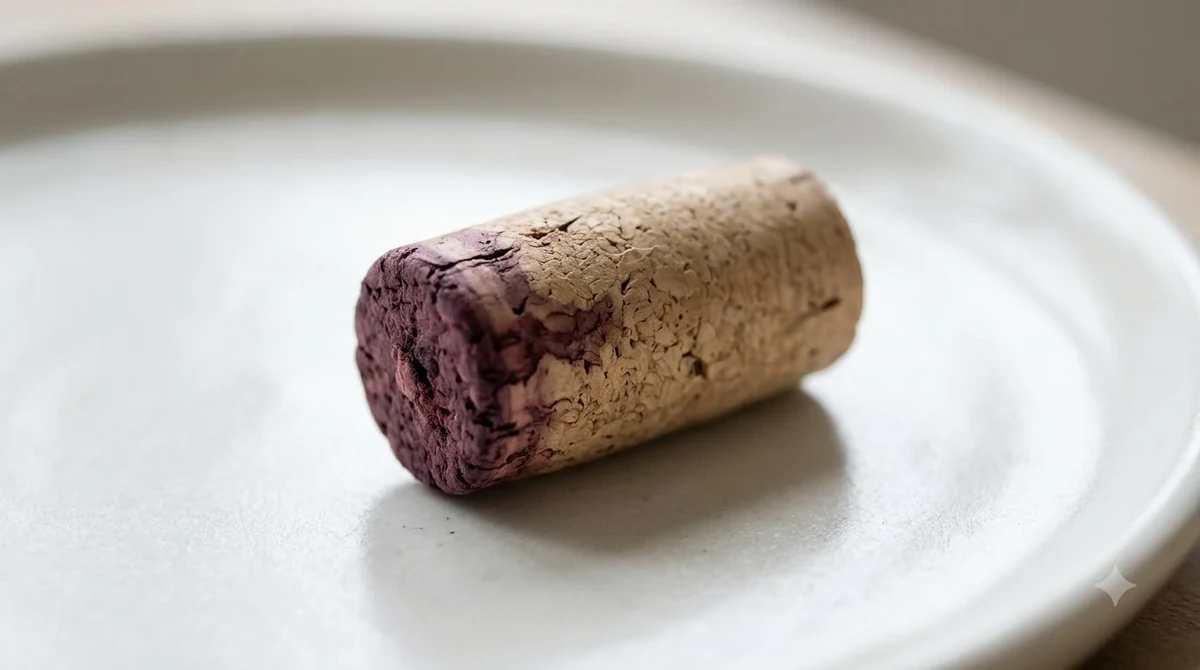
Tempranillo has emerged as the flagship red grape across the region, prized for its ability to ripen reliably while retaining bright acidity. Depending on oak aging and vineyard elevation, Texas Tempranillo displays notes of black cherry, dried fig, leather, and savory spice. Tannat—a thick-skinned grape originally native to Southwest France—has also found a stronghold here, producing deeply pigmented, full-bodied reds with firm tannins and dark berry concentration.
On the white and rosé side of the tasting menu, Rhône varieties lead the way. Viognier thrives in the limestone hills, offering aromatic layers of white peach, honeysuckle, and citrus zest without feeling heavy on the palate. Roussanne, Marsanne, Mourvèdre, and Sangiovese appear frequently both as single-varietal bottlings and in textured Mediterranean blends.
| Grape Variety | Style & Body | Primary Tasting Notes | Typical Food Pairing |
|---|---|---|---|
| Tempranillo | Medium-to-full-bodied red | Black cherry, plum, tobacco, baking spice, earthy finish | Smoked brisket, grilled lamb chops, aged Manchego |
| Tannat | Full-bodied, high-tannin red | Blackberry, dark cocoa, cracked black pepper, roasted meat | Ribeye steak, beef short ribs, rich chili |
| Mourvèdre | Structured red or dry rosé | Red currant, wild herbs, white pepper, dried cranberry | Pulled pork, charcuterie boards, roasted poultry |
| Viognier | Aromatic, medium-bodied white | White peach, honeysuckle, pineapple, Meyer lemon | Grilled Gulf shrimp, peach salad, mild soft cheeses |
| Roussanne | Textured, medium-plus white | Baked pear, beeswax, toasted almond, chamomile | Roast chicken, creamy pasta, pork tenderloin |
Notable Producers Along the Wine Trail
Because more than 60 member wineries belong to the Texas Hill Country Wineries trade association alone, tasting rooms range from intimate family-run cellars to expansive architectural estates. According to Decanter, several trailblazing estates have defined the modern quality benchmark for visitors exploring the region.
In Hye and Stonewall, William Chris Vineyards and Pedernales Cellars anchor the Highway 290 experience. William Chris focuses exclusively on 100 percent Texas-grown fruit across Rhône, Bordeaux, and Iberian varieties, while Pedernales Cellars has earned widespread recognition for benchmark Viognier and reserve Tempranillo bottlings. Nearby in Fredericksburg, historic estates such as Becker Vineyards and Grape Creek Vineyards showcase classic estate grounds alongside diverse tasting flights.
Off the central Highway 290 stretch, specialized producers highlight the region’s stylistic range. In Comfort, Bending Branch Winery has built its reputation as a leading Tannat specialist, crafting everything from sparkling rosé to single-vineyard red expressions. Over in Driftwood, Duchman Family Winery focuses on Italian varieties including Vermentino, Trebbiano, Sangiovese, and Aglianico, offering shaded oak groves that contrast with the busy main thoroughfare.
Practical Tips for Planning Your Tasting Trip
Exploring a wine region that spans millions of acres requires a realistic itinerary and advance preparation. Unlike compact European wine towns—such as when planning a beaune wine tasting where dozens of cellars sit within walking distance—the Hill Country involves scenic highway drives between rural estates.
Book reservations in advance: Walk-in tastings are sometimes available on quiet weekdays, but Friday through Sunday appointments are mandatory at most top wineries. Aim for no more than three or four winery visits in a single day, spacing reservations at least 90 minutes to two hours apart so you can enjoy seated flights without rushing.
Time your visit and arrange transportation: Spring wildflower season (March through May) and autumn harvest (September through November) bring the most comfortable patio weather, while mid-summer temperatures regularly climb into the high 90s. Designate a sober driver or hire a local shuttle service out of Fredericksburg or Austin, and map your stops geographically along a hill country wine trail so you are not zigzagging across county roads.
Tip: Ask your tasting room host whether a bottle is made from 100 percent Texas-grown fruit; under federal labeling rules, an American Viticultural Area designation requires at least 85 percent of the grapes to come from within that stated AVA, helping you distinguish true Hill Country estate wines from Texas High Plains blends.
How to Buy and Bring Wine Home
Most Texas Hill Country wineries produce small-to-medium annual runs that sell predominantly through their tasting rooms and wine clubs rather than national retail chains. Tasting fees are frequently waived or credited toward bottle purchases, and many properties offer multi-bottle case discounts on-site.
If you are flying home, check airline policies before packing your suitcase—several domestic carriers allow travelers departing from Austin or San Antonio to check a properly packed wine shipper box free of charge. For visitors who prefer not to travel with bottles in warm weather, nearly every estate offers direct-to-consumer shipping to most U.S. states, often holding shipments until cooler autumn or spring temperatures protect the wine in transit.
Frequently Asked Questions
How many wineries can you visit in one day in Texas Hill Country?
Three to four wineries is the ideal pace for a full day of tasting in Texas Hill Country. Most estates now offer seated, guided tastings lasting 60 to 90 minutes, and driving between properties along Highway 290 or rural ranch roads takes 15 to 30 minutes per leg.
Do you need reservations for Texas Hill Country wine tasting?
Yes, reservations are strongly recommended and often required on weekends, holidays, and during peak spring and fall seasons. While a few Main Street tasting rooms in Fredericksburg and some estates accommodate weekday walk-ins, booking one to two weeks ahead guarantees seated service.
What wine is Texas Hill Country best known for?
Texas Hill Country is best known for Mediterranean and Rhône grape varieties that thrive in warm, sunny climates and limestone soils. Tempranillo and Tannat lead the red wine category, while Viognier, Roussanne, and dry Mourvèdre rosés are standout white and pink styles.
When is the best time of year to go wine tasting in Fredericksburg, Texas?
March through May and October through November offer the best weather for outdoor patio tastings, vineyard views, and mild daytime temperatures. Summer brings intense heat and requires morning appointments or indoor cellar tastings, while winter offers quieter tasting rooms and easy weekday access.
Approaching Texas Hill Country with an eye toward its Mediterranean grapes, limestone geology, and reservation-driven hospitality turns a simple weekend road trip into an educational tasting experience. By focusing on varieties like Tempranillo, Tannat, and Viognier and pacing your itinerary along Highway 290, you can experience firsthand why Central Texas has earned a permanent place on the American wine map.
More in Wine Regions
 Willcox Wine Trail: Discover Arizona’s High-Elevation Wine CountryUpdated Nov 20, 2026
 Yakima Valley Wine Region: Find the Best Styles to TryUpdated Nov 20, 2026
 Vosne Romanee Wine Tasting: Identify Aromas and Choose Better PairingsUpdated Nov 20, 2026
 Yakima Valley Wine Festival: Find the Best Seasonal Wine EventsUpdated Nov 20, 2026
 Wales Vineyards: Discover Cool-Climate Wines and Where to VisitUpdated Nov 20, 2026
 Yountville Wine Festival: Discover Napa Wines and Local FoodUpdated Nov 20, 2026