

We may earn a commission when you buy through links on this page, at no extra cost to you. Learn more.
Aloxe corton wine is a structured, full-bodied red Pinot Noir (alongside a tiny fraction of white Chardonnay) produced at the northern edge of Burgundy’s Côte de Beaune in France. Pronounced “ah-loss cor-tohn,” this village appellation sits at the foot of the famous Corton hill and bridges the lighter, silky style of southern Beaune with the firmer, power-driven reds of the Côte de Nuits. Established as an official Appellation d’Origine Contrôlée in 1938, it delivers deep ruby color, concentrated red and black fruit, and firm tannins built to age for 3 to 15 years.
For wine drinkers who find standard Côte de Beaune Pinot Noir a little too delicate, Aloxe-Corton offers an appealing middle ground with extra grip and savory depth. Understanding how its soils, village boundaries, and 14 Premier Cru vineyards shape each bottle makes choosing and serving one straightforward.
What Aloxe-Corton Wine Is
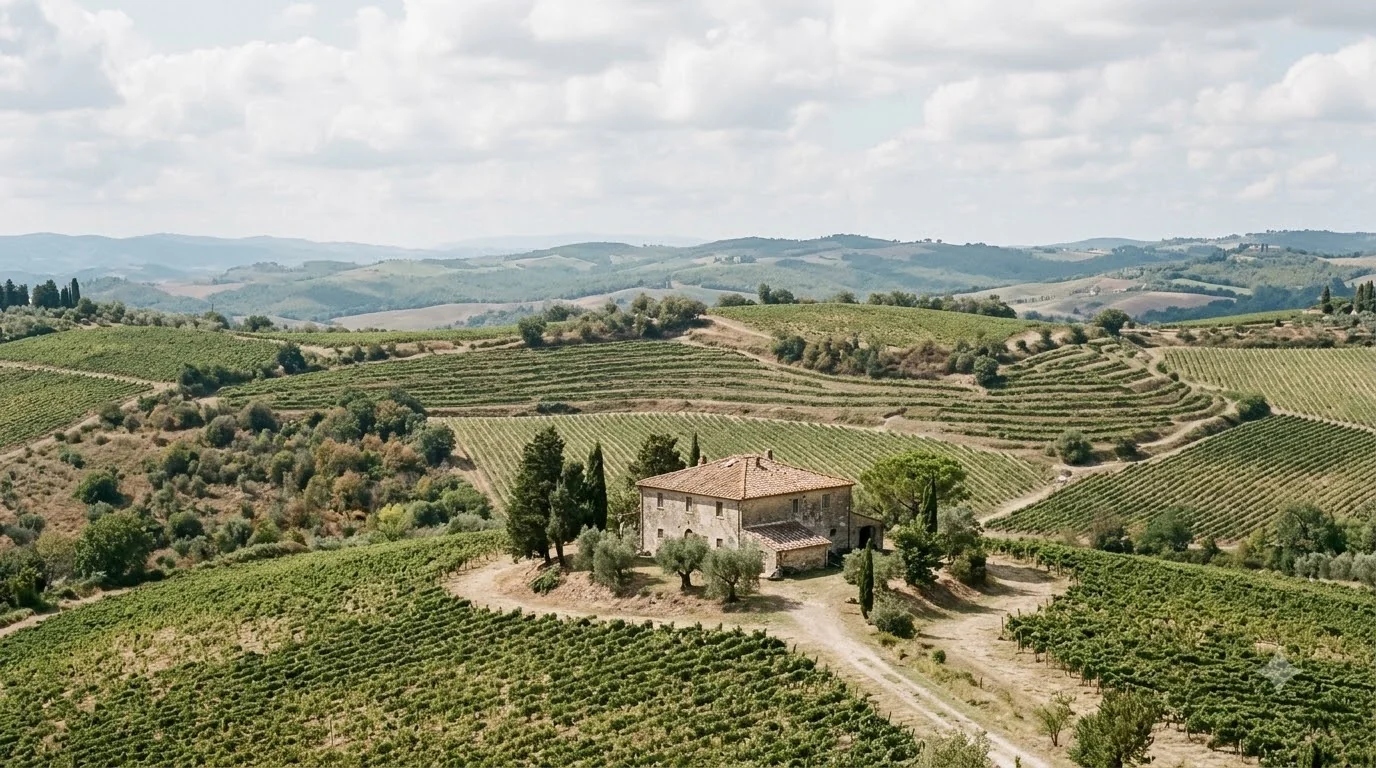
Aloxe-Corton is a French village-level Appellation d’Origine Contrôlée (AOC) located in the Côte-d’Or department of Burgundy, specifically at the northern gateway of the Côte de Beaune. Unlike many neighboring communes known for supple, early-drinking reds or crisp whites, Aloxe-Corton is overwhelmingly red wine country.
According to the Bourgogne Wine Board (BIVB), vineyards under the Aloxe-Corton appellation cover roughly 112.62 hectares (about 278 acres) planted to Pinot Noir, compared to just 1.62 hectares (around 4 acres) dedicated to white Chardonnay. Annual output averages 4,649 hectoliters of red wine and only 54 hectoliters of white, making white village-level Aloxe-Corton a genuine rarity outside France.
The village originally went simply by Aloxe until 1862, when local growers appended the name of their celebrated Corton vineyard hillside—a common nineteenth-century practice across Burgundy. While the Corton hill itself holds separate Grand Cru titles (Corton for reds and whites, plus Corton-Charlemagne and Charlemagne for whites), the Aloxe-Corton AOC governs the Village and Premier Cru wines grown on the lower and mid-level slopes surrounding the village and neighboring Ladoix-Serrigny.
Flavor Profile and Wine Styles
In the glass, red Aloxe-Corton displays a noticeably darker hue than many of its Côte de Beaune peers, shifting from deep ruby and crimson in its youth toward brick-tinged garnet as it matures. Its flavor profile balances vibrant orchard and forest berries with earthy, structural grip.
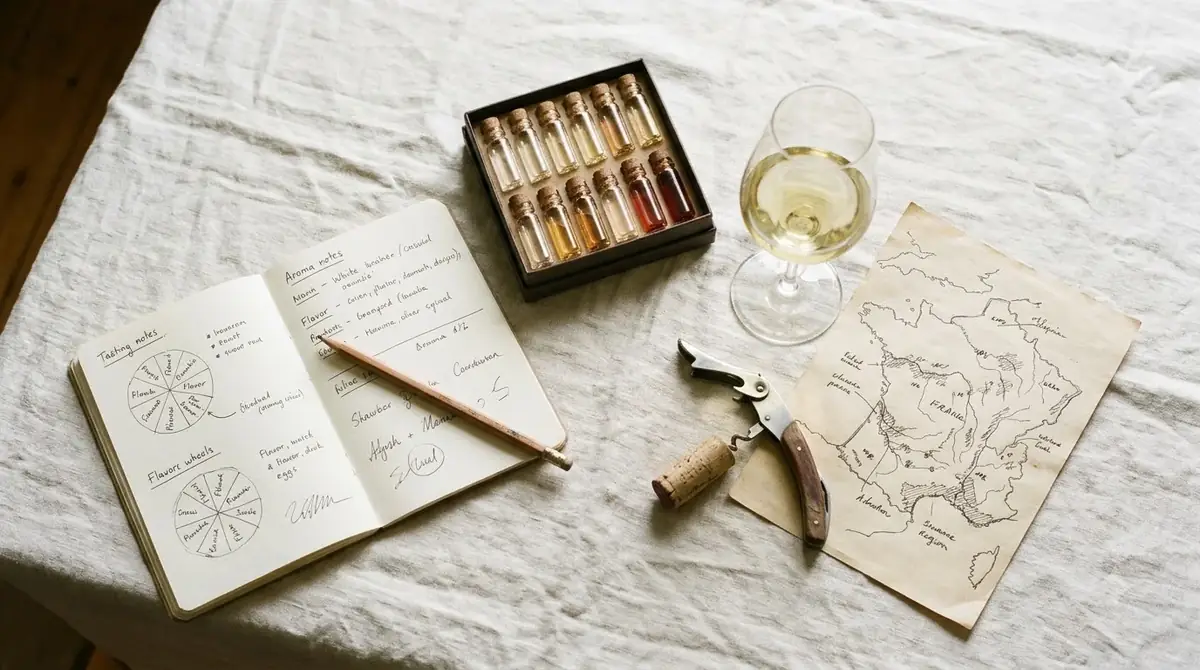
Young bottles open with bright aromas of raspberry, strawberry, blackcurrant, and blackberry, often accompanied by floral hints of peony or violet. Because the local soils contain substantial clay, iron-rich marl, and limestone debris, the palate feels broader and chewier than typical Côte de Beaune Pinot Noir, backed by firm, well-defined tannins and lively acidity.
With three to five years in the cellar—and up to 15 years for top Premier Cru bottlings—primary fruit softens into complex tertiary notes. Mature examples develop layers of brandied cherries, dried prune, leather, forest floor, mushroom, truffle, and warm baking spices like cinnamon and licorice. The rare white Chardonnay bottles, meanwhile, emphasize orchard fruit, toasted hazelnut, and stony minerality with rich mid-palate weight.
| Classification Tier | Primary Grape | Vineyard Area (Approx.) | Typical Cellar Window | Key Style Traits |
|---|---|---|---|---|
| Aloxe-Corton Village (Red) | Pinot Noir | 78.93 hectares | 3 to 8 years | Deep ruby color, crunchy red and black berries, firm tannins, savory finish |
| Aloxe-Corton Premier Cru (Red) | Pinot Noir | 33.69 hectares | 5 to 15 years | Greater concentration, darker fruit, layered spice, truffle and leather with age |
| Aloxe-Corton Village & Premier Cru (White) | Chardonnay | 1.62 hectares total | 3 to 10 years | Very scarce production, medium-to-full body, mineral tension, orchard fruit |
Where It Grows and Key Climats
Geographically, Aloxe-Corton marks the exact transition point where the steeper, sharper escarpment of the Côte de Nuits softens into the gentler rolling valleys of the Côte de Beaune. Vineyards sit at elevations between 200 and 300 meters (roughly 650 to 980 feet) with predominantly east- and southeast-facing exposures that capture morning sun.
Soil composition shifts markedly from north to south across the commune, creating distinct micro-styles even within the same village label. Parcels toward the northern border near Ladoix-Serrigny sit on lighter, pebbly limestone soils that yield brighter, more aromatic, and fruit-forward Pinot Noir. Toward the southern boundary approaching Chorey-lès-Beaune and Savigny-lès-Beaune, heavier reddish-brown clay and flinty limestone debris known locally as chaillots produce firmer, denser wines that require extra bottle age.
Within the appellation, 14 individual vineyard sites—known in Burgundy as Climats—hold Premier Cru status, covering 33.69 hectares of red vines and 0.27 hectares of white. Notable Premier Cru names you will see printed right after Aloxe-Corton on the label include Les Fournières, Les Valozières, Les Chaillots, Les Maréchaudes, Clos du Chapitre, Les Vercots, Les Paulands, and Les Guérets. Exploring how single-vineyard sites shape flavor is one of the best ways to understand classic Wine Regions across Europe.
How to Serve Aloxe-Corton Wine
Serving Aloxe-Corton at the proper temperature and giving it adequate air prevents its youthful tannins from tasting overly astringent or closed. Treat it with the same care you would give a structured Côte de Nuits red rather than a light picnic Pinot Noir.
The Bourgogne Wine Board recommends serving red Aloxe-Corton between 15°C and 16°C (59°F to 61°F), while producers like Maison Louis Latour suggest 14°C to 15°C (57°F to 59°F) for younger, fresher vintages. Serving the bottle too warm—at standard 72°F room temperature—flattens its bright acidity and accentuates alcohol, whereas chilling it below 55°F tightens the tannins and mutes floral aromatics.
Use a large, wide-bowled Burgundy glass so the delicate berry, violet, and earthy aromas can collect above the wine. If you open a bottle under five years old, decant it for 45 to 60 minutes before pouring to soften the tannic frame. For bottles older than eight to ten years, skip heavy decanting and simply pour gently into the glass to avoid disturbing fine sediment or dissipating fragile aged aromatics.
Tip: Put your bottle of red Aloxe-Corton in the refrigerator for 20 to 25 minutes before opening so it hits the ideal 59°F cellar temperature.
Food Pairing Ideas
Because Aloxe-Corton carries more tannic backbone and mid-palate muscle than most Côte de Beaune reds, it pairs naturally with rich, savory dishes featuring seared meats, umami-heavy sauces, and aged cheeses. Its brisk acidity cuts cleanly through fat while its firm tannins bind to protein.
Classic French regional pairings remain hard to beat. Roasted or braised meats—such as coq au vin, pan-seared duck breast, herb-crusted rack of lamb, or a well-marbled ribeye steak—match the wine’s intensity without overwhelming its red-fruit core. Slow-cooked beef bourguignon or dishes finished with reduced brown veal stock also echo the savory, earthy undertones found in mature bottles.
For non-meat or globally inspired meals, look toward earthy vegetables and warm spices. Wild mushroom risotto, roasted portobello steaks, or lentil stews highlight the truffle and forest-floor notes in older vintages. Spiced North African dishes like lamb tagine or vegetable couscous also work remarkably well, as do washed-rind French cheeses such as Époisses, Livarot, and Ami du Chambertin.
How to Choose a Bottle
Shopping for Aloxe-Corton comes down to reading the label cues for vineyard tier, producer pedigree, and vintage maturity. Knowing what appears below the village name helps you match the bottle to both your dinner menu and your timeline.
First, check whether the label states simply “Aloxe-Corton” (Village level) or includes “Premier Cru” followed by a specific Climat name such as Les Fournières or Les Valozières. Village-level bottles offer generous fruit and approachable structure after three to five years, while Premier Cru bottlings deliver deeper mineral complexity and reward longer cellaring. Also double-check that the bottle is not labeled solely “Corton” or “Corton-Charlemagne,” which represent the higher-tier Grand Cru appellations sitting further up the hill.
Second, pay attention to historic estate names rooted in the commune. Long-standing producers such as Maison Louis Latour (whose family estate is headquartered in the village), Domaine Tollot-Beaut, Domaine Follin-Arbelet, Maison Champy, and Domaine Comte Senard consistently capture the authentic character of the hill. If you are planning a trip to taste these producers in person, our guide to beaune wine tasting covers how to organize cellar visits just minutes south of the village, while those who enjoy comparing Old World reds with lesser-known regions can also explore the bierzo wine region in Spain for similarly structured, mineral-driven wines.
Frequently Asked Questions
How do you pronounce Aloxe-Corton?
Aloxe-Corton is pronounced “ah-loss cor-tohn,” with the “x” in Aloxe sounded like a hard “s” rather than silent. Local Burgundians drop the final “e” and emphasize the second syllable of Corton.
Is Aloxe-Corton red or white wine?
Aloxe-Corton is almost entirely red wine made from 100 percent Pinot Noir, which accounts for roughly 98 percent of the appellation’s vineyard area. A tiny amount of white Chardonnay is produced under the Aloxe-Corton label, though its annual volume averages only 54 hectoliters across 1.62 hectares.
What is the difference between Aloxe-Corton and Corton Grand Cru?
Aloxe-Corton is a Village and Premier Cru appellation located on the lower and mid-slopes around the village, producing supple to firmly structured reds. Corton Grand Cru sits higher up the Corton hill under its own separate appellation created in 1937, yielding denser, longer-lived wines from premier vineyard exposures.
How long should you age Aloxe-Corton wine?
Most village-level Aloxe-Corton reds reach their drinking window around three to five years after the vintage and hold well for up to eight years. Premier Cru bottlings from structured vintages can easily develop in a cool cellar for 10 to 15 years.
Whether you open a vibrant village bottling alongside roast duck or cellar a Premier Cru Climat for a decade, Aloxe-Corton showcases a firmer, more muscular side of Côte de Beaune Pinot Noir. Keep an eye out for trusted local domaines and single-vineyard names on the label to experience the distinct character of the Corton hillside.
More in Wine Regions
 Willcox Wine Trail: Discover Arizona’s High-Elevation Wine CountryUpdated Nov 20, 2026
 Yakima Valley Wine Region: Find the Best Styles to TryUpdated Nov 20, 2026
 Vosne Romanee Wine Tasting: Identify Aromas and Choose Better PairingsUpdated Nov 20, 2026
 Yakima Valley Wine Festival: Find the Best Seasonal Wine EventsUpdated Nov 20, 2026
 Wales Vineyards: Discover Cool-Climate Wines and Where to VisitUpdated Nov 20, 2026
 Yountville Wine Festival: Discover Napa Wines and Local FoodUpdated Nov 20, 2026