

We may earn a commission when you buy through links on this page, at no extra cost to you. Learn more.
The best white wine for beginners depends on whether you prefer crisp, fruity, or rich flavors, with Pinot Grigio, Sauvignon Blanc, Riesling, Moscato, and unoaked Chardonnay serving as the most approachable starting points. Unlike red wines, white wines are fermented without grape skins, which removes bitter tannins and leaves behind refreshing acidity and bright fruit aromas. Most beginner-friendly whites range from 5% to 13.5% ABV and taste best chilled between 45°F and 55°F.
Walking down a wine aisle for the first time can feel overwhelming when hundreds of labels use unfamiliar regional names instead of telling you how the bottle actually tastes. Learning a handful of core grape varieties and basic flavor styles takes the guesswork out of ordering at a restaurant or picking up a bottle for dinner.
What White Wine Actually Is
White wine is made primarily from green-skinned grapes—and occasionally red-skinned grapes like Pinot Noir—whose juice is separated from the skins, seeds, and stems before fermentation begins. Because the skins never soak in the juice, the finished wine stays pale gold or straw-colored and avoids the mouth-drying grip known as tannin.
Instead of tannin, white wine relies on natural acidity to give it structure and a refreshing finish. That mouth-watering sensation on the sides of your tongue is the same brightness you taste in a squeeze of fresh lemon or a crisp green apple. Winemakers balance this acidity with varying levels of fruit ripeness, natural grape sugar, or oak aging to create dramatically different styles from the exact same starting process.
Understanding that simple framework makes white wine much easier to approach than red wine. If you are also curious about light-bodied reds down the road, our guide to pinot noir for beginners explains how gentle red styles bridge the gap once your palate warms up to mild tannins.
Core Flavor Styles and Beginner-Friendly Grapes
Most white wines fall into four main style categories—light and zesty, herbal and dry, rich and creamy, or aromatic and sweet—making it easy to match a grape to flavors you already enjoy. According to Wine Folly’s beginner guide to white wine, grouping varieties by flavor profile helps newcomers navigate dozens of grapes without memorizing every wine region on the map.
Light and zesty whites are dry, crisp, and straightforward, led by Italian Pinot Grigio and Portuguese Vinho Verde. Pinot Grigio typically sits around 12% to 13% ABV and delivers clean notes of lemon, pear, and green apple with zero oak influence. Vinho Verde is often slightly lower in alcohol with a faint, lively spritz that makes it effortless to sip on a warm afternoon.
Herbal and dry whites turn up the aromatic intensity while staying refreshing. Sauvignon Blanc, usually around 12.5% to 13% ABV, bursts with lime zest, grapefruit, passion fruit, and freshly cut grass, especially in bottles from New Zealand’s Marlborough region. French Muscadet and Spanish Albariño sit in a similar crisp camp, trading tropical fruit for saline, mineral-driven citrus notes.
Rich and full-bodied whites offer a rounder, softer mouthfeel with lower perceived acidity. Chardonnay is the classic example here: unoaked versions taste like ripe apple and lemon, whereas oak-aged bottles from California or Burgundy develop creamy textures alongside vanilla, baked pear, and toasted nut aromas, often reaching 13% to 14.5% ABV. Viognier delivers a similarly lush weight with ripe peach and honeysuckle flavors.
Aromatic and sweet whites showcase perfumed floral scents and noticeable fruit sweetness. Moscato d’Asti is lightly sparkling, low in alcohol at roughly 5% to 6.5% ABV, and tastes like fresh peaches and orange blossom. Riesling spans the entire spectrum from bone-dry to dessert-sweet, with German styles often hovering around 7% to 8% ABV where bright lime acidity keeps the sweetness lively rather than syrupy.
| Grape / Style | Sweetness Level | Typical ABV | Key Flavor Notes | Best Serving Temp |
|---|---|---|---|---|
| Pinot Grigio | Dry | 12% – 13% | Lemon, green apple, pear | 45°F – 50°F |
| Sauvignon Blanc | Dry | 12.5% – 13% | Grapefruit, lime, fresh herbs | 45°F – 50°F |
| Unoaked Chardonnay | Dry | 12% – 13.5% | Yellow apple, citrus, white peach | 48°F – 52°F |
| Oaked Chardonnay | Dry | 13% – 14.5% | Vanilla, baked apple, cream | 50°F – 55°F |
| German Riesling | Off-Dry to Sweet | 7% – 8% | Apricot, lime, honeycomb | 45°F – 50°F |
| Moscato d’Asti | Sweet | 5% – 6.5% | Peach, orange blossom, nectarine | 41°F – 45°F |
Where Popular Beginner Whites Grow
Climate shapes how ripe, rich, or zesty a white wine tastes long before the grapes ever reach the winery. Cooler growing regions preserve sharp, mouth-watering acidity and produce leaner flavors of green apple and citrus, while sunnier, warmer regions ripen grapes further to create softer acidity and lush stone-fruit or tropical notes.
Europe’s traditional wine regions—often called the Old World—tend to label bottles by place rather than grape variety. Northern Italy produces crisp Pinot Grigio, France’s Loire Valley turns out mineral-driven Sauvignon Blanc and versatile Chenin Blanc, and Germany’s Mosel valley crafts featherlight, fragrant Riesling. In Spain, Catalonia is famous for crisp sparkling whites made from local grapes like Xarel-lo, which you can explore in our guide to organic cava.
New World regions such as California, Oregon, Washington State, New Zealand, and Australia usually print the grape name right on the front label and lean toward fruit-forward styles. Oregon’s Willamette Valley has earned a strong reputation for textured Pinot Gris, California produces both bright stainless-steel Chardonnay and lush oak-aged styles, and New Zealand is synonymous with vibrant, aromatic Sauvignon Blanc.
How to Chill and Serve White Wine
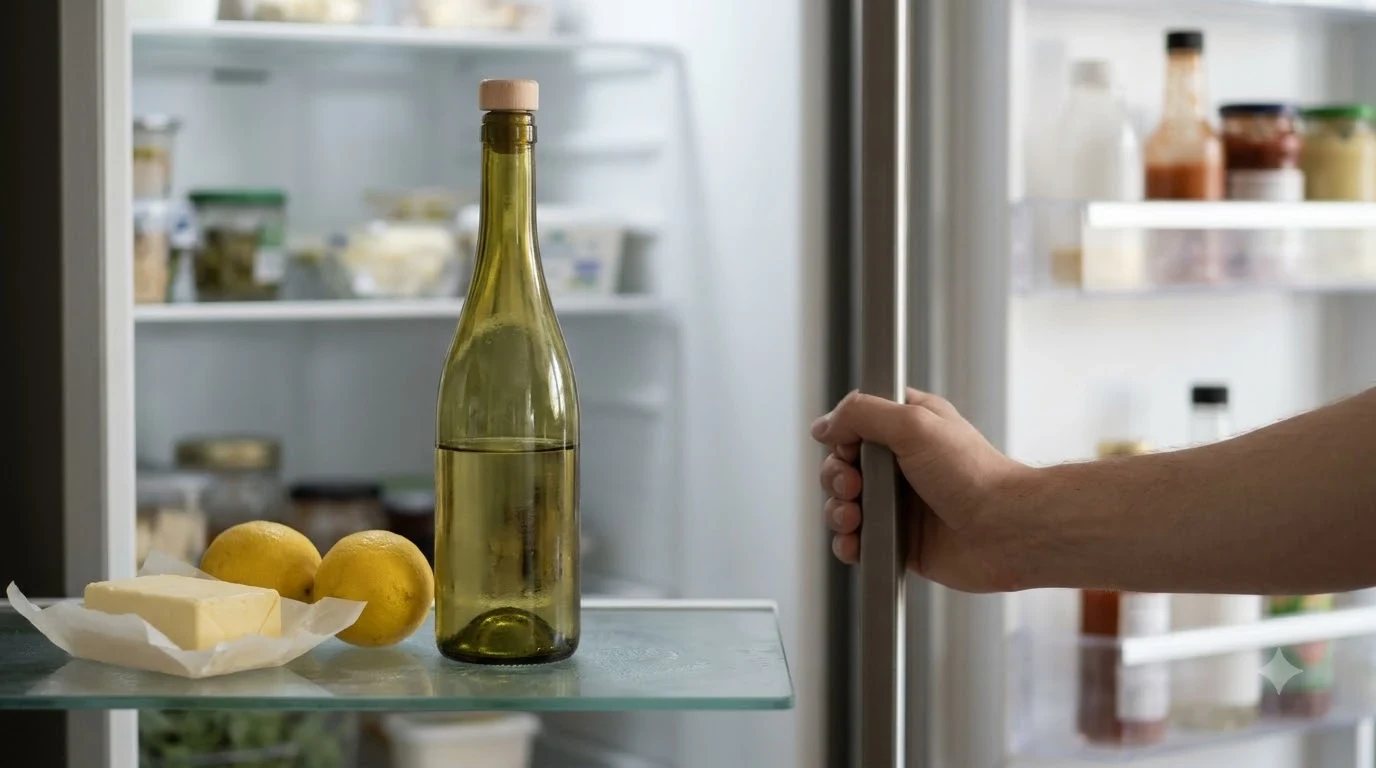
Serving white wine at the right temperature makes a dramatic difference in how much aroma and flavor you actually taste in the glass. Standard kitchen refrigerators sit around 38°F to 40°F, which is cold enough to lock up delicate fruit aromas and make acidity feel overly sharp.
According to Wine Enthusiast’s wine serving temperature guide, the lighter the wine, the colder it should be poured, while fuller-bodied whites need slightly more warmth to open up. Crisp, light whites like Pinot Grigio and Sauvignon Blanc shine between 45°F and 50°F, whereas richer oaked Chardonnay and Viognier show their layered aromas best between 50°F and 55°F. Lightly sparkling Moscato d’Asti tastes liveliest at 41°F to 45°F.
From a 72°F room-temperature pantry, a light white needs roughly two hours in the fridge, while a full-bodied Chardonnay needs about one hour. If a bottle has been sitting in the fridge overnight, pull it onto the counter 15 to 20 minutes before pouring. Storing bottles consistently is easy even without a basement cellar; if you are thinking about dedicated storage, check out how much is a wine cooler to see what fits a small apartment or kitchen counter.
Tip: Skip regular ice cubes if your glass warms up too fast, as melting water dilutes the wine; instead, drop two or three frozen green grapes into the glass to chill it cleanly.
Simple Food Pairing Rules for White Wine
The easiest way to pair white wine with dinner is to match the weight and intensity of the wine to the weight of the dish. Light, delicate foods call for light, crisp wines, while rich, creamy sauces need a fuller-bodied bottle that will not get drowned out on the palate.
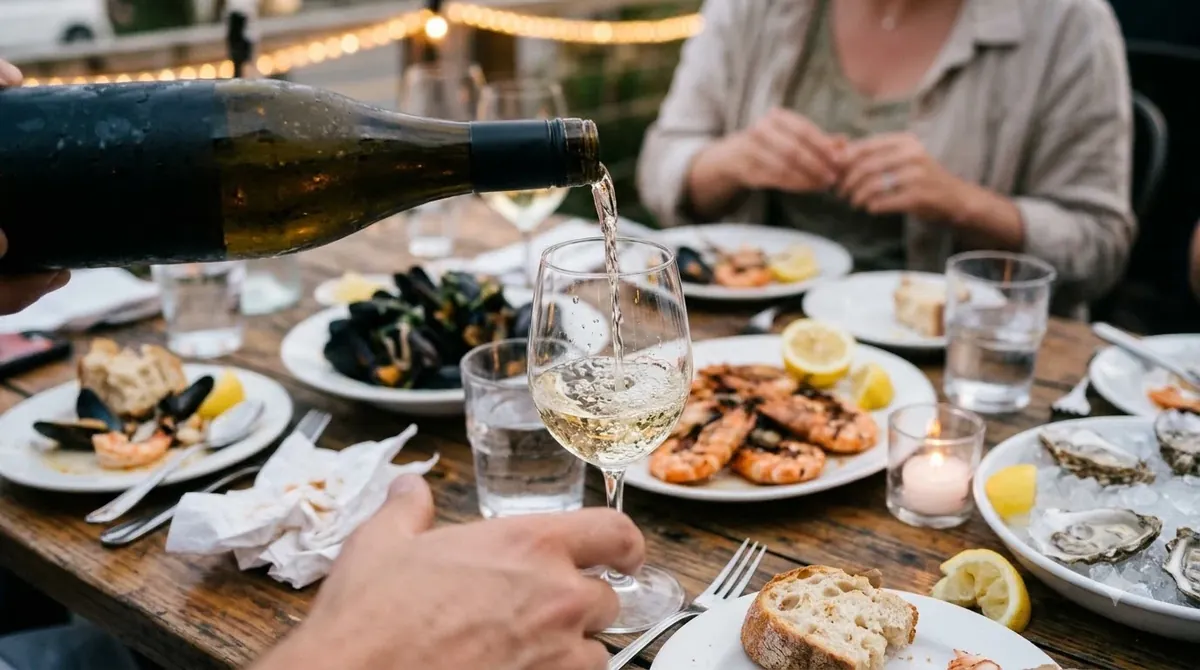
High-acid dry whites such as Pinot Grigio, Sauvignon Blanc, and Vinho Verde act just like a squeeze of fresh lemon over food. They cut cleanly through fried appetizers, goat cheese salads, grilled white fish, shrimp, and herb-roasted vegetables. Sauvignon Blanc is especially reliable alongside green herbs like basil, cilantro, and parsley, where an oaked wine might clash.
Full-bodied whites like oaked Chardonnay and Viognier pair naturally with richer textures, including roast chicken, lobster, crab cakes, mushroom risotto, and cream-based pasta sauces. Meanwhile, off-dry Riesling and aromatic Gewürztraminer are the secret weapons for spicy takeout: a touch of natural grape sugar cools down chili heat in Thai, Indian, or Sichuan dishes while bright acidity refreshes your palate between bites.
How to Choose Your First Bottle at the Store
Reading the back label carefully gives you reliable clues about how a white wine will taste before you ever pull the cork or twist the cap. Look for words like “stainless steel,” “unoaked,” or “crisp” when you want bright citrus fruit and clean refreshment, and look for “barrel-fermented,” “French oak,” or “creamy” when you want a smoother, richer glass.
Checking the ABV printed near the bottom of the label is another quick shortcut for predicting sweetness and body. Bottles between 7% and 10.5% ABV almost always retain noticeable residual sugar and feel lighter on the palate, while bottles between 12% and 13.5% ABV are typically fermented dry with balanced weight. Wines climbing above 14% ABV usually come from warm climates and deliver riper, fuller fruit.
Do not judge quality by closure type either: modern screw caps seal in fresh fruit aromas reliably and eliminate the risk of cork taint, making them standard on many top-notch Sauvignon Blancs and Rieslings. For even more label-reading shortcuts and shopping strategies, browse our Wine Buying Guides before your next trip to the shop.
Frequently Asked Questions
What is the easiest white wine for a complete beginner to drink?
Pinot Grigio is widely considered the easiest dry white wine for newcomers because it has gentle acidity, no heavy oak flavors, and clean notes of lemon and green apple. If you prefer a touch of sweetness, Moscato d’Asti or an off-dry German Riesling offers juicy peach and citrus flavors with low alcohol.
What is the difference between dry and sweet white wine?
Dry white wine means yeast converted nearly all of the grape juice’s natural sugars into alcohol during fermentation, leaving crisp, non-sweet flavors behind. Sweet or off-dry white wines are chilled or filtered before fermentation finishes, preserving natural grape sugar that balances out the wine’s acidity.
How long does an opened bottle of white wine stay fresh?
Most opened bottles of dry white wine stay fresh in the refrigerator for three to five days when sealed tightly with the original cork or screw cap. Sparkling whites like Moscato d’Asti lose their bubbles faster and taste best within one to three days using a sparkling wine stopper.
Do I need special wine glasses to enjoy white wine?
You do not need an expensive crystal collection to start enjoying white wine at home. A standard, medium-sized universal wine glass with a tulip-shaped bowl concentrates fruit aromas toward your nose while holding the wine by the stem prevents your hand from warming the glass.
Exploring white wine does not require memorizing vintages or mastering complicated tasting vocabulary. Start with one crisp dry bottle like Pinot Grigio and one aromatic bottle like off-dry Riesling, notice which texture and sweetness level you reach for first, and let your preferences guide every bottle after that.
More in Wine Buying Guides
 Riesling Gift: Choose a Bottle They’ll LoveUpdated Nov 21, 2026
 Sweet Red Wine Gift: Choose a Bottle They’ll LoveUpdated Nov 21, 2026
 Malbec Gift: How to Choose a Memorable Bottle for Any OccasionUpdated Nov 21, 2026
 Sherry Gift Ideas That Match Every Wine LoverUpdated Nov 21, 2026
 Moscato Gift: How to Choose a Sweet Wine They’ll LoveUpdated Nov 21, 2026
 Merlot Gift: How to Choose a Bottle They’ll AppreciateUpdated Nov 21, 2026